
A dental bridge can restore your smile and help you chew comfortably, but what happens when one of the supporting teeth develops an infection? Can a root canal be performed on a tooth with a dental bridge, or does the entire bridge need to be removed?
The good news is that root canal treatment may be possible even when a tooth is supporting a dental bridge. In selected cases, a dentist or endodontist can access the affected tooth through the existing crown without removing the entire bridge. However, the right approach depends on the condition of the tooth, the bridge’s design, the location of the infection, and the quality of the existing restoration.
If you are experiencing tooth pain, swelling, or sensitivity around an existing dental bridge, understanding your treatment options can help you make an informed decision.
What Is a Dental Bridge?
A dental bridge is a fixed dental restoration used to replace one or more missing teeth. It typically consists of an artificial tooth, called a pontic, supported by crowns attached to neighbouring teeth.
These supporting teeth are often called abutment teeth. Before a bridge is placed, the supporting teeth are prepared to hold the restoration securely in position.
Dental bridges can improve chewing function, appearance, and speech while helping fill gaps left by missing teeth.
However, the natural teeth supporting a bridge can still develop problems such as tooth decay, pulp inflammation, infection, or cracks. When this happens, additional dental treatment may be necessary.
If you want to understand your options, explore dental bridge treatment at The Dental Crowns.
Can a Root Canal Be Performed on a Tooth With a Dental Bridge?
Yes, root canal treatment can sometimes be performed on a tooth with an existing dental bridge. The bridge does not automatically have to be removed.
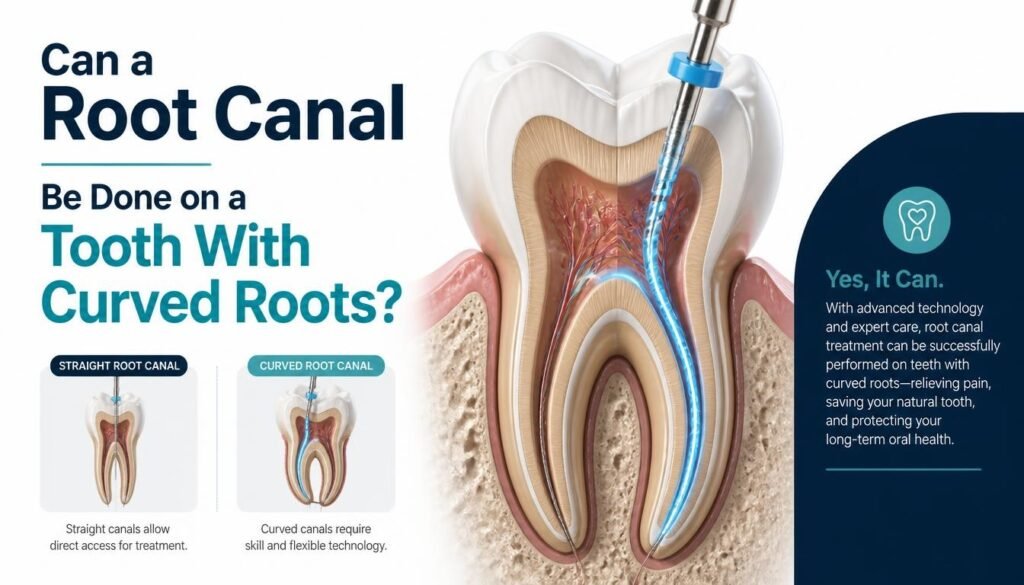
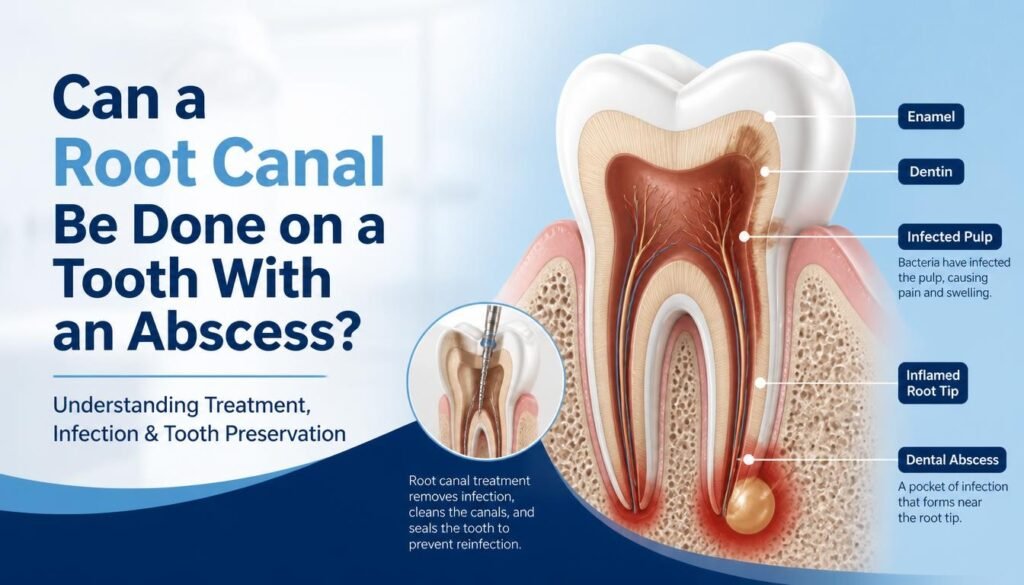
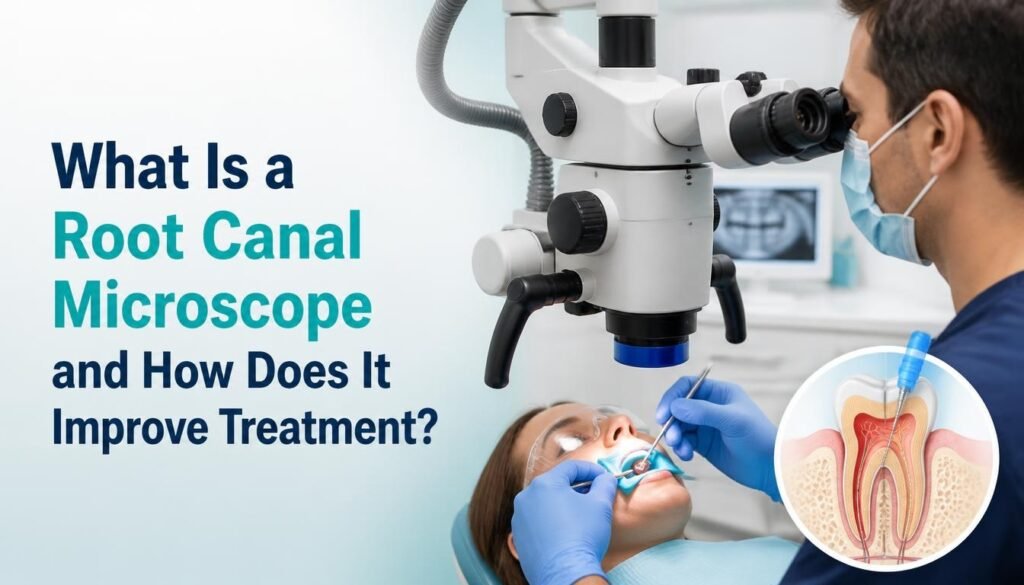
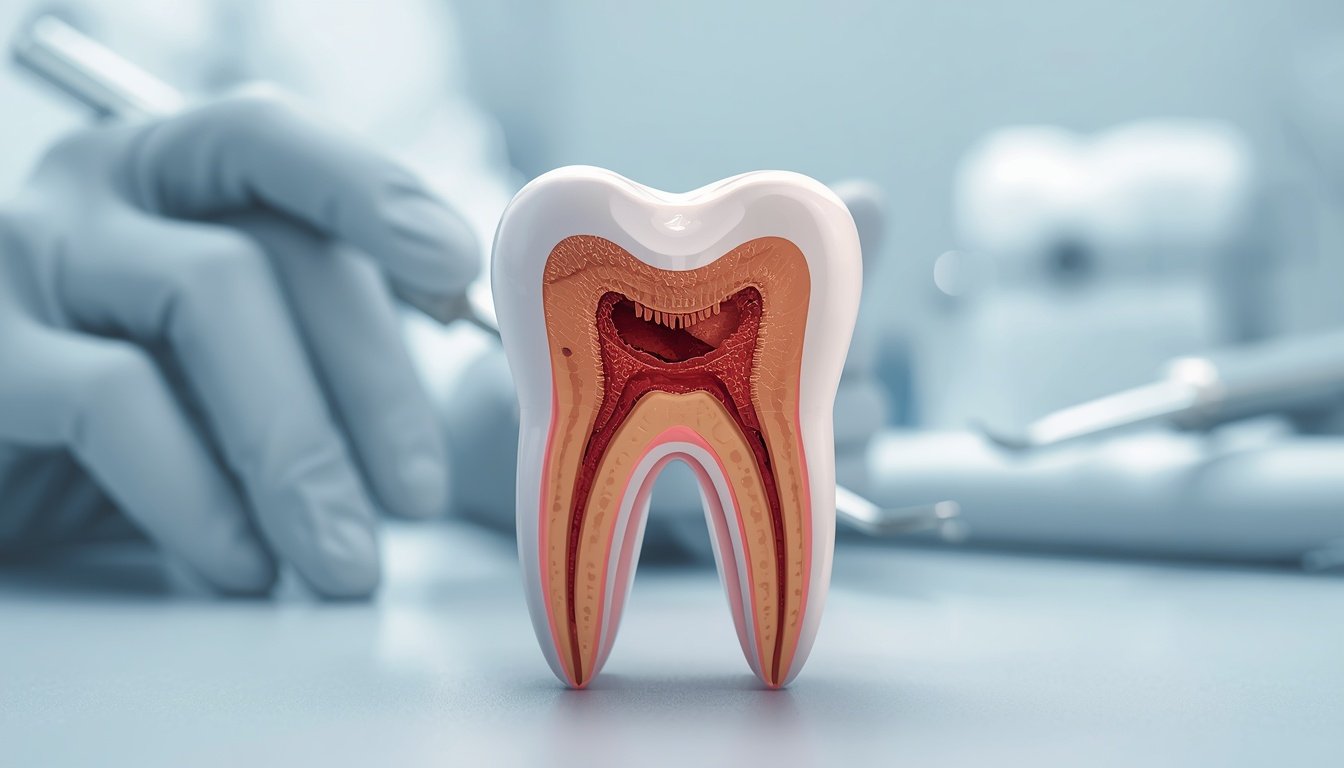
A root canal treats infection or inflammation inside the tooth by removing the affected pulp, cleaning and disinfecting the root canal system, and sealing it.
When the affected tooth supports a dental bridge, the dentist must determine how to access the internal tooth structure while protecting the existing restoration.
There are two main treatment approaches:
1. Performing a Root Canal Through the Existing Bridge
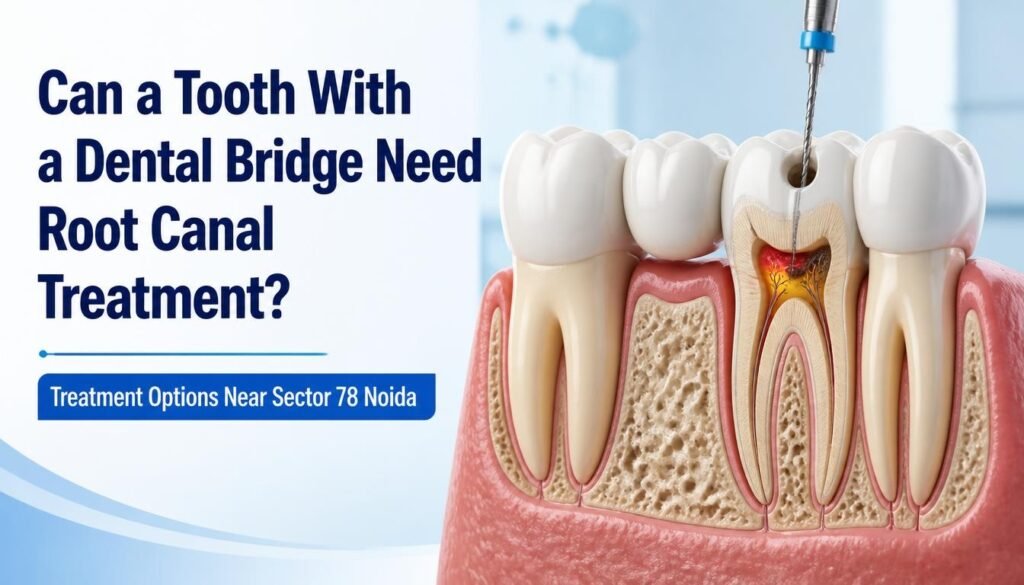
In suitable cases, the dentist may create a small access opening through the crown portion of the bridge directly above the affected tooth.
Through this opening, the dentist can access the root canals, clean the infected area, and seal the canals.
After treatment, the access opening must be properly restored to help maintain the seal and function of the existing restoration.
This approach may be considered when the bridge is stable, the supporting tooth can be treated predictably, and the restoration is otherwise in good condition.
Potential benefits include:
- Preserving an existing bridge that is still functional.
- Avoiding unnecessary removal of the entire restoration.
- Potentially reducing additional restorative work.
- Helping retain the natural supporting tooth.
However, treatment through an existing bridge is not suitable for every case. The dentist must assess whether the tooth can be accessed safely and whether the final restoration can be sealed reliably.
2. Removing or Replacing the Dental Bridge
In some situations, the dentist may recommend removing or replacing the bridge before or during treatment.
This may be necessary when the bridge is loose, damaged, poorly fitting, or affected by decay around its supporting teeth. Removal may also be considered when direct access is difficult or the supporting tooth needs more extensive restorative treatment.
Depending on the condition of the bridge and supporting teeth, the dentist may recommend a new bridge or another appropriate restoration after the root canal.
Removing a bridge can sometimes damage the existing restoration, meaning a replacement may be required. Your dentist should explain the benefits, limitations, expected costs, and alternatives before proceeding.
Why Might a Tooth Under a Dental Bridge Need a Root Canal?
A tooth supporting a dental bridge can develop problems even if the restoration looks normal from the outside.
Common causes include:
Deep Tooth Decay
Bacteria can cause decay around the margins of a crown or beneath a restoration if the seal is compromised. If decay reaches the pulp, root canal treatment may be needed.
Infection Inside the Tooth
The pulp can become inflamed or infected because of deep decay, cracks, trauma, or previous dental procedures.
Cracks or Damage to the Supporting Tooth
A supporting tooth may develop a crack that affects its internal tissues. Whether the tooth can be saved depends on the crack’s location, depth, and extent.
Problems With an Existing Crown or Bridge
A loose, damaged, or poorly fitting restoration may allow bacteria to reach the underlying tooth. The dentist must examine the restoration and supporting tissues to identify the cause.
Not every case of pain around a bridge requires a root canal. Gum inflammation, bite problems, and other dental conditions can produce similar symptoms.
What Are the Signs of an Infected Tooth Under a Dental Bridge?
You should arrange a dental examination if you experience any of the following symptoms:
- Persistent toothache around a supporting tooth.
- Pain when biting or chewing.
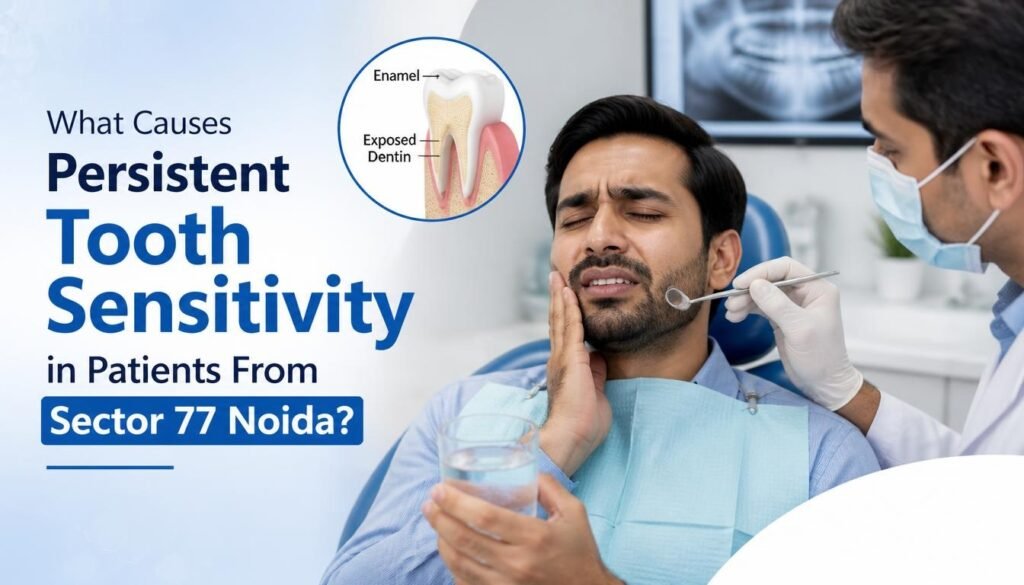
- Prolonged sensitivity to hot or cold foods and drinks.
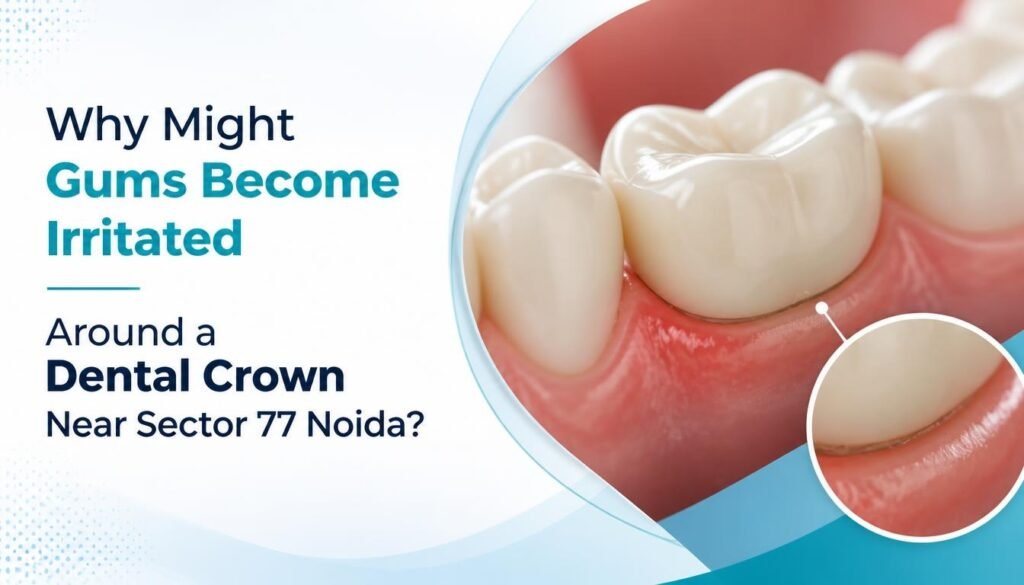
- Swelling or tenderness in the gums near the bridge.
- A pimple-like swelling on the gum.
- A bad taste or discharge around the affected area.
- A bridge that feels loose or uncomfortable.
Some dental infections cause little or no pain initially. Therefore, the absence of severe symptoms does not always mean that the supporting tooth is healthy.
Seek urgent dental care for facial swelling, fever, or worsening pain. Difficulty breathing or swallowing, or rapidly spreading swelling, requires emergency medical attention.
How Is Root Canal Treatment Performed Through a Dental Bridge?
The exact procedure depends on the tooth and bridge, but treatment generally involves several steps.
Step 1: Dental Examination and Diagnosis
The dentist reviews your symptoms, examines the bridge and surrounding gums, and may take dental X-rays to assess the supporting tooth and surrounding bone.
Additional tests may be needed to determine which tooth is affected and whether the tooth can be restored.
Step 2: Planning Access to the Tooth
If the existing bridge can be preserved, the dentist determines where to create an access opening. If the bridge is unsuitable for retention, removal or replacement may be discussed.
Step 3: Cleaning the Root Canals
The dentist uses appropriate instruments and disinfecting solutions to remove infected or inflamed pulp tissue and clean the root canal system.
Local anaesthesia is generally used to help keep the procedure comfortable.
Step 4: Filling and Sealing the Canals
Once the canals have been adequately cleaned and prepared, they are filled and sealed to help prevent reinfection.
Some cases can be completed in one visit, while others require multiple appointments, depending on the clinical findings and complexity.
Step 5: Restoring the Access Opening
If treatment was performed through the bridge, the access opening must be sealed with an appropriate restorative material.
The dentist then checks the restoration, bite, and overall condition of the bridge. Further repair or replacement may be necessary if the existing restoration is no longer suitable.
For more information, read about painless root canal treatment at The Dental Crowns.
Does a Dental Bridge Need to Be Removed for a Root Canal?
No, not always.
A dentist may be able to perform a root canal through the existing bridge when the restoration is stable and the tooth can be accessed and restored appropriately.
However, bridge removal may be necessary if the restoration is damaged, loose, affected by extensive decay, or unsuitable for predictable treatment.
The decision depends on several factors:
- The location of the affected tooth.
- The type and design of the bridge.
- The condition of the supporting tooth.
- The presence of decay or cracks.
- The stability and fit of the existing restoration.
- The feasibility of sealing the access opening.
- The long-term outlook for the tooth and bridge.
Your dentist can explain whether preserving the existing bridge is reasonable or whether replacement would offer a more predictable result.
Can a Root Canal Save a Tooth Supporting a Dental Bridge?
In many cases, root canal treatment can help preserve a natural tooth that would otherwise be at risk of extraction.
However, saving the tooth depends on whether it has enough healthy structure to support a restoration and whether the surrounding gums and bone are healthy enough.
A tooth may be difficult to save if it has a severe fracture extending below the gum line, extensive decay, or advanced periodontal damage.
If the tooth cannot be restored predictably, extraction and a revised tooth-replacement plan may need to be considered. Depending on the clinical situation, options could include a new bridge, a dental implant, or a removable denture.
The best option should be based on a professional examination rather than symptoms alone.
How Much Does a Root Canal Cost When a Dental Bridge Is Present?
The cost of root canal treatment on a tooth supporting a dental bridge varies according to the complexity of the case and the treatment required.
Factors that can influence the overall cost include:
- The tooth’s location and number of root canals.
- The severity of infection.
- Whether the bridge can remain in place.
- Whether the existing bridge needs repair or replacement.
- Additional restorative procedures.
- The need for specialist treatment.
If the existing bridge can be retained, you may avoid some replacement costs. However, this is not guaranteed, and the root canal itself may involve additional complexity.
Ask your dentist for a treatment plan that separates the root canal fee from any costs for bridge repair, replacement, or other procedures.
How Can You Protect Your Dental Bridge After Root Canal Treatment?
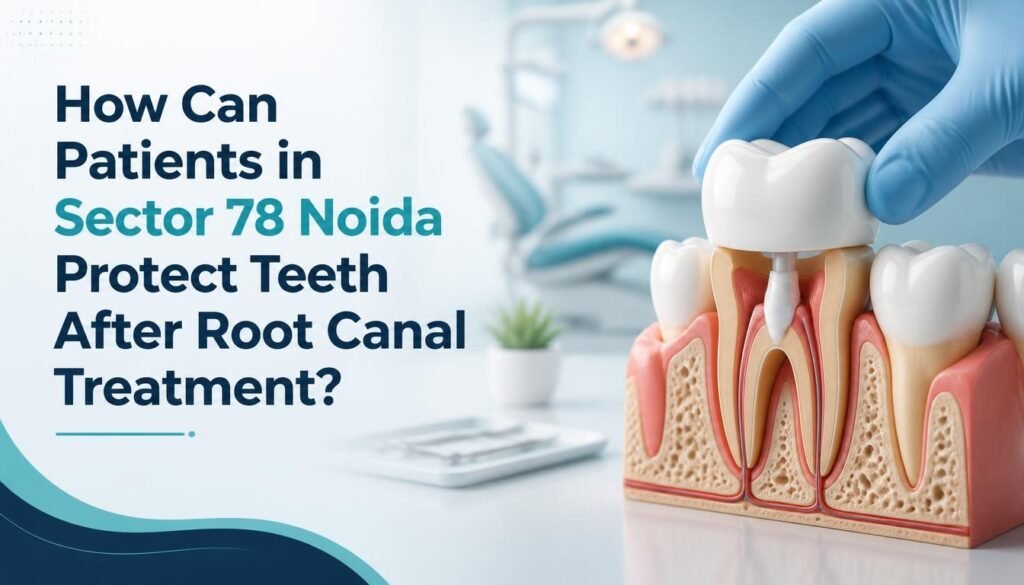
Good oral hygiene and regular dental reviews can help protect the supporting teeth and surrounding gums.
Brush twice daily: Use fluoride toothpaste and clean carefully around the bridge margins.
Clean beneath the bridge: Use an appropriate floss threader, interdental brush, or other cleaning aid recommended by your dentist.
Avoid chewing hard objects: Do not use your teeth to bite hard objects, and follow your dentist’s instructions about foods to avoid during recovery.
Attend follow-up appointments: Your dentist may need to check healing, the restoration, and the bridge’s fit.
Address problems early: Seek advice if the bridge becomes loose, your bite feels uncomfortable, or pain and swelling develop.
These steps cannot eliminate every dental problem, but they can help you maintain your oral health and identify issues earlier.
Root Canal Treatment for Patients in Noida
If you have tooth pain or suspect an infection beneath a dental bridge, a timely dental examination can help determine the cause and the most appropriate treatment.
At The Dental Crowns, located at Civitech Stadia, Sector 79, Noida, patients can explore root canal treatment, dental bridges, crowns, and other dental services.
The dentist can evaluate your supporting tooth, assess the existing bridge, and explain whether treatment through the bridge is feasible or whether another approach is needed.
Explore root canal treatment services or dental bridge treatment to learn more.
If you are experiencing persistent pain, swelling, or discomfort around a dental bridge, book a dental consultation rather than waiting for symptoms to worsen.
Frequently Asked Questions
1. Can a root canal be done without removing a dental bridge?
Yes. In selected cases, the dentist can access the affected tooth through an opening in the existing bridge. Whether this is appropriate depends on the bridge’s condition and the tooth’s restorability.
2. Can a root canal be performed through a dental crown?
Yes. A dentist may create an access opening through an existing crown to perform root canal treatment. The opening must be properly sealed afterward, and the crown’s condition should be assessed.
3. Will my dental bridge need to be replaced after a root canal?
Not necessarily. If the bridge is stable, undamaged, and suitable for continued use, it may be possible to retain it. A damaged or poorly fitting bridge may require replacement.
4. Can a tooth under a dental bridge become infected?
Yes. A supporting tooth can develop decay, pulp inflammation, or infection despite having a crown or bridge. Symptoms should be evaluated by a dentist.
5. Is root canal treatment painful when a dental bridge is present?
Local anaesthesia is generally used to help manage discomfort during treatment. Some tenderness may occur afterward, but persistent or worsening pain should be reviewed by your dentist.
6. How long does root canal treatment take on a tooth supporting a bridge?
The duration depends on the tooth’s anatomy, infection, access, and treatment complexity. Some cases can be completed in one appointment, while others need multiple visits.
7. What happens if the supporting tooth cannot be saved?
If the tooth cannot be restored predictably, the dentist may discuss extraction and options for replacing the missing tooth. The appropriate plan depends on the remaining teeth, gums, bone, and overall oral health.
8. Should I see a dentist if my dental bridge hurts?
Yes. Pain around a dental bridge can have several causes, including infection, decay, gum inflammation, or bite problems. A dental examination is needed to identify the cause and recommend appropriate treatment.
Conclusion
A root canal can often be considered for a tooth supporting a dental bridge, and removing the entire bridge is not always necessary. In suitable cases, the dentist can access the tooth through the existing restoration, treat the infected root canals, and seal the access opening.
However, the bridge’s condition, the severity of the infection, and the supporting tooth’s long-term prognosis all influence the treatment decision.
If you are experiencing pain or swelling around an existing bridge, consult a dentist to determine whether root canal treatment, bridge repair, or replacement is the most appropriate option.
Disclaimer: This article is for general educational purposes only and does not replace a professional dental examination or personalised treatment advice.