Introduction
Dental implants can provide a long-term solution for replacing missing teeth, but getting an implant placed is only the beginning. Proper dental implant maintenance is essential for keeping the implant, crown and surrounding gums healthy.
Patients living in Sector 79 Noida have the advantage of being able to schedule regular dental check-ups without travelling far, making it easier to stay consistent with professional implant maintenance.
If you already have a dental implant or are considering one, understanding how to clean your implant, recognize warning signs and attend regular dental examinations can help you protect your investment.
According to the American Academy of Periodontology (AAP), dental implants require regular brushing, flossing and professional check-ups because inflammation and disease can develop around an implant just as dental problems can affect natural teeth.
What Is Dental Implant Maintenance?
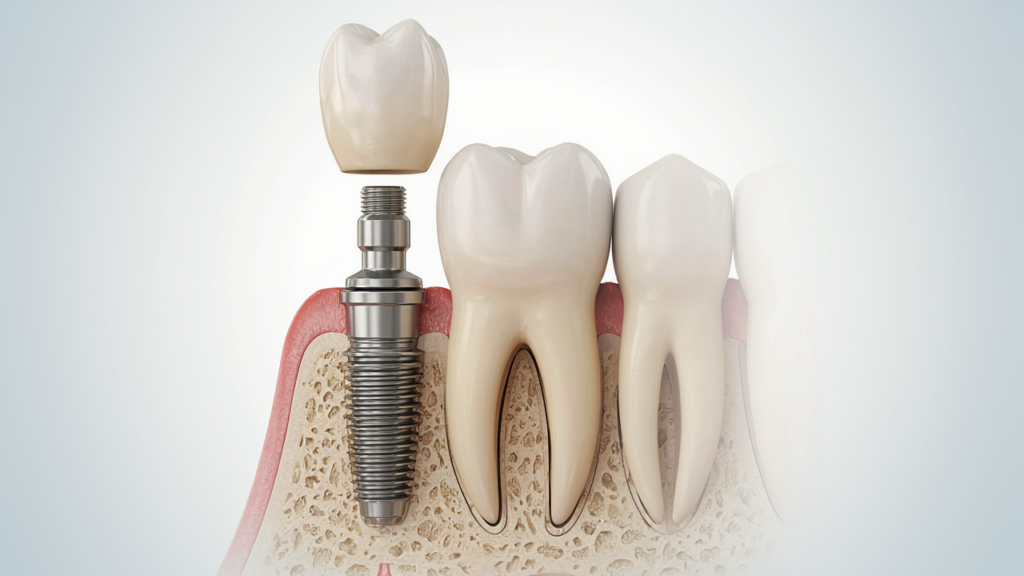
Dental implant maintenance refers to the ongoing care required after an implant has been placed and restored with a crown, bridge or denture.
It generally includes:
- Daily brushing
- Cleaning between teeth and around the implant
- Maintaining healthy gums
- Regular professional dental examinations
- Professional cleaning when recommended
- Checking the implant crown or restoration
- Monitoring the surrounding bone and gum tissues
- Identifying early signs of implant complications
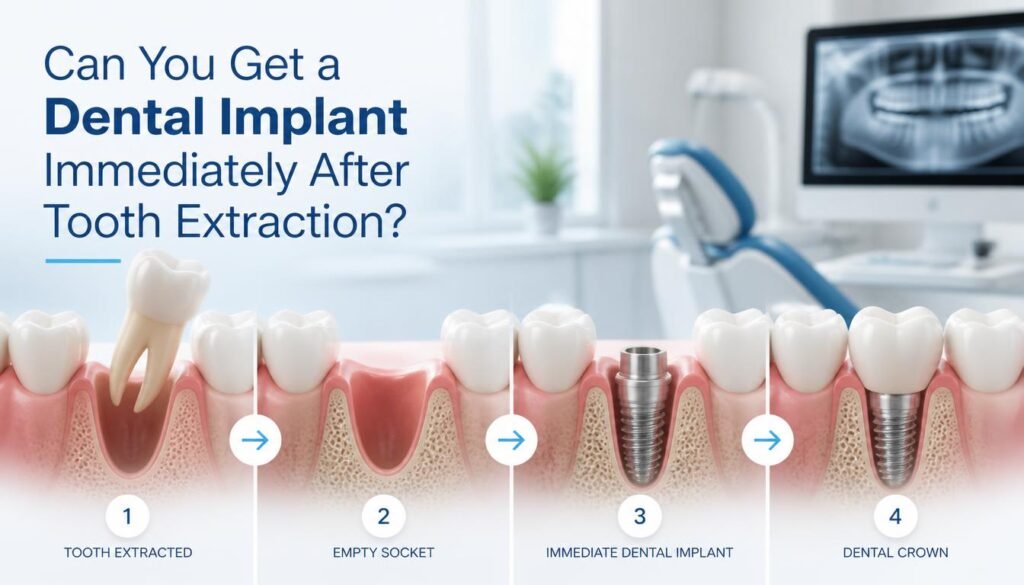
A dental implant is designed to replace the root portion of a missing tooth and can support a replacement tooth such as a crown.
You can learn more about the clinic’s Dental Implants treatment in Noida.
Why Is Dental Implant Maintenance Important?
A common misconception is that dental implants cannot develop problems because the implant itself is not a natural tooth.
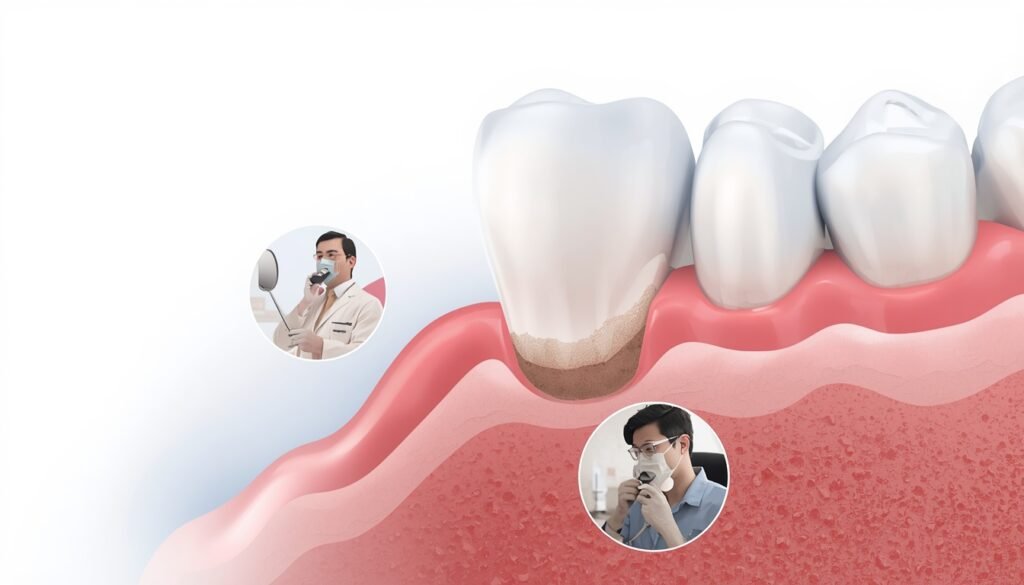
While the implant material itself does not develop tooth decay like natural enamel, the gums and bone surrounding an implant can become inflamed or infected.
The American Academy of Periodontology explains that peri-implant diseases can affect the soft and hard tissues around dental implants. Early inflammation is known as peri-implant mucositis, while peri-implantitis involves inflammation along with deterioration of supporting bone.
Regular maintenance helps your dentist monitor these tissues and identify problems before they become more complicated.
7 Essential Dental Implant Maintenance Tips for Sector 79 Noida Patients
1. Brush Your Teeth Twice a Day
One of the most important steps in dental implant maintenance is maintaining good daily oral hygiene.
Brush your teeth twice a day using a soft-bristled toothbrush and fluoride toothpaste unless your dentist has recommended something different.
Pay particular attention to:
- The implant crown
- The gumline
- Teeth beside the implant
- Areas where food tends to collect
The NHS also recommends brushing twice daily and cleaning between teeth every day as part of good oral hygiene.
2. Clean Between Your Teeth Every Day
Brushing alone cannot always remove plaque from the areas between teeth and around an implant.
Depending on your implant design and individual needs, your dentist may recommend:
- Dental floss
- Implant-specific floss
- Interdental brushes
- Water flossers
- Other specialized cleaning aids
Don’t force floss or an interdental brush into an area where it causes pain or bleeding. Ask your dentist to demonstrate the safest technique for your particular implant.
The American Academy of Periodontology recommends brushing and flossing as part of ongoing implant care.
3. Don’t Ignore Bleeding Around Your Implant
A small amount of bleeding should not simply be dismissed as normal.
If the gum around your implant repeatedly becomes:
- Red
- Swollen
- Tender
- Bleeding
- Sensitive
you should arrange a dental examination.
These can be signs of inflammation around the implant. The AAP specifically lists red or tender gums and bleeding during brushing among possible signs of peri-implant disease.
Early assessment is particularly important because some implant-related inflammatory conditions can be easier to manage when detected early.
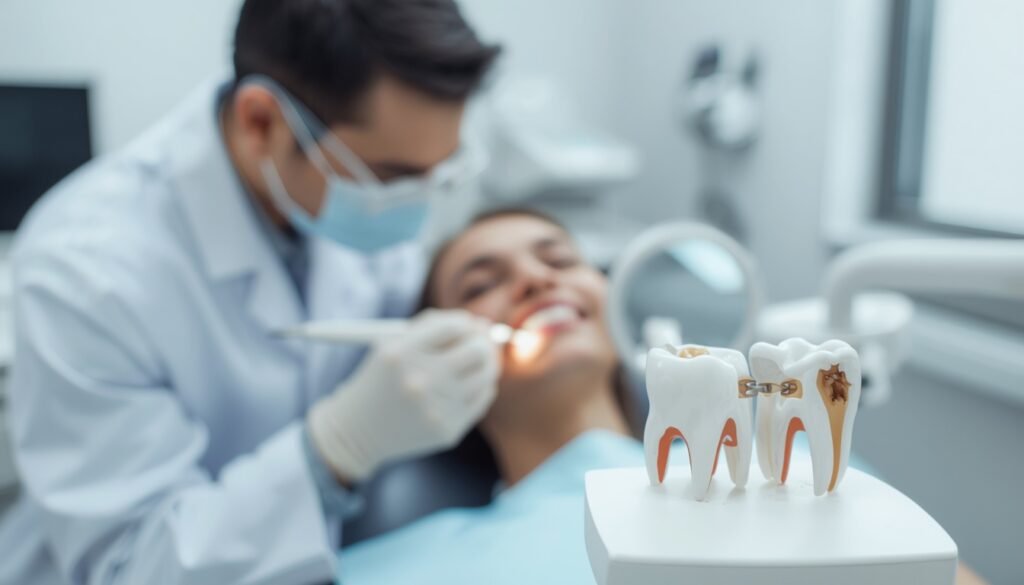
4. Schedule Regular Dental Implant Check-Ups
Home care is important, but professional monitoring is also necessary.
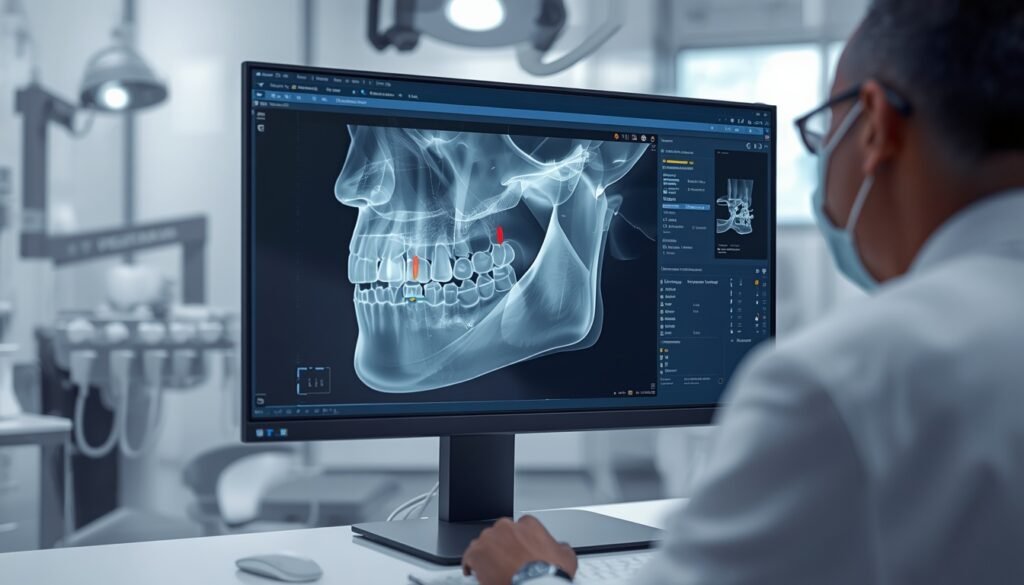
During an implant maintenance appointment, your dentist may assess:
- Gum health
- Plaque accumulation
- The implant crown
- Bite and chewing forces
- The condition of surrounding teeth
- Implant stability
- Signs of inflammation
- Other factors affecting your oral health
The exact frequency of visits depends on your individual oral-health situation and your dentist’s recommendations.
The American Academy of Periodontology recommends regular professional follow-up as part of implant care.
5. Avoid Using Your Implant to Bite Extremely Hard Objects
Although dental implants can restore chewing function, your replacement crown can still be damaged by excessive forces.
Avoid habits such as:
- Biting ice
- Chewing extremely hard objects
- Opening packages with your teeth
- Biting pens or other non-food objects
Mayo Clinic similarly advises people with dental implants and artificial teeth to avoid damaging habits such as chewing hard items that can damage crowns or natural teeth.
6. Tell Your Dentist If You Grind or Clench Your Teeth
Teeth grinding and clenching can place excessive forces on natural teeth and dental restorations.
If you regularly:
- Grind your teeth during sleep
- Clench your jaw
- Wake up with jaw discomfort
- Notice unusual wear on your teeth
- Experience repeated crown or restoration problems
tell your dentist.
Your dentist can assess whether additional protection or treatment is appropriate for your situation.
7. Don’t Skip Maintenance Just Because Your Implant Feels Fine
One of the biggest mistakes patients make is visiting the dentist only when something hurts.
Dental implant problems may not always cause obvious symptoms at the beginning.
Regular professional monitoring allows your dentist to assess the implant and surrounding tissues even when you aren’t experiencing pain.
This is particularly useful for patients living in Sector 79 Noida, where maintaining a convenient routine for dental follow-up can make ongoing care easier.
What Is Peri-Implantitis?
Peri-implantitis is an inflammatory condition affecting tissues around a dental implant and is associated with loss of supporting bone.
It is different from ordinary tooth decay because an implant does not have natural enamel. Instead, the concern involves the tissues supporting and surrounding the implant.
According to the American Academy of Periodontology, risk factors can include poor plaque control, previous periodontal disease, smoking and certain systemic factors.
Possible warning signs include:
- Bleeding around the implant
- Red or swollen gums
- Gum tenderness
- Pus or discharge
- Increasing discomfort
- Changes around the implant
- A loose-feeling restoration or implant
If you notice these symptoms, arrange an examination instead of attempting to treat the problem yourself.
How Often Should Dental Implants Be Professionally Checked?
There isn’t one universal appointment schedule that is appropriate for every implant patient.
Your maintenance schedule may depend on:
- Your gum health
- Previous periodontal disease
- Oral hygiene
- Number of implants
- Type of implant restoration
- Smoking status
- Bite and grinding habits
- Your overall dental condition
Your dentist can establish an individualized maintenance schedule.
For patients in Sector 79 Noida, choosing a conveniently located dental clinic can make regular follow-up appointments easier to maintain.
Dental Implant Maintenance for Patients Living in Sector 79 Noida
If you live in Sector 79, regular implant maintenance can be incorporated into your normal dental-care routine.
The Dental Crowns is located at:
Shop No. 16, 1st Floor, Civitech Stadia, Sector 79, Noida, Uttar Pradesh 201301.
The clinic provides dental implant treatment and other dental services. Its location in Sector 79 can be convenient for patients who need consultation, implant-related follow-up or general dental care.
For patients considering implants, you can also read:
Dental Implant Consultation Near Sector 79 Noida: A Patient’s Checklist
What Questions Should You Ask Before Choosing Dental Implant Treatment?
What Should You Do If Your Dental Implant Feels Loose?
A loose implant crown or restoration should not be ignored.
There can be different reasons why a patient notices movement or discomfort, and only a dental examination can determine the cause.
Contact your dentist if you notice:
- A loose crown
- A loose implant component
- A change in your bite
- Persistent pain
- Swelling
- Bleeding around the implant
- Difficulty chewing
NHS guidance also notes that implant components can loosen or wear over time and that problems should be addressed promptly.
Dental Implant Maintenance vs. Natural Teeth Care
Dental implants don’t mean you can stop caring for the rest of your mouth.
You still need to maintain:
- Your natural teeth
- Gums
- Implant crown
- Implant area
- Tongue and overall oral hygiene
In fact, maintaining healthy natural teeth and gums is an important part of maintaining your overall oral health.
A good routine includes daily cleaning and regular professional dental examinations.
When Should You Visit a Dentist About Your Dental Implant?
Book a dental examination if you experience:
Persistent Bleeding
Bleeding around an implant that repeatedly occurs during brushing or cleaning should be assessed.
Gum Swelling
Swollen or red tissue around an implant can indicate inflammation.
Pain or Tenderness
Persistent or increasing discomfort requires professional evaluation.
Loose Crown
A loose restoration should be checked rather than repeatedly used as normal.
Difficulty Chewing
A change in chewing comfort or bite may indicate that the restoration or surrounding tissues need assessment.
Bad Taste or Discharge
An unusual taste or discharge around the implant can be a reason to seek professional dental care.
How Can Sector 79 Patients Protect Their Dental Implants Long Term?
A simple maintenance routine can include:
Morning:
Brush your teeth carefully and clean around the implant.
During the day:
Avoid using teeth or implant restorations to bite hard non-food objects.
Night:
Brush again and clean between your teeth using the method recommended by your dentist.
Regularly:
Attend professional dental check-ups and cleaning appointments according to your individualized schedule.
Immediately when something changes:
Contact your dentist if you notice bleeding, swelling, pain, mobility or other unusual symptoms.
Frequently Asked Questions About Dental Implant Maintenance
1. How do I maintain my dental implant at home?
Brush twice daily, clean between your teeth every day and carefully clean around the implant crown and gumline. Your dentist can recommend the most suitable cleaning tools for your implant.
2. Can dental implants get cavities?
The titanium implant itself does not develop tooth decay like a natural tooth. However, the surrounding gums and bone can develop inflammatory problems, and the implant-supported crown can also be damaged.
3. Can I floss around a dental implant?
Yes, cleaning between teeth and around implants is generally part of implant maintenance. Your dentist should show you the appropriate technique for your implant design.
4. How often should I visit a dentist after getting an implant?
The recommended schedule varies from patient to patient. Your dentist will determine how frequently your implant and surrounding tissues should be monitored.
5. Is bleeding around a dental implant normal?
Repeated bleeding should not be ignored. Redness, tenderness and bleeding can be signs of inflammation around an implant and should be assessed by a dental professional.
6. What is peri-implantitis?
Peri-implantitis is an inflammatory condition affecting tissues around a dental implant that can involve loss of supporting bone.
7. Can I eat normally with a dental implant?
Once your dentist has cleared you after treatment and your restoration is functioning properly, implants can allow normal chewing. However, avoid habits that place excessive forces on the crown or teeth.
8. What should I do if my implant crown becomes loose?
Contact your dentist for an examination. Do not attempt to permanently repair or tighten the restoration yourself.
9. Is professional cleaning necessary for dental implants?
Professional maintenance may be recommended depending on your individual oral-health needs. Your dentist can determine what type of cleaning and monitoring is appropriate.
10. Where can I get dental implant maintenance near Sector 79 Noida?
Patients living in Sector 79 can consult The Dental Crowns at Civitech Stadia, Sector 79, Noida for dental implant-related care and evaluation.
Conclusion
Dental implant maintenance is an ongoing process, not a one-time treatment.
For patients living in Sector 79 Noida, maintaining a consistent routine of daily brushing, interdental cleaning and professional dental check-ups can help monitor the health of the implant and surrounding tissues.
Don’t wait until an implant becomes painful or loose before seeking professional advice. If you notice bleeding, swelling, tenderness, mobility or another unusual change, arrange a dental examination.
If you already have a dental implant or are considering one, The Dental Crowns in Sector 79 Noida can evaluate your individual dental needs and discuss appropriate implant-care options.
The Dental Crowns
Shop No. 16, 1st Floor, Civitech Stadia, Sector 79, Noida, Uttar Pradesh 201301
Phone: +91 89202 71787