If you are considering a dental implant, one of the first questions you may have is: How long does it take for a dental implant to heal?
In general, the gums may begin healing within 1–2 weeks, while the deeper healing process, called osseointegration, can take several months. Depending on the individual case, the jawbone may need around 2–6 months or longer to integrate with the implant before the permanent tooth is placed. Some clinical sources report a broader healing range of approximately 3–9 months, depending on healing speed and individual circumstances.
This means that feeling comfortable after a few days does not necessarily mean the dental implant has completely healed.
Quick Answer: How Long Does a Dental Implant Take to Heal?
For many patients, the initial gum and soft-tissue healing occurs within approximately 1–2 weeks. The implant then needs additional time to bond securely with the jawbone.
This bone-healing process is known as osseointegration.
Depending on factors such as bone quality, implant location, overall health, smoking, and whether bone grafting was required, complete implant healing may take several months.
What Is Dental Implant Healing?
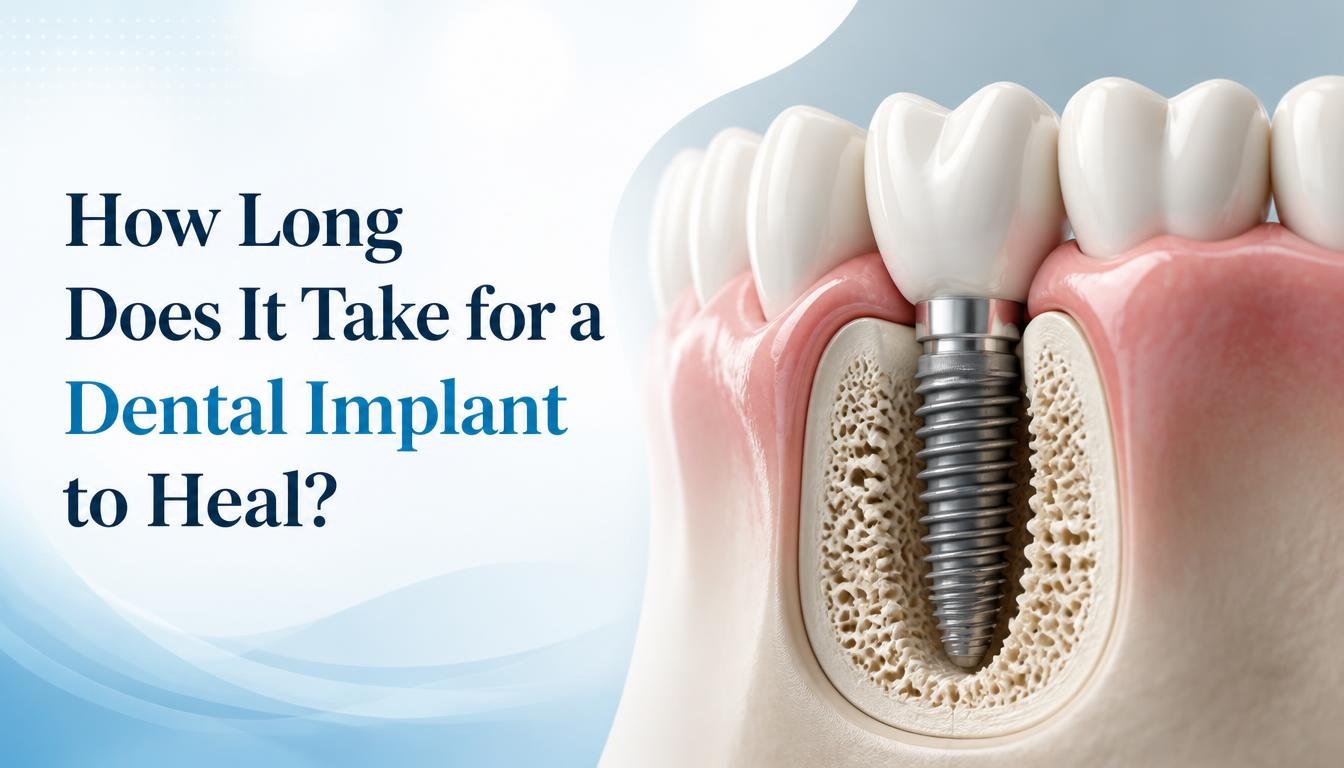
A dental implant is designed to replace the root of a missing tooth. It is placed into the jawbone and eventually supports a dental crown, bridge or denture.
Healing involves more than just the gums closing.
There are two important parts of recovery:
- Soft-tissue healing
- Bone integration around the implant
The second process is particularly important because the implant needs to become stable inside the jawbone before it can reliably support the final restoration.
What Is Osseointegration?
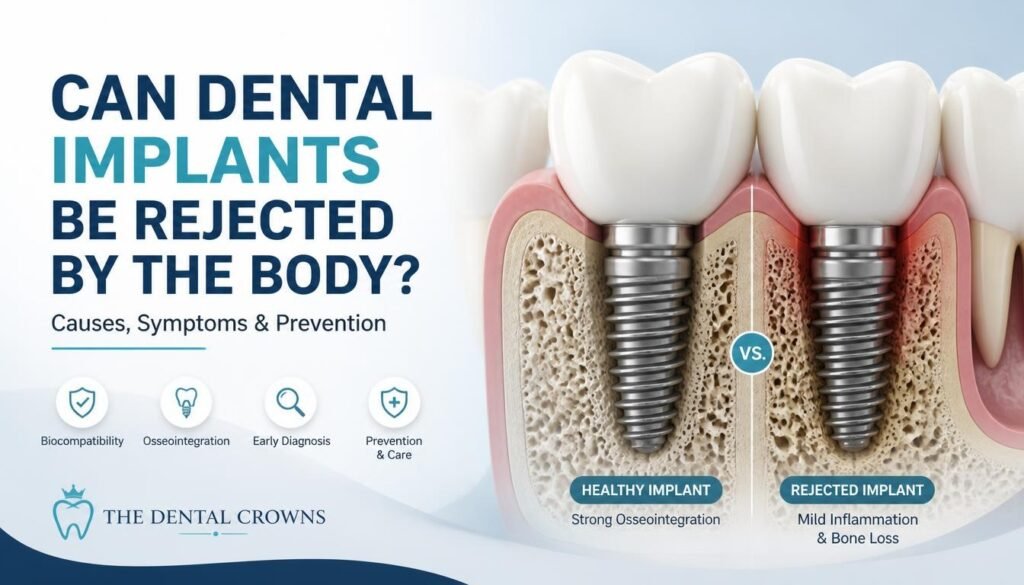
Osseointegration is the process in which the jawbone gradually bonds with the dental implant.
This creates the stable foundation needed to support the replacement tooth.
Because this process happens beneath the gum, you cannot determine whether the implant has completely integrated simply by looking at it or by judging how comfortable your mouth feels.
Your dentist may use clinical examination and imaging to determine whether the implant is ready for the next stage.
Dental Implant Healing Timeline
Everyone heals differently, but a typical dental implant recovery can be understood in stages.
First 24–48 Hours
During the first couple of days, some swelling, tenderness, mild bleeding or bruising may occur.
These symptoms can vary depending on the complexity of the procedure and the individual’s response to surgery.
Following your dentist’s post-operative instructions is particularly important during this period.
First Week
During the first week, the surgical site begins to settle.
You may still experience some tenderness, but many patients gradually become more comfortable.
Your dentist may recommend specific instructions regarding:
- Oral hygiene
- Food choices
- Physical activity
- Medication
- Smoking
- Follow-up appointments
The exact instructions depend on your procedure and should come from your dental professional.
1–2 Weeks
The gum tissue generally undergoes significant initial healing during this period.
For some patients, stitches may be removed during a follow-up appointment.
However, gum healing does not mean that the implant has completely fused with the jawbone.
The bone requires substantially more time.
2–6 Months
This is the period when substantial osseointegration can occur.
The bone gradually grows around the implant and provides the stability required for the replacement tooth.
The exact duration depends on factors including:
- Jawbone quality
- Implant location
- Number of implants
- Surgical complexity
- Bone grafting
- General health
- Smoking
- Oral hygiene
- Individual healing response
Some patients may require less time, while others need longer.
After the Implant Has Integrated
Once your dentist confirms that the implant is sufficiently stable and healed, the next stage can involve the abutment and final dental restoration.
A crown may then be made and attached to the implant to replace the missing tooth.
The entire treatment timeline can therefore be considerably longer than the initial surgical recovery.
Some patients may complete treatment in several months, while more complicated cases can take longer. NHS guidance states that overall implant treatment can sometimes take 6–12 months, particularly when multiple stages are required.
What Factors Affect Dental Implant Healing Time?
There is no single healing timeline that applies to everyone.
Several factors can influence how quickly a dental implant heals.
1. Jawbone Quality
The condition and density of the jawbone are important because the implant needs sufficient bone support.
If there is significant bone loss, your dentist may recommend a bone graft before or during implant treatment.
2. Bone Grafting
Some patients need bone grafting before an implant can be placed.
A bone graft introduces another healing stage into the treatment process.
The NHS notes that bone grafting can add several months to the overall treatment timeline.
3. Implant Location
The upper and lower jaws can have different bone characteristics, and the location of the implant can influence the treatment plan and healing period.
Your dentist will evaluate the implant site before deciding when the final restoration can be placed.
4. Smoking
Smoking can interfere with healing and may increase the risk of complications.
If you smoke, discuss this honestly with your dentist before implant surgery.
Cleveland Clinic specifically notes that smoking or vaping may disrupt dental implant healing.
5. Oral Hygiene
Keeping the mouth clean after implant surgery is important.
Your dental professional will tell you how to clean around the surgical area without disturbing healing tissues.
Poor oral hygiene can contribute to inflammation and infection, potentially affecting the healing process.
6. Overall Health
Your general health and certain medical conditions or medications can influence wound healing and implant treatment.
Your dentist should review your medical history before recommending an implant.
7. Number and Complexity of Implants
Healing can also depend on whether you are receiving one implant or multiple implants and whether additional procedures are being performed.
A straightforward single-tooth implant may have a different timeline from a more complex full-mouth or graft-supported treatment.
Is Dental Implant Healing Painful?
Some discomfort is normal after implant surgery.
You may experience:
- Mild to moderate soreness
- Swelling
- Tenderness
- Minor bleeding
- Bruising
These symptoms generally improve as the initial healing progresses.
The NHS reports that soreness, swelling, bleeding and bruising can occur after implant placement, with discomfort generally lasting up to about a week.
However, severe or worsening pain should not simply be ignored.
Contact your dentist if you experience unusual symptoms or if your recovery appears to be getting worse instead of better.
What Can You Eat After a Dental Implant?
Your dentist will provide specific dietary instructions based on your procedure.
In general, patients may initially be advised to choose softer foods and avoid placing unnecessary pressure on the surgical site.
Examples may include:
- Yogurt
- Soft eggs
- Smooth soups that are not too hot
- Mashed vegetables
- Soft rice
- Soft pasta
- Smoothies, when appropriate
Avoid chewing hard or crunchy foods directly over the implant site unless your dental professional says it is safe.
Can You Brush Your Teeth After Dental Implant Surgery?
Maintaining oral hygiene remains important, but you should follow your dentist’s instructions about brushing around the surgical site.
Do not aggressively brush, poke or disturb the implant area.
Your dental team may recommend a modified cleaning routine during the first stage of healing.
The goal is to keep the mouth clean while allowing the surgical site to heal properly.
When Can You Get a Crown After a Dental Implant?
The final crown is generally placed after the implant has achieved sufficient stability and the surrounding tissues have healed appropriately.
The timing varies.
In some cases, a temporary restoration may be used while healing takes place.
In other cases, the dentist may wait until osseointegration is confirmed before proceeding with the permanent crown.
The decision should be based on clinical assessment rather than a fixed number of days.
Does a Dental Implant Heal Faster With Good Aftercare?
Good aftercare can support normal healing, but it cannot make the biological process happen instantly.
To support recovery:
- Follow your dentist’s instructions carefully.
- Keep the mouth clean as directed.
- Avoid smoking.
- Avoid unnecessarily disturbing the surgical site.
- Take prescribed medicines exactly as instructed.
- Attend follow-up appointments.
- Avoid putting excessive pressure on the implant before your dentist approves it.
- Contact your dentist if you notice unusual or worsening symptoms.
The goal is to protect the implant while the jawbone undergoes osseointegration.
When Should You Contact Your Dentist?
You should contact your dental professional if you notice symptoms such as:
- Increasing rather than decreasing pain
- Significant or worsening swelling
- Pus or discharge
- Fever
- Persistent bleeding
- Unusual movement of the implant
- A bad taste or smell accompanied by other concerning symptoms
- Difficulty healing
Do not wait for your next routine appointment if you are concerned about a possible complication.
Frequently Asked Questions
How long does it take for a dental implant to heal completely?
The timeline varies. Initial gum healing may take around 1–2 weeks, while bone integration commonly takes several months. Some clinical guidance places implant integration around 2–6 months, while Cleveland Clinic reports a broader 3–9-month range depending on the individual.
How long after a dental implant can I eat normally?
Your dentist will tell you when it is appropriate to return to your normal diet. Soft foods may be recommended initially, and you may need to avoid chewing directly on the implant site until healing has progressed.
How long does dental implant pain last?
Mild discomfort and swelling can occur after surgery and generally improve during the first week. Persistent, severe or worsening pain should be evaluated by your dentist.
Can a dental implant heal in one month?
The gum may show substantial healing within a few weeks, but complete bone integration usually takes considerably longer. One month should not automatically be considered enough time for an implant to be fully integrated.
How long does osseointegration take?
Osseointegration can take several months. Some NHS guidance describes approximately 2–6 months, while Cleveland Clinic reports approximately 3–9 months depending on the patient’s healing response.
Does bone grafting increase dental implant healing time?
Yes. If a bone graft is required, it can add another healing stage before or alongside implant placement. The additional time varies according to the amount and type of graft and individual healing.
Can I smoke after getting a dental implant?
Smoking is not recommended during implant healing because it can interfere with the healing process. Speak with your dentist about stopping or avoiding smoking around your procedure.
When can I return to work after dental implant surgery?
This depends on the type and extent of surgery and the nature of your work. Many people can return relatively quickly after straightforward procedures, but your dentist should advise you based on your individual case.
Can a dental implant fail to heal?
An implant may fail to integrate properly in some cases. Infection, insufficient bone support, smoking, excessive stress on the implant and other factors can contribute to complications. Your dentist should monitor healing through follow-up appointments.
Is dental implant healing different for every person?
Yes. Healing depends on factors such as bone quality, implant location, general health, oral hygiene, smoking, bone grafting and the complexity of the procedure.
Final Takeaway: How Long Does It Take for a Dental Implant to Heal?
So, how long does it take for a dental implant to heal?
The answer is usually several months rather than several days.
Your gums may heal considerably within 1–2 weeks, but the jawbone needs additional time to integrate with the implant. Depending on your individual circumstances, osseointegration may take around 2–6 months or longer, with some clinical sources reporting a broader range of approximately 3–9 months.
If bone grafting or other procedures are required, the overall treatment can take longer.
The most important thing is not to rush the healing process. Your dentist should determine when the implant is stable enough for the next stage of treatment.
If you are considering dental implants, schedule an evaluation with a qualified dental professional to understand your expected healing time, treatment stages and recovery requirements.