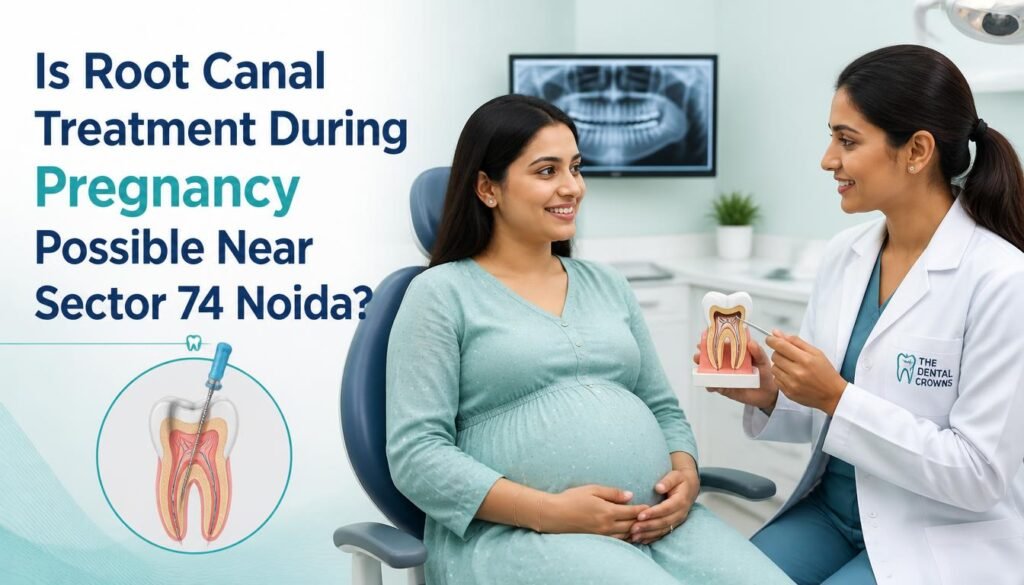
Pregnancy brings many changes to your body, including changes that can affect your oral health. Hormonal fluctuations, morning sickness, frequent snacking and acid exposure from vomiting may increase the risk of gum inflammation and tooth decay. If you develop a severe toothache during pregnancy, you may wonder whether dental treatment is safe for you and your baby.
The good news is that root canal treatment during pregnancy is generally considered safe when it is clinically necessary and performed by a qualified dental professional. The American Dental Association (ADA) and the American College of Obstetricians and Gynecologists (ACOG) support providing necessary dental treatment, including root canal therapy, during pregnancy. Delaying treatment for an infection or severe dental pain can lead to more complicated problems.
If you are experiencing persistent tooth pain, swelling or sensitivity, getting an early dental assessment is important. At The Dental Crowns in Noida, patients can discuss their symptoms and medical history with a dental professional to determine the most appropriate treatment.
Is Root Canal Treatment Safe During Pregnancy?
Yes, a root canal can generally be performed during pregnancy when it is needed to treat an infected or severely inflamed tooth. The procedure removes infected or damaged pulp from inside the tooth, cleans and disinfects the root canals, and seals the space to help preserve the natural tooth.
A dentist will assess the severity of the problem, your stage of pregnancy, your medical history and any advice from your obstetrician before recommending treatment.
The main benefits of treating an infected tooth promptly include:
- Relieving pain caused by inflammation or infection.
- Helping prevent the spread of a dental infection.
- Preserving the natural tooth where possible.
- Reducing the likelihood of needing more extensive treatment later.
Pregnancy is not, by itself, a reason to postpone necessary dental care. However, the treatment plan should be individualised, especially if you have a high-risk pregnancy or other medical complications.
Which Trimester Is Best for Root Canal Treatment?
The right time for root canal treatment depends on whether the condition is urgent and your individual health circumstances.
First Trimester
The first trimester is an important period of fetal development. Although necessary dental treatment can be provided during this stage, patients may prefer shorter appointments if they are experiencing nausea, fatigue or morning sickness.
If you have severe tooth pain, an abscess or signs of infection, do not delay seeking dental advice simply because you are in the first trimester. Your dentist can assess the urgency and coordinate with your obstetrician when appropriate.
Second Trimester
The second trimester is often a comfortable period for planned dental appointments. Nausea may have improved, and sitting through treatment may be easier.
When a root canal is needed, the dentist can plan the procedure around your symptoms, pregnancy and clinical needs. The second trimester is not a requirement for treating an emergency; urgent dental care can be provided during any trimester when indicated.
Third Trimester
Root canal treatment can also be performed during the third trimester when necessary. However, lying flat for an extended period may be uncomfortable for some pregnant patients.
Your dentist may adjust the chair position, schedule a shorter appointment or arrange breaks to improve comfort. Inform the dental team if you feel dizzy, breathless or uncomfortable during treatment.
Important: There is no universal rule that you must wait until the second trimester for an urgent root canal. Your dentist will determine the safest and most appropriate approach for your circumstances.
Why Might You Need a Root Canal During Pregnancy?
A root canal may be recommended when the pulp inside a tooth becomes severely inflamed, infected or damaged. This can happen because of deep tooth decay, a crack, dental trauma or a previous restoration that has failed.
Watch for these warning signs:
- Persistent or throbbing toothache.
- Pain when biting or chewing.
- Sensitivity to hot or cold that lingers after the trigger is removed.
- Swelling or tenderness around the affected tooth.
- A pimple-like swelling on the gum.
- A tooth that becomes discoloured or painful without an obvious cause.
Not every toothache requires a root canal. Cavities, gum problems and other dental conditions can produce similar symptoms. A dental examination is needed to identify the cause.
If you develop facial swelling, fever, rapidly worsening pain or difficulty swallowing or breathing, seek urgent medical or dental care. Difficulty breathing or swallowing is an emergency.
Are Dental X-Rays Safe During Pregnancy?
Dental X-rays may be necessary to identify the extent of tooth damage, locate an infection and plan root canal treatment accurately.
The ADA and ACOG consider clinically indicated dental radiographs safe during pregnancy when appropriate professional precautions are followed. The dentist should take only the images needed to guide diagnosis and treatment.
Tell your dentist that you are pregnant before any examination or procedure. They can review whether an X-ray is necessary and follow current radiation-safety guidance and applicable local protocols.
Is Local Anaesthesia Safe for a Root Canal During Pregnancy?
Local anaesthesia is commonly used during root canal treatment to numb the affected area and help keep the procedure comfortable.
According to the ADA, local anaesthetics such as lidocaine, with or without epinephrine, may be used during pregnancy when clinically appropriate. Your dentist will select the medication and dose based on your health history and treatment requirements.
Make sure your dentist knows about:
- Your current stage of pregnancy.
- Any pregnancy-related complications.
- Allergies or previous reactions to anaesthesia.
- All medicines, supplements and vitamins you take.
- Advice or restrictions provided by your obstetrician.
Do not take leftover antibiotics, painkillers or other medication without professional guidance. Some medicines require particular caution during pregnancy.
What Precautions Should You Take Before a Root Canal?
A few simple steps can help your dental team plan your treatment appropriately.
- Inform your dentist: Tell them how many weeks pregnant you are and whether your pregnancy has any complications.
- Share your medical history: Mention existing conditions, allergies and all medicines or supplements you use.
- Discuss your obstetrician’s advice: Coordination is particularly important for high-risk pregnancies or complex treatment decisions.
- Explain your symptoms clearly: Describe the location, duration and severity of the pain, along with any swelling or fever.
- Ask about medications: Confirm which pain relievers, antibiotics or other medicines are suitable for you.
- Prioritise comfort: Request breaks or a more comfortable chair position if you experience nausea, dizziness or back discomfort.
Your dentist may complete the root canal in one or more appointments, depending on the infection and complexity of the tooth. A temporary or permanent restoration may be required to protect the treated tooth.
What Happens If You Delay Root Canal Treatment Until After Delivery?
Waiting may be appropriate for certain elective procedures, but a painful or infected tooth should not automatically be left untreated until after childbirth.
An untreated dental infection can worsen and may cause increasing pain, swelling, an abscess or the need for more extensive treatment. Dental pain can also interfere with eating, sleeping and daily activities.
The decision to proceed or postpone should be made after an examination. If the dentist identifies an infection or a condition that requires immediate care, the benefits of treating it generally outweigh the risks of leaving it untreated.
If you are unsure whether your symptoms are urgent, contact a dental professional rather than relying on home remedies alone.
How Can You Maintain Good Oral Health During Pregnancy?
Maintaining oral hygiene can help reduce the risk of tooth decay and gum disease throughout pregnancy.
- Brush twice daily with fluoride toothpaste.
- Clean between your teeth once a day using floss or an appropriate interdental cleaner.
- Limit frequent sugary snacks and drinks.
- If you experience morning sickness, rinse your mouth with water after vomiting and avoid brushing immediately, as stomach acid can temporarily soften enamel.
- Drink water regularly and maintain balanced meals.
- Arrange dental check-ups and seek advice when symptoms develop.
Pregnancy does not mean you should avoid routine dental care. Preventive examinations and timely treatment can help protect your oral health before and after delivery.
Where Can You Get Root Canal Treatment in Noida?
If you are pregnant and experiencing tooth pain, choose a dental clinic that can assess your symptoms, review your pregnancy-related medical information and explain the available treatment options.
The Dental Crowns offers dental services, including root canal treatment, in Noida. You can visit the clinic website to explore its services and contact the team for an appointment.
- Website: https://thedentalcrowns.in/
- Services: https://thedentalcrowns.in/services/
- Contact number listed on the website: +91 89202 71787
When booking, mention that you are pregnant and share your main symptoms so the clinic can advise you on the next steps. Your dentist may recommend coordination with your obstetrician, depending on your medical history and treatment needs.
Frequently Asked Questions
1. Can you get root canal treatment during pregnancy?
Yes. Necessary root canal treatment is generally considered safe during pregnancy. A dentist will assess your condition, choose appropriate medications and determine the best treatment plan.
2. Is root canal treatment safe in the first trimester?
Necessary dental treatment, including root canal therapy, can be provided during the first trimester. If you have severe pain or an infection, seek an assessment promptly rather than waiting until the second trimester.
3. Can dental anaesthesia harm my unborn baby?
Commonly used local anaesthetics, including lidocaine when appropriately administered, may be used during pregnancy. Your dentist will consider your medical history and select an appropriate medication and dose.
4. Are dental X-rays necessary for a root canal during pregnancy?
A dental X-ray may be needed to diagnose the problem and plan treatment. Clinically indicated dental radiographs are considered safe during pregnancy when handled according to appropriate professional guidance.
5. Can I take antibiotics after a root canal while pregnant?
Some antibiotics can be prescribed during pregnancy, but the choice depends on the infection, your medical history and your stage of pregnancy. Take only medicines prescribed by a qualified healthcare professional.
6. Can I wait until delivery to treat an infected tooth?
Not necessarily. Delaying treatment for an infection can allow the problem to worsen. Contact a dentist promptly so they can assess the urgency and recommend an appropriate course of action.
7. Does every toothache during pregnancy require a root canal?
No. Toothache may be caused by cavities, gum inflammation, a cracked tooth or other conditions. An examination is needed to establish the cause and determine whether a root canal is appropriate.
8. When should I seek urgent dental care during pregnancy?
Seek prompt care for severe or persistent pain, swelling, pus or fever. Facial swelling with difficulty swallowing or breathing requires emergency care.
Conclusion
Can you get root canal treatment during pregnancy? In most cases, yes, when the treatment is clinically necessary. Evidence-based dental guidance supports treating urgent dental conditions during pregnancy rather than allowing pain or infection to worsen.
The safest next step is to consult a qualified dentist, explain your pregnancy and medical history, and discuss any concerns with your obstetrician when appropriate. With an individualised treatment plan, you can address dental problems while taking your health and your baby’s wellbeing into account.
If you are experiencing persistent tooth pain, contact The Dental Crowns in Noida to discuss an assessment and suitable treatment options.
Medical disclaimer: This article is for educational purposes and does not replace a dental examination or personalised advice from your dentist and obstetrician.