Have you recently received a dental crown and noticed that your favourite food tastes different? Perhaps you have experienced a metallic taste in your mouth, an unusual aftertaste, or a change in how you enjoy hot and cold foods. If so, you may be wondering, why does food taste different after getting a dental crown?
A dental crown is designed to protect a damaged tooth, restore its shape, and improve chewing function. However, some people notice temporary changes in taste or mouth sensation after crown placement. These changes may be related to the dental procedure, temporary materials, changes in the way your teeth meet, gum irritation, or an unrelated oral health issue.
Understanding the possible causes can help you determine what is normal during recovery and when you should consult your dentist. In this guide, The Dental Crowns explains the common reasons behind taste changes after dental crown treatment and shares practical aftercare advice.
Can a Dental Crown Change the Way Food Tastes?
Yes, some people notice a change in taste after dental treatment, including getting a dental crown. However, a permanent crown does not usually change your taste permanently.
Your experience may depend on the crown material, the condition of the treated tooth, the procedure performed, and your overall oral health. For example, a temporary crown may feel different from a permanent crown, while sensitivity in the treated tooth can make certain foods less enjoyable.
It is also important to understand that taste changes do not always originate from the crown itself. Medications, dry mouth, oral infections, and other dental conditions can affect your sense of taste.
7 Reasons Why Food May Taste Different After Getting a Dental Crown
1. The Crown Material May Affect Your Taste Perception
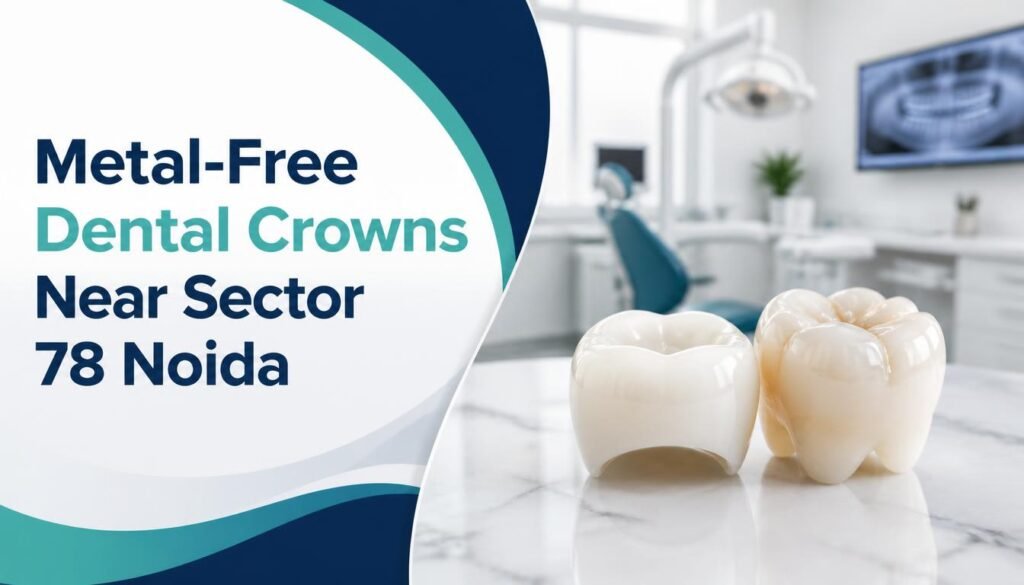
Dental crowns are made from materials such as porcelain, ceramic, zirconia, and metal alloys. Some people report a metallic taste after receiving certain types of dental restorations.
Although metal-containing crowns can sometimes be associated with a metallic sensation, the presence of a crown does not automatically mean that the material is causing the problem. Other factors, including oral irritation and medications, may contribute.
If you experience a persistent metallic or bitter taste, ask your dentist to assess the crown and consider other possible causes.
2. Temporary Dental Cement May Leave an Unusual Taste
During crown treatment, your dentist may use temporary cement to hold a provisional crown in place before the permanent restoration is fitted.
You may notice an unfamiliar taste following the procedure because of the temporary materials used or residue around the treated area. This sensation should not be assumed to be harmless if it continues or becomes unpleasant.
If the taste persists, becomes stronger, or is accompanied by a loose crown or discomfort, contact your dentist rather than attempting to remove or clean beneath the crown yourself.
3. Gum Irritation After Crown Placement
Your gums may feel tender or irritated after crown preparation and placement. This can happen when the surrounding tissues are disturbed during treatment.
Inflamed gums, bleeding, or plaque accumulation can also contribute to an unpleasant taste or bad breath. In some cases, the crown’s edges or fit may need to be evaluated.
Maintain gentle oral hygiene around the treated tooth. If gum swelling, bleeding, or an unpleasant taste continues instead of improving, arrange a dental examination.
4. Tooth Sensitivity Can Change Your Eating Experience
Sensitivity is another possible reason food may seem different after a dental crown.
Following crown preparation, some people experience temporary sensitivity to cold drinks, hot beverages, sweet foods, or pressure when chewing. This can make familiar foods feel uncomfortable even when their actual flavour has not changed.
Sensitivity may gradually improve as the tooth and surrounding tissues recover. However, persistent, worsening, or spontaneous pain should not be ignored.
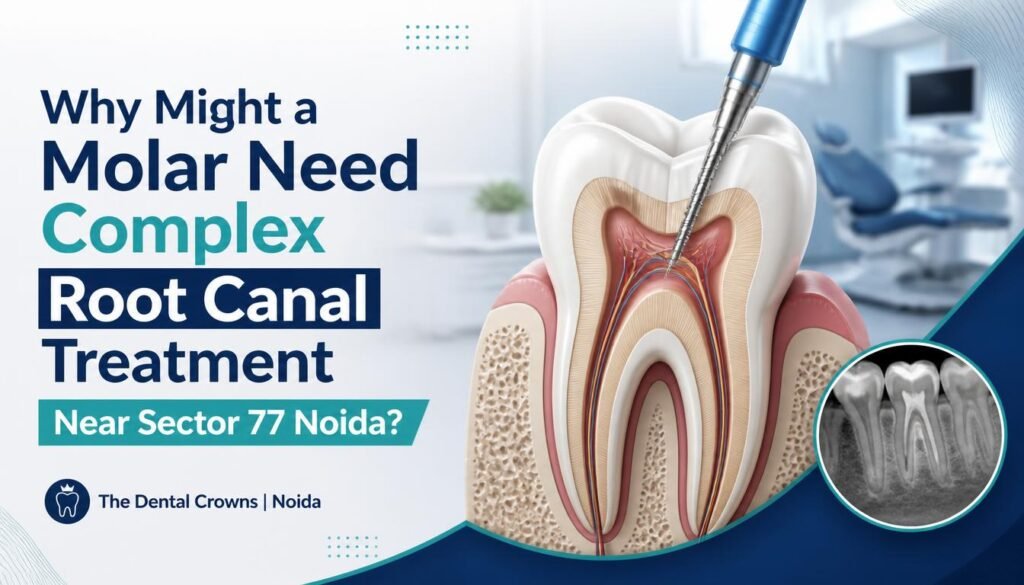
For more information about related dental treatment, explore our root canal treatment services in Noida.
5. Your Bite May Feel Different After Crown Placement
A newly placed crown can feel unfamiliar because its shape and contact with neighbouring teeth may differ slightly from your previous tooth.
If the crown is too high or contacts the opposing tooth prematurely, chewing may feel uncomfortable. This may change your eating experience and make certain foods less pleasant.
A crown that feels too high, causes pain when biting, or prevents your teeth from meeting comfortably should be checked by your dentist. Do not attempt to adjust the crown yourself.
6. Dry Mouth or Medication May Be Affecting Your Taste
Your sense of taste depends partly on saliva, which helps dissolve food chemicals so your taste receptors can detect them.
Dry mouth can make food taste bland, unusual, or unpleasant. Certain medications, including some antibiotics and antihistamines, can also cause taste disturbances.
If you have recently undergone dental treatment and started taking medication, the timing may help your healthcare professional identify the cause.
Drink water regularly unless you have been advised to restrict fluids. Do not stop prescribed medication without consulting the clinician who prescribed it.
7. An Underlying Dental Problem May Be Responsible
An unpleasant taste after crown placement can sometimes indicate an issue that requires professional attention.
Possible causes include:
- Food and plaque accumulating around the crown.
- Gum inflammation or infection.
- A loose, damaged, or poorly fitting crown.
- Decay affecting the tooth around the restoration.
- Infection involving the treated tooth or surrounding tissues.
A crown is intended to protect a tooth, but it cannot eliminate every possible dental problem. Your dentist may examine the crown margins, gums, bite, and underlying tooth to identify the cause.
For additional information about dental crowns and their possible complications, consult the Cleveland Clinic’s dental crown guide.
How Long Does a Strange Taste Last After Getting a Dental Crown?
The duration depends on what is causing the taste change.
A temporary unfamiliar sensation following treatment may improve as the mouth recovers. Mild sensitivity can sometimes last for a couple of weeks, but a persistent metallic taste or bad taste should not automatically be considered part of normal healing.
Consider these general guidelines:
- Immediately after treatment: An unusual sensation may be related to the procedure or temporary materials.
- During the first few days: Mild gum tenderness or sensitivity may gradually improve.
- After the initial recovery period: Persistent or worsening taste changes warrant a dental assessment.
- At any time: Significant pain, swelling, pus, fever, or a loose crown requires prompt professional advice.
There is no single recovery timeline that applies to every patient. Your dentist can determine whether the symptoms are consistent with normal healing.
How to Get Rid of a Bad or Metallic Taste After a Dental Crown
If food tastes different after crown placement, the following measures may help while you monitor your symptoms.
Maintain Good Oral Hygiene
Brush twice daily with a soft-bristled toothbrush and clean carefully around the crown. Clean between your teeth every day using floss or an appropriate interdental cleaner.
Stay Hydrated
Drink water regularly to help manage dry mouth. If your mouth feels persistently dry, discuss possible causes with your dentist or doctor.
Choose Comfortable Foods
If the treated tooth is sensitive, try softer foods at a comfortable temperature. Avoid very hot or cold foods if they trigger discomfort.
Avoid Irritating the Treated Tooth
Avoid chewing hard or sticky foods with a temporary crown, and follow the specific aftercare instructions given by your dentist.
Schedule a Dental Check-Up
If the taste does not improve, ask your dentist to check the crown’s fit, surrounding gums, bite, and underlying tooth. A professional examination is more reliable than trying to diagnose the cause from taste alone.
For evidence-based information about taste disturbances and oral health, see the National Institute of Dental and Craniofacial Research guide to taste disorders.
When Should You Visit a Dentist?
Contact your dentist if you experience any of the following after getting a dental crown:
- A persistent metallic, bitter, or foul taste.
- Bad breath that does not improve with oral hygiene.
- Pain when chewing or biting down.
- Increasing tooth sensitivity.
- Swollen, bleeding, or tender gums around the crown.
- A loose, cracked, or displaced crown.
- Pus or discharge around the treated tooth.
Seek urgent dental or medical care if you develop facial swelling with fever or other signs of spreading infection. Difficulty breathing or swallowing, particularly with facial or neck swelling, requires emergency medical attention.
Early assessment can help identify whether the issue is related to the crown or another oral health condition.
Frequently Asked Questions
1. Is it normal for food to taste metallic after getting a dental crown?
Some people experience a metallic taste after dental treatment, particularly when metal-containing materials are involved. However, the crown material is not always the cause. Persistent or worsening symptoms should be evaluated by a dentist.
2. Can a porcelain or zirconia crown change my sense of taste?
Porcelain and zirconia crowns are not generally expected to cause a lasting change in taste. If you notice a strange taste after receiving one, your dentist can assess other possible causes, including gum irritation, cement residue, dry mouth, and infection.
3. Why does everything taste bitter after dental crown treatment?
A bitter taste can have several causes, including medications, dry mouth, oral hygiene problems, gum inflammation, and other dental conditions. The timing of your symptoms and a clinical examination can help determine the likely cause.
4. Can a dental crown cause bad breath?
A crown itself should not automatically cause bad breath. However, plaque accumulation, gum inflammation, food retention, or a problem with the crown’s fit may contribute to unpleasant breath and taste.
5. Should I replace my dental crown if food tastes different?
Not necessarily. Taste changes alone do not mean that a crown needs replacement. Your dentist should first identify the underlying cause and determine whether the crown requires adjustment, repair, or replacement.
6. Can a root canal and dental crown together affect taste?
Some patients notice changes in mouth sensation following combined dental procedures. These may be related to temporary materials, medications, or healing rather than the crown itself. Persistent symptoms require professional evaluation.
7. How can I keep my dental crown clean?
Brush twice daily, clean between your teeth daily, and attend regular dental check-ups. Follow your dentist’s instructions for caring for your specific restoration.
Restore Your Comfort with Professional Dental Care in Noida
A dental crown should help restore the function and appearance of a damaged tooth. If you notice that food tastes different after getting a dental crown, the cause may be temporary, but persistent symptoms deserve attention.
At The Dental Crowns, patients can seek professional advice about dental crowns, tooth sensitivity, gum concerns, and related restorative treatments.
If you are experiencing a metallic taste, bad breath, discomfort while chewing, or ongoing sensitivity after crown placement, arrange a dental consultation to understand the cause and appropriate next steps.
Explore our dental services or contact The Dental Crowns to discuss your dental concerns.
The Dental Crowns
Sector 79, Noida, Uttar Pradesh
Phone: +91 89202 71787
Disclaimer: This article is for general educational purposes and does not replace a dental examination or personalised medical advice.