Experiencing persistent tooth pain while chewing, sensitivity to hot or cold foods, or discomfort at the back of your mouth? These symptoms can sometimes indicate a problem with a molar that needs professional dental attention. If the tooth’s inner pulp becomes irreversibly inflamed or infected, your dentist may recommend root canal treatment.
But why can root canal treatment be more complicated in molars than in front teeth?
Molars are the large teeth at the back of your mouth that help grind food. Their position, multiple roots, complex root canal systems, and exposure to considerable chewing forces can make treatment more technically demanding. However, with proper diagnosis, careful cleaning, and an appropriate final restoration, root canal treatment can often help preserve a natural molar.
In this guide, we explain the main challenges of molar root canal treatment, what patients can expect during the procedure, and how to care for a treated tooth.
What Is Root Canal Treatment in Molars?
Root canal treatment, also known as root canal therapy or RCT, is a dental procedure used to treat infection or inflammation inside a tooth.
Every tooth contains a soft tissue called dental pulp, which includes nerves and blood vessels. Deep tooth decay, cracks, trauma, or repeated dental procedures can damage this tissue.
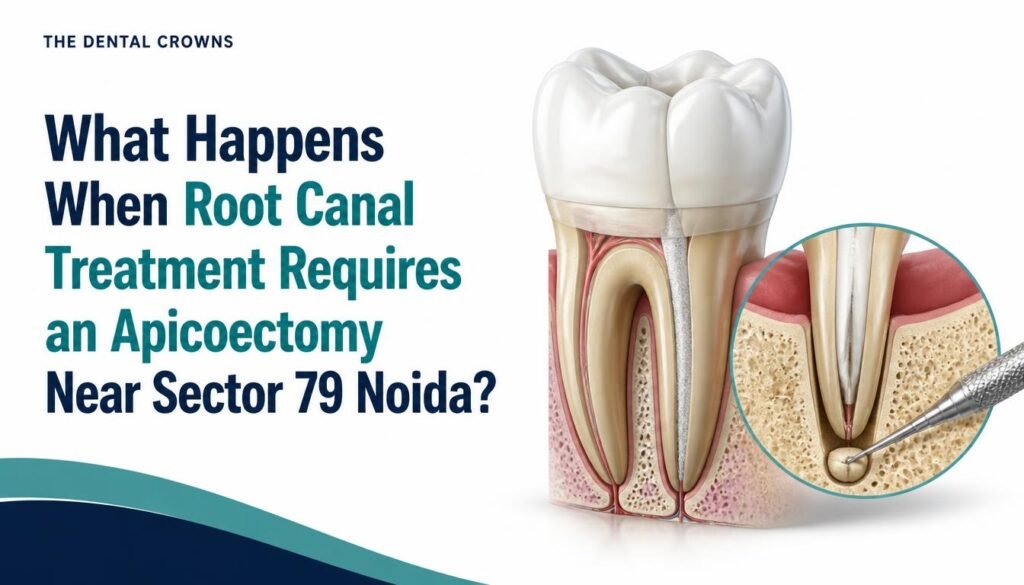
During root canal treatment, the dentist removes the affected pulp, cleans and disinfects the root canal system, and fills and seals the canals. The tooth is then restored with a suitable filling or, when indicated, a dental crown.
The main objective is to control the infection and preserve the natural tooth whenever it can be predictably restored.
You can learn more about the procedure on our Painless Root Canal Treatment page.
7 Reasons Why Root Canal Treatment Can Be More Complicated in Molars
1. Molars Usually Have Multiple Roots and Canals
One of the biggest challenges in molar root canal treatment is the anatomy of the tooth.
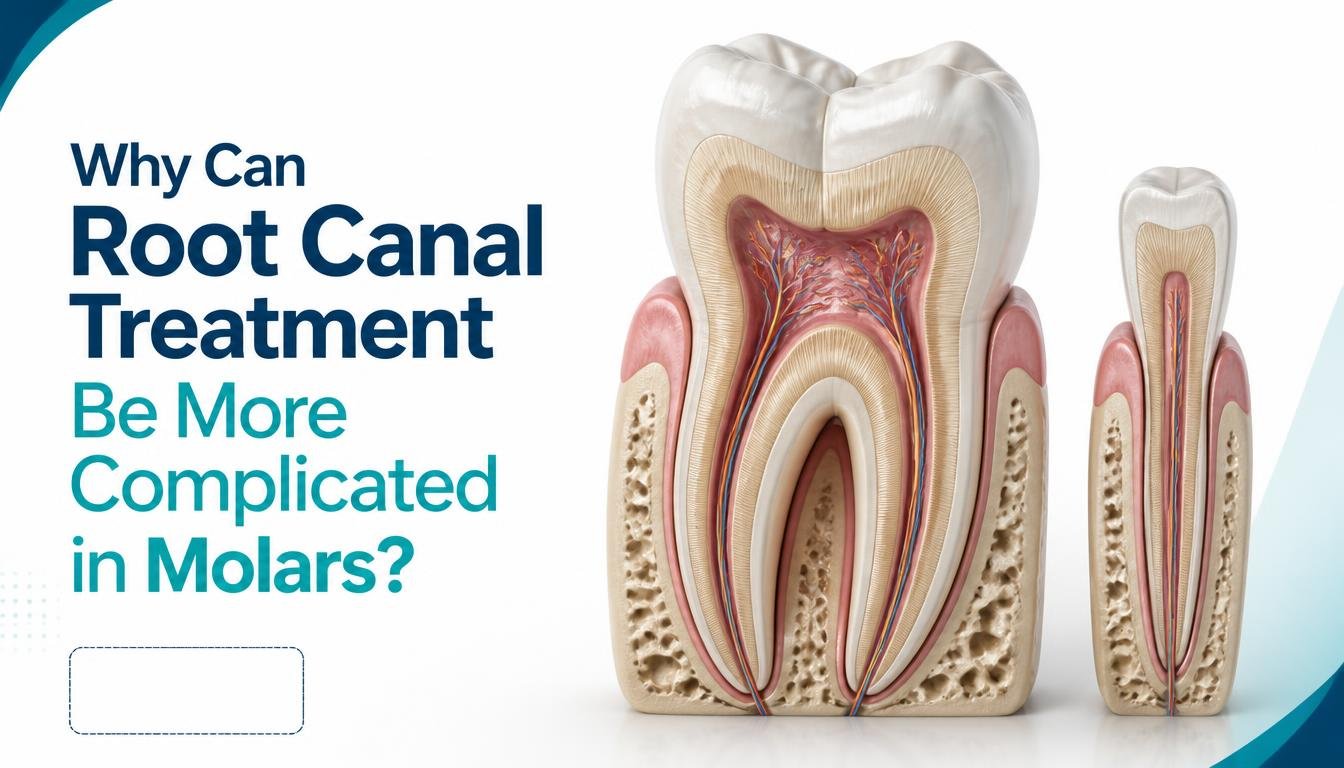
Unlike many front teeth, which typically have one root and one main canal, molars often have multiple roots and several canals. Upper molars commonly have three roots, while lower molars commonly have two, although variations are possible.
Each canal must be located, cleaned, shaped, and sealed appropriately. If a canal is missed, infected tissue or bacteria may remain inside the tooth and contribute to persistent disease.
This is why a dentist must carefully examine the tooth’s internal anatomy before and during treatment.
2. Root Canals May Be Narrow, Curved, or Difficult to Locate
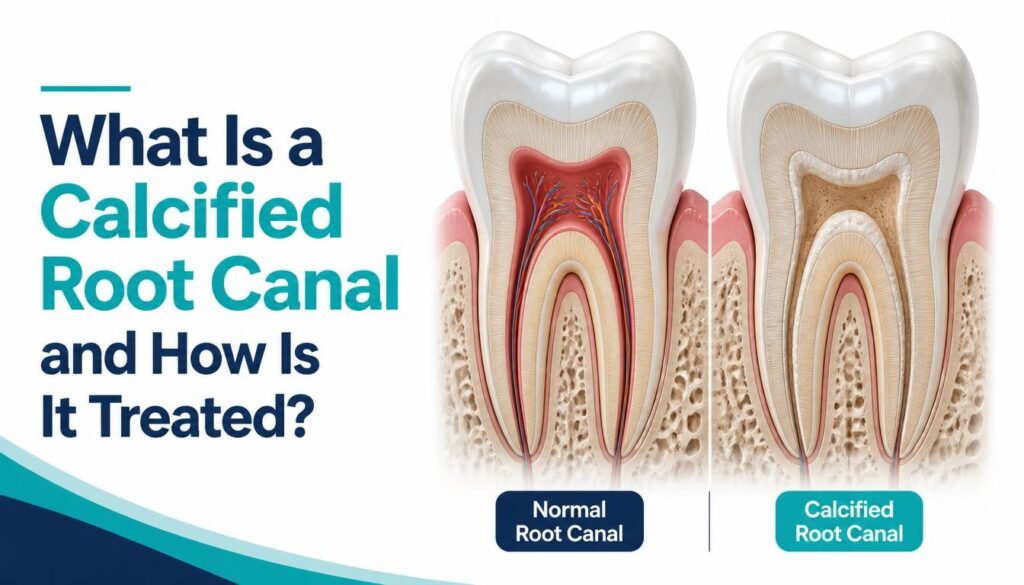
Molar root canals are not always straight, wide passages. Some are extremely narrow, curved, or partially calcified.
These anatomical features can make it harder for the dentist to access and clean the entire canal system. Instruments must be used carefully to reduce the risk of procedural complications, such as creating an unintended pathway or separating an instrument inside a canal.
Dental X-rays, appropriate magnification, and other diagnostic methods when indicated can help the dentist understand the tooth’s structure and plan the treatment.
3. Some Molars Have Hidden or Additional Canals
A molar may contain additional canals that are difficult to identify during a routine examination.
For example, some upper molars have an additional canal known as the second mesiobuccal canal, or MB2. Its location and configuration can vary between teeth.
Finding all clinically relevant canals is essential because untreated spaces can harbour bacteria and infected tissue.
4. Molars Are Located at the Back of the Mouth
The position of molars can make access more challenging. They are farther back in the mouth, and visibility and instrument positioning may be more difficult, depending on the patient’s mouth opening and the tooth’s location.
The dentist must establish suitable access while preserving as much healthy tooth structure as possible.
A proper working environment, isolation of the tooth, suitable instruments, and careful technique are important for effective treatment.
5. The Extent of Infection Can Increase Treatment Complexity
A molar with deep decay or infection around its roots may need more extensive assessment and treatment planning.
The dentist may need to evaluate the condition of the pulp, surrounding bone and tissues, existing restorations, and whether the tooth can be restored after treatment.
If there is an abscess, significant swelling, or persistent infection, additional management may be necessary. The treatment plan depends on the clinical findings rather than the tooth’s location alone.
Early assessment is important because delaying care can allow dental problems to progress.
6. Molars Experience Heavy Chewing Forces
Molars perform much of the grinding and crushing involved in chewing. This places them under substantial biting forces.
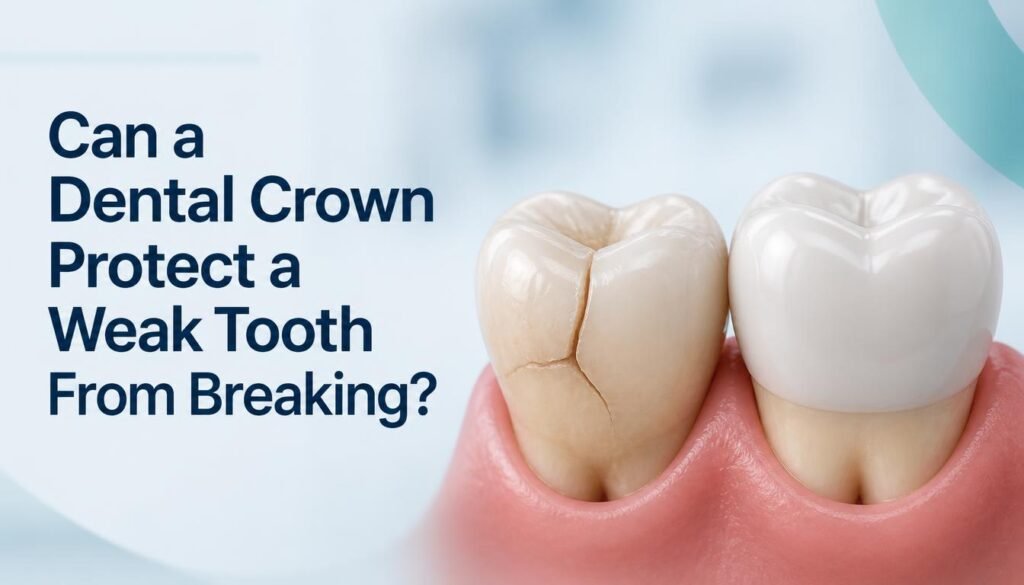
After root canal treatment, a molar may be more vulnerable to fracture if extensive decay, a large cavity, or previous dental work has weakened its remaining structure.
For this reason, the dentist will assess how much healthy tooth remains and determine the most appropriate restoration.
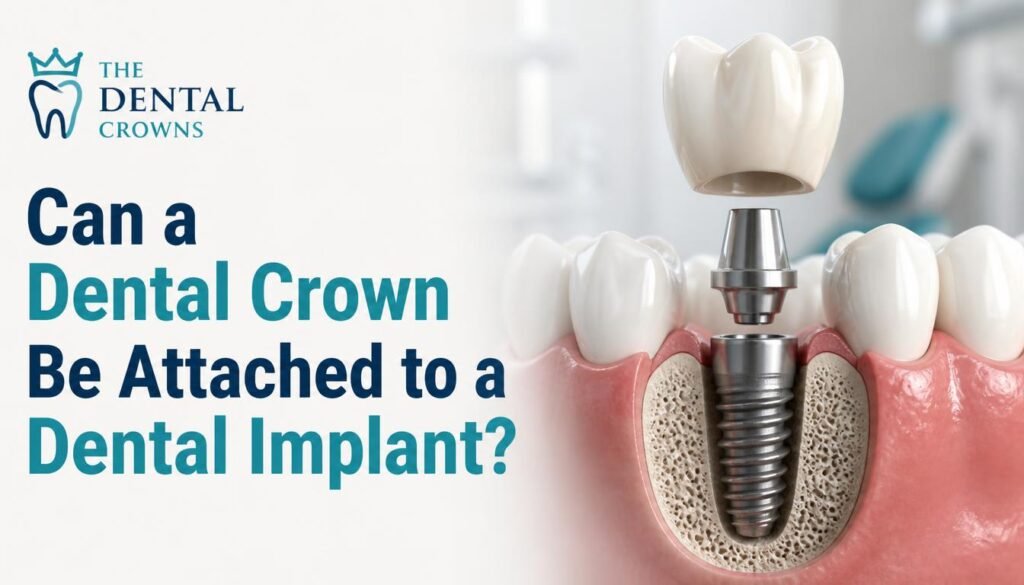
A dental crown may be recommended to protect a substantially weakened molar and restore its shape and function. Not every root canal-treated tooth automatically requires a crown; the decision depends on the tooth’s condition and the restoration needed.
Explore our Porcelain Crowns and restorative dentistry services to learn more about available treatment options.
7. The Tooth May Require More Detailed Planning or Multiple Visits
Not every molar root canal is complicated, and some cases can be completed in one appointment. However, treatment may require additional time or visits when the canals are difficult to locate, the anatomy is unusual, infection needs further management, or retreatment is necessary.
The dentist must balance thorough cleaning and sealing with the preservation of healthy tooth structure.
A treatment plan should therefore be based on the individual tooth, the severity of the problem, and the clinical findings—not on a fixed number of appointments.
Is Root Canal Treatment in Molars More Painful?
Molar root canal treatment is not necessarily more painful than treatment on other teeth.
Modern local anaesthesia is used to help keep patients comfortable during the procedure. You may feel pressure or vibration, but you should tell your dentist if you experience pain so that it can be addressed.
After treatment, mild tenderness or discomfort may occur for a few days. The level of discomfort varies depending on the original inflammation, infection, and individual response.
Severe or worsening pain, increasing swelling, fever, or difficulty swallowing requires prompt professional assessment. Difficulty breathing or rapidly spreading swelling requires emergency medical attention.
What Happens During a Molar Root Canal Procedure?
Although the exact process varies, molar root canal treatment generally involves the following steps:
Step 1: Dental examination and diagnosis
The dentist reviews your symptoms, examines the tooth, and uses dental imaging when appropriate to assess the roots and surrounding tissues.
Step 2: Local anaesthesia
The affected area is numbed to improve comfort during treatment.
Step 3: Access to the pulp chamber
A small opening is made in the tooth to reach the pulp chamber and root canals.
Step 4: Locating and cleaning the canals
The dentist identifies the canals, removes the affected pulp, and cleans and shapes the canal system using appropriate instruments and disinfecting solutions.
Step 5: Filling and sealing
Once the canals have been adequately prepared, they are filled and sealed to help prevent reinfection.
Step 6: Restoring the tooth
A temporary or permanent filling is placed as appropriate. If the tooth needs additional protection, a crown or another suitable restoration may be recommended.
Step 7: Follow-up care
The dentist explains aftercare and arranges follow-up when needed to assess healing and the restoration.
Why Is a Dental Crown Sometimes Needed After Molar Root Canal Treatment?
A molar can lose a significant amount of its natural structure because of decay, cracks, or the access opening required for treatment.
Since molars experience strong chewing forces, a tooth that has been substantially weakened may need a crown to reduce the risk of fracture and restore normal function.
The need for a crown depends on several factors:
- How much healthy tooth structure remains
- The size and position of the cavity
- Whether the tooth has cracks or existing restorations
- The patient’s bite and chewing forces
- The dentist’s assessment of long-term restorability
When recommended, the final restoration should be completed within the timeframe advised by the dentist. Leaving a weakened tooth without its planned restoration can increase the risk of damage.
Read more about dental crown treatment options at The Dental Crowns.
How Can You Care for a Tooth After Molar Root Canal Treatment?
Good aftercare helps protect the treated tooth and supports recovery.
- Avoid chewing hard foods on the treated side: Follow your dentist’s instructions, especially while a temporary filling is in place.
- Brush and floss carefully: Keep the tooth and surrounding gums clean.
- Complete the recommended restoration: Do not delay a planned permanent filling or crown.
- Attend follow-up appointments: These allow the dentist to assess healing and check the restoration.
- Report unusual symptoms: Persistent pain, swelling, a damaged filling, or a loose crown should be evaluated.
Root canal treatment does not make a tooth immune to future decay or fractures. Regular dental check-ups and good oral hygiene remain important.
When Should You Visit a Dentist for Molar Pain?
Arrange a dental appointment if you experience persistent toothache, pain when biting, lingering sensitivity to hot or cold, a cracked molar, or swelling around a tooth.
These symptoms do not always mean that you need a root canal. A dental examination is necessary to identify the cause and determine the most appropriate treatment.
If you are looking for root canal treatment in Noida, The Dental Crowns provides dental care from its clinic at Civitech Stadia, Sector 79, Noida. A consultation can help determine whether root canal treatment, another procedure, or a restorative option is appropriate for your condition.
Visit our root canal treatment service page or contact The Dental Crowns to enquire about an appointment.
Frequently Asked Questions
1. Why is root canal treatment more complicated in molars?
Molars often have multiple roots, several canals, and complex internal anatomy. Narrow or curved canals, hidden additional canals, and limited access can make treatment more technically demanding.
2. How many canals does a molar have?
The number varies. Molars commonly have three or four canals, but some have fewer or additional canals. The exact anatomy can only be assessed for the individual tooth.
3. Does molar root canal treatment take longer?
It can take longer than treatment on a simpler tooth because the dentist may need additional time to locate, clean, and seal multiple canals. Appointment length and the number of visits depend on the case.
4. Is molar root canal treatment painful?
Local anaesthesia is used to help keep treatment comfortable. Some tenderness may occur afterward, but severe or worsening pain should be assessed by a dentist.
5. Will I need a crown after a molar root canal?
A crown is often considered when a molar has lost substantial tooth structure, but it is not automatically required in every case. Your dentist will recommend a restoration based on the remaining tooth structure and fracture risk.
6. Can a molar be saved with root canal treatment?
Many molars can be preserved with root canal treatment when the infection can be managed and the tooth can be restored. The outcome depends on factors such as the tooth’s condition, the quality of treatment, and the final restoration.
7. What happens if a root canal misses a canal?
An untreated canal may contain bacteria or infected tissue and contribute to persistent or recurring disease. Further assessment may identify whether retreatment or another procedure is appropriate.
8. When should I seek urgent care for molar pain?
Seek prompt dental assessment for significant pain or swelling, particularly if symptoms are worsening. Fever or spreading swelling needs urgent evaluation, while difficulty breathing or swallowing requires emergency care.
Conclusion
Root canal treatment in molars can be more complicated because these teeth often have multiple roots, narrow or curved canals, hidden anatomical features, and substantial chewing loads. Careful diagnosis, thorough cleaning and sealing, and the right final restoration are important parts of treatment.
If you have persistent molar pain or sensitivity, do not delay a dental assessment. Early diagnosis can help identify the cause of the problem and determine whether the tooth can be preserved.
For dental consultation and root canal treatment in Noida, contact The Dental Crowns to discuss your symptoms and treatment options.
Medical disclaimer: This article is for general educational purposes and is not a substitute for an individual dental examination or professional advice.