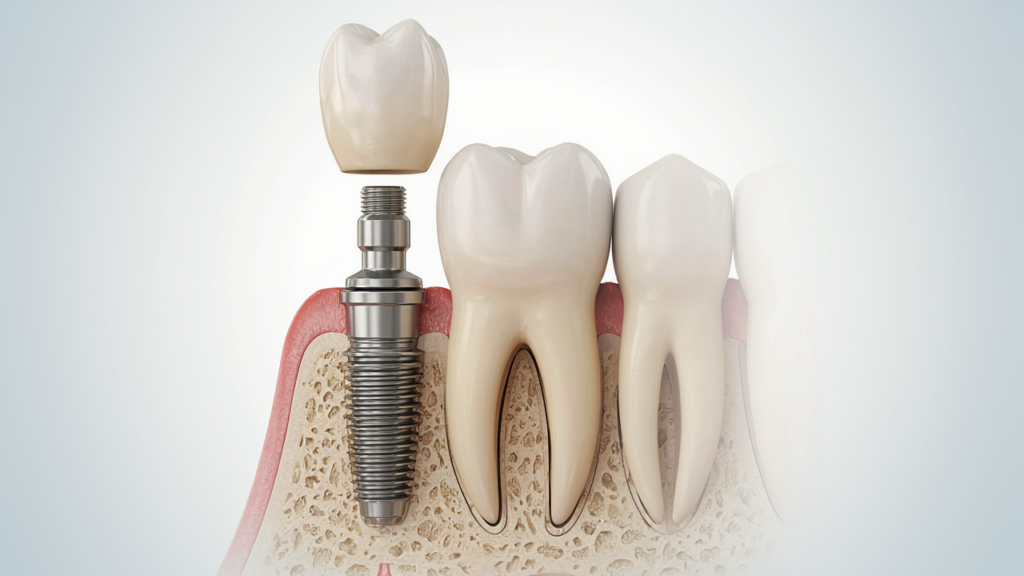
Yes, a dental crown can be attached to a dental implant. In fact, a crown is one of the most common ways to replace a single missing tooth with a dental implant. The implant acts as an artificial tooth root, while the crown is the visible, tooth-shaped restoration that helps restore your smile and chewing function.
If you have lost a tooth because of decay, an injury or another dental problem, you may be wondering how an implant-supported crown works, how it is attached and how long the treatment takes. Understanding these steps can help you have a more informed conversation with your dentist.
At The Dental Crowns, patients can learn about dental implant treatment and the available options for restoring missing teeth.
How Is a Dental Crown Attached to a Dental Implant?
A dental crown is usually attached to a dental implant through a small connector called an abutment. The implant is placed in the jawbone, and after the appropriate healing period, the dentist connects the abutment and secures the custom-made crown.
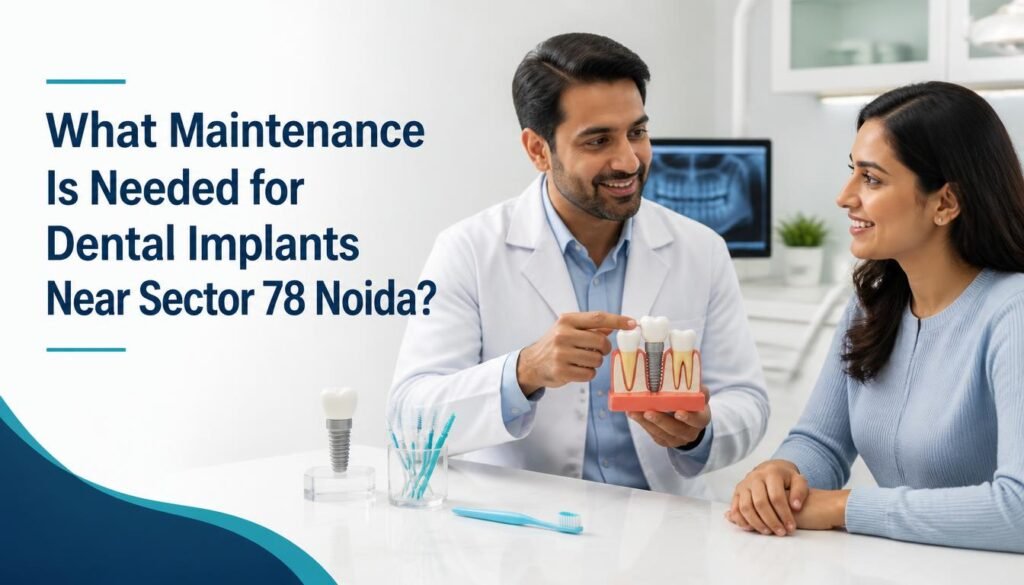
A typical implant-supported crown has three main components:
- Dental implant: A small post, commonly made from titanium or another biocompatible material, that is placed in the jawbone to replace the missing tooth root.
- Abutment: The connector that joins the implant to the crown.
- Dental crown: The visible artificial tooth, designed to fit the surrounding teeth in shape, size and colour.
These components work together to provide a stable replacement for a missing tooth. The exact design depends on your oral health, the implant system and your dentist’s treatment plan.
What Is the Process of Attaching a Crown to a Dental Implant?
The procedure is planned according to the condition of your gums, jawbone and overall oral health. Here are the main stages.
1. Dental Examination and Treatment Planning
The dentist examines your mouth, reviews your medical and dental history, and may take dental X-rays or a 3D scan to assess the available bone and implant position.
This assessment helps determine whether you are a suitable candidate for dental implant treatment. If there is insufficient bone, additional treatment, such as bone grafting, may sometimes be recommended.
2. Placement of the Dental Implant
The implant is surgically placed in the jawbone at the site of the missing tooth. Local anaesthesia is generally used to help manage discomfort during the procedure.
After placement, the implant needs time to integrate with the surrounding bone. This biological process is known as osseointegration.
3. Healing and Bone Integration
Healing time varies from patient to patient. Depending on the implant location, bone quality and treatment plan, the dentist may recommend waiting several months before placing the final crown.
In selected cases, a temporary restoration or an earlier-loading approach may be possible. However, immediate placement of a final crown is not appropriate for every patient.
4. Placement of the Abutment
Once the implant is sufficiently stable, the dentist connects the abutment. This component provides the foundation on which the crown will be secured.
Some implant systems use an abutment that is separate from the implant, while other designs may combine components. Your dentist will select the appropriate option for your case.
5. Fitting the Permanent Dental Crown
The dentist records the shape of your teeth and the implant position using impressions or digital scanning. A dental laboratory or an in-office milling system then produces a crown suited to your bite and smile.
At the fitting appointment, the dentist checks the crown’s fit, appearance and bite. The crown is then secured to the implant system.
The complete process may involve several appointments, particularly when healing time is needed between implant placement and final restoration.
Is a Dental Crown Cemented or Screwed Onto an Implant?
There are two common ways to attach a dental crown to an implant: screw-retained and cement-retained.
Screw-Retained Implant Crown
A screw-retained crown is secured to the implant or its abutment using a small screw. The screw access opening is covered with an appropriate restorative material.
Potential advantages:
- The dentist can usually remove the crown more easily for maintenance or repairs.
- Excess dental cement around the implant crown can be avoided.
- Access to the implant components may be simpler if future adjustments are required.
The small screw access opening needs to be positioned and restored appropriately, particularly in visible areas.
Cement-Retained Implant Crown
A cement-retained crown is attached to an abutment using dental cement.
Potential advantages:
- It can provide a natural-looking result when the implant position would otherwise create an unfavourable screw access opening.
- It may offer flexibility in certain restorative situations.
However, excess cement must be carefully removed because retained cement around an implant can contribute to inflammation of the surrounding tissues.
Neither method is automatically best for every patient. The dentist considers implant position, appearance, bite, maintenance needs and the specific implant system before recommending an attachment method.
Which Dental Crown Material Is Best for an Implant?
The ideal crown material depends on the position of the missing tooth, chewing forces, aesthetic requirements and budget.
Common options include:
- Zirconia crowns: Often selected for their strength and tooth-like appearance, depending on the type of zirconia and clinical situation.
- Porcelain or ceramic crowns: May offer excellent aesthetics, particularly when matching the colour and translucency of neighbouring teeth is important.
- Porcelain-fused-to-metal crowns: Combine a metal framework with a porcelain outer layer, although the appearance and suitability vary by case.
Your dentist will help you compare the available materials and select one that suits your needs. Explore porcelain dental crowns at The Dental Crowns to learn more about crown restoration options.
Can a Crown Be Attached Immediately After Implant Placement?
In some carefully selected cases, a temporary crown can be attached soon after implant placement. This is sometimes called immediate restoration or immediate loading, depending on the timing and clinical protocol.
However, this approach requires suitable conditions, including adequate implant stability and a carefully managed bite. The crown may need to be kept out of heavy chewing contact while the implant heals.
For many patients, the dentist recommends a healing period before attaching the final crown. Attempting to load an implant too early when conditions are unsuitable can interfere with successful healing.
Your dentist will determine the safest timeline after assessing your individual situation.
How Long Does a Dental Implant Crown Last?
A dental implant crown can last many years, but its lifespan depends on the crown material, bite forces, oral hygiene, smoking habits, teeth grinding and regular dental maintenance.
It is important to distinguish the crown from the implant itself. The implant may remain stable for a long time, while the crown or its connecting components may need repair or replacement due to wear, damage or other problems.
To help protect your implant crown:
- Brush twice daily using fluoride toothpaste.
- Clean carefully around the implant and between your teeth every day.
- Use interdental brushes or other cleaning aids recommended by your dentist.
- Attend regular dental check-ups and professional cleanings.
- Avoid chewing hard objects such as ice.
- Discuss a night guard with your dentist if you grind or clench your teeth.
- Avoid smoking and follow your dentist’s post-treatment instructions.
Never ignore a loose crown, a change in your bite, bleeding gums or persistent discomfort around an implant. These symptoms should be assessed by a dental professional.
What Is the Cost of a Dental Crown on an Implant in Noida?
The cost of an implant-supported crown varies according to several factors, including:
- The implant system and components used.
- The crown material selected.
- Whether the implant has already been placed.
- Whether bone grafting or other additional procedures are needed.
- The complexity of the case and the number of teeth being replaced.
Ask for a treatment estimate that clearly explains whether the quoted amount includes the implant, abutment, final crown, diagnostic scans, temporary restoration and follow-up visits.
For an individualised assessment, you can contact The Dental Crowns in Sector 79, Noida to discuss your treatment needs and request information about costs.
Is an Implant-Supported Crown Better Than a Traditional Dental Bridge?
Both treatments can replace missing teeth, but they work differently.
An implant-supported crown is attached to an implant in the jawbone and generally does not require reshaping neighbouring healthy teeth for support. A traditional tooth-supported bridge uses the neighbouring teeth as supporting structures.
An implant may be suitable when there is adequate bone and the patient’s health permits surgery. A bridge may be appropriate in other situations, depending on the condition of the adjacent teeth, the patient’s preferences and the overall treatment plan.
There is no single option that is best for everyone. A dental examination can help determine which solution offers the most appropriate balance of function, appearance, maintenance and cost.
Frequently Asked Questions
1. Can a dental crown be attached to any dental implant?
A crown can be attached to a suitable dental implant using compatible restorative components. The implant must be appropriately positioned and sufficiently stable, and the crown must be designed for the particular implant system.
2. Does attaching a crown to a dental implant hurt?
The fitting of the abutment and crown is generally less invasive than implant surgery. Some patients experience mild soreness or gum tenderness, but discomfort varies. Contact your dentist if pain is severe, persistent or worsening.
3. Can an implant crown become loose?
Yes. The crown, connecting screw or other components can loosen or become damaged. Arrange a dental examination if your crown moves, clicks or feels different. Do not try to tighten or repair it yourself.
4. Can an implant crown be replaced without replacing the implant?
Often, yes. If the implant is stable and healthy, the dentist may be able to replace the crown alone. The decision depends on the condition of the implant, abutment and surrounding tissues.
5. Do implant crowns look like natural teeth?
Modern crowns can be customised to match the colour, shape and size of surrounding teeth. The final appearance depends on the crown material, implant position, gum condition and the quality of the restoration.
6. Is cleaning an implant crown different from cleaning natural teeth?
The basic routine is similar: brush twice daily and clean between your teeth every day. However, the area around an implant may require specific brushes or cleaning techniques recommended by your dentist.
7. How long must I wait before getting my final implant crown?
The timing varies. Some patients may qualify for an earlier restoration, while others need several months for healing and bone integration. Your dentist will recommend a timeline based on clinical findings.
Restore Your Smile With the Right Dental Implant Plan
A dental crown can be attached to a dental implant to replace a missing tooth and restore everyday function. The implant, abutment and crown work together, while the choice of attachment method, crown material and timing depends on your oral health and treatment goals.
If you are considering a dental implant crown, arrange an examination with a qualified dentist to understand your options, expected timeline, maintenance needs and total treatment cost.
Looking for dental implant treatment in Noida? Visit The Dental Crowns or schedule an appointment to discuss your individual needs.
Medical note: This article is for general educational purposes and does not replace a clinical examination or personalised advice from a qualified dental professional.