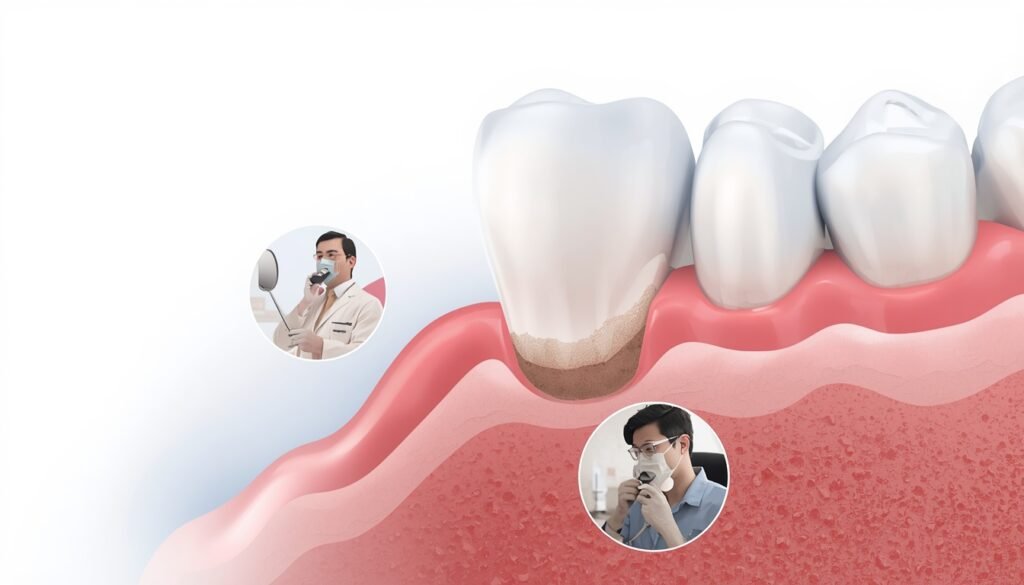
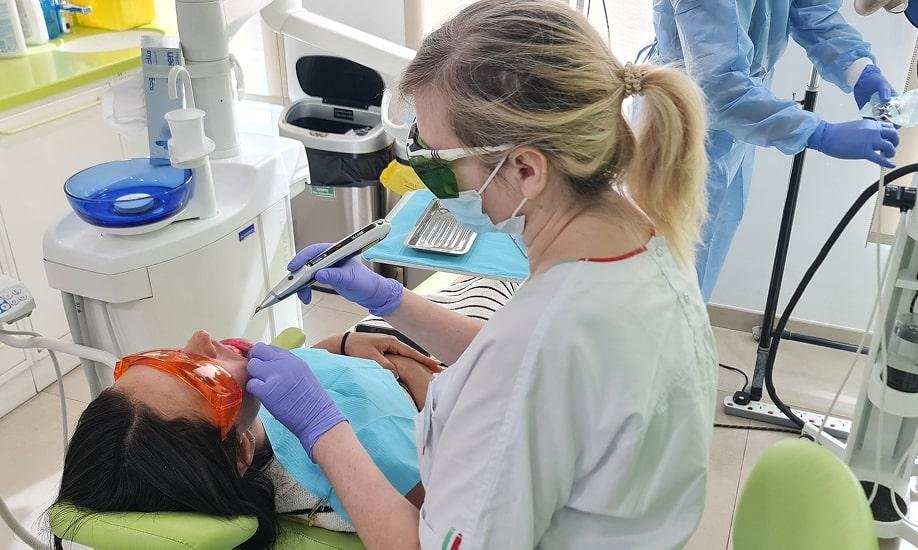
Dental implants are designed to provide a long-lasting solution for missing teeth, but proper care after treatment is essential for maintaining healthy gums, supporting tissues and the implant restoration. If you have recently received dental implants and live in or around Sector 78 Noida, you may be wondering: How do I maintain dental implants after treatment near Sector 78 Noida?
The good news is that caring for dental implants is generally similar to maintaining natural teeth. Daily brushing, cleaning between the teeth and around the implant, regular dental check-ups and good overall oral hygiene can help reduce the risk of complications.
According to the American Academy of Periodontology, dental implants require regular brushing, flossing and professional follow-up because bacteria and plaque can accumulate around an implant and contribute to peri-implant disease.
If you are looking for dental implant treatment or follow-up care near Sector 78 Noida, The Dental Crowns provides dental implant services at its clinic in Sector 79, which is convenient for patients from Sector 78 and nearby Noida sectors.
Why Is Dental Implant Maintenance Important?
A dental implant may be artificial, but the tissues surrounding it are still living tissues. Plaque and bacteria can accumulate around the implant just as they can around natural teeth.
Poor plaque control can contribute to inflammation around the implant. An early condition called peri-implant mucositis affects the soft tissue around the implant. If inflammation progresses and supporting bone begins to deteriorate, it may develop into peri-implantitis.
The American Academy of Periodontology explains that signs of peri-implant disease can include red or tender gums and bleeding during brushing. Early detection and professional monitoring are therefore important.
Proper maintenance is not simply about keeping your replacement tooth looking clean. It is about protecting the gums and bone that support the implant.
How Do I Maintain Dental Implants After Treatment Near Sector 78 Noida?
If you have completed your dental implant treatment, follow these important maintenance steps.
1. Brush Your Teeth Twice a Day
Brush your teeth at least twice a day using a soft-bristled toothbrush and fluoride toothpaste unless your dentist has recommended a different routine.
Pay particular attention to the areas around your implant crown and gumline. Do not brush aggressively because excessive pressure can irritate the gums.
An electric toothbrush may also be useful for some patients, particularly if it helps them maintain a consistent cleaning routine.
2. Clean Between Your Teeth Every Day
Brushing alone does not clean every surface around an implant.
Use an appropriate interdental cleaning method recommended by your dentist. Depending on your implant position and restoration, this could include:
- Dental floss
- Implant-specific floss
- Interdental brushes
- Water flossers
- Other dentist-recommended cleaning aids
The most appropriate method depends on the design of your implant restoration and the space around it.
The goal is to prevent food particles and plaque from accumulating around the implant.
3. Keep the Area Around the Implant Clean
The area where the implant crown meets the gum requires careful attention.
Food debris can sometimes become trapped around an implant restoration. If you notice persistent food trapping, unpleasant taste, bleeding or difficulty cleaning the area, speak with your dentist.
Your dentist can check whether the restoration, gum tissue or bite requires attention.
4. Attend Regular Dental Check-Ups
One of the most important parts of long-term implant maintenance is professional monitoring.
During follow-up appointments, your dentist may examine:
- The implant and crown
- Gums around the implant
- Plaque and tartar accumulation
- Bite and chewing forces
- Signs of inflammation
- The condition of surrounding teeth
- The stability and function of the restoration
The American Academy of Periodontology recommends periodic professional follow-up to monitor dental implants, teeth and gums.
Your dentist will determine how frequently you need appointments based on your oral health, implant condition and individual risk factors.
5. Do Not Ignore Bleeding or Swelling
Occasional irritation should not automatically be assumed to be normal, particularly if it continues.
Contact your dentist if you notice:
- Bleeding around the implant
- Red or swollen gums
- Persistent tenderness
- Pus or discharge
- Bad taste or persistent bad breath
- Pain around the implant
- Difficulty chewing
- A loose-feeling implant crown
- Changes in how your bite feels
These symptoms do not necessarily mean that your implant has failed, but they should be professionally evaluated.
Early treatment can be important because inflammation around an implant may progress if it is not addressed.
Can I Eat Normally After Dental Implant Treatment?
Once your dentist confirms that your implant and restoration are ready for normal function, many patients can return to a regular diet.
However, avoid using your implant or natural teeth to bite extremely hard objects such as ice or non-food items.
If you have recently undergone implant surgery, follow the specific diet and activity instructions given by your dentist rather than relying on general online advice.
Post-treatment instructions can vary depending on whether you have just had implant placement, healing surgery, an abutment procedure or final crown placement.
Should I Avoid Smoking After Dental Implant Treatment?
Smoking can negatively affect oral and periodontal health and is considered a risk factor for peri-implant disease.
If you smoke, speak with your dentist about quitting or reducing tobacco use, particularly around the time of implant treatment and during long-term maintenance.
What Is Peri-Implantitis and How Can I Help Prevent It?
Peri-implantitis is an inflammatory condition affecting the tissues around a dental implant and can involve loss of the bone supporting the implant.
One of the most important preventive measures is maintaining good plaque control.
A good daily routine includes:
- Brushing twice daily.
- Cleaning between teeth and around the implant.
- Following your dentist’s implant-specific cleaning instructions.
- Attending recommended dental check-ups.
- Managing gum disease if present.
- Avoiding or stopping smoking.
- Reporting unusual bleeding, swelling or discomfort promptly.
Do Dental Implants Need Professional Cleaning?
Yes. Even with excellent home care, professional dental examinations and cleaning may be necessary.
Your dentist or dental hygienist can assess areas that are difficult to clean at home and determine which cleaning method is appropriate for your implant and restoration.
Professional maintenance should be individualized rather than based on a single schedule for every patient.
For patients with a history of gum disease or other risk factors, the dentist may recommend more frequent monitoring.
How Long Can Dental Implants Last With Proper Care?
Dental implants are intended to be long-term tooth replacements, but their longevity depends on several factors.
These may include:
- Oral hygiene
- Gum health
- Bone support
- Smoking
- Medical and dental history
- Implant placement
- Quality and fit of the restoration
- Bite forces
- Regular professional maintenance
Good care can help protect the implant and surrounding tissues, but no dentist can guarantee that an implant will last a specific number of years for every patient.
This is why long-term maintenance is important even when the implant feels completely normal.
What Should I Do If My Dental Implant Feels Loose?
A loose implant crown or restoration should not be ignored.
There is an important difference between a loose restoration and movement of the implant itself, and only a dental examination can determine the cause.
Do not attempt to tighten, glue or repair an implant crown yourself.
Instead, contact your dentist for an evaluation. Prompt assessment may help identify a mechanical problem or an underlying biological issue before it becomes more serious.
Dental Implant Maintenance Near Sector 78 Noida
If you live in Sector 78 Noida, you do not necessarily need to travel far for implant consultation or follow-up care.
The Dental Crowns, located at Civitech Stadia, Sector 79, Noida, offers dental implant treatment as part of its surgical dentistry services. The clinic’s services also include root canal treatment, dental crowns, laser dentistry, bridges and other dental treatments.
For patients who have already received implants, the dentist can assess the condition of the implant, surrounding gums and restoration and provide personalized maintenance advice.
You can explore the clinic’s complete treatment options on the Dental Services page.
You can also learn more about the clinic’s Dental Implants treatment before scheduling a consultation.
Why Choose The Dental Crowns for Dental Implant Care Near Sector 78 Noida?
Patients from Sector 78 and nearby areas such as Sector 74, Sector 75, Sector 76, Sector 77 and Sector 79 Noida may consider a nearby clinic for easier consultation and follow-up appointments.
The Dental Crowns provides multiple dental services under one roof, including dental implants, laser dentistry, root canal treatment and dental crowns.
Its location at Civitech Stadia, Sector 79, Noida, can be convenient for patients searching for dental treatment near Sector 78.
Simple Daily Dental Implant Maintenance Checklist
Here is a simple routine you can follow after your dentist has cleared you for normal oral hygiene:
Morning
- Brush gently for around two minutes.
- Clean around the implant carefully.
- Clean between teeth using your dentist-recommended method.
After meals
- Rinse your mouth with water if food becomes trapped.
- Clean around the implant when necessary.
Night
- Brush before sleeping.
- Clean between your teeth and around the implant.
- Check for unusual bleeding, swelling or discomfort.
Regularly
- Attend dental check-ups.
- Follow your dentist’s professional cleaning recommendations.
- Report changes around the implant promptly.
Frequently Asked Questions
1. How do I maintain dental implants after treatment near Sector 78 Noida?
Maintain your dental implants through twice-daily brushing, daily interdental cleaning, good gum health, professional dental check-ups and prompt treatment of any bleeding, swelling, pain or other unusual symptoms.
2. Can I brush my dental implant like a normal tooth?
In most cases, yes. Dental implants should be cleaned regularly, but your dentist may recommend a specific toothbrush or technique depending on your implant restoration.
3. Do dental implants need flossing?
Cleaning between teeth and around implants is important because brushing alone cannot reach every surface. Your dentist can recommend the most suitable interdental cleaning method for your implant.
4. How often should I visit the dentist after getting an implant?
There is no single schedule suitable for everyone. Your dentist will recommend follow-up intervals based on your implant, gum health, oral hygiene and individual risk factors.
5. Is bleeding around a dental implant normal?
Persistent or repeated bleeding around an implant should be evaluated by a dentist. Bleeding, redness and tenderness can be signs of inflammation around the implant.
6. Can smoking affect dental implants?
Smoking is a recognized risk factor for peri-implant disease and can negatively affect oral health. Discuss smoking cessation with your dentist for personalized advice.
7. What should I do if my implant crown feels loose?
Do not try to repair or tighten it yourself. Contact your dentist so the crown and implant can be examined and the cause of the movement can be identified.
8. Can dental implants last a lifetime?
Dental implants can be long-lasting, but their lifespan varies between patients. Proper oral hygiene, healthy gums, professional maintenance and appropriate dental care can help support their long-term function.
Final Takeaway
If you are asking “How do I maintain dental implants after treatment near Sector 78 Noida?”, the answer is simple: treat implant maintenance as a long-term oral-health routine rather than a one-time task.
Brush twice daily, clean between your teeth and around the implant, maintain healthy gums, avoid smoking, attend recommended dental appointments and do not ignore bleeding, swelling, pain or changes in the implant or crown.
If you live near Sector 78 Noida and need a dental implant consultation or follow-up assessment, The Dental Crowns in Sector 79 Noida can provide professional evaluation and personalized advice based on your oral health and implant condition.
Important: This article is for general educational purposes and does not replace an examination or diagnosis by a qualified dentist. Implant aftercare instructions can vary according to the procedure performed and the patient’s individual condition.