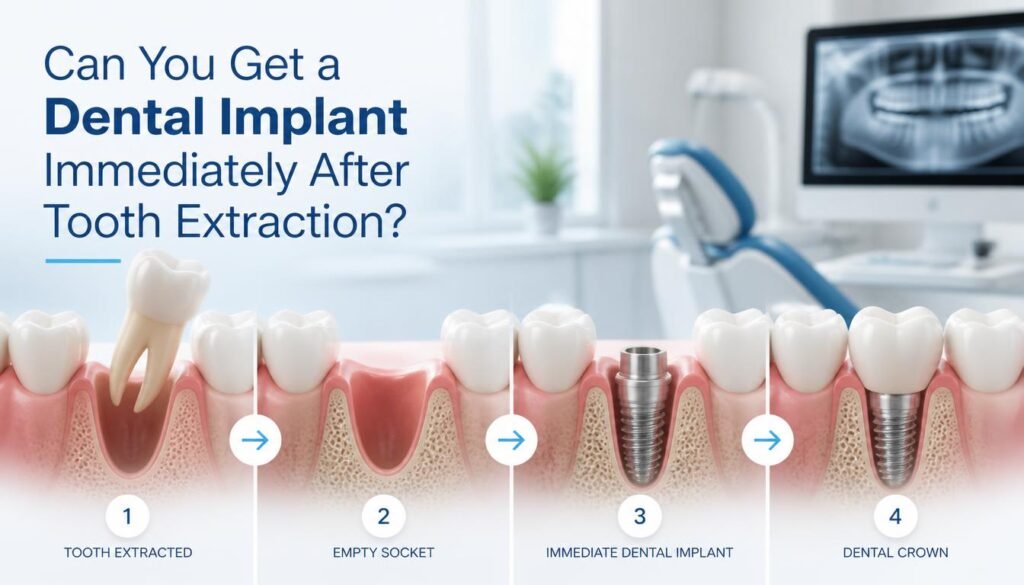
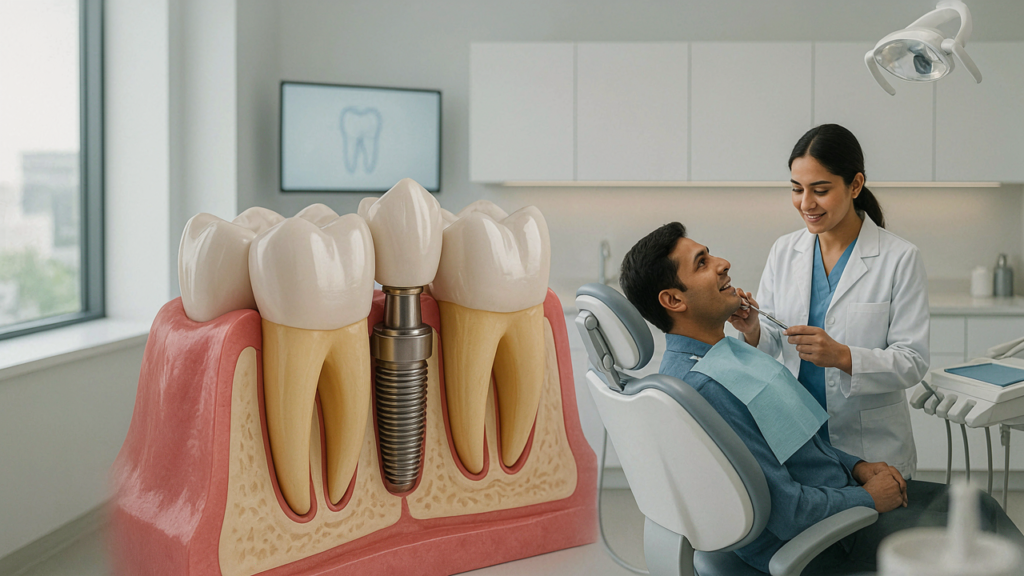
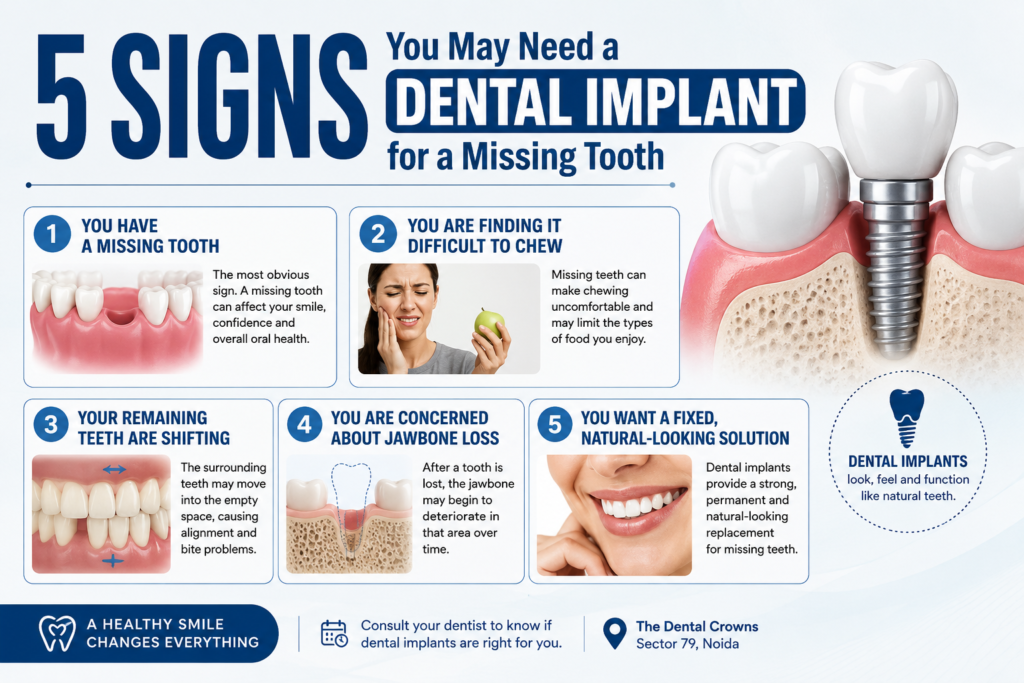
Dental implants are designed to provide a stable, long-term replacement for missing teeth. Although modern dental implants have high success rates, they are not completely immune to complications. One question many patients ask after implant treatment is: Can a dental implant get infected?
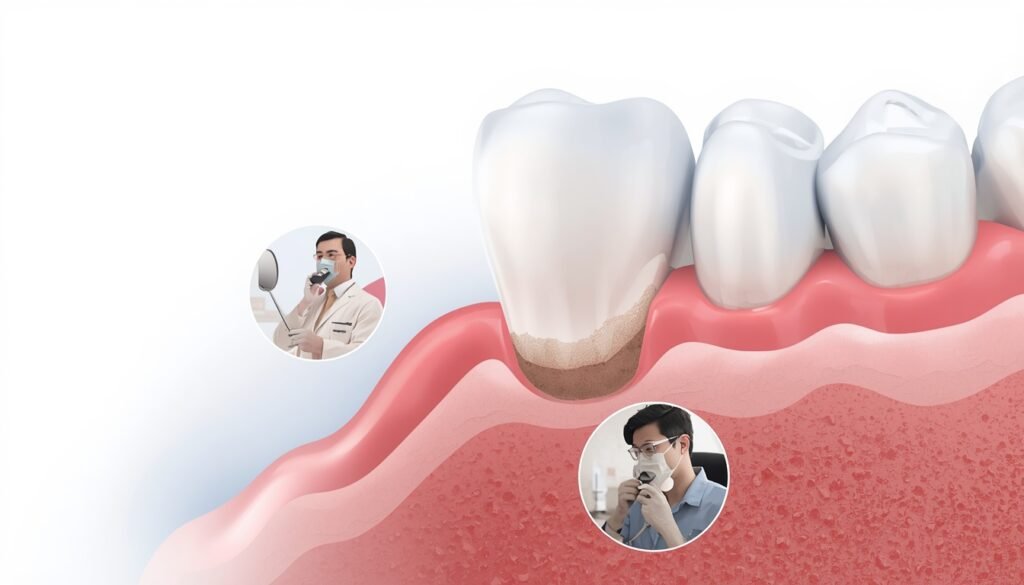
Yes, a dental implant can develop an infection or inflammatory disease in the tissues surrounding it. One of the main conditions associated with this is called peri-implantitis.
An infection around a dental implant should not be ignored. Symptoms such as persistent swelling, bleeding, pus, pain, bad taste, gum recession or increasing implant looseness can indicate a problem that requires professional dental evaluation.
The good news is that identifying problems early and maintaining proper oral hygiene and professional implant maintenance can help protect the implant and surrounding bone.
Important: If you have severe swelling, fever, facial swelling, significant pain, difficulty swallowing or breathing, seek urgent dental or medical care.
What Is a Dental Implant Infection?
A dental implant itself is made from biocompatible material, commonly titanium, so the infection generally does not mean that the metal implant itself has become infected.
Instead, bacteria can accumulate around the implant and cause inflammation of the surrounding gum and supporting tissues.
There are two commonly discussed conditions:
Peri-implant mucositis
It can sometimes be managed effectively when detected early through professional cleaning, improved oral hygiene and control of contributing risk factors.
Peri-implantitis
Peri-implantitis is a more serious inflammatory condition associated with the tissues around a dental implant and can involve progressive loss of supporting bone.
Current consensus recommendations emphasize early identification of risk factors, appropriate treatment and continuing supportive peri-implant maintenance.
Research also indicates that peri-implant diseases are relatively common, making long-term maintenance an important part of implant care. A 2025 systematic review and meta-analysis reported patient-level prevalence estimates of approximately 46% for peri-implant mucositis and 21% for peri-implantitis across the included evidence base.
What Are the Symptoms of an Infected Dental Implant?
An infected dental implant does not always cause obvious pain. In some cases, changes around the implant may develop gradually.
Possible dental implant infection symptoms include:
- Red or swollen gums around the implant
- Bleeding while brushing or flossing
- Tenderness around the implant
- Persistent discomfort or pain
- Pus around the implant
- Bad taste in the mouth
- Persistent bad breath
- Gum recession around the implant
- Increased sensitivity or discomfort while chewing
- Loosening of the implant or implant-supported restoration
- Changes in the appearance of the gum around the implant
- Bone loss detected during dental examination or X-rays
- Fever or swollen lymph nodes in more advanced situations
Is pain always present?
No.
This is important because patients sometimes assume that an implant is healthy simply because it does not hurt.
Inflammation and bone loss around an implant may develop without severe pain. That is why regular dental examinations are important even when the implant feels normal.
What Causes a Dental Implant to Get Infected?
There is usually not one single cause. Several factors can contribute to inflammation and infection around an implant.
1. Poor oral hygiene
Plaque and bacterial biofilm can accumulate around the implant if brushing and interdental cleaning are inadequate.
Over time, this can contribute to inflammation of the surrounding tissues.
2. Previous or existing gum disease
A history of periodontitis is an important risk indicator for peri-implant disease.
A 2024 umbrella review found highly suggestive evidence linking periodontitis with peri-implantitis.
This is one reason dentists need to assess and manage gum health before and after implant treatment.
3. Smoking
Smoking can negatively affect oral health and is associated with an increased risk of peri-implant disease.
The same umbrella review found cigarette smoking to be a highly suggestive risk factor for peri-implantitis.
4. Diabetes and poor blood sugar control
Diabetes can influence healing and oral health. Research has identified diabetes mellitus as a risk indicator associated with peri-implantitis.
Patients with diabetes should discuss their condition and blood sugar management with their dental professional before and during implant treatment.
5. Lack of regular implant maintenance
Dental implants still require professional maintenance even though the replacement tooth itself cannot develop a cavity like a natural tooth.
Regular examinations allow the dentist to monitor the gum and bone surrounding the implant.
6. Implant-related or prosthetic factors
The position of the implant, design of the restoration, accessibility for cleaning and other local factors can influence peri-implant health.
Can a Dental Implant Get Infected Years Later?
Yes.
An implant infection does not necessarily happen immediately after implant placement.
Peri-implant disease can develop months or even years after an implant has been functioning.
Long-term studies and systematic reviews have identified increased peri-implantitis occurrence in patients with a history of periodontitis, smokers and those without appropriate preventive maintenance.
Therefore, completing the implant procedure successfully does not mean that follow-up care can be stopped.
Dental implants require long-term maintenance.
Can a Dental Implant Get Infected After Surgery?
Some discomfort, swelling and minor bleeding can be expected during the normal healing period following implant surgery.
However, symptoms that become increasingly severe rather than gradually improving should be assessed by your dentist.
Potential warning signs include:
- Increasing swelling
- Increasing rather than decreasing pain
- Pus or discharge
- Persistent bleeding
- Fever
- Significant facial swelling
- Unusual bad taste or foul odor
- Difficulty opening the mouth
- An implant that feels loose
Not every post-operative symptom means an infection, so professional assessment is necessary before assuming that an implant has failed.
How Is a Dental Implant Infection Diagnosed?
A dentist or implant specialist may use several methods to determine whether an implant is affected.
Clinical examination
The dentist examines the gum around the implant for:
- Swelling
- Redness
- Bleeding
- Pus
- Gum recession
- Tissue changes
- Implant mobility
Dental X-rays
Radiographs can help evaluate the supporting bone around an implant.
Periodontal/peri-implant measurements
The dentist may measure the tissues around the implant to identify inflammation and changes that may indicate disease progression.
Medical and dental history
Your dentist may also ask about:
- Previous gum disease
- Smoking
- Diabetes
- Oral hygiene
- Previous implant complications
- Medications
- Recent dental treatment
A proper diagnosis is important because implant pain does not automatically mean infection, and treatment depends on the underlying problem.
How Is an Infected Dental Implant Treated?
Treatment depends on the severity of the condition, the amount of inflammation or bone loss, the condition of the implant and other patient-specific factors.
Professional cleaning and debridement
For early inflammation, professional removal of bacterial deposits and improvement of home care may be part of treatment.
Improving oral hygiene
Your dentist may recommend changes to:
- Toothbrushing
- Interdental cleaning
- Flossing or implant-specific cleaning methods
- Professional maintenance frequency
Treating gum disease
If periodontal disease is present, controlling it is important for overall oral and implant health.
Implant surface decontamination
Depending on the condition, clinicians may use different methods to clean and decontaminate the implant surface.
Surgical treatment
More advanced peri-implantitis may require surgical treatment.
The appropriate approach depends on the clinical findings and may include access surgery, resective procedures, reconstructive procedures or soft-tissue treatment.
The AO/AAP consensus report emphasizes that advanced peri-implantitis may require individualized surgical approaches.
Antibiotics
Antibiotics are not automatically required for every implant-related infection or inflammation.
Their use depends on the diagnosis and clinical circumstances. Recent research continues to evaluate the role of systemic and local antibiotics alongside mechanical and surgical treatment.
Patients should never start leftover antibiotics or take antibiotics without professional advice.
Can an Infected Dental Implant Be Saved?
Sometimes, yes.
An infected or inflamed implant does not automatically need to be removed.
The possibility of saving the implant depends on factors such as:
- Severity of infection
- Amount of bone loss
- Implant stability
- Condition of surrounding tissues
- Cause of the problem
- Patient’s overall oral health
- Response to treatment
Early diagnosis generally provides more opportunities for conservative management.
If an implant has become significantly unstable or cannot be successfully treated, removal may sometimes be necessary. The dentist will determine this after a detailed examination and appropriate imaging.
How Can You Prevent Dental Implant Infection?
Good implant care starts before the implant is placed and continues throughout its lifetime.
Follow these dental implant care tips:
1. Brush twice daily
Use a soft-bristled toothbrush and clean around the implant carefully.
2. Clean between your teeth
Interdental brushes, floss or other cleaning aids may be recommended depending on your implant restoration.
3. Attend regular dental check-ups
Your dentist can identify inflammation or other implant problems before they become more advanced.
4. Do not smoke
Smoking is an important modifiable risk factor associated with peri-implantitis.
5. Control existing gum disease
If you have a history of periodontitis, ongoing periodontal care is particularly important.
6. Manage diabetes appropriately
If you have diabetes, discuss blood sugar management with your healthcare team and dentist.
7. Follow your dentist’s post-operative instructions
After implant placement, follow all instructions regarding cleaning, diet, medication and follow-up appointments.
8. Do not ignore bleeding
Occasional irritation may have a simple cause, but persistent bleeding around an implant should be evaluated.
When Should You See a Dentist?
Contact your dentist if you notice:
- Persistent bleeding around your implant
- Pus
- Increasing swelling
- Persistent bad taste
- Pain that does not improve
- A loose implant or restoration
- Gum recession
- Difficulty chewing
- Changes around the implant
Seek urgent care if you develop significant facial swelling, fever, difficulty swallowing or difficulty breathing.
Frequently Asked Questions About Dental Implant Infection
Can a dental implant get infected?
Yes. The tissues around a dental implant can become inflamed or infected. Peri-implantitis is a condition associated with inflammation and supporting bone loss around an implant.
What does an infected dental implant look like?
The gum may appear red, swollen or irritated. There may also be bleeding, pus, gum recession or other changes around the implant.
Can an infected dental implant be treated?
Depending on its severity, treatment may involve professional cleaning, improved oral hygiene, risk-factor management, implant surface treatment or surgery.
Can a dental implant infection cause bone loss?
Yes. Peri-implantitis can involve progressive loss of supporting bone around the implant.
Can a dental implant get infected years after placement?
Yes. Implant-related disease can occur after the implant has been functioning for years, which is why long-term maintenance is important.
Does a loose dental implant mean infection?
Not necessarily, but an implant that feels loose should be examined promptly. Mobility can indicate a serious implant-related problem.
Is bleeding around a dental implant normal?
Persistent or recurrent bleeding should not be ignored. It can indicate inflammation around the implant and should be assessed by a dental professional.
Can smoking cause dental implant infection?
Smoking is associated with an increased risk of peri-implantitis and is considered an important modifiable risk factor.
Do antibiotics cure dental implant infection?
Antibiotics are not a universal cure for peri-implant disease. Treatment depends on the cause and severity, and antibiotics may be used only when clinically indicated.
How can I keep my dental implant healthy?
Maintain good oral hygiene, clean around the implant, attend regular dental appointments, avoid smoking and follow your dentist’s implant-maintenance instructions.
Final Takeaway
Can a dental implant get infected? Yes. However, an implant problem does not always mean that the implant has to be removed.
Inflammation around an implant can range from relatively early soft-tissue inflammation to more advanced peri-implantitis involving supporting bone. Warning signs such as bleeding, swelling, pus, persistent discomfort, bad taste, gum recession or implant looseness should be evaluated by a dental professional.
The best way to protect your dental implant is to combine daily oral hygiene, regular professional maintenance, healthy lifestyle choices and early treatment of gum problems.
If you are experiencing symptoms around a dental implant, a professional examination is the safest way to determine the cause and appropriate treatment.