Dental implants are a popular solution for replacing missing teeth because they can restore chewing function, improve appearance and provide long-term support for replacement teeth. However, some patients worry about whether a dental implant can cause an allergic reaction, particularly when the implant is made from titanium.
Yes, an allergic or hypersensitivity reaction to dental implant materials is possible, but it appears to be uncommon. Titanium is widely used in dental implants because of its strength and biocompatibility. However, research into titanium hypersensitivity is still developing, and symptoms around an implant are more often investigated for other causes, such as infection, inflammation or problems with healing.
In this guide, we explain the possible symptoms of dental implant allergy, the materials that may be involved, how dentists investigate the problem and what you should do if you experience unusual symptoms after implant surgery.
Can a Dental Implant Cause an Allergic Reaction?
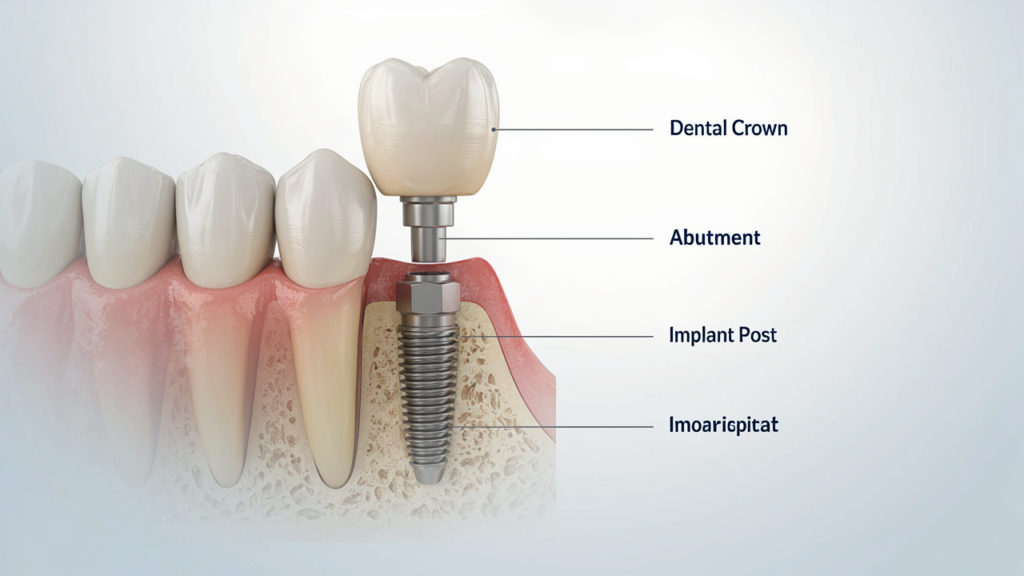
Yes, in rare cases, a person may develop a suspected hypersensitivity reaction associated with a dental implant or another material used in the restoration. Titanium is commonly used for the implant fixture, while the abutment and artificial tooth may contain different materials depending on the treatment plan.
However, not every case of swelling, redness, pain or implant failure indicates an allergy. These symptoms can also occur because of bacterial infection, peri-implant inflammation, gum disease, excessive biting forces or delayed healing.
A 2026 systematic review published in the Journal of Prosthodontic Research examined the available clinical evidence on titanium hypersensitivity associated with dental implants. The review found that the evidence remains limited, although rare clinically significant cases have been reported.
Therefore, if you experience unusual symptoms after dental implant treatment, a professional examination is essential before concluding that you have an allergy.
What Materials in Dental Implants Can Cause an Allergic Reaction?
Understanding the materials used in your dental implant can help you discuss potential sensitivities with your dentist.
1. Titanium
Titanium and titanium alloys are widely used for dental implant fixtures because they are strong and generally well tolerated by the body. Nevertheless, rare cases of suspected titanium hypersensitivity have been documented.
Possible warning signs include persistent inflammation around the implant, unusual soft-tissue changes or other symptoms that remain unexplained after routine dental causes have been investigated.
It is important to remember that these symptoms are not specific to titanium allergy and cannot confirm it on their own.
2. Other metals in implant components
Some implant systems or restorations may contain alloys or other metal components. Depending on the product, these may include metals such as aluminium, vanadium or other materials.
In some situations, the abutment or crown may contain a different material from the implant itself. A dentist may therefore need to review the exact products used rather than assuming that titanium is responsible for a reaction.
3. Crown and restoration materials
The artificial tooth placed over an implant can be made from materials such as zirconia, porcelain-based ceramics or metal-containing systems.
Sensitivity to a restoration material is a separate consideration from sensitivity to the implant fixture. If a reaction is suspected, your dentist should identify the materials used in the entire restoration and determine which, if any, could be contributing to the symptoms.
What Are the Symptoms of a Dental Implant Allergic Reaction?
Symptoms associated with a suspected implant-material reaction can overlap with those of infection or other complications. Possible signs that need professional assessment include:
- Persistent redness or swelling around the implant.
- Unusual gum inflammation or tissue overgrowth near the implant.
- A skin rash or eczema that develops alongside other concerning symptoms.
- Persistent discomfort that does not improve as expected.
- Unexplained soft-tissue changes around the implant.
- Poor healing or an implant that does not integrate successfully with the surrounding bone.
These signs do not necessarily mean you have an allergy. Infection, peri-implant mucositis, peri-implantitis and mechanical complications can produce similar symptoms.
Seek urgent medical attention if you develop difficulty breathing, swelling of your tongue or throat, or signs of a severe allergic reaction. Do not wait for a routine dental appointment if you have these symptoms.
How Is a Dental Implant Allergy Diagnosed?
Diagnosing a suspected dental implant allergy requires a careful assessment because there is no single test that reliably confirms every type of titanium-related reaction.
1. Review of your medical and dental history
Your dentist may ask about previous reactions to metals, jewellery, dental restorations or medical implants. You should also explain when your symptoms began and whether they have changed over time.
2. Examination of the implant site
The dentist will examine your gums, surrounding tissues and implant restoration. Depending on the findings, dental X-rays or other imaging may be needed to assess the surrounding bone and check for possible implant complications.
3. Investigation of other causes
Before attributing symptoms to an allergy, the dentist may investigate infection, plaque accumulation, gum inflammation, implant positioning, bite-related stress and other potential explanations.
4. Allergy or specialist testing when appropriate
A dentist may refer you to an appropriate medical specialist, such as an allergist or dermatologist, when the history and examination suggest a possible material sensitivity.
Testing methods must be selected carefully. Patch testing and blood-based tests do not have consistently established reliability for diagnosing titanium-related reactions in dental implant patients. A negative or positive result may not, by itself, establish the cause of symptoms.
The diagnosis should therefore be based on the complete clinical picture rather than a single test result.
What Is the Difference Between Dental Implant Allergy and Infection?
A dental implant allergy and an implant infection are different problems, although their symptoms may overlap.
Possible material hypersensitivity: A suspected reaction may involve persistent soft-tissue inflammation or unusual tissue changes without a clear infectious explanation. A material-related cause needs careful investigation.
Possible infection or peri-implant disease: Bacterial plaque can inflame the gums around an implant. More advanced peri-implantitis may affect the supporting bone. Warning signs can include bleeding during cleaning, redness, swelling, tenderness, pus or progressive bone loss.
Neither condition should be self-diagnosed. A dentist can examine the implant and determine whether further testing or treatment is necessary.
Can You Get Dental Implants If You Have a Metal Allergy?
Having a known metal allergy does not automatically mean you cannot receive dental implants. The decision depends on the specific metal involved, the materials proposed for the restoration, your medical history and your oral health.
Before treatment, inform your dentist if you have experienced reactions to jewellery, watches, belt buckles, metal dental work or other implanted medical devices.
Your dentist may review the implant manufacturer’s material specifications and discuss whether a different implant or restoration system is appropriate.
For selected patients, zirconia implants may be considered as an alternative. However, they are not automatically the best choice for everyone. Their suitability depends on factors such as bone quality, implant location, the available system and the clinician’s assessment.
Do not select an implant material solely on the basis of an online allergy test or a general claim that one material is completely allergy-free.
How Is a Suspected Dental Implant Allergic Reaction Treated?
Treatment depends on the cause of the symptoms and the severity of the problem.
Treating inflammation or infection
If the examination identifies plaque-related inflammation or infection, the dentist may recommend professional cleaning, improved oral hygiene, targeted treatment or other measures appropriate to the diagnosis.
Reviewing the implant restoration
If a particular abutment or crown material is suspected, the dental team may assess whether the restoration needs to be changed. Any material substitution should be based on clinical findings and product information.
Considering implant removal only when necessary
Removing a dental implant is not the first step for every patient with unexplained swelling or discomfort. Implant removal may be considered in selected cases when serious complications are established, the implant cannot be maintained or a material-related reaction is strongly suspected and supported by specialist evaluation.
The risks and benefits should be discussed with the treating dentist before a decision is made.
Never attempt to treat a suspected implant allergy by taking medication or removing a restoration without professional advice.
How Can You Reduce the Risk of Dental Implant Complications?
Although an allergic reaction cannot always be predicted, you can take practical steps to improve treatment planning and follow-up.
- Share your complete medical and dental history before surgery.
- Inform your dentist about diagnosed metal allergies or previous reactions to dental materials.
- Ask which materials will be used for the implant, abutment and crown.
- Follow the post-operative instructions provided by your dental team.
- Maintain good oral hygiene around the implant.
- Attend follow-up appointments so your dentist can assess healing and implant stability.
- Seek professional advice promptly if swelling, pain, bleeding or other unusual symptoms persist or worsen.
Choosing an appropriately qualified dental professional and attending regular reviews can help identify complications early.
When Should You See a Dentist?
Contact your dentist if you notice persistent swelling, redness, bleeding, tenderness, unusual tissue growth or other symptoms around your implant. You should also seek assessment if the implant feels loose or your symptoms are getting worse instead of improving.
Some soreness and swelling can occur after implant surgery, but the expected recovery depends on the procedure and your individual circumstances.
If you develop facial or throat swelling with breathing difficulty, seek emergency medical care immediately.
Frequently Asked Questions
1. Can your body reject a dental implant because of an allergy?
A suspected material-related hypersensitivity reaction is possible, but implant failure does not automatically mean the body has rejected the implant because of an allergy. Infection, inadequate bone integration, mechanical stress and other factors can also contribute to failure.
2. How common is titanium allergy from dental implants?
Titanium hypersensitivity associated with dental implants appears to be uncommon. The true frequency is uncertain because the available studies are limited and diagnostic methods are not fully standardized.
3. How long after dental implant surgery can an allergic reaction occur?
The timing can vary. Symptoms may appear after placement or develop later, but delayed swelling and inflammation can also result from infection, healing problems or other implant-related complications. A dentist should evaluate the timing alongside your symptoms and clinical findings.
4. Can a titanium dental implant cause skin rashes?
Skin rashes have been described in some reports involving suspected titanium hypersensitivity. However, a rash can have many causes, and its presence alone does not establish that a dental implant is responsible.
5. Is zirconia safer than titanium for people with allergies?
Zirconia is a ceramic material and may be an option for selected patients who are concerned about metal sensitivity. However, it is not automatically safer or more suitable for every person. Discuss the advantages, limitations and available evidence with your dentist.
6. Can a dental implant allergy be treated without removing the implant?
Sometimes, depending on the cause of the symptoms. If the problem involves infection, plaque-related inflammation or a removable restoration component, treatment may be possible without removing the implant. The appropriate approach depends on the diagnosis.
7. Should I get an allergy test before dental implant surgery?
Routine titanium allergy testing is not universally recommended for everyone considering implants. If you have a documented metal allergy or a concerning history of reactions, discuss your situation with your dentist and ask whether specialist evaluation is appropriate.
Conclusion
So, can a dental implant cause an allergic reaction? Yes, it is possible, but it is considered uncommon and can be difficult to distinguish from other implant complications.
Titanium is widely used because it is generally well tolerated, yet rare cases of suspected hypersensitivity have been reported. Persistent swelling, gum inflammation, unusual tissue changes or unexplained discomfort should be assessed by a dental professional rather than automatically attributed to an allergy.
If you are considering dental implants or are experiencing symptoms after treatment, discuss your medical history, the materials being used and the available treatment options with your dentist.
At The Dental Crowns, you can seek professional guidance about your dental health and the treatment options appropriate for your individual needs. Early assessment can help identify the cause of symptoms and guide the next steps.
Medical disclaimer: This article is for general educational purposes only and does not replace a dental examination, medical diagnosis or personalised treatment advice.