

If you are searching for dental implants near Noida Sector 78, you may be considering a permanent and natural-looking solution for one or more missing teeth. Missing teeth can affect chewing, speech, confidence and the overall appearance of your smile. Dental implants are one of the options dentists may recommend for replacing missing teeth and supporting a dental crown, bridge or denture.
In this guide, we explain dental implant cost in Noida Sector 78, the dental implant procedure, recovery time, factors affecting treatment cost, benefits, aftercare and commonly asked questions.
Quick Answer: Dental implant treatment usually involves an initial examination and imaging, implant placement, a healing period during which the implant integrates with the jawbone, and placement of the final crown, bridge or denture. The total cost and treatment duration depend on the number of implants, bone condition, implant system, restoration material and whether procedures such as bone grafting are required.
What Are Dental Implants?
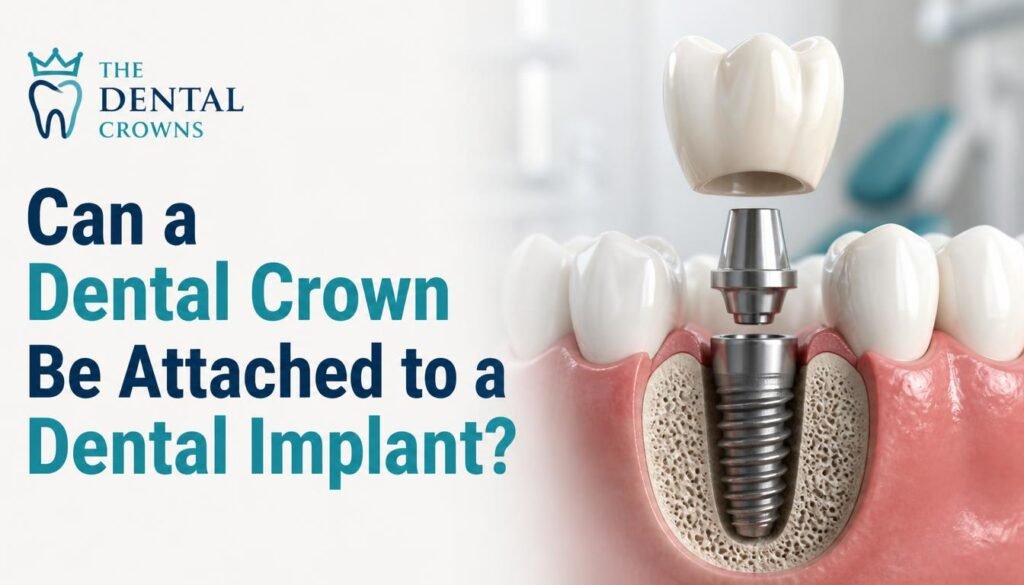
A dental implant is an artificial tooth root that is surgically placed into the jawbone. Once the implant has integrated with the surrounding bone, it can support a replacement tooth such as a dental crown.
A typical single-tooth implant restoration consists of:
- Dental implant: The component placed inside the jawbone
- Abutment: The connector between the implant and replacement tooth
- Dental crown: The visible tooth-shaped restoration
Dental implants are different from traditional dental bridges because an implant is designed to replace the root portion of the missing tooth rather than relying primarily on neighbouring teeth for support.
According to NHS dental implant information, implants can support crowns, bridges and dentures and are intended to function as artificial replacements for missing tooth roots.
Dental Implants at The Dental Crowns, Noida
Why Do People Choose Dental Implants Near Noida Sector 78?
A missing tooth can create functional and aesthetic concerns. Depending on your dental condition, your dentist may discuss several replacement options, including implants, bridges or dentures.
Dental implants may offer several advantages:
1. Natural-Looking Replacement
An implant-supported crown can be designed to resemble the surrounding natural teeth in shape, colour and proportion.
2. Restores Chewing Function
Replacing a missing tooth can help restore your ability to bite and chew comfortably.
3. Does Not Normally Require Cutting Healthy Neighbouring Teeth
With a single implant, the replacement tooth is supported by the implant rather than normally requiring adjacent healthy teeth to act as bridge supports.
4. Supports Different Types of Restorations
Depending on the treatment plan, implants can support:
- Individual dental crowns
- Implant-supported bridges
- Implant-supported dentures
5. Long-Term Tooth Replacement Option
Dental implants are designed as long-term tooth-replacement solutions, although their longevity depends on factors such as oral hygiene, gum health, bite forces, smoking habits, implant condition and regular professional maintenance.
Who May Be Suitable for Dental Implants?
Dental implants are not automatically suitable for every patient.
Before recommending implant treatment, a dentist generally evaluates:
- Jawbone quantity and quality
- Gum health
- Remaining teeth
- Oral hygiene
- Bite and chewing forces
- Number and position of missing teeth
- Previous dental treatments
- General health and medications
- Smoking habits
- Expectations regarding the final restoration
Diagnostic imaging may also be required to evaluate the implant site and plan treatment.
If there is insufficient bone to support an implant, bone grafting or another bone augmentation procedure may sometimes be recommended.
According to NHS guidance, bone grafting can increase the treatment timeline when additional bone is needed before implant placement.
Dental Implant Procedure Near Noida Sector 78
The exact procedure varies from patient to patient, but dental implant treatment commonly follows several stages.
Step 1: Initial Consultation and Examination
Your dentist first examines your teeth, gums and bite.
The dentist may also recommend dental X-rays or other imaging to assess:
- Jawbone condition
- Location of nerves and other anatomical structures
- Position of neighbouring teeth
- Implant placement area
- Existing infection or gum problems
The purpose of this stage is to determine whether an implant is appropriate and create an individualized treatment plan.
Step 2: Treatment Planning
After evaluating your dental condition, the dentist discusses the available treatment options.
Your treatment plan may include:
- Number of implants required
- Implant position
- Implant system
- Type of restoration
- Crown material
- Bone grafting, if required
- Expected treatment timeline
- Estimated treatment cost
- Follow-up appointments
A detailed treatment plan is important because the cost and duration of dental implants can vary significantly between patients.
Step 3: Tooth Extraction, If Required
If a damaged or infected tooth is still present at the implant site, extraction may be required before or as part of the implant treatment plan.
Not every patient requires extraction before an implant, so the dentist determines the appropriate sequence after examination.
Step 4: Bone Grafting, If Required
Some patients may not have sufficient bone volume at the implant site.
In such cases, the dentist may recommend a bone graft or another bone augmentation procedure.
Not everyone requires bone grafting.
If bone grafting is necessary, additional healing time may be required before the implant can be placed or restored.
Step 5: Dental Implant Placement
During implant placement, the dentist creates an appropriate site in the jawbone and places the implant.
Local anaesthesia is commonly used to keep the treatment area numb.
The gum may then be repositioned and sutured according to the surgical technique being used.
The procedure can vary depending on whether you need one implant, multiple implants or additional surgical treatment.
Step 6: Osseointegration and Healing
After implant placement, the implant needs time to integrate with the jawbone.
This biological process is known as osseointegration.
The healing period varies from patient to patient and depends on factors such as:
- Bone quality
- Implant location
- Number of implants
- Surgical complexity
- Whether bone grafting was performed
- Individual healing response
NHS patient information notes that implants may need several months to integrate with the bone before they are used to support replacement teeth.
Step 7: Abutment Placement
Once the implant has sufficiently healed, an abutment may be connected to the implant.
In some treatment approaches, the abutment may be placed during the initial implant surgery.
Your dentist will decide which approach is appropriate for your case.
Step 8: Dental Crown Placement
After the implant and surrounding tissues are ready, impressions or digital scans may be taken.
A customized crown is then fabricated and fitted to the implant.
The dentist checks:
- Fit
- Bite
- Shape
- Colour
- Comfort
- Gum relationship
Once the restoration is satisfactory, it is attached to the implant according to the planned restoration system.
Dental Implant Cost Near Noida Sector 78
One of the most searched questions is:
“What is the cost of dental implants near Noida Sector 78?”
There is no single dental implant price that applies to every patient.
The total cost depends on the complete treatment plan rather than only the implant fixture.
Factors that may affect the cost include:
Number of Implants
Replacing one missing tooth generally involves a different treatment plan from replacing several missing teeth.
Implant Brand and System
Different implant systems and components may have different costs.
Crown Material
The final crown can be made using different materials, and the choice may influence the overall treatment cost.
Bone Grafting
If additional bone is required, bone grafting can add to the treatment cost.
Diagnostic Imaging
X-rays or advanced imaging may be required for proper treatment planning.
Tooth Extraction
If a damaged tooth needs to be removed, extraction may be included as an additional treatment.
Complexity of the Case
Patients with bone loss, gum disease, multiple missing teeth or complicated bite conditions may require more extensive planning.
Type of Final Restoration
The final restoration may be:
- Single dental crown
- Implant-supported bridge
- Implant-supported denture
Therefore, instead of selecting a dental clinic only on the basis of the cheapest advertised implant price, ask for a complete written treatment estimate.
What Is Included in a Dental Implant Cost?
Before starting treatment, ask the dental clinic whether the quotation includes:
- Consultation
- Diagnostic X-rays or scans
- Implant fixture
- Implant components
- Abutment
- Temporary restoration, if required
- Final dental crown
- Bone grafting, if required
- Tooth extraction, if required
- Follow-up appointments
- Other surgical procedures
This helps you understand the actual treatment cost instead of comparing incomplete prices.
Dental Implant Recovery: What to Expect
Recovery after dental implant surgery varies depending on the complexity of the procedure.
Some patients may experience:
- Mild discomfort
- Swelling
- Gum tenderness
- Bruising
- Minor bleeding
- Temporary difficulty chewing
These symptoms can vary depending on the number of implants and whether additional procedures were performed.
According to NHS patient guidance, soreness, swelling, bleeding or bruising can occur after implant treatment, and discomfort generally improves during the healing period.
First 24 Hours
During the first day, your priority should be protecting the surgical area.
Your dentist may advise you to:
- Rest
- Follow prescribed medication instructions
- Avoid disturbing the surgical site
- Eat suitable foods
- Avoid strenuous activity
- Follow the specific oral-hygiene instructions provided by your dentist
First Few Days
Swelling can be more noticeable during the first couple of days.
Soft foods may be recommended depending on your procedure.
Avoid chewing directly over the surgical area unless your dentist tells you otherwise.
First 1–2 Weeks
The gum tissue continues to heal during this period.
Your dentist may schedule a follow-up appointment to evaluate healing and remove stitches if necessary.
Following Months
The implant continues integrating with the jawbone.
The timing varies considerably between patients.
Only after sufficient healing and clinical assessment can the dentist determine when the implant is ready to support the final restoration.
How Long Does Dental Implant Treatment Take?
Dental implant treatment is not always completed in a single appointment.
Depending on your situation, the overall treatment may take several months.
For example, additional time may be required if you need:
- Tooth extraction
- Bone grafting
- Gum treatment
- Multiple implants
- A staged implant procedure
Some straightforward cases can progress faster, while complex cases may require significantly more time.
Your dentist should provide a treatment timeline after examining your teeth, gums and jawbone.
Is Dental Implant Surgery Painful?
Many patients are concerned about pain during implant surgery.
Dental implant placement is generally performed under local anaesthesia, which numbs the treatment area.
You should not expect to feel sharp surgical pain while the area is adequately anaesthetized.
After surgery, you may experience temporary soreness, swelling or tenderness.
The American Academy of Implant Dentistry notes that post-surgical discomfort can occur but is often manageable, and many patients return to everyday activities relatively quickly.
Your dentist will provide individualized instructions for pain management and recovery.
Dental Implants vs Dental Bridges
Both implants and bridges can be used to replace missing teeth, but they work differently.
| Feature | Dental Implant | Dental Bridge |
|---|---|---|
| Replaces tooth root | Yes | No |
| Supports replacement tooth | Implant-supported | Usually supported by adjacent teeth |
| Requires adjacent teeth as supports | Normally no for a single implant | Usually yes |
| Bone integration | Yes | No |
| Treatment timeline | Often longer | Often shorter |
| Suitable for everyone | No | No |
The best option depends on your oral health, bone condition, neighbouring teeth, budget and treatment goals.
Single Tooth Dental Implant Near Noida Sector 78
If you have lost only one tooth, a single tooth dental implant may be one option to discuss with your dentist.
A single implant can support an individual dental crown.
The main components are:
- Implant fixture
- Abutment
- Dental crown
The final crown is designed to match the surrounding teeth as closely as practical.
Read our detailed guide:
Single Tooth Dental Implants: Is This Treatment Right for You?
How to Care for Dental Implants After Treatment
Good oral hygiene is essential after implant treatment.
You should:
- Brush your teeth as advised by your dentist
- Clean between your teeth regularly
- Follow your dentist’s implant-cleaning instructions
- Attend regular dental check-ups
- Avoid using your teeth to open packages
- Follow dietary instructions during healing
- Avoid smoking
- Report unusual pain, swelling or implant movement promptly
Dental implants do not mean that you can stop caring for your mouth.
The gums and surrounding tissues still require regular professional and home care.
How to Care for Your Dental Implants After Treatment
Can Smoking Affect Dental Implant Healing?
Smoking can negatively affect oral health and may increase the risk of complications associated with implant treatment.
If you smoke, tell your dentist before treatment.
Your dentist can advise you about reducing or stopping smoking before and after implant surgery.
When Should You Contact Your Dentist After Implant Surgery?
Contact your dental professional if you experience symptoms that concern you, particularly if they are worsening rather than improving.
Examples include:
- Persistent or severe pain
- Excessive bleeding
- Increasing swelling
- Fever
- Pus or unusual discharge
- Difficulty opening your mouth
- An implant or restoration that feels loose
- Any unexpected change around the surgical site
Do not try to diagnose a potential implant complication yourself.
Why Choose The Dental Crowns for Dental Implants Near Noida Sector 78?
For patients searching for dental implants near Noida Sector 78, The Dental Crowns is located at Civitech Stadia, Sector 79, Noida.
The clinic provides a range of dental treatments, including:
- Dental implants
- Dental crowns
- Root canal treatment
- Dental bridges
- Laser dentistry
- Tooth-coloured restorations
- Dentures
- Cosmetic dental treatments
You can explore the complete list of services on the Dental Services page
The clinic’s Sector 79 location can be convenient for patients travelling from Sector 78 and nearby Noida sectors.
Questions to Ask Before Getting Dental Implants
Before starting treatment, consider asking your dentist:
- Am I a suitable candidate for dental implants?
- Do I need a bone graft?
- How many implants do I need?
- Which implant system will be used?
- What type of crown is recommended?
- What is the complete treatment cost?
- Are X-rays or scans included?
- How long will my treatment take?
- How long will the healing period be?
- What should I eat after surgery?
- What aftercare will I need?
- How frequently should I return for check-ups?
Getting clear answers before treatment can help you make an informed decision.
Frequently Asked Questions About Dental Implants Near Noida Sector 78
How much do dental implants cost near Noida Sector 78?
The cost varies according to the number of implants, implant system, crown material, bone condition, diagnostic requirements and additional procedures. A personalized quotation after examination is more reliable than a generic advertised price.
How long does a dental implant take?
The surgical placement itself may be relatively quick, but the complete treatment can take several months because the implant needs time to integrate with the jawbone before the final restoration is placed.
Is dental implant surgery painful?
The procedure is generally performed under local anaesthesia. Temporary soreness, swelling or tenderness may occur after surgery.
How long does dental implant recovery take?
Initial gum healing may occur within a few weeks, while bone integration generally takes longer. The exact recovery period depends on the individual case and whether procedures such as bone grafting were required.
Can I get a dental implant if I have bone loss?
Possibly. Patients with insufficient bone may sometimes require bone grafting or another bone augmentation procedure before or during implant treatment.
Can a dental implant replace one missing tooth?
Yes. A single dental implant can support an individual dental crown when clinically appropriate.
Are dental implants better than dentures?
Implants and dentures serve different purposes. Dental implants are fixed into the jawbone, while conventional dentures are removable. Your dentist can explain which option is appropriate for your oral condition.
Are dental implants better than bridges?
Neither option is automatically better for every patient. The choice depends on bone availability, gum health, neighbouring teeth, treatment goals, budget and clinical suitability.
Can dental implants look like natural teeth?
An implant-supported crown can be custom-made to match the surrounding teeth in colour, shape and size.
How long do dental implants last?
Dental implant longevity varies between individuals. Proper oral hygiene, regular dental check-ups, healthy gums and avoiding damaging habits can help support long-term implant health.
Final Thoughts
If you are searching for dental implants near Noida Sector 78, understanding the procedure, recovery and complete treatment cost can help you make a more informed decision.
Dental implants can be an effective tooth-replacement option for suitable patients, but treatment should always begin with a professional examination.
Your dentist will evaluate your gums, jawbone, remaining teeth, bite and overall treatment requirements before recommending an implant treatment plan.
For patients in Sector 78 and surrounding areas, The Dental Crowns in Sector 79, Noida provides dental implant treatment along with crowns, bridges, root canal treatment, laser dentistry and other dental services.
Book a dental consultation to discuss your missing tooth and implant options.
Clinic: Shop No. 16, 1st Floor, Civitech Stadia, Sector 79, Noida, Uttar Pradesh 201301
Phone: +91 89202 71787
Email: thedentalcrowns@gmail.com
Medical References
For additional patient education, readers can refer to:
- NHS – Dental Implants
- American Academy of Implant Dentistry (AAID)
- Cambridge University Hospitals NHS Foundation Trust
Medical Disclaimer
This article is intended for general educational purposes only and does not replace a professional dental examination, diagnosis or treatment plan. Dental implant suitability, procedure, cost, recovery period and expected outcome vary from patient to patient. Always consult a qualified dental professional before beginning treatment.