

Dental implants can be a long-term solution for replacing missing teeth, but getting the implant placed is only one part of the treatment journey. Proper dental implant aftercare is equally important for protecting your gums, maintaining oral hygiene and helping your implant-supported restoration function comfortably for years.
If you have recently undergone dental implant treatment, you may be wondering: How should I clean my dental implants? Can I brush normally? What foods should I avoid? How often should I visit my dentist?
The good news is that caring for dental implants is manageable when you follow a consistent oral-care routine and your dentist’s individual instructions.
At The Dental Crowns in Noida, dental implant treatment is planned according to each patient’s dental condition, oral-health requirements and restoration needs. You can learn more about our Dental Implant Treatment before planning your treatment.
This guide explains the essential steps for how to care for your dental implants after treatment, from the first few days of recovery to long-term maintenance.
Why Is Dental Implant Aftercare Important?
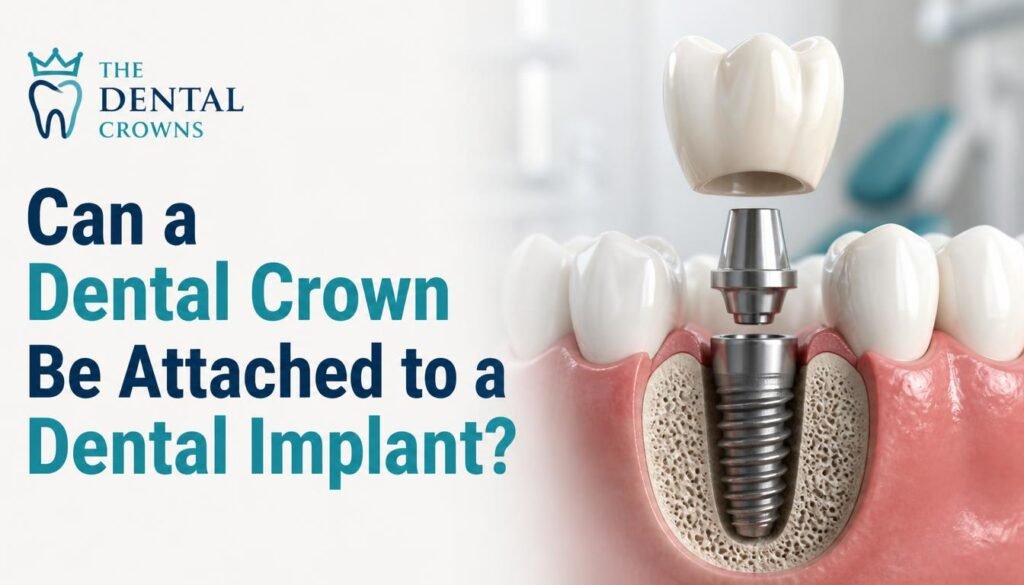
A dental implant is designed to replace the root portion of a missing tooth and can support a dental crown, bridge or denture. The implant needs time to integrate with the surrounding jawbone, a process commonly called osseointegration.
While dental implants are designed to be durable, they are not completely maintenance-free.
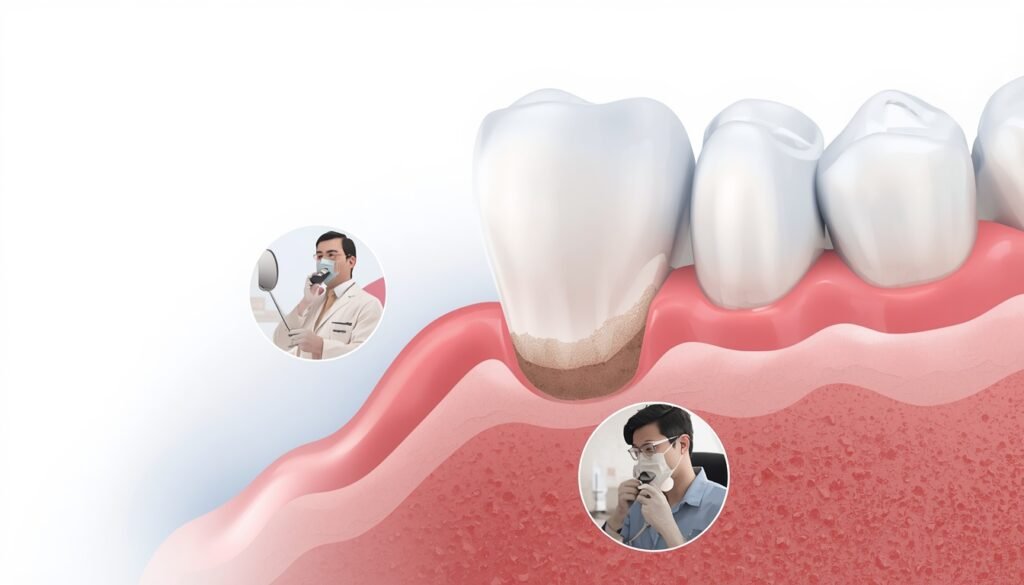
Plaque and bacteria can accumulate around the implant and gum tissue just as they can around natural teeth. Poor oral hygiene can contribute to inflammation around an implant and may affect the health of the tissues supporting it.
This is why dental implant maintenance should become part of your everyday oral-care routine.
The American Dental Association recommends brushing twice a day with fluoride toothpaste, cleaning between teeth daily, maintaining a healthy diet and visiting the dentist regularly.
1. Follow Your Dentist’s Post-Implant Instructions
The first and most important rule of dental implant aftercare is simple: follow the instructions given by your implant dentist.
Your recovery instructions may depend on:
- The number of implants placed
- The location of the implant
- Whether bone grafting was performed
- Whether an extraction was done at the same time
- The type of implant restoration
- Your individual healing process
- Your overall oral health
Do not compare your recovery with someone else’s.
Some patients may experience mild soreness, swelling, bruising or bleeding after implant surgery. These symptoms can occur during normal healing, but your dental team should provide personalized instructions about what to expect and when to contact them.
For example, NHS guidance notes that some soreness, swelling, bleeding or bruising can occur following dental implant treatment and that follow-up care is important.
2. Keep the Implant Area Clean
One of the most important aspects of dental implant care is keeping the area around the implant clean.
However, cleaning instructions can differ during the initial healing period.
Your dentist may temporarily modify your brushing or rinsing routine around the surgical area. For example, Guy’s and St Thomas’ NHS Foundation Trust advises patients not to brush directly over the implant area for a specified initial period and provides specific mouthwash instructions.
Therefore, don’t assume that immediately brushing the surgical site aggressively is better.
Instead:
- Follow your dentist’s instructions carefully.
- Keep the rest of your mouth clean.
- Use only recommended mouthwash during the healing period.
- Avoid disturbing the surgical site.
- Resume normal cleaning around the implant when your dentist advises you to do so.
3. Brush Your Teeth Regularly After Healing
Once your dentist confirms that normal brushing can resume, maintaining regular brushing is essential.
A good long-term routine generally includes brushing twice a day with fluoride toothpaste.
When cleaning around an implant:
- Use a soft-bristled toothbrush.
- Brush gently around the gumline.
- Clean the implant-supported crown just as carefully as your natural teeth.
- Avoid using excessive force.
- Spend enough time cleaning difficult-to-reach areas.
If you are unsure which toothbrush is suitable for your implant, ask your dentist.
The goal is not to brush aggressively. The goal is to remove plaque consistently without unnecessarily irritating the gums.
4. Clean Between Your Teeth Every Day
Brushing alone does not clean every surface of your mouth.
Food particles and plaque can accumulate between teeth and around implant-supported restorations. Daily interdental cleaning can therefore be an important part of dental implant maintenance.
Depending on your restoration and gum health, your dentist may recommend:
- Dental floss
- Implant-specific floss
- Interdental brushes
- Water flossers
- Other specialized cleaning tools
The correct option depends on the design of your implant restoration and the space around it.
If you have recently received implants and are unsure how to floss around them, ask your dentist to demonstrate the technique rather than guessing.
5. Be Careful With Food During Initial Recovery
Your diet may need to change temporarily after dental implant treatment.
Your dentist may recommend softer foods depending on your procedure and healing stage.
During the initial recovery period, avoid unnecessarily putting pressure on the treated area.
Depending on your dentist’s instructions, suitable softer foods may include:
- Yogurt
- Soft rice
- Mashed vegetables
- Smooth soups
- Soft eggs
- Oatmeal
- Soft pasta
- Other foods that are easy to chew
Avoid extremely hard, crunchy or sticky foods if your dentist has advised you to do so.
As healing progresses, your dentist can tell you when you can return to your normal diet.
6. Avoid Smoking After Dental Implant Treatment
Smoking can negatively affect oral health and can interfere with the healing environment around dental implants.
If you smoke, discuss quitting or reducing tobacco use with your dental professional.
NHS implant aftercare guidance also recommends stopping smoking before treatment and in the long term.
Avoiding tobacco is therefore not simply about protecting your natural teeth. It can also be an important part of protecting your investment in implant treatment.
7. Limit Excessive Alcohol During Early Recovery
Your dentist may advise you to avoid alcohol during the initial recovery period.
For example, NHS guidance advises avoiding alcohol for 24 hours after dental implant treatment.
However, your specific instructions may vary depending on the procedure, medications and other factors.
Always follow the instructions provided by your treating dental professional.
8. Don’t Skip Your Follow-Up Appointments
One of the most overlooked parts of dental implant aftercare is regular professional monitoring.
Even when an implant feels completely normal, your dentist may need to check:
- Gum health
- Implant stability
- Bite
- Restoration condition
- Plaque accumulation
- Surrounding tissues
- Overall oral hygiene
Follow-up appointments also allow your dentist to identify potential problems before they become more serious.
NHS guidance recommends follow-up care after implant treatment and notes that regular checks are important for dental implants and restorations.
9. Watch for Changes Around Your Dental Implant
Knowing what to watch for can help you seek professional advice at the right time.
Contact your dentist if you notice persistent or worsening:
- Pain
- Swelling
- Bleeding
- Gum redness
- Pus or discharge
- Bad taste around the implant
- Persistent bad breath
- Difficulty chewing
- Changes in the way your bite feels
- A loose-feeling restoration
- Unusual movement
- Ongoing discomfort around the implant
Not every symptom means that an implant has failed. However, persistent or unusual symptoms should be assessed by a dental professional.
Do not try to diagnose an implant problem yourself.
10. Protect Your Dental Implant From Excessive Force
Dental implants are designed to withstand normal chewing forces, but unnecessary excessive pressure should be avoided.
Do not use your implant-supported teeth to:
- Open packets
- Bite hard objects
- Chew non-food items
- Break very hard materials
- Perform activities that could damage your teeth
If you grind or clench your teeth, tell your dentist.
Your dentist may assess your bite and determine whether additional protection, such as a night guard, is appropriate for your situation.
11. Maintain Good General Oral Hygiene
Taking care of your implant does not mean ignoring the rest of your mouth.
Your natural teeth, gums and implant-supported restoration all form part of your overall oral health.
Continue with:
- Twice-daily brushing
- Daily interdental cleaning
- Regular dental examinations
- Professional cleaning when recommended
- A balanced diet
- Good hydration
- Tobacco avoidance
Maintaining healthy natural teeth can also help you maintain a healthy oral environment around your implant.
12. Professional Dental Cleaning Can Help
Even with excellent home care, some plaque and tartar can be difficult to remove completely.
Your dentist or dental hygienist can assess your oral hygiene and professionally clean areas that need attention.
The frequency of professional cleaning should be based on your individual oral-health needs.
Patients with a history of gum problems or other risk factors may require more frequent monitoring.
13. Take Care of Your Implant Crown
A dental implant and the crown attached to it are not exactly the same thing.
The implant replaces the root portion, while the restoration above the gum replaces the visible tooth.
The crown can therefore also require care.
If your implant-supported crown becomes:
- Cracked
- Chipped
- Loose
- Uncomfortable
- Difficult to bite with
contact your dentist.
Do not attempt to repair or tighten an implant restoration yourself.
If you are also considering crown treatment for natural teeth, you can explore Dental Crown Treatment at The Dental Crowns.
14. What About Electric Toothbrushes?
An electric toothbrush can be useful for maintaining oral hygiene, but the most important factors are proper technique and consistency.
If your dentist recommends an electric toothbrush, choose an appropriate brush head and use it gently.
Avoid applying excessive pressure around the gumline.
If you have questions about which toothbrush is appropriate after implant treatment, your dentist can recommend one based on your restoration and gum condition.
15. What About Water Flossers?
Water flossers can help clean between teeth and around dental restorations.
However, technique and pressure matter.
Ask your dentist whether a water flosser is appropriate for your specific implant and restoration, and ask them to demonstrate how to use it correctly.
Do not assume that maximum pressure provides maximum cleaning.
16. Can You Eat Normally With Dental Implants?
Once healing is complete and your dentist confirms that your restoration is functioning properly, many patients can return to a normal diet.
Dental implants are designed to restore chewing function, but that does not mean you should deliberately test them with extremely hard objects.
If you experience pain while chewing, discomfort or a change in your bite, contact your dentist.
17. How Long Do Dental Implants Last?
One of the most common questions patients ask is, “How long do dental implants last?”
There is no single lifespan that applies to every patient.
The long-term outcome can depend on several factors, including:
- Oral hygiene
- Gum health
- Smoking or tobacco use
- Bite forces
- Overall health
- Implant position
- Quality of the restoration
- Regular dental maintenance
- Professional follow-up
Good maintenance can help protect both the implant and surrounding oral tissues.
If you want to learn more, read our guide on How Long Do Dental Implants Last?.
18. Dental Implants vs Bridges: Which Requires More Care?
Dental implants and bridges are different tooth-replacement options.
A bridge uses neighboring teeth or implants to support a replacement tooth, while a dental implant is placed into the jawbone and can support a crown.
Both require proper oral hygiene.
If you are deciding between treatment options, read our guide: Are Dental Implants Better Than Bridges for Missing Teeth?.
Your dentist can then evaluate your teeth, gums, bone condition, bite and overall treatment requirements.
19. Dental Implant Care for Patients in Noida
If you live in Noida, regular dental follow-up can make implant maintenance more convenient.
The Dental Crowns is located at Civitech Stadia, Sector 79, Noida, and provides dental implant treatment along with other general, cosmetic and surgical dental services.
The clinic can be a convenient option for patients looking for dental treatment near areas such as:
- Noida Sector 74
- Noida Sector 75
- Noida Sector 76
- Noida Sector 77
- Noida Sector 78
- Noida Sector 79
You can also read our local guide to Dental Implants Near Noida Sector 77 if you are researching implant treatment in this area.
For patients around Sector 75, our guide to Dental Implants in Noida Sector 75 explains treatment planning, restoration options and important questions to ask your dentist.
20. What Should You Do If Your Implant Feels Loose?
A loose dental implant or loose implant restoration should not be ignored.
Contact your dentist as soon as possible so the cause can be identified.
The problem could involve the restoration, an implant component or the surrounding tissues. Only a dental examination can determine the cause.
Avoid chewing heavily on that side until you have received professional advice.
21. Can Poor Oral Hygiene Affect Dental Implants?
Yes. Although implants themselves are not natural teeth, the tissues around them still need proper care.
Plaque accumulation can contribute to inflammation around the implant.
That is why implant oral hygiene is an important part of long-term maintenance.
Brushing, interdental cleaning, professional examinations and following your dentist’s recommendations can help maintain the health of the tissues around your implant.
22. A Simple Daily Dental Implant Care Routine
Once your dentist has confirmed that your implant has healed and you can follow a normal oral-care routine, your daily routine may look like this:
Morning
- Brush with fluoride toothpaste.
- Clean between your teeth as recommended.
- Pay attention to the gumline.
- Rinse if your dentist has recommended a suitable mouthwash.
After Meals
- Rinse your mouth with water if appropriate.
- Remove food particles from around the restoration.
- Avoid using sharp objects to clean between teeth.
Night
- Brush thoroughly before bed.
- Clean between your teeth.
- Clean around the implant-supported crown carefully.
- Use any dentist-recommended cleaning device.
The exact routine should always be adapted to your individual treatment.
23. Common Mistakes to Avoid After Dental Implant Treatment
Some habits can make implant maintenance more difficult.
Avoid:
Ignoring Your Dentist’s Instructions
Online information is useful, but your treating dentist knows the details of your procedure.
Brushing Too Aggressively
Hard brushing does not necessarily mean better cleaning.
Skipping Interdental Cleaning
Plaque can remain between teeth even when the visible surfaces look clean.
Smoking
Tobacco can negatively affect oral health and healing.
Ignoring Persistent Symptoms
Persistent pain, swelling, bleeding or unusual changes should be professionally assessed.
Missing Follow-Up Visits
Regular monitoring allows your dentist to evaluate the implant and restoration.
Using Your Teeth as Tools
Avoid biting objects that can damage teeth or restorations.
24. Frequently Asked Questions About Dental Implant Aftercare
How do I care for my dental implants after treatment?
Follow your dentist’s instructions, keep your mouth clean, brush regularly once permitted, clean between your teeth, avoid tobacco and attend recommended follow-up appointments.
Can I brush my dental implant?
Yes, but the timing and technique depend on the stage of healing. During the initial recovery period, your dentist may instruct you to avoid brushing directly over the surgical area. Once healing allows, regular gentle cleaning is important.
How often should I clean dental implants?
Dental implants should be cared for as part of your daily oral-hygiene routine. Your dentist may recommend specific cleaning tools depending on your restoration.
Can I floss around dental implants?
In many cases, interdental cleaning is an important part of implant care, but the correct technique depends on the implant restoration. Ask your dentist which method is best for you.
Can I eat normally after dental implant treatment?
You may need to eat softer foods temporarily. Your dentist will tell you when you can return to your regular diet.
Should I avoid smoking after getting dental implants?
Avoiding tobacco is strongly recommended for oral health and implant maintenance. Discuss quitting with your dental professional if you smoke.
How often should I visit the dentist after getting implants?
There is no single schedule for everyone. Your dentist will recommend follow-up visits based on your oral health, implant condition and risk factors.
What are signs of a dental implant problem?
Persistent pain, swelling, bleeding, discharge, unusual movement, discomfort while chewing or changes in the bite should be evaluated by a dentist.
How long can dental implants last?
Implant longevity varies between patients. Good oral hygiene, healthy gums, regular dental care and avoiding damaging habits can support long-term outcomes.
Are dental implants difficult to maintain?
No. With a consistent oral-hygiene routine and regular professional monitoring, dental implant maintenance can become part of your normal dental-care routine.
When Should You Contact Your Dentist?
Do not wait for your next routine appointment if something feels unusual.
Contact your dental professional if you experience:
- Increasing pain
- Significant swelling
- Persistent bleeding
- Pus or discharge
- A loose restoration
- A loose-feeling implant
- Difficulty chewing
- A sudden change in your bite
- Persistent bad taste or smell
- Any symptom that concerns you
Early professional assessment is better than attempting to treat an implant problem yourself.
Final Thoughts: Protect Your Dental Implant With Consistent Care
Dental implants can provide a durable solution for missing teeth, but successful treatment does not end when the implant procedure is completed.
Good dental implant aftercare means following your dentist’s instructions, maintaining daily oral hygiene, cleaning between your teeth, avoiding tobacco, protecting your restoration and attending regular dental check-ups.
If you have recently received an implant or are considering replacing a missing tooth, speak with a qualified dental professional about the best treatment and maintenance plan for your individual needs.
At The Dental Crowns, patients in Noida can explore personalized dental implant treatment and other restorative dental options. Visit our Dental Services page to explore available treatments or learn more about Dental Implants at The Dental Crowns.
Book a dental consultation and discuss the right implant-care routine for your smile.
References: