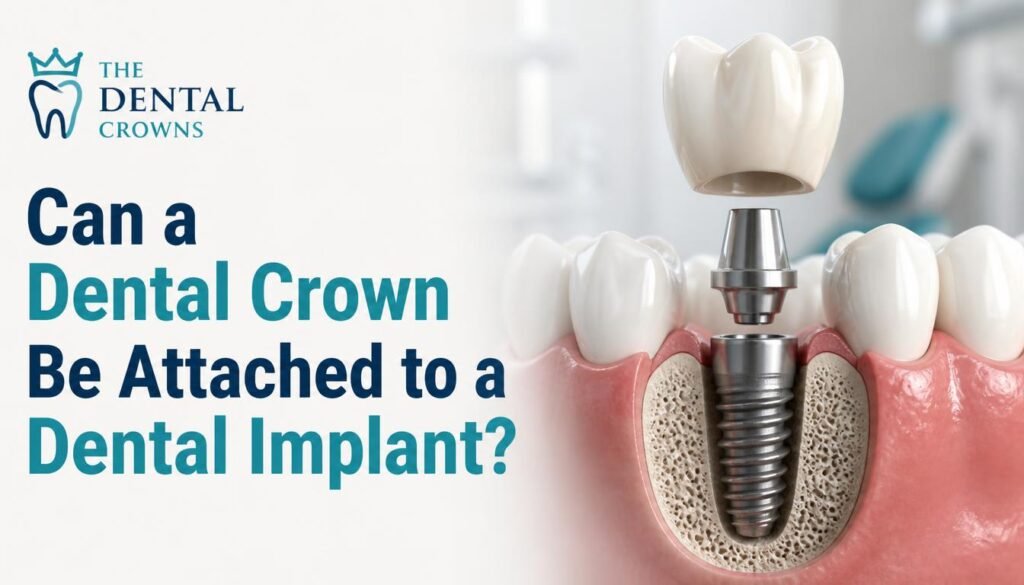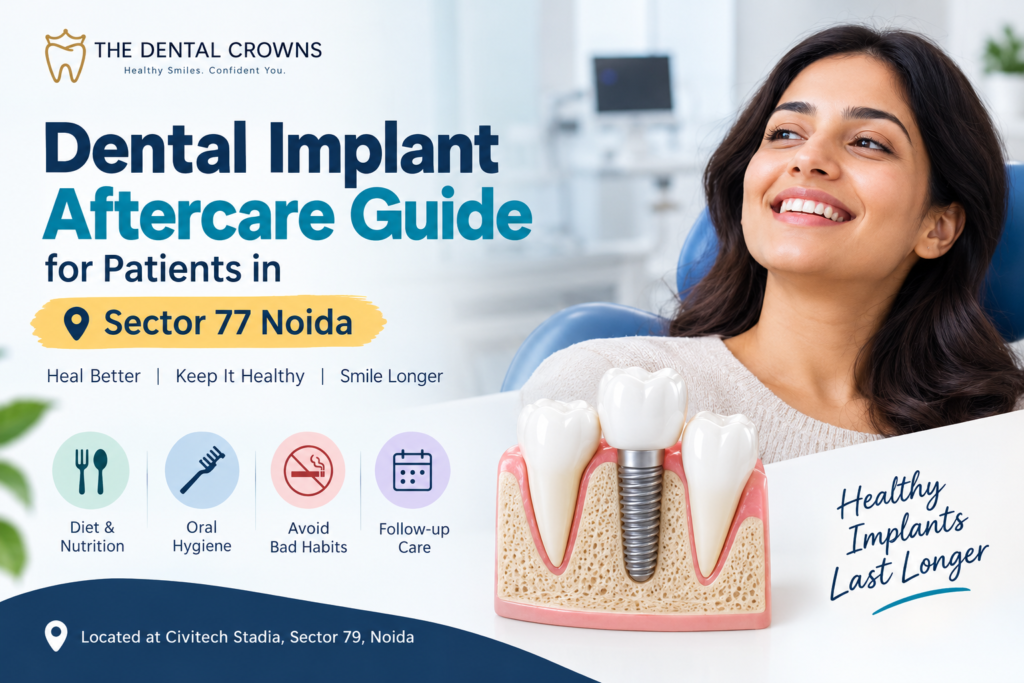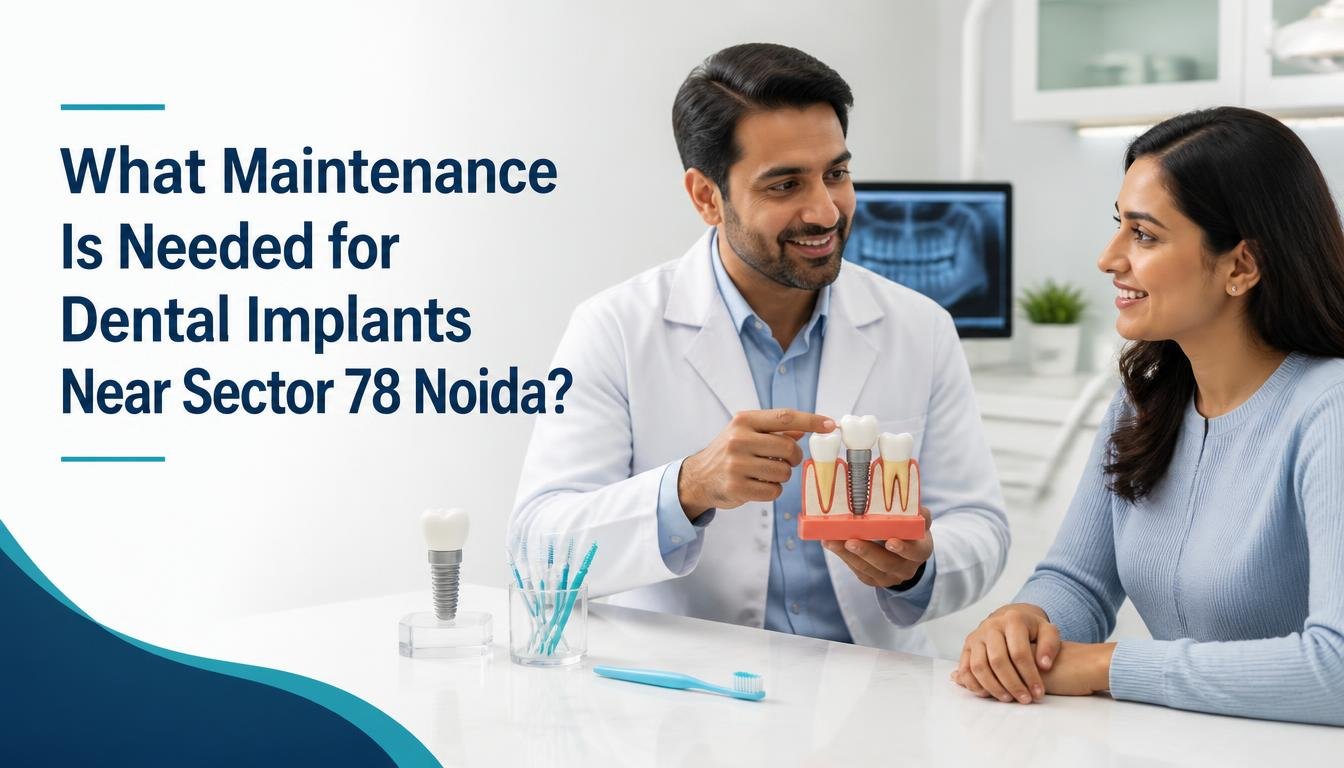
Dental implants are a popular option for replacing missing teeth because they can restore chewing function and provide a natural-looking smile. However, getting a dental implant is only one part of the process. Maintaining the implant and the surrounding gums is equally important for long-term oral health.
If you are looking for dental implant maintenance near Sector 78 Noida, understanding the right cleaning routine, professional check-up schedule and warning signs can help you care for your implant more effectively.
At The Dental Crowns, located in Sector 79, Noida, patients can explore dental implant treatment and discuss personalised oral care with a dental professional. Whether your implant was placed recently or you have had it for several years, consistent maintenance is an important part of protecting your oral health.
Why Is Dental Implant Maintenance Important?
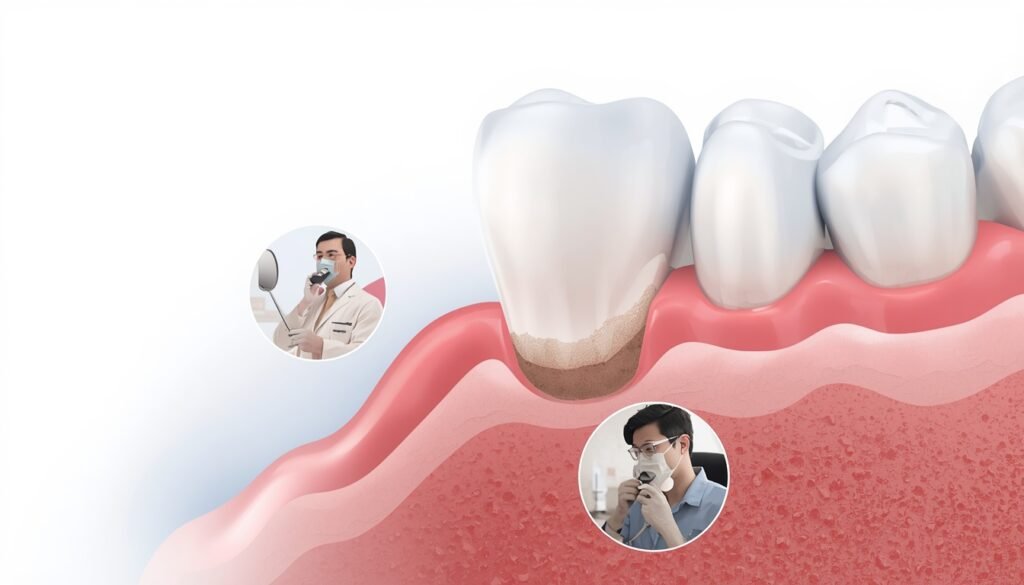
Although dental implants do not develop cavities like natural teeth, the gums and bone surrounding an implant can still develop inflammation or infection.
Plaque can accumulate around the implant-supported crown, abutment and gumline. If it is not removed effectively, it may contribute to peri-implant mucositis, an inflammatory condition affecting the tissues around an implant. In some cases, the disease can progress to peri-implantitis, which involves supporting bone loss.
Proper dental implant maintenance helps you:
- Remove plaque and food debris around the implant.
- Maintain healthy gums and surrounding tissues.
- Identify potential problems before they become more serious.
- Monitor the condition of the implant-supported crown.
- Support the long-term function of your dental restoration.
According to professional guidance on implant care, regular, implant-specific maintenance is recommended to help reduce the risk of peri-implant disease.
1. Brush Your Dental Implants Twice a Day
Brushing is one of the most important parts of daily dental implant care. Even though an implant cannot develop tooth decay, plaque can still collect around its restoration and irritate the surrounding gums.
For effective cleaning:
- Brush twice daily using a soft-bristled toothbrush.
- Use a fluoride toothpaste suitable for your remaining natural teeth, unless your dentist advises otherwise.
- Gently clean around the implant crown and gumline.
- Avoid aggressive brushing that may irritate the gums.
- Follow your dentist’s specific instructions during the initial healing period.
An electric toothbrush may also be useful if it helps you clean consistently and comfortably.
Tip: Do not concentrate only on the visible surface of the replacement tooth. The area where the crown meets the gums also needs careful cleaning.
2. Clean Between Your Teeth and Around the Implant Daily
A toothbrush cannot effectively reach every surface between your teeth. Interdental cleaning helps remove plaque and trapped food from areas that brushing alone may miss.
Depending on your implant design, your dentist may recommend:
- Implant-compatible floss or specialised floss threaders.
- Interdental brushes of an appropriate size.
- A water flosser as an additional cleaning aid.
- Special cleaning tools for implant-supported bridges or dentures.
If you have several implants or a full-arch restoration, the correct technique may differ from the technique used for a single implant.
Avoid forcing floss or an interdental brush into a tight space. Ask your dentist to demonstrate the safest method for your particular restoration.
3. Schedule Regular Professional Dental Check-Ups
Home care is essential, but it cannot replace professional examinations. During a dental implant maintenance appointment, your dentist can evaluate the implant, surrounding gums and replacement crown.
A maintenance visit may include:
- Checking for gum inflammation, bleeding or discharge.
- Assessing plaque accumulation and oral hygiene.
- Examining the stability and condition of the implant-supported restoration.
- Checking your bite and chewing forces.
- Measuring around the implant when clinically appropriate.
- Taking dental X-rays when indicated to assess supporting bone.
For many patients, a six-month interval or shorter may be appropriate, but there is no single schedule that suits everyone. Your dentist may recommend more frequent visits if you have a history of gum disease, smoke, have difficulty cleaning around the implant or have other risk factors.
If you live in Sector 78 Noida, arranging regular dental implant check-ups at a conveniently located clinic can help you maintain a consistent care routine.
4. Watch for Signs of Gum Inflammation
Healthy gums around a dental implant should not have persistent bleeding, swelling or discharge.
Contact your dentist if you notice:
- Redness or swelling around the implant.
- Bleeding during brushing or interdental cleaning.
- Persistent bad breath or an unpleasant taste.
- Pus or discharge near the implant.
- Increasing discomfort or tenderness.
- Changes in the appearance of the gums around the restoration.
These symptoms do not automatically mean that your implant is failing. However, they should not be ignored because early assessment may help identify and manage a developing problem.
If your implant or its crown feels loose, arrange a prompt dental examination. Do not try to tighten or repair it yourself.
5. Avoid Habits That Can Damage Your Dental Implant
Dental implants are designed to withstand normal chewing forces, but excessive pressure and damaging habits can affect the crown, connecting components or surrounding tissues.
To help protect your restoration:
- Avoid chewing ice or biting very hard objects.
- Do not use your teeth to open packets or bottles.
- Discuss teeth grinding or clenching with your dentist.
- Wear a professionally recommended night guard if indicated.
- Follow the recommended diet during implant healing.
- Avoid smoking and seek support to stop if needed.
Smoking is an important risk factor to discuss with your dentist because it can adversely affect gum health and implant outcomes.
6. Maintain a Healthy Diet and Oral Hygiene Routine
A balanced diet supports general health and provides nutrients needed for maintaining healthy oral tissues.
Include a variety of vegetables, fruits, protein sources and other nutritious foods. Limit frequent sugary snacks and drinks to help protect your remaining natural teeth from decay.
After implant surgery, follow your dentist’s instructions about food texture and temperature. Do not return to hard or chewy foods before your clinician says it is appropriate.
Once healing is complete, most patients can gradually return to a normal diet according to their individual treatment plan. However, an implant does not make damaging chewing habits safe.
7. Understand the Difference Between Implant Cleaning and Natural Tooth Cleaning
Many patients assume that because a dental implant is artificial, it requires less care than a natural tooth. This is a common misconception.
| Dental care task | Natural teeth | Dental implants |
|---|---|---|
| Brush twice daily | Yes | Yes |
| Clean between teeth | Yes | Yes |
| Monitor gum health | Yes | Yes |
| Professional dental check-ups | Yes | Yes |
| Risk of natural tooth decay | Yes | No decay in the implant itself |
| Risk of gum or supporting tissue problems | Yes | Yes |
| Professional assessment of the restoration | As needed | Important for implant maintenance |
An implant-supported crown may need repairs or replacement over time, even if the implant itself remains stable. The lifespan of the implant and its restoration depends on several individual factors, including oral hygiene, gum health, bite forces and general health.
8. What Happens During a Dental Implant Maintenance Appointment?
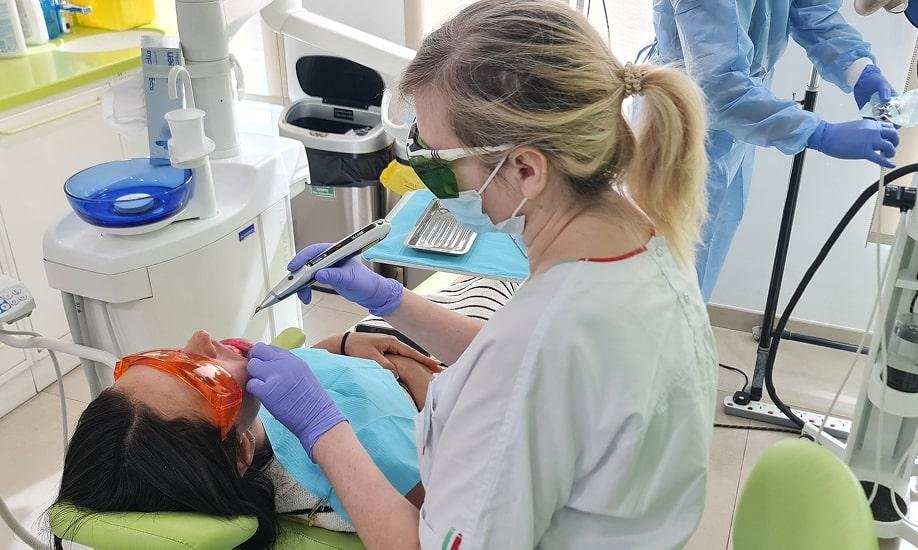
A dental implant maintenance appointment is designed to check whether the implant and its surrounding tissues remain healthy.
Your dentist may begin by asking about any pain, bleeding, chewing difficulty or changes since your previous visit. The implant, gums, surrounding teeth and restoration can then be examined.
If professional cleaning is needed, the dentist or dental hygienist will select suitable instruments and techniques for the implant surface and restoration. Instrument selection matters because inappropriate cleaning tools can damage certain implant components or surfaces.
Dental X-rays are not necessarily required at every appointment. Your dentist will determine whether imaging is appropriate based on your symptoms, clinical findings and previous records.
The goal is to identify potential issues early, reinforce your home-care technique and establish the right maintenance interval for your needs.
When Should You Seek Urgent Dental Advice?
Do not wait for your next routine appointment if you experience severe or worsening pain, increasing swelling, fever, pus or significant bleeding around an implant.
A suddenly loose implant-supported crown also needs prompt assessment. If the implant itself feels mobile, seek urgent dental evaluation.
Your dentist can determine whether the issue involves the crown, connecting components, gums or supporting bone and recommend appropriate treatment.
Where Can You Get Dental Implant Maintenance Near Sector 78 Noida?
If you live in Sector 78 Noida and need advice about an existing dental implant, The Dental Crowns is located at Civitech Stadia, Sector 79, Noida.
The clinic offers dental services including dental implants, dental crowns, bridges and other restorative treatments. Patients can discuss their implant concerns, oral hygiene technique and recommended follow-up schedule with a dental professional.
The Dental Crowns
Address: Shop No. 16, First Floor, Civitech Stadia, Sector 79, Noida, Uttar Pradesh 201301
Phone: +91 89202 71787
Website: https://thedentalcrowns.in/
If you have an implant that has not been checked recently, schedule an examination to understand its current condition and the maintenance it requires.
Frequently Asked Questions
How often should dental implants be professionally cleaned?
The frequency depends on your gum health, implant design, oral hygiene and individual risk factors. Many patients benefit from check-ups around every six months, while others may need more frequent maintenance.
Can dental implants get cavities?
The implant itself cannot develop tooth decay. However, the surrounding gums and supporting bone can develop inflammatory conditions, and the natural teeth around the implant can still develop cavities.
What is the best way to clean dental implants at home?
Brush twice a day with a soft-bristled toothbrush and clean between your teeth daily using a suitable interdental tool. Follow your dentist’s instructions for cleaning around your particular implant or implant-supported restoration.
Is flossing safe around dental implants?
Yes, appropriate interdental cleaning is important. The best tool depends on the space around the implant and the type of restoration. Ask your dentist to demonstrate the correct technique.
Can a dental implant become infected years after treatment?
Yes. Inflammation and infection around an implant can occur even years after placement. Persistent bleeding, swelling, discharge or other unusual symptoms should be assessed by a dentist.
Does a dental implant need replacement after a few years?
Not necessarily. Implants can function for many years, but longevity varies. The crown or other restoration may need maintenance or replacement separately from the implant itself.
Is professional cleaning necessary if my implant feels fine?
Yes. Problems around an implant may develop without obvious pain in the early stages. Regular examinations allow your dentist to assess the surrounding tissues and restoration.
Where can I get dental implant care near Sector 78 Noida?
The Dental Crowns in Sector 79, Noida, offers dental implant treatment and related dental services. Contact the clinic to discuss your concerns and arrange an appointment.
Conclusion
Maintaining dental implants near Sector 78 Noida involves consistent brushing, daily interdental cleaning, regular professional examinations and attention to any unusual changes around the implant.
Although dental implants do not develop cavities, the surrounding gums and supporting bone still need protection. Choosing suitable cleaning tools, avoiding damaging habits and following your dentist’s personalised maintenance plan can help support the long-term health of your implant.
If you have a dental implant and want to understand the right maintenance routine, contact The Dental Crowns in Sector 79, Noida, for professional guidance.
Book a dental consultation to discuss your dental implant maintenance needs.
Medical disclaimer: This article is for general educational purposes and is not a substitute for a dental examination, diagnosis or personalised treatment advice. Follow your treating dentist’s instructions, particularly during implant healing.