Experiencing persistent tooth pain, sensitivity, or discomfort while chewing can be worrying, especially when your dentist tells you that the root canal inside your tooth has become calcified. If you are searching for calcified root canal treatment near Sector 76 Noida, understanding this dental condition can help you make informed decisions about your oral health.
Calcification inside a tooth can make root canal treatment more complex because the natural canal space may become narrow or difficult to locate. However, calcification does not automatically mean that the tooth must be extracted. Depending on the tooth’s condition, symptoms, and diagnostic findings, a dentist may recommend a carefully planned root canal procedure or another appropriate treatment option.
At The Dental Crowns, Sector 79, Noida, patients from Sector 76 and nearby areas can seek a dental consultation to understand their symptoms and discuss suitable treatment options.
What Is a Calcified Root Canal?
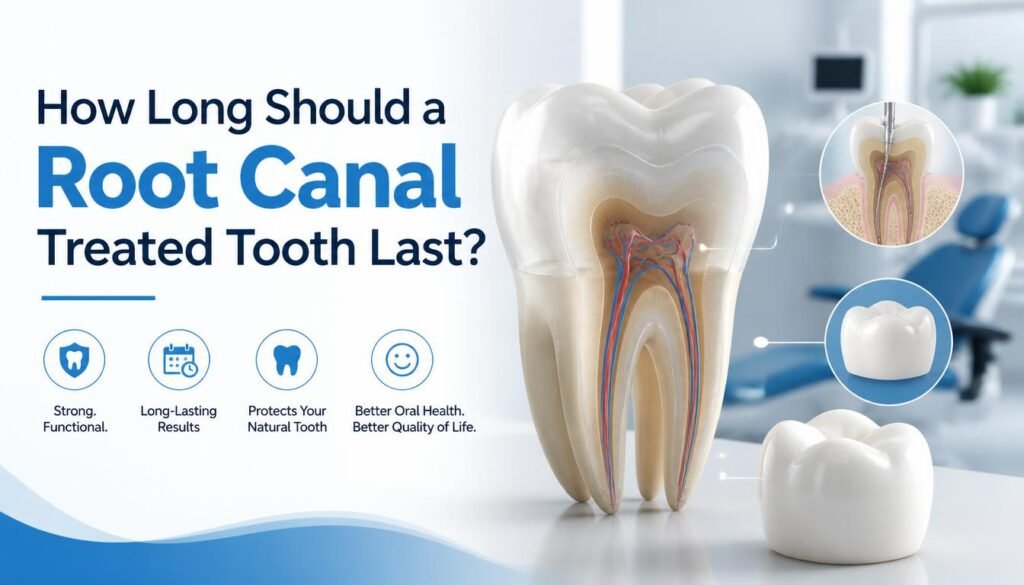
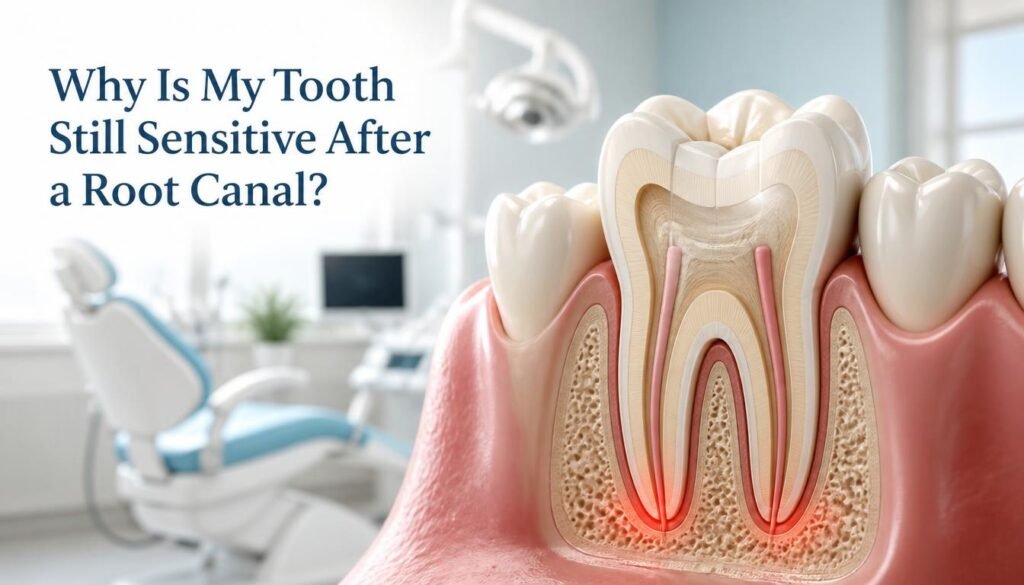
A calcified root canal is a condition in which hard mineralised tissue gradually builds up inside the tooth’s pulp chamber or root canal space. This can reduce the space available for the nerves, blood vessels, and other soft tissues normally present inside the tooth.
Dentists may also describe this condition as pulp canal obliteration or canal calcification.
When the pulp becomes infected or inflamed and root canal treatment is necessary, calcification can make it harder for the dentist to locate and clean the narrow canal system.
What Causes Root Canal Calcification?
Several factors may contribute to calcification inside a tooth.
1. Dental trauma or injury
An accident, sports injury, or direct impact to a tooth may trigger changes inside the pulp. Calcification can develop as part of the tooth’s response to the injury.
2. Age-related changes
Mineral deposits may gradually accumulate inside the pulp chamber and root canals as a person gets older. This does not necessarily mean the tooth is infected or requires treatment.
3. Long-term irritation
Deep tooth decay, repeated dental procedures, or other forms of irritation may contribute to changes in the pulp tissue.
4. Previous dental treatment
Some teeth develop additional mineralised tissue after dental treatment or irritation. Your dentist will assess your dental history and current tooth condition to understand the possible cause.
What Are the Signs and Symptoms of a Calcified Root Canal?
Calcification itself may not cause noticeable symptoms. Many cases are identified during routine dental examinations or imaging.
However, if the tooth also has pulp inflammation, infection, or another dental problem, you may experience:
- Persistent toothache or spontaneous pain.
- Sensitivity to hot or cold foods and drinks.
- Discomfort while biting or chewing.
- Gum tenderness or swelling around the affected tooth.
- Tooth discolouration following a previous injury.
- Pain or signs of infection in a tooth that has undergone earlier dental treatment.
These symptoms do not confirm calcification on their own. A clinical examination and appropriate diagnostic tests are needed to identify the underlying problem.
If you have facial swelling, fever, rapidly worsening pain, or difficulty swallowing or breathing, seek urgent medical or dental care.
How Is a Calcified Root Canal Diagnosed?
Accurate diagnosis is essential before starting treatment. Your dentist may use a combination of the following methods.
Clinical examination
The dentist examines the affected tooth, checks your symptoms, and assesses the surrounding gums and tissues.
Dental X-rays
Dental radiographs can help reveal the shape of the roots, the available canal space, signs of infection, and other changes around the tooth.
Advanced dental imaging
In selected complex cases, a dentist or endodontist may recommend cone-beam computed tomography (CBCT). This three-dimensional imaging technique can provide additional information when conventional X-rays do not adequately show the canal anatomy.
CBCT is not necessary for every patient. It should be considered when the expected diagnostic benefit justifies the additional radiation exposure.
What Is Calcified Root Canal Treatment?
Calcified root canal treatment is an approach to root canal therapy for teeth in which the canals have become significantly narrowed or partially or completely obscured by mineralised tissue.
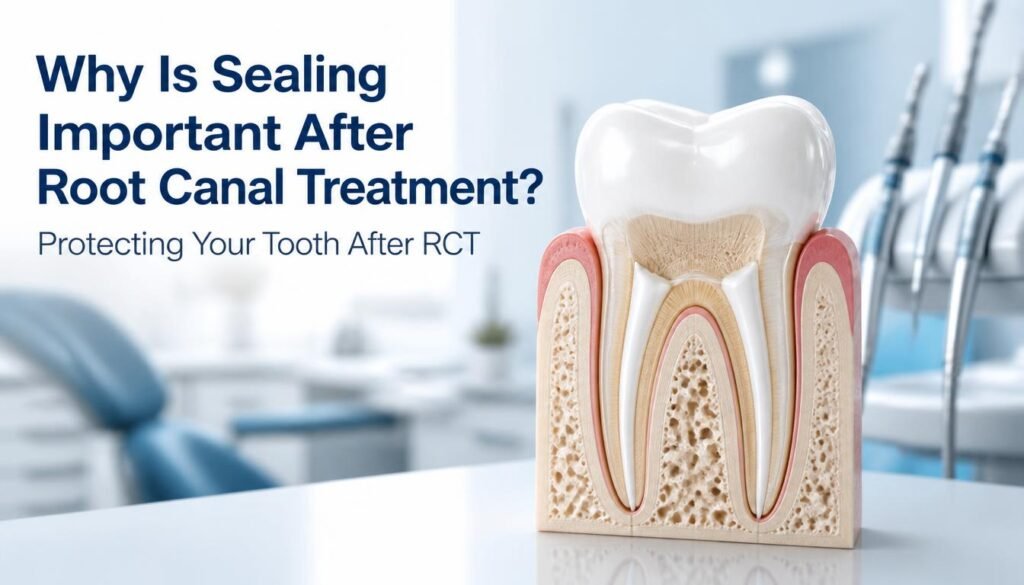
The objective, when treatment is indicated and the tooth can be restored, is to access the canal system, remove infected or inflamed pulp tissue, clean and disinfect the canals, and seal them to reduce the risk of reinfection.
Because the canal openings may be difficult to locate, these cases can require additional planning, specialised instruments, magnification, and clinical expertise.
Step 1: Examination and treatment planning
Your dentist reviews your symptoms, dental history, and imaging to determine whether root canal treatment is appropriate.
Step 2: Locating the root canals
The dentist carefully identifies the canal openings. Magnification and enhanced illumination may help in selected cases.
Step 3: Gaining access to the canals
Specialised dental instruments may be used to create a controlled pathway into the narrow canal space. This step requires care to reduce the risk of damaging the tooth.
Step 4: Cleaning and disinfection
If the canals can be safely accessed, the dentist cleans and shapes the root canal system and uses appropriate irrigation to help remove debris and microorganisms.
Step 5: Filling and sealing
Once the canal system has been adequately prepared, it is filled with a suitable root canal material and sealed.
Step 6: Restoring the tooth
A permanent filling or dental crown may be recommended, depending on how much healthy tooth structure remains and the tooth’s position and functional demands.
The number of appointments and the treatment approach vary according to the complexity of the case.
Can a Calcified Root Canal Be Treated Successfully?
In many cases, treatment may be possible, but the outcome depends on the extent and location of calcification, the root anatomy, the presence of infection, and the amount of healthy tooth structure remaining.
Some calcified canals can be located and treated using conventional methods with appropriate magnification and instruments. More complex cases may benefit from assessment by an endodontist, a dentist specialising in diseases and treatment of the dental pulp and root canal system.
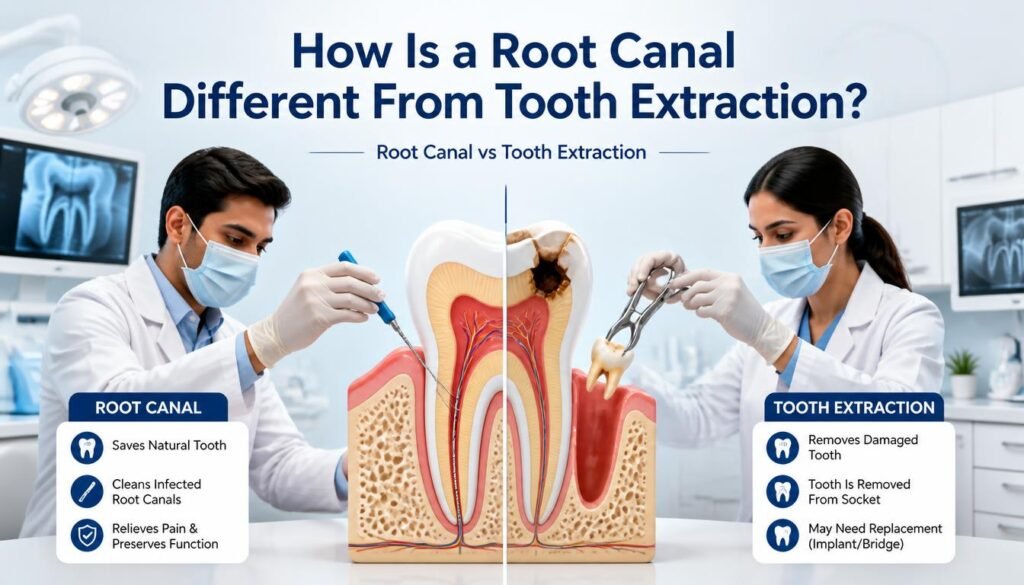
If the canal cannot be safely accessed, the dentist may discuss alternative options. Depending on the diagnosis, these could include monitoring an asymptomatic tooth, specialist referral, selected surgical treatment, or extraction when the tooth cannot predictably be saved.
No single treatment is suitable for every patient. Your dentist should explain the benefits, limitations, risks, and alternatives before proceeding.
Is Calcified Root Canal Treatment Painful?
Root canal treatment is generally performed under local anaesthesia to reduce discomfort during the procedure. A calcified canal can make treatment technically more challenging, but complexity does not automatically mean that the procedure will be painful.
Some tenderness or sensitivity may occur after treatment. Your dentist can explain what level of discomfort to expect and how to manage it safely.
If you experience severe or increasing pain, swelling, or symptoms that return after treatment, contact your dental professional promptly.
What Is the Cost of Calcified Root Canal Treatment Near Sector 76 Noida?
The cost of calcified root canal treatment varies from patient to patient. It is generally influenced by the complexity of the canal system and the additional care required.
Factors that may affect the total cost include:
- The tooth being treated and the number of roots.
- The extent of calcification and difficulty locating the canals.
- Whether advanced imaging or specialist treatment is required.
- Whether the tooth has an existing crown or previous root canal treatment.
- The type of permanent filling or dental crown needed.
- The number of appointments and follow-up requirements.
A reliable estimate should be provided after examining the tooth and reviewing any necessary imaging. Ask your dentist for a treatment plan that separates the cost of the root canal procedure from the cost of the final restoration.
Avoid choosing treatment solely on the lowest quoted price. Diagnosis, appropriate infection control, safe canal preparation, and a suitable final restoration are important considerations.
Why Is a Dental Crown Sometimes Needed After Root Canal Treatment?
A tooth that has undergone root canal treatment may need a crown if substantial tooth structure has been lost through decay, cracks, previous restorations, or access required for treatment.
A crown covers and protects the remaining tooth structure and helps restore chewing function. However, not every root-canal-treated tooth automatically requires a crown. The decision depends on the tooth’s condition, position, and remaining strength.
Read our guide to dental crown treatment near Sector 76 Noida to understand when a crown may be recommended.
Where Can You Get Calcified Root Canal Treatment Near Sector 76 Noida?
If you live in Sector 76 Noida and have been told that your tooth has a calcified root canal, begin with a proper dental assessment rather than assuming the tooth needs extraction.
The Dental Crowns is located at Civitech Stadia, Sector 79, Noida, and offers root canal treatment among its dental services. Patients from Sector 76 and surrounding sectors can contact the clinic to discuss their symptoms and arrange an evaluation.
During your consultation, consider asking:
- Is my tooth calcified, infected, or both?
- Do I actually need root canal treatment?
- Can the canal be treated safely in my case?
- Would an endodontist or advanced imaging be helpful?
- Will I need a crown after treatment?
- What are the expected costs, risks, and alternatives?
You can also explore our root canal treatment planning guide for patients from Sector 76 Noida before your visit.
Frequently Asked Questions
1. What does a calcified root canal mean?
It means mineralised tissue has narrowed or obscured part of the pulp chamber or root canal space. The condition may be discovered on an X-ray and does not always require immediate treatment.
2. Does a calcified tooth always need a root canal?
No. Calcification alone does not automatically mean that root canal treatment is necessary. The dentist considers symptoms, pulp health, clinical findings, and imaging before recommending treatment.
3. Can a severely calcified root canal be treated?
Some severely calcified canals can be treated, but success depends on the tooth’s anatomy, the degree of obstruction, available clinical expertise, and the presence of infection. A specialist opinion may be appropriate for complex cases.
4. How long does calcified root canal treatment take?
Treatment time varies with the tooth, the degree of calcification, and the complexity of the procedure. Some cases require additional appointments or specialist assessment.
5. Is a dental X-ray necessary for calcified root canal treatment?
Dental X-rays are commonly used to evaluate root anatomy and possible infection. Additional imaging, such as CBCT, may be considered in selected complex cases when it is likely to change treatment planning.
6. Will I need a crown after calcified root canal treatment?
Possibly. A crown may be recommended when the tooth has lost substantial structure or requires additional protection. Your dentist will assess the tooth before deciding on the restoration.
7. Where can I consult for calcified root canal treatment near Sector 76 Noida?
You can contact The Dental Crowns at Civitech Stadia, Sector 79, Noida, to ask about a dental assessment for a calcified root canal. Whether the clinic or a specialist should provide the treatment will depend on your individual case.
Book a Dental Consultation
A calcified root canal can be challenging, but an accurate diagnosis can help identify the most appropriate next step. If you have persistent tooth pain, sensitivity, swelling, or have been told that a root canal is calcified, arrange a dental assessment rather than delaying care.
The Dental Crowns
Civitech Stadia, Sector 79, Noida, Uttar Pradesh 201301
Phone: +91 89202 71787
Visit The Dental Crowns to learn more about available dental services and contact the clinic for an appointment.
Disclaimer: This article is for general educational purposes only and does not replace an individual dental examination, diagnosis, or treatment advice.