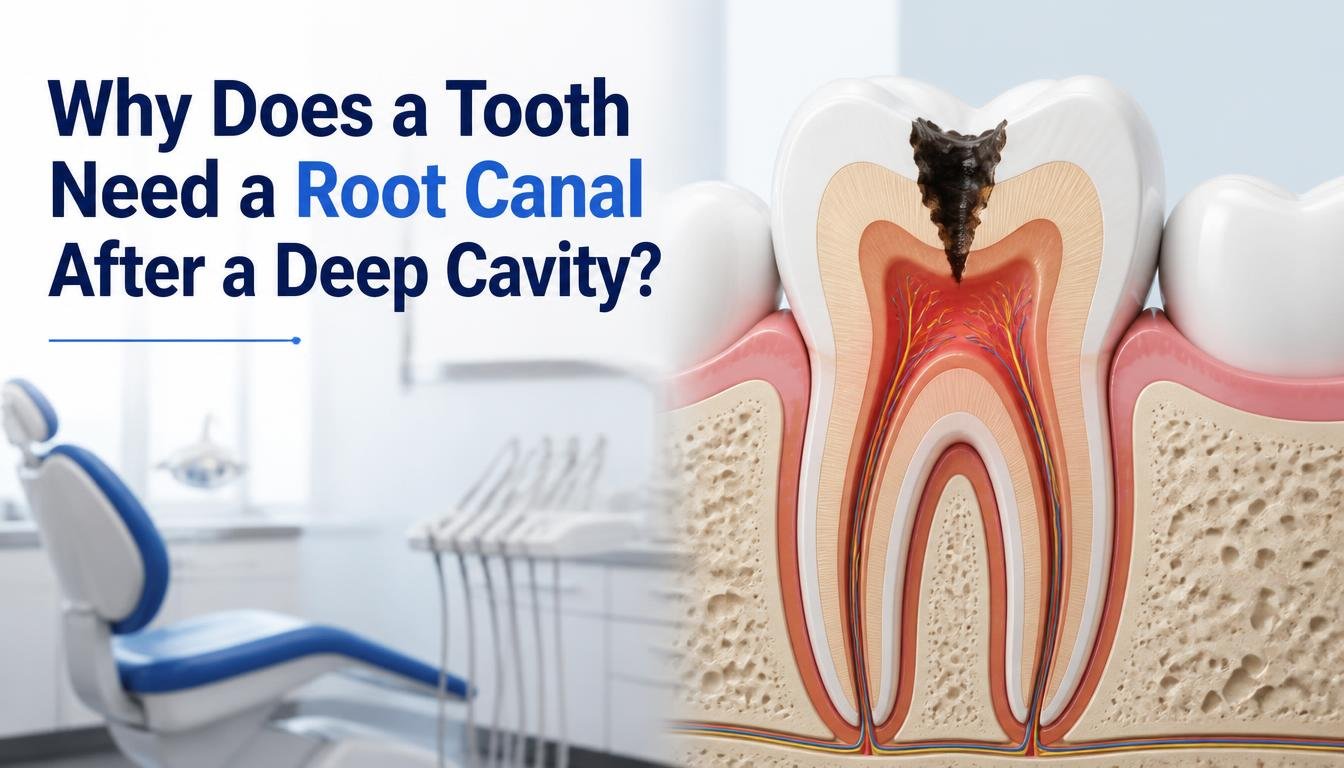
A cavity may start as a small hole in the tooth, but when tooth decay progresses deep into the inner part of the tooth, a simple filling may no longer be enough. In some cases, a deep cavity can reach the dental pulp, causing inflammation or infection. When this happens, your dentist may recommend a root canal treatment to remove the infected tissue and save the natural tooth.
But why does a deep cavity sometimes require a root canal? What happens inside the tooth, and can it be avoided?
Let’s understand the connection between deep cavities and root canal treatment.
What Is a Deep Cavity?
A cavity is an area of tooth decay caused by acids produced by bacteria in dental plaque. Early tooth decay may not cause noticeable symptoms, but as decay progresses, it can penetrate through the enamel and dentin toward the pulp.
The pulp is the soft tissue located inside the tooth. It contains nerves, blood vessels and connective tissue.
When decay reaches or gets extremely close to the pulp, bacteria can enter the inner part of the tooth. This can result in inflammation or infection.
According to the American Association of Endodontists, deep decay is one of the common reasons a patient may need root canal treatment.
Why Does a Deep Cavity Require a Root Canal?
The main reason is that the cavity may have reached the pulp of the tooth.
A filling is designed to remove decay and restore the damaged portion of the tooth. However, if the pulp has become irreversibly inflamed or infected, simply placing a filling may not resolve the underlying problem.
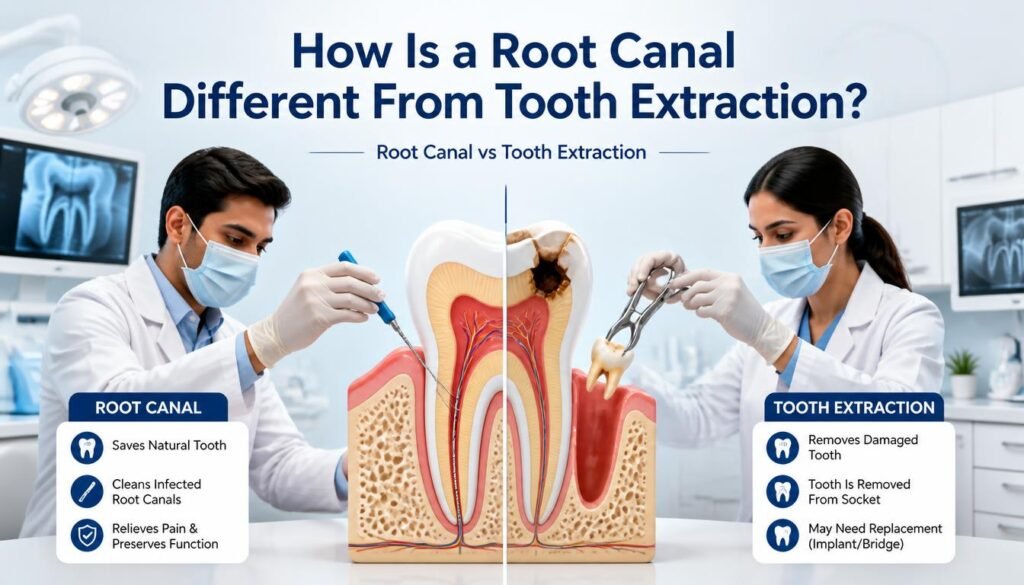
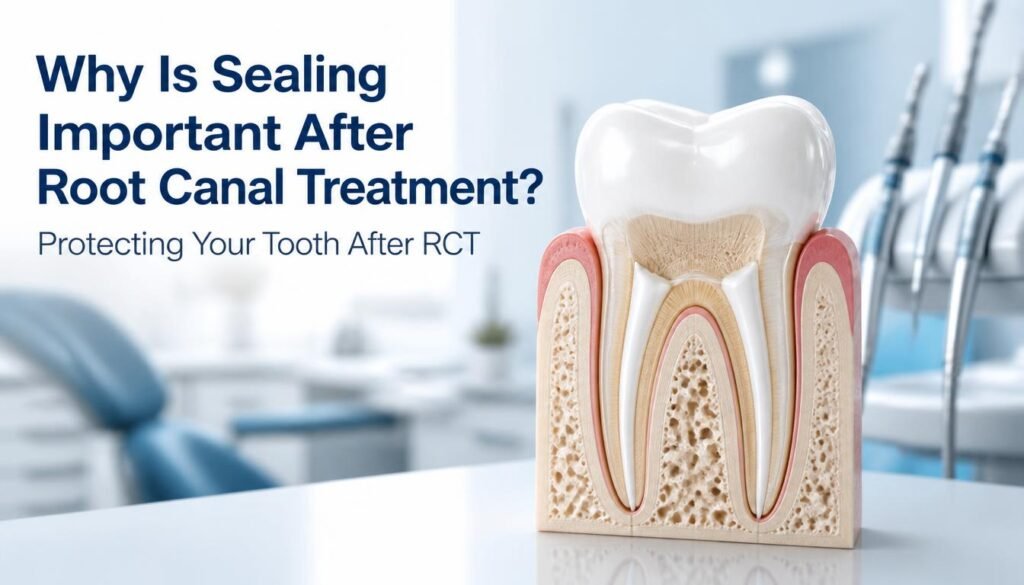
During a root canal, the dentist removes the inflamed or infected pulp, cleans and disinfects the root canals, and then seals the inside of the tooth.
This allows the dentist to treat the infection while preserving the natural tooth.
What Happens When a Cavity Reaches the Tooth Pulp?
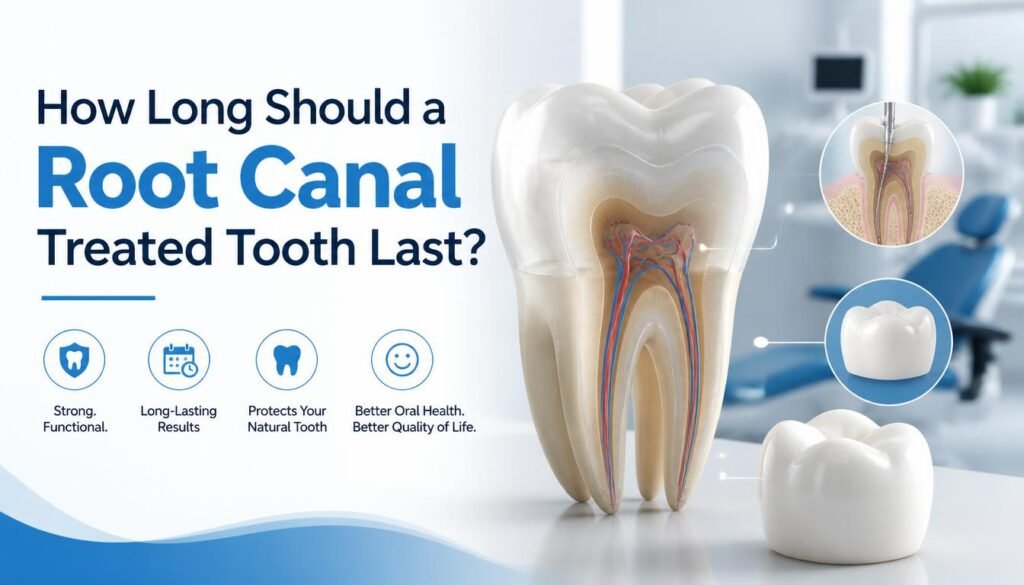
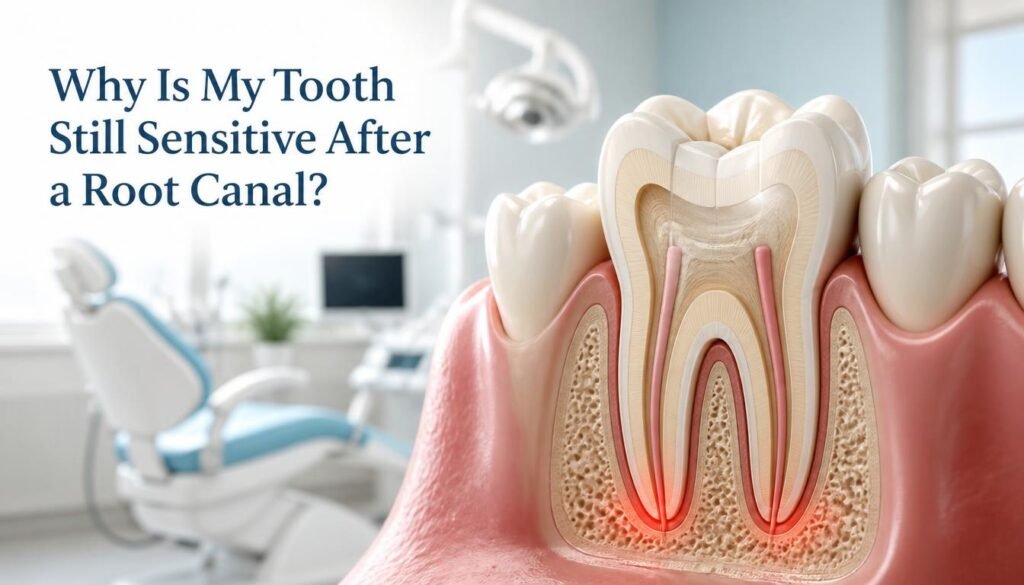
A tooth has several layers:
- Enamel – the hard outer layer.
- Dentin – the layer underneath the enamel.
- Pulp – the innermost part containing nerves and blood vessels.
When decay remains limited to the outer layers, a dentist may be able to remove the decay and restore the tooth with a filling.
However, if bacteria reach the pulp, the situation becomes more serious.
The pulp may become:
- Inflamed
- Infected
- Painful
- Damaged beyond natural recovery
If the infection is left untreated, it can spread beyond the tooth and may eventually result in an abscess.
That is why treating a deep cavity early can sometimes prevent the need for more extensive dental treatment.
Can a Deep Cavity Be Treated With a Filling Instead of a Root Canal?
Not every deep cavity requires a root canal.
The appropriate treatment depends on how far the decay has progressed and the condition of the pulp.
If the pulp remains healthy and the dentist can remove the decay without causing irreversible damage, a filling or another restorative treatment may be possible.
However, if the pulp is infected or irreversibly inflamed, root canal treatment may be recommended.
Your dentist may evaluate the tooth using:
- Your dental history
- Symptoms
- Clinical examination
- Sensitivity tests
- Dental X-rays
- Assessment of the amount of remaining healthy tooth structure
This is why it is important not to assume that every large cavity automatically means a root canal.
What Are the Signs That a Deep Cavity May Need a Root Canal?
Some symptoms can indicate that decay has affected the pulp. However, symptoms can vary, and some infected teeth may not cause severe pain.
Possible warning signs include:
1. Persistent Toothache
Pain that continues rather than disappearing quickly can indicate that the tooth’s inner tissues are irritated or infected.
2. Sensitivity to Hot or Cold
If your tooth remains sensitive to hot or cold after the source of the temperature has been removed, it is worth having the tooth examined.
3. Pain While Biting or Chewing
Pain when putting pressure on a particular tooth can occur when inflammation or infection has affected tissues around the root.
4. Swollen or Tender Gums
Swelling near the affected tooth can be a sign of infection.
5. Gum Boil or Pimple
A small pimple-like bump on the gum near a tooth may be associated with a dental infection.
6. Darkening of the Tooth
A tooth that becomes noticeably darker may require dental evaluation, particularly when there is a history of trauma or extensive decay.
The American Association of Endodontists lists symptoms such as severe pain when chewing, prolonged hot/cold sensitivity, swollen or tender gums and deep decay among signs that may be associated with the need for endodontic treatment.
Does a Root Canal Remove the Whole Tooth?
No.
This is one of the most common misunderstandings about root canal treatment.
A root canal is performed to save the natural tooth, not remove it.
During the procedure, the dentist removes the infected or inflamed pulp from inside the tooth. The canals are then cleaned, disinfected, filled and sealed.
The outer structure of the natural tooth remains in place.
The American Association of Endodontists explains that root canal treatment is designed to remove infected pulp, clean and disinfect the root canal system, and seal the tooth to prevent reinfection.
What Happens During Root Canal Treatment After a Deep Cavity?
Although treatment varies depending on the tooth and the extent of infection, root canal treatment generally involves several steps.
Step 1: Examination
The dentist examines the tooth and may take an X-ray to evaluate the decay and surrounding structures.
Step 2: Local Anaesthesia
Local anaesthesia is generally used to numb the area so that the procedure can be performed comfortably.
Step 3: Removing the Infected Pulp
The dentist creates an opening in the tooth and removes the inflamed or infected pulp.
Step 4: Cleaning the Root Canals
The canals are carefully cleaned and shaped to remove bacteria and infected material.
Step 5: Filling and Sealing
The cleaned canals are filled and sealed to reduce the risk of reinfection.
Step 6: Restoring the Tooth
Depending on the amount of tooth structure remaining, the dentist may recommend a filling or dental crown to restore and protect the tooth.
The NHS describes root canal treatment as removing infection from inside the tooth, cleaning and filling the space, and sealing it to help prevent further infection.
Why Is a Crown Sometimes Recommended After a Root Canal?
A tooth that has undergone root canal treatment may have significant structural damage, especially when the original cavity was large.
A crown can cover and protect the remaining tooth structure when the dentist determines that additional protection is needed.
The NHS notes that a crown may be required when a tooth has been badly infected.
For more information about dental crowns and other treatments available at The Dental Crowns, visit the Dental Services page.
What Happens If You Delay Treatment for a Deep Cavity?
Ignoring a deep cavity does not make the decay disappear.
Tooth decay can continue progressing toward the pulp. If the pulp becomes infected, the infection may extend into the tissues around the root and potentially form an abscess.
In some cases, untreated infection can ultimately result in tooth extraction if the tooth cannot be successfully treated or restored.
The NHS explains that untreated infection inside a tooth may result in the tooth needing to be removed if root canal treatment is not carried out.
Therefore, getting a cavity checked early may help prevent it from progressing to a more complicated problem.
Is Root Canal Treatment Painful?
Modern root canal treatment is performed using local anaesthesia, and the goal is to treat the source of dental pain and infection.
The American Association of Endodontists states that root canal treatment is generally comparable to other routine dental procedures when appropriate anaesthesia is used. Some soreness or sensitivity may occur after treatment and generally improves during recovery.
If you have significant dental anxiety or concerns about discomfort, discuss them with your dentist before treatment.
Can a Deep Cavity Be Prevented?
You cannot always prevent every cavity, but good oral hygiene and regular dental examinations can reduce the risk of extensive tooth decay.
Helpful habits include:
- Brush your teeth twice a day with fluoride toothpaste.
- Clean between your teeth every day using floss or interdental cleaning tools.
- Limit frequent sugary foods and drinks.
- Do not ignore tooth sensitivity or toothache.
- Attend regular dental check-ups.
- Have cavities treated before they become extensive.
The NHS recommends brushing with fluoride toothpaste, cleaning between teeth daily and having regular dental check-ups as part of maintaining oral health.
Frequently Asked Questions
Can a deep cavity always be saved without a root canal?
No. If decay has affected the pulp and caused irreversible inflammation or infection, root canal treatment may be required to save the tooth. The exact treatment depends on the condition of the tooth.
How do I know if my cavity has reached the nerve?
Persistent sensitivity, spontaneous toothache, pain when chewing, swelling or other symptoms may indicate pulp involvement, but symptoms alone cannot confirm the diagnosis. A dentist may need to perform an examination and dental X-rays.
Can a cavity cause an infection?
Yes. If decay progresses into the pulp, bacteria can cause an infection inside the tooth. An untreated infection may spread and contribute to an abscess.
Does every root canal need a crown?
Not necessarily. Whether a crown is recommended depends on factors such as the tooth involved, the amount of healthy tooth structure remaining and the risk of fracture. Your dentist can determine the appropriate restoration.
What happens if I don’t get a root canal?
If the pulp is infected and the infection remains untreated, the problem may progress and could eventually lead to an abscess or tooth loss.
Can a root canal save a badly decayed tooth?
In many cases, root canal treatment can help save a natural tooth when the tooth is still restorable. The dentist must first determine whether enough healthy tooth structure remains to restore it.
Final Thoughts
A deep cavity does not automatically mean that you need a root canal, but when tooth decay reaches the pulp and causes significant inflammation or infection, a root canal may be necessary.
The purpose of root canal treatment is to remove infection from inside the tooth, clean and seal the root canals, and preserve the natural tooth whenever possible.
If you have persistent tooth pain, prolonged sensitivity, pain while chewing, swelling or a deep cavity, it is better to have the tooth examined rather than waiting for symptoms to become severe.
For patients looking for root canal treatment in Noida, The Dental Crowns provides dental treatment services, including painless root canal treatment, at its clinic in Sector 79, Noida.
Book a dental consultation to determine whether your tooth needs a filling, root canal treatment or another form of dental restoration.