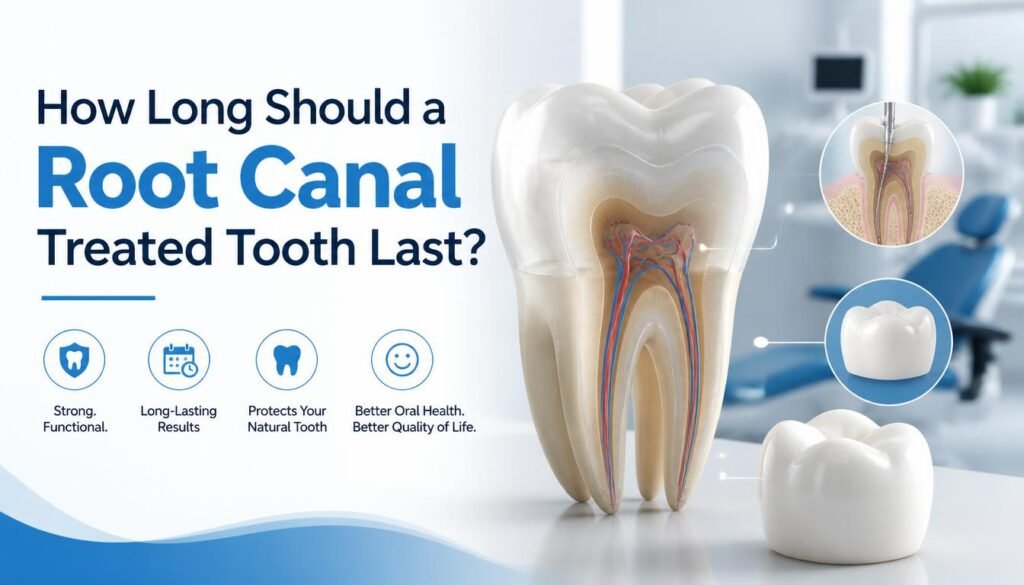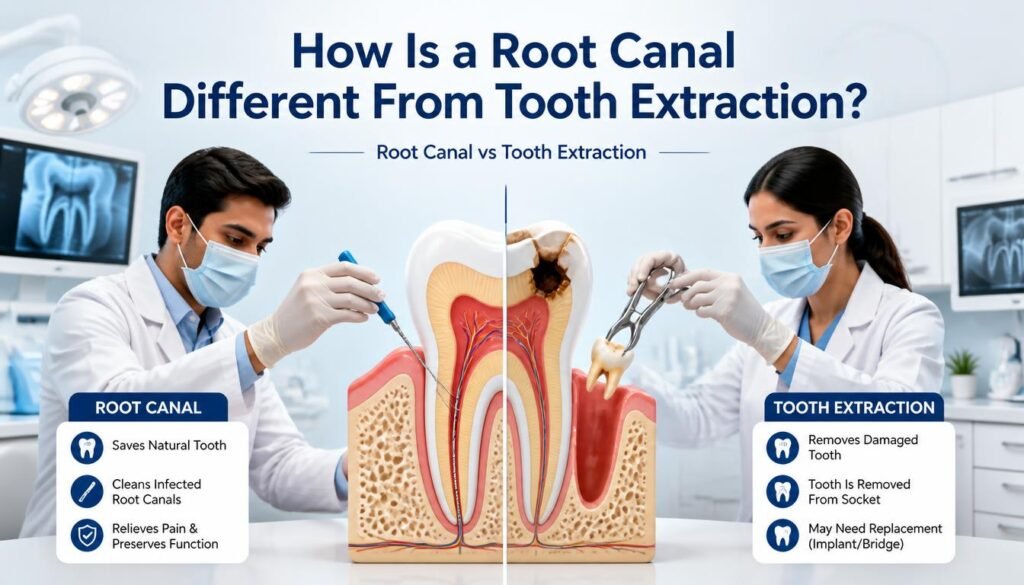
Root canal treatment is designed to remove infection or inflammation from inside a tooth, clean and disinfect the root canal system, and seal the treated canals. But completing the root canal procedure is not necessarily the final step in protecting the tooth.
Proper sealing and restoration after root canal treatment are important because they help prevent bacteria, saliva and food particles from entering the treated tooth again. The tooth may also require a filling, onlay, or dental crown depending on how much healthy tooth structure remains.
If you have recently undergone root canal treatment in Noida, understanding why sealing matters can help you protect your treated tooth and reduce the risk of future complications.
Quick answer: Sealing after root canal treatment helps protect the treated tooth from contamination and supports the long-term restoration of the tooth. A properly restored tooth is better protected from bacterial leakage, new decay and damage caused by chewing forces.
What Does Sealing Mean After Root Canal Treatment?
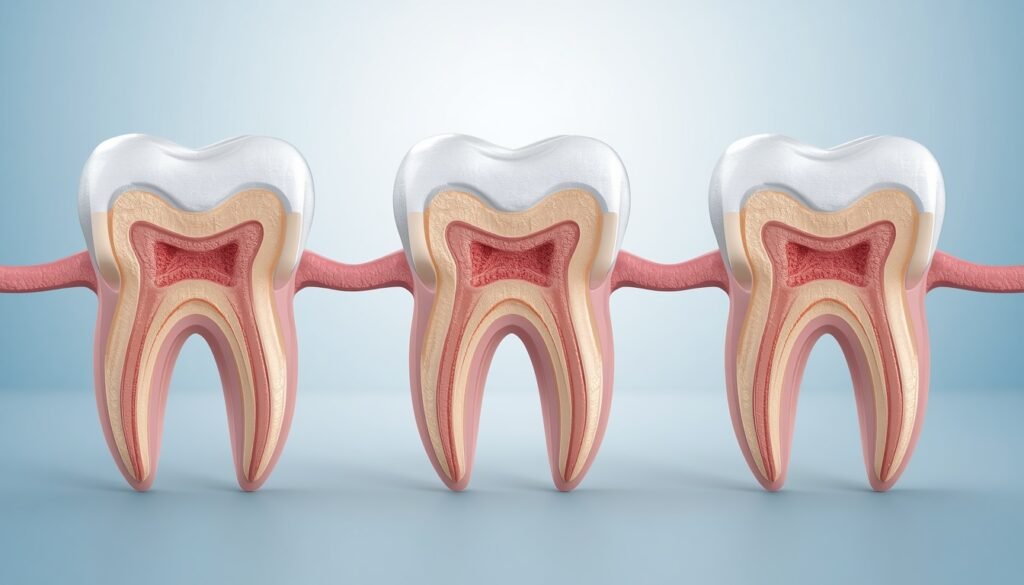
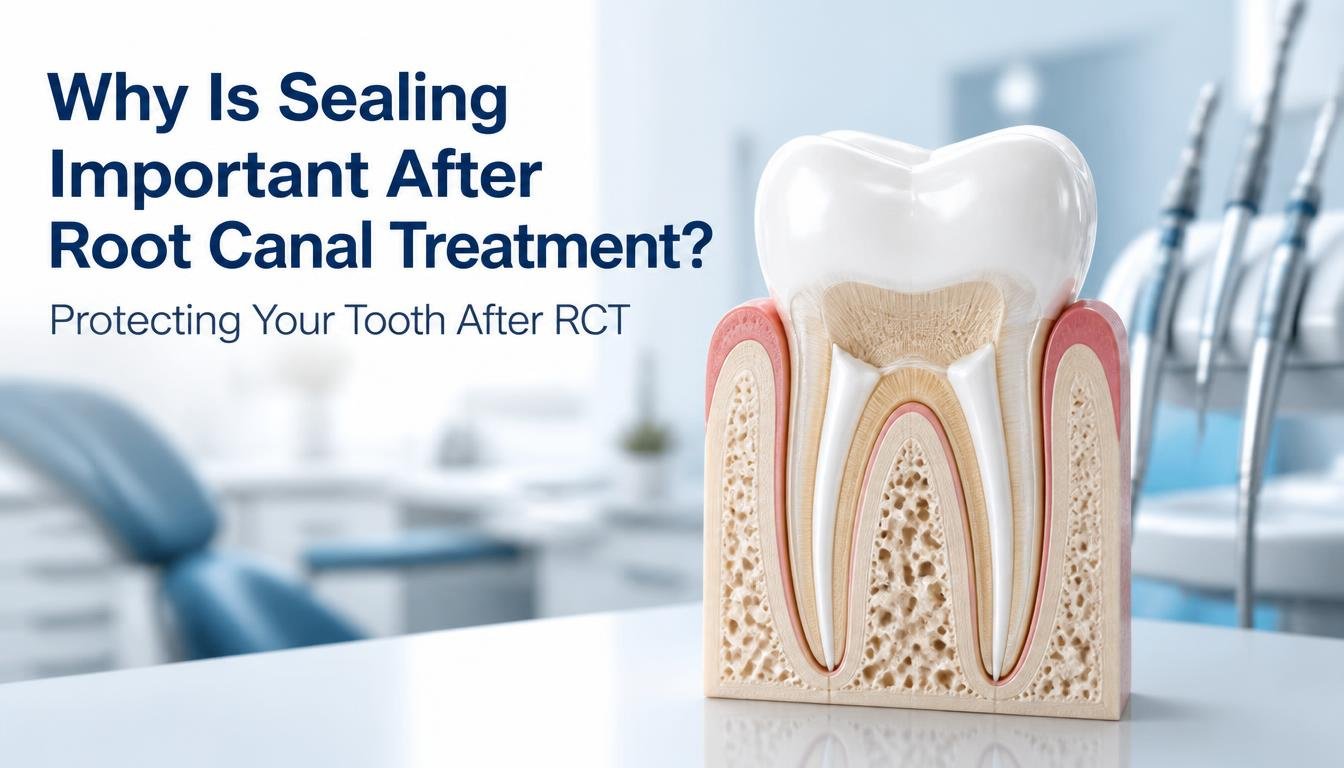
During root canal treatment, the infected or inflamed pulp is removed from inside the tooth. The dentist then cleans, shapes and disinfects the root canals before filling them with suitable materials.
The tooth also needs to be restored so that the treated area is protected from the oral environment.
Sealing can therefore involve two important areas:
- Sealing the cleaned root canal system
- Restoring the opening created in the tooth during treatment
Depending on the condition of the tooth, the final restoration may be a dental filling, onlay, dental crown or another appropriate restoration.
The NHS explains that after root canal treatment, the tooth is cleaned, filled and sealed to help prevent it from becoming infected again.
Why Is Sealing Important After Root Canal Treatment?
1. It Helps Prevent Bacterial Contamination
Your mouth naturally contains bacteria. After root canal treatment, the inside of the tooth needs to remain protected from this oral environment.
If bacteria and saliva gain access through a defective, loose or damaged restoration, the treated area can become contaminated.
The American Association of Endodontists notes that a loose, cracked or broken filling or crown can expose a previously treated tooth to new infection.
This is why proper sealing is an important part of protecting the result of root canal treatment.
2. It Helps Reduce the Risk of Reinfection
Root canal treatment removes infected or inflamed pulp and cleans the internal canal system. However, the treated tooth still needs protection after the procedure.
If the tooth becomes exposed to bacteria again because of leakage, new decay or a damaged restoration, another infection can develop.
Proper sealing creates an important barrier between the treated tooth and the bacteria-rich environment of the mouth.
If you want to understand the reasons a tooth may require root canal treatment in the first place, read our guide on What Causes a Tooth to Need Root Canal Treatment?
3. It Protects the Root Canal Filling
The root canals are filled after they have been cleaned and disinfected.
That filling needs to remain protected from contamination. If the restoration above the root canal becomes damaged or does not provide an adequate seal, bacteria and fluids may gain access to the treated area.
The American Association of Endodontists emphasizes the importance of an appropriate restoration following endodontic treatment because an inadequately restored tooth can be vulnerable to coronal leakage and fracture.
4. It Helps Protect the Remaining Tooth Structure
A tooth that needs root canal treatment may already have lost a significant amount of structure because of:
- Deep dental decay
- Large fillings
- Cracks
- Fractures
- Previous dental treatment
- Trauma
The amount of healthy tooth structure left after treatment is an important factor when deciding how the tooth should be restored.
A suitable restoration can help protect the remaining tooth structure from everyday chewing forces.
5. It Helps Prevent Leakage Around the Restoration
Even when the root canal procedure itself has been completed properly, the restoration remains important.
A filling or crown that becomes cracked, loose or damaged can create a pathway through which bacteria and oral fluids reach the treated tooth.
This is one reason patients should not ignore a loose filling, broken crown, or unusual gap around a restoration.
If you notice something has changed with your restoration after root canal treatment, arrange a dental examination.
6. It Helps Restore Normal Tooth Function
Root canal treatment deals with infection or inflammation inside the tooth, but the tooth still needs to function during eating and chewing.
A properly selected restoration can help restore:
- Tooth shape
- Chewing function
- Structural support
- Protection
- Appearance, where appropriate
The appropriate restoration depends on the individual tooth and the amount of healthy structure remaining.
Is a Dental Crown Always Needed After Root Canal Treatment?
No, not every tooth that receives root canal treatment automatically requires a dental crown.
The appropriate restoration depends on several factors, including:
- Which tooth was treated
- How much healthy tooth structure remains
- The amount of chewing pressure on the tooth
- Existing fillings
- Presence of cracks or fractures
- Tooth location
- The patient’s bite
- Overall oral health
For some teeth, a filling or other conservative restoration may be appropriate.
For teeth that have lost substantial structure, a dental crown may be recommended to provide additional protection.
You can also read our detailed guide:
Do You Need a Dental Crown After Root Canal Treatment?
The NHS also notes that a crown may be needed when a tooth has been badly affected and requires additional protection.
Why Are Back Teeth Often Given Extra Protection?
Premolars and molars experience considerable chewing forces.
If a back tooth has lost substantial structure because of decay, a large restoration, cracks or root canal treatment, your dentist may recommend a crown or another protective restoration.
However, the decision should be based on an examination of the individual tooth rather than assuming every root-canal-treated tooth needs the same type of restoration.
What Happens If a Root Canal Tooth Is Not Properly Sealed?
An inadequately sealed or damaged restoration can allow bacteria and saliva to enter the treated tooth.
Depending on the situation, this may contribute to:
- New infection
- Persistent or returning symptoms
- New dental decay
- Damage to the restoration
- Tooth fracture
- Need for additional dental treatment
- Possible root canal retreatment
The American Association of Endodontists specifically identifies new decay and loose, cracked or broken restorations as possible ways a previously treated tooth can become exposed to new infection.
This does not mean that every damaged restoration will automatically cause treatment failure. However, a damaged or loose restoration should be professionally evaluated.
Can a Root Canal-Treated Tooth Get Infected Again?
Yes.
Root canal treatment is intended to treat infection inside the tooth, but a previously treated tooth can develop a new problem.
Possible contributing factors include:
- New decay
- Bacterial contamination
- Inadequate sealing
- A loose or cracked restoration
- Complex root canal anatomy
- Persistent infection
- Tooth fracture
- Problems with the original treatment
If you experience swelling, persistent pain, pain while biting, or other unusual symptoms after root canal treatment, contact your dentist for an examination.
How Soon Should a Tooth Be Sealed After Root Canal Treatment?
The timing depends on the condition of the tooth and the treatment plan recommended by your dentist.
Some teeth can receive their permanent restoration soon after root canal treatment, while others may temporarily receive a restoration before the final restoration is placed.
The important point is that the tooth should be appropriately protected according to the dentist’s recommendation.
The American Association of Endodontists recommends definitive restoration of the access opening or appropriate core buildup when possible after completion of root canal therapy.
Do not delay a recommended restoration simply because your tooth is no longer painful.
Root Canal Sealing vs Dental Crown: What’s the Difference?
These two terms are sometimes confused.
Root Canal Sealing
Root canal sealing refers to sealing the cleaned and filled root canal system and restoring the access opening so that the treated area is protected from contamination.
Dental Crown
A dental crown is a restoration that covers the visible portion of a tooth.
A crown may be recommended when the tooth has lost enough structure that additional protection is needed.
In simple terms:
Root canal treatment addresses the inside of the tooth, while the final restoration helps seal, protect and restore the tooth.
What Are the Signs That a Sealed Root Canal Tooth Needs Attention?
Contact your dentist if you notice any of the following:
Persistent or Increasing Pain
Mild tenderness can occur after treatment, but persistent or worsening pain should be evaluated.
Swelling
Swelling around the treated tooth or gum can indicate a problem that requires professional assessment.
Pain While Biting
Pain when chewing or biting can have several causes and should not be ignored.
Loose Filling or Crown
A loose restoration can compromise the protection of the treated tooth.
Cracked or Broken Restoration
A damaged restoration may allow bacteria and oral fluids to reach the tooth.
Bad Taste or Discharge
An unusual taste or discharge around the treated tooth should be assessed by a dental professional.
Can Good Oral Hygiene Replace Proper Sealing?
No.
Brushing and flossing are essential for maintaining oral health, but daily oral hygiene cannot replace an appropriately fitted restoration.
Good oral hygiene helps reduce plaque and the risk of new decay. However, if a filling or crown is loose, cracked or broken, professional treatment may be necessary.
That is why both proper restoration and regular oral hygiene are important after root canal treatment.
How Can You Protect a Tooth After Root Canal Treatment?
After root canal treatment, consider these general care measures:
1. Complete the Recommended Restoration
If your dentist recommends a permanent filling, onlay or dental crown, follow the recommended treatment schedule.
2. Avoid Excessive Pressure Until the Tooth Is Fully Restored
If a temporary restoration has been placed, your dentist may advise you to avoid heavy chewing on that side until the final restoration is completed.
3. Maintain Good Oral Hygiene
Brush twice a day and clean between your teeth according to your dentist’s recommendations.
4. Attend Follow-Up Appointments
Follow-up appointments allow your dentist to assess the restoration, bite, healing and any symptoms.
5. Report New Symptoms
Do not ignore swelling, increasing pain, a loose restoration, pain while biting or other unusual changes.
For more information, see our guide on How Can You Protect a Tooth After Root Canal Treatment?
Root Canal Treatment and Dental Restoration in Noida
If you are looking for root canal treatment in Noida, it is important to consider the complete treatment process rather than focusing only on the root canal procedure.
At The Dental Crowns, patients can discuss root canal treatment, dental crowns and other restorative dental treatment options based on their individual dental condition.
You can explore the clinic’s The Dental Crowns – Dental Services to learn more about available treatment options.
Patients who have recently completed treatment can also read our guide to Root Canal Follow-Up Care Near Sector 78 Noida
Frequently Asked Questions
Is sealing necessary after root canal treatment?
An appropriately sealed and restored tooth is important for protecting the treated area from contamination and supporting the long-term restoration of the tooth.
Why is sealing important after root canal treatment?
Sealing helps prevent bacteria, saliva and other contaminants from entering the treated tooth. It also helps protect the root canal filling and remaining tooth structure.
Do I always need a crown after root canal treatment?
No. The need for a crown depends on the amount of remaining tooth structure, tooth location, chewing forces, cracks, existing restorations and other clinical factors.
Can a root canal tooth get infected again?
Yes. New decay, bacterial contamination, a damaged restoration, tooth fracture or other problems can contribute to infection in a previously treated tooth.
What happens if I delay my permanent restoration?
Delaying the recommended restoration can leave the tooth less protected from contamination or structural damage. Your dentist can advise you about the appropriate timing for your particular tooth.
Can I eat normally after root canal treatment?
Your dentist may recommend avoiding heavy chewing on the treated tooth until the permanent restoration has been completed, particularly when a temporary restoration is present.
Why does my root canal tooth hurt after treatment?
Some tenderness may occur after treatment. However, severe, persistent or worsening pain should be assessed by your dentist.
Can a filling be used instead of a crown?
Sometimes. The appropriate restoration depends on the amount of remaining healthy tooth structure and the clinical needs of the tooth.
When should I contact a dentist after root canal treatment?
Contact your dentist if you experience persistent or increasing pain, swelling, pain while biting, a loose or broken restoration, or a return of symptoms.
Final Takeaway
Sealing is an important part of protecting a tooth after root canal treatment.
Root canal treatment removes infected or inflamed pulp, cleans the root canal system and fills the treated canals. But the tooth still needs an appropriate restoration to protect it from the oral environment.
Depending on the tooth’s condition, your dentist may recommend a filling, onlay, dental crown or another restoration.
The best approach is to follow your dentist’s restoration plan, maintain good oral hygiene, attend follow-up appointments and seek professional advice if you notice pain, swelling, a loose crown, a broken filling or other unusual symptoms.
If you have recently had a root canal treatment in Noida and are unsure whether you need a filling, crown or another type of restoration, consult a dental professional for an examination.
Disclaimer: This article is for general educational purposes and does not replace a professional dental examination, diagnosis or personalized treatment plan.