A dental crown is designed to protect and restore a damaged or weakened tooth, but it is not necessarily a lifetime restoration. Over time, a crown can become worn, cracked, loose or affected by problems underneath it. So, how do you know when a dental crown needs to be replaced?
Common warning signs include a loose crown, visible cracks or chips, recurring tooth sensitivity or pain, decay around the crown, changes in your bite, bad taste or breath, and noticeable wear.
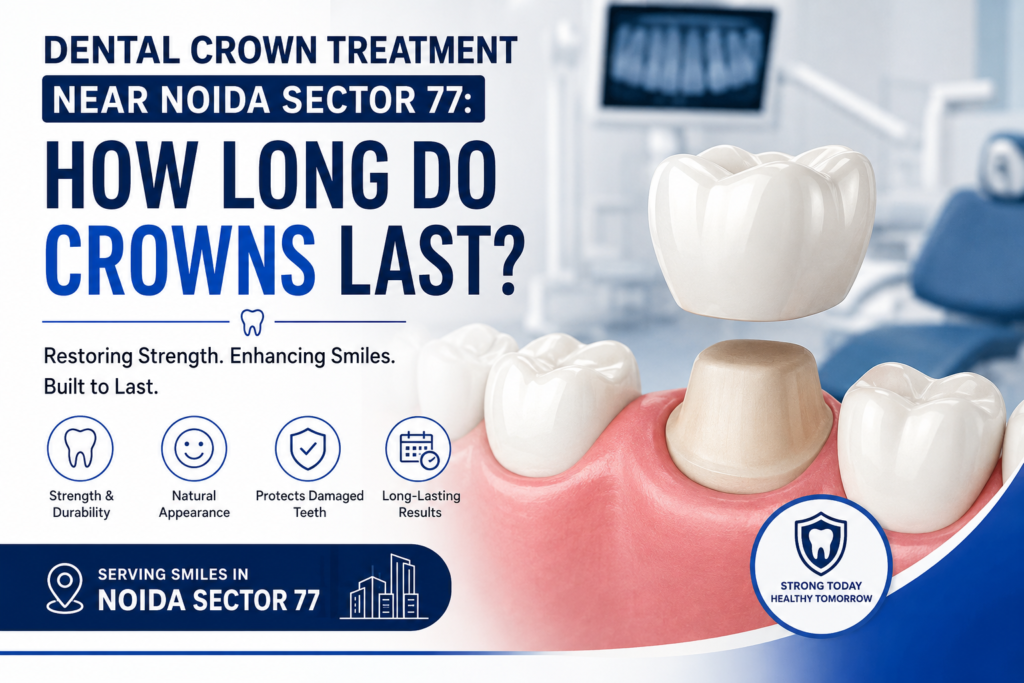
Dental crowns can often last for many years with proper care. Cleveland Clinic notes that crowns commonly last around 5 to 15 years, although their lifespan varies depending on the material, oral hygiene, bite forces and individual circumstances.
If you have an older crown or are experiencing changes around a crowned tooth, a dental examination can help determine whether the crown can still be maintained, repaired or needs replacement.
What Is a Dental Crown?
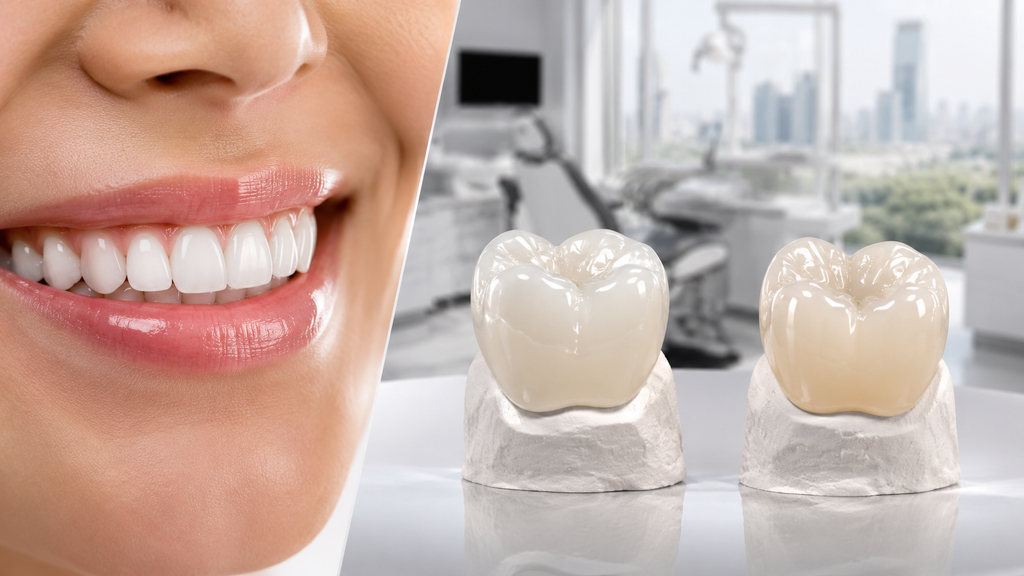
A dental crown is a custom-made cap that covers a damaged or weakened tooth. It can help restore the tooth’s shape, strength, appearance and chewing function.
Crowns may be recommended for teeth that have:
- Extensive decay
- Significant damage or fractures
- Large existing restorations
- Severe wear
- Been treated with root canal treatment
- Cosmetic concerns requiring full-tooth coverage
The Dental Crowns provides porcelain dental crown treatment in Noida, with crowns designed to restore both appearance and function.
For more information about the treatment, see our Porcelain Dental Crowns page.
How Long Do Dental Crowns Last?
There is no single expiration date for every dental crown.
A crown’s lifespan depends on several factors, including:
- The crown material
- Quality and accuracy of the fit
- Oral hygiene
- Tooth location
- Bite pressure
- Teeth grinding or clenching
- Diet and habits
- Condition of the natural tooth underneath
- Regular dental examinations
According to Cleveland Clinic, dental crowns generally last 5 to 15 years with proper care, although some can last longer.
This means you should not automatically replace a crown simply because it has reached a particular number of years. Instead, your dentist should assess its condition and the health of the tooth underneath it.
7 Signs Your Dental Crown May Need to Be Replaced
1. Your Dental Crown Feels Loose
One of the clearest warning signs is a crown that moves when you bite or touch it with your tongue.
A loose crown may occur because the cement has failed, the crown has been damaged or the tooth underneath has developed a problem.
You should not try to glue a loose crown back yourself. Contact your dentist so the crown and underlying tooth can be examined.
A loose or broken crown may require prompt dental attention.
What should you do?
Avoid chewing hard or sticky foods on that side and arrange a dental examination as soon as possible.
2. You See a Crack or Chip in the Crown
Dental crowns are strong, but they can still fracture or chip.
A small cosmetic chip does not always mean the entire crown must be replaced. Depending on the location and extent of the damage, your dentist may determine whether repair or replacement is appropriate.
However, a significant crack can compromise the crown’s ability to protect the tooth.
Cleveland Clinic lists cracks, chips and sharp edges among reasons to contact a dentist when you have a crown.
Common causes of crown damage include:
- Biting very hard foods
- Trauma
- Teeth grinding
- Clenching
- Normal long-term wear
- Accidental impact
If you notice a crack, don’t wait for the crown to completely break before getting it checked.
3. You Have Tooth Pain or Increasing Sensitivity
A crowned tooth that becomes painful after years of being comfortable deserves attention.
Sensitivity to hot or cold can have different causes, and pain does not automatically mean that the crown itself needs replacing.
The problem could involve:
- Decay around or underneath the crown
- Gum problems
- Tooth fracture
- Infection
- Problems with the tooth’s nerve
- An issue with the crown’s fit
If the crowned tooth has previously undergone root canal treatment, new symptoms should also be evaluated by a dentist.
The Dental Crowns offers Painless Root Canal Treatment in Noida for teeth requiring endodontic care.
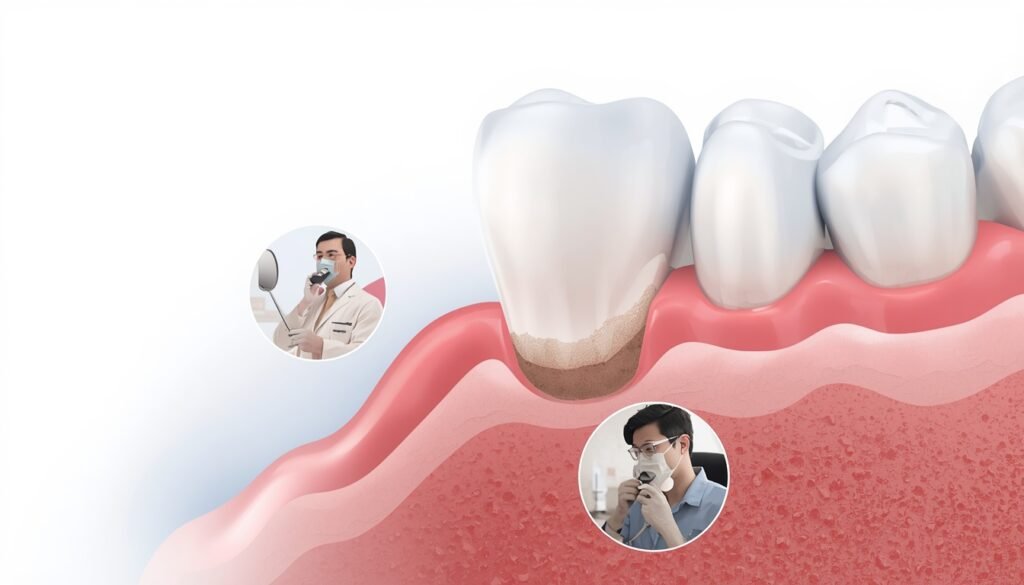
4. There Is Decay Around the Crown
A dental crown protects the visible portion of a tooth, but it does not make the tooth immune to decay.
If bacteria and plaque accumulate around the crown margin, decay can develop in the remaining natural tooth structure.
A poorly fitting crown can also contribute to bacterial accumulation. Cleveland Clinic notes that crowns can trap bacteria and contribute to decay when they do not fit properly.
Your dentist may use a clinical examination and, when appropriate, dental X-rays to determine whether decay is present.
Depending on the extent of the problem, treatment could involve repairing the restoration, replacing the crown or treating the tooth underneath it.
5. Your Crown No Longer Fits Properly
Your crown should feel stable and comfortable during normal chewing.
If your bite suddenly feels different or the crown feels too high, low or uncomfortable, it should be examined.
A change in your bite can sometimes be related to:
- Crown wear
- Crown damage
- Movement of surrounding teeth
- Changes in your bite
- Tooth grinding
- Problems with the underlying tooth
Do not ignore a persistent bite change simply because the crown looks normal from the outside.
6. You Notice a Bad Taste or Persistent Bad Breath
A persistent bad taste or unusual odor around a crowned tooth may indicate a problem that needs examination.
Possible causes can include plaque accumulation, gum inflammation, leakage around a restoration or infection.
Cleveland Clinic specifically recommends contacting a dentist if you have a crown accompanied by bad breath or a bad taste.
Good oral hygiene is important even when you have a crown. Continue brushing twice daily and cleaning between your teeth every day unless your dentist gives you different instructions.
7. Your Crown Is Severely Worn or Very Old
Dental crowns experience daily chewing forces.
Over many years, the crown can become worn. The extent of wear depends on factors such as the crown material, tooth position and individual bite.
An older crown does not automatically need replacement. However, if your dentist notices significant wear, poor margins, damage or other problems, replacement may be recommended.
Regular dental examinations make it easier to identify these changes before they become more serious.
Does a Dental Crown Always Need to Be Replaced?
No.
A damaged-looking or older crown does not automatically mean that replacement is necessary.
In some situations, a dentist may determine that the crown can be:
- Monitored
- Adjusted
- Repaired
- Polished or maintained
- Recemented
- Replaced
The appropriate option depends on the condition of both the crown and the natural tooth underneath it.
Modern dentistry increasingly considers preservation of healthy tooth structure when managing defective restorations. The American Dental Association has reported that dentists may repair certain defective restorations rather than automatically replacing them, depending on the clinical situation.
That is why a professional examination is important before deciding that a crown needs to be replaced.
Can a Dental Crown Be Repaired Instead of Replaced?
Sometimes, yes.
A minor defect may be repairable depending on its location, size and effect on the crown.
For example, a small localized defect may not require complete removal of the restoration.
However, if the crown has a major fracture, recurrent decay, poor fit or significant structural failure, replacement may be necessary.
Your dentist will assess:
- The crown itself
- The tooth underneath
- The crown margins
- Your gums
- Your bite
- Any signs of decay or infection
- The amount of remaining healthy tooth structure
This assessment helps determine the most conservative appropriate treatment.
What Happens During Dental Crown Replacement?
If your dentist determines that your crown needs replacement, the process will depend on your individual condition.
Generally, the dentist will:
Step 1: Examine the tooth
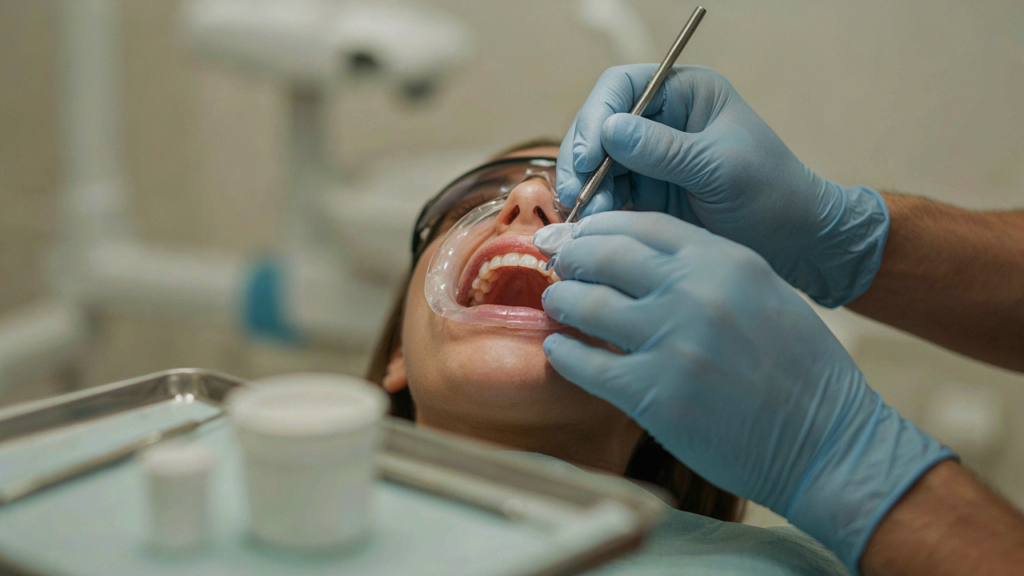
The dentist evaluates the crown, gums and underlying tooth. X-rays may be recommended if there is concern about decay, infection or the tooth’s supporting structures.
Step 2: Remove the existing crown
The old crown is carefully removed so the tooth underneath can be assessed.
Step 3: Treat any underlying problem
If there is decay, infection, damage or another issue, it may need to be treated before a new crown is placed.
For teeth requiring root canal therapy, [Root Canal Treatment] may be considered based on the dentist’s diagnosis.
Step 4: Prepare the tooth
If the tooth is suitable for another crown, the dentist prepares it for the new restoration.
Step 5: Create the new crown
A new crown is fabricated to fit the tooth and complement the surrounding teeth.
Step 6: Check the fit
The dentist checks the crown’s shape, fit, bite and appearance before permanently placing it.
The exact number of appointments and treatment steps can vary depending on the tooth and clinical situation.
What If the Crown Falls Out?
If your dental crown falls out, don’t panic.
Keep the crown in a clean container and contact your dentist.
Avoid chewing on the affected side and don’t attempt to permanently attach the crown yourself.
A dentist needs to determine whether the crown can be safely re-cemented or whether a new restoration is required.
A broken or loose crown is considered a reason to seek dental care, particularly when accompanied by pain or other symptoms.
How Can You Make Your Dental Crown Last Longer?
Although no crown lasts forever, good oral care can help protect the restoration and the natural tooth underneath it.
Follow these habits:
Brush twice a day:
Use fluoride toothpaste and a soft-bristled toothbrush.
Clean between your teeth:
Floss or use another dentist-recommended interdental cleaning method every day.
Avoid extremely hard foods:
Ice, very hard nuts and other hard objects can damage dental restorations.
Don’t use your teeth as tools:
Avoid opening packages or biting non-food objects.
Address teeth grinding:
If you clench or grind your teeth, ask your dentist whether a custom night guard is appropriate.
Attend regular dental check-ups:
Routine examinations allow your dentist to monitor the crown and the tooth beneath it.
Cleveland Clinic also recommends regular dental cleanings and examinations to help maintain crowns.
When Should You See a Dentist About an Old Crown?
You should schedule an examination if:
- Your crown is loose
- The crown has cracked or chipped
- You experience persistent pain
- Sensitivity has developed or increased
- Food frequently gets trapped around the crown
- Your bite feels different
- You notice a bad taste or odor
- The gum around the crown is swollen or uncomfortable
- You can see decay around the crown
- The crown has become significantly worn
- Your crown has fallen out
You don’t necessarily have to wait until a crown causes pain. Some crown problems may develop without obvious symptoms.
Dental Crown Replacement in Noida
If you are looking for dental crown replacement in Noida, choosing an experienced dental professional can help you understand whether your existing crown should be repaired, monitored or replaced.
The Dental Crowns is located at Civitech Stadia, Sector 79, Noida, and provides a range of general, cosmetic and surgical dental services. The clinic’s listed services include porcelain crowns, root canal treatment, dental implants and laser dentistry.
You can explore the clinic’s Porcelain Dental Crowns service to learn more about crown treatment options.
If your crowned tooth also requires treatment for infection or a previous root canal problem, discuss your symptoms with your dentist before proceeding with crown replacement.
Frequently Asked Questions About Dental Crown Replacement
How do you know when a dental crown needs to be replaced?
Common signs include a loose crown, cracks, chips, pain, sensitivity, decay around the crown, changes in your bite, bad taste, bad breath or significant wear. However, only a dental examination can determine whether replacement is actually necessary.
How many years does a dental crown last?
Dental crowns commonly last around 5 to 15 years with proper care, according to Cleveland Clinic, although individual crowns may last longer or require earlier treatment.
Can an old dental crown cause problems?
Yes. An aging or damaged crown may develop wear, fractures, poor fit or problems around the crown margin. The tooth underneath can also develop decay or other dental problems.
Is a loose dental crown an emergency?
A loose crown should be assessed by a dentist promptly. Avoid chewing hard foods on that side and contact your dental clinic for advice.
Can a cracked crown be repaired?
Sometimes. A minor defect may be repairable, while a major fracture may require crown replacement. Your dentist can determine which option is appropriate.
Can decay develop under a dental crown?
Yes. A crown does not make the underlying natural tooth immune to decay. Decay can develop around the crown margins or underneath the restoration.
Can a crown be replaced after a root canal?
Yes, depending on the condition of the tooth and existing restoration. A dentist should assess the tooth and determine whether the existing crown can remain or needs replacement.
Does a crown need to be replaced just because it is 10 years old?
Not necessarily. Age alone does not determine whether a crown needs replacement. Its fit, condition, surrounding gums and the health of the underlying tooth are also important.
What should I do if my dental crown falls out?
Keep the crown safely and contact your dentist. Avoid chewing on the affected tooth and do not permanently glue the crown yourself.
How can I make my dental crown last longer?
Maintain good brushing and interdental cleaning habits, avoid damaging habits, manage teeth grinding if present and attend regular dental examinations.
Final Takeaway
So, how do you know when a dental crown needs to be replaced?
Look for changes such as looseness, cracks, chips, pain, sensitivity, decay, bad taste, changes in your bite or significant wear. However, a crown’s age alone does not mean it must be replaced.
The best way to determine whether you need dental crown replacement is to have the crown and underlying tooth professionally examined.
If you are experiencing problems with an existing crown and are looking for dental care in Noida, you can schedule an appointment with The Dental Crowns or contact the clinic for an evaluation.
Your dentist can determine whether your existing crown can be maintained, repaired or whether replacing it is the appropriate option.
Medical disclaimer: This article is intended for general educational information and does not replace an examination, diagnosis or treatment recommendation from a qualified dental professional.