Have you undergone root canal treatment but still experience tooth pain, gum swelling, or discomfort around the treated tooth? In some cases, persistent infection around the tip of a tooth’s root may require additional treatment. When conventional root canal treatment or retreatment is not sufficient or suitable, a dentist may recommend a minor surgical procedure called an apicoectomy.
If you are searching for an apicoectomy after root canal treatment near Sector 79 Noida, understanding the procedure, its benefits, recovery process, and available treatment options can help you make an informed decision.
At The Dental Crowns, located in Civitech Stadia, Sector 79, Noida, patients can seek a dental evaluation for ongoing tooth pain and discuss appropriate treatment options. The right treatment depends on the cause of the problem and a professional clinical examination.
What Is an Apicoectomy in Dentistry?
An apicoectomy is a type of endodontic surgery performed to treat persistent infection or inflammation around the tip of a tooth’s root. The root tip is also known as the apex, which explains the name of the procedure.
During an apicoectomy, a dental specialist accesses the root tip through the gum tissue, removes a small portion of the affected root and surrounding infected tissue when indicated, and usually seals the end of the root with a suitable filling material.
The main objective is to eliminate the source of persistent infection and preserve the natural tooth whenever possible.
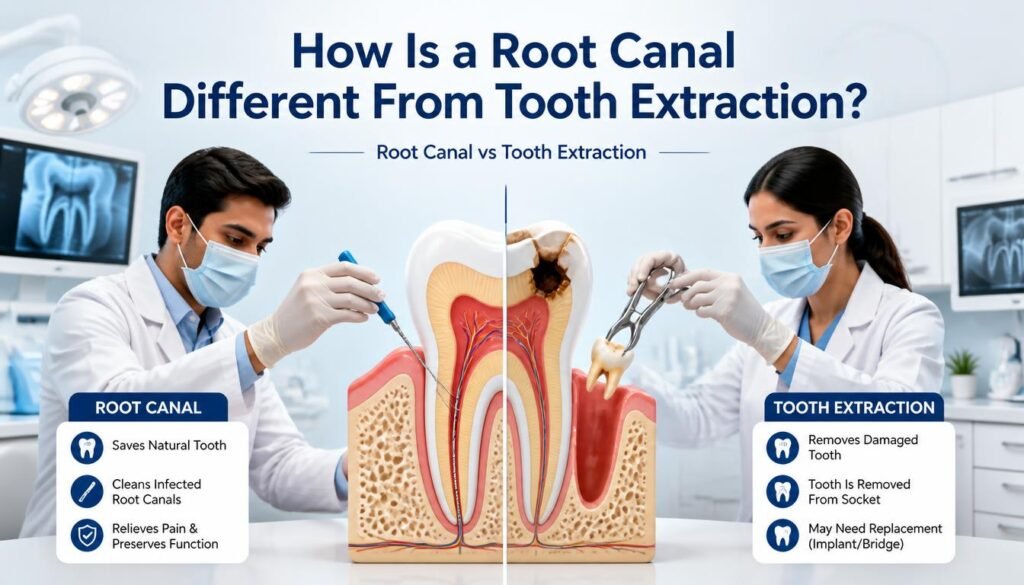
An apicoectomy is different from a conventional root canal treatment. A standard root canal treats the inside of the tooth, whereas an apicoectomy involves a surgical approach to the root tip and surrounding tissues.
Why Might You Need an Apicoectomy After Root Canal Treatment?
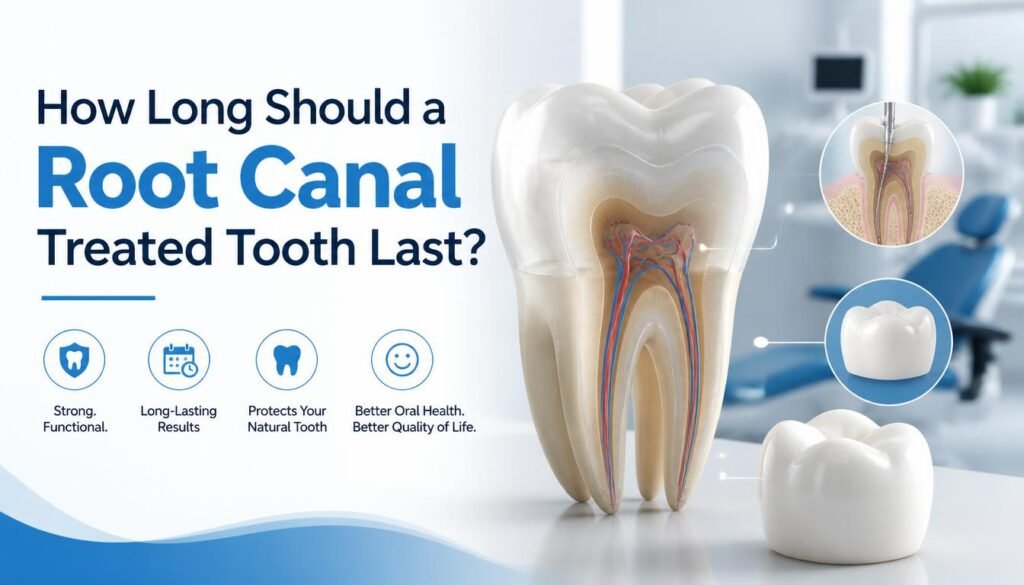
Root canal treatment is designed to remove infected or inflamed pulp, clean the root canals, and seal the tooth. However, some teeth may continue to show signs of infection even after treatment.
An apicoectomy may be considered when the infection around the root tip persists and conventional treatment options are unlikely to resolve the problem.
Possible reasons include:
1. Persistent Infection Around the Root Tip
Bacteria and inflammation may remain around the root tip despite previous root canal treatment. If the infection does not resolve, further investigation may be necessary.
2. Complex Root Canal Anatomy
Some teeth have narrow, curved, or unusually shaped canals that can make complete cleaning challenging. Complex anatomy may contribute to persistent disease in selected cases.
3. Complications From Previous Dental Treatment
Certain complications, such as an obstruction within a root canal or a procedural issue, may make conventional retreatment difficult. A specialist can determine whether surgery is appropriate.
4. Persistent Inflammation or a Root-End Lesion
An X-ray or other appropriate dental imaging may reveal a persistent area of inflammation around the root tip. However, an image alone does not always establish the exact diagnosis or prove that surgery is necessary.
5. When Root Canal Retreatment Is Not Suitable
Sometimes, repeating the original root canal treatment is not feasible or is unlikely to provide a predictable outcome. In carefully selected cases, an apicoectomy may offer another way to preserve the tooth.
Important: Persistent pain does not automatically mean you need an apicoectomy. Your dentist must assess possible causes, including a cracked tooth, a problem with the existing restoration, gum disease, or infection from another source.
What Happens During an Apicoectomy Procedure?
If your dentist recommends an apicoectomy after examining your tooth, the procedure usually involves the following steps.
Step 1: Dental Examination and Imaging
The dentist reviews your dental history, examines the affected tooth, and uses appropriate imaging to assess the root, surrounding bone, and area of infection.
In selected cases, additional three-dimensional imaging may be considered to understand complex root anatomy.
Step 2: Local Anesthesia
Local anesthesia is administered to numb the treatment area. You may feel pressure or movement during the procedure, but sharp pain should be addressed promptly by your dental team.
Step 3: Accessing the Root Tip
A small incision is made in the gum tissue to expose the affected area around the root tip.
Step 4: Removing Infected Tissue
The dentist removes the inflamed or infected tissue around the root tip and trims a small portion of the root end when indicated.
Step 5: Sealing the Root End
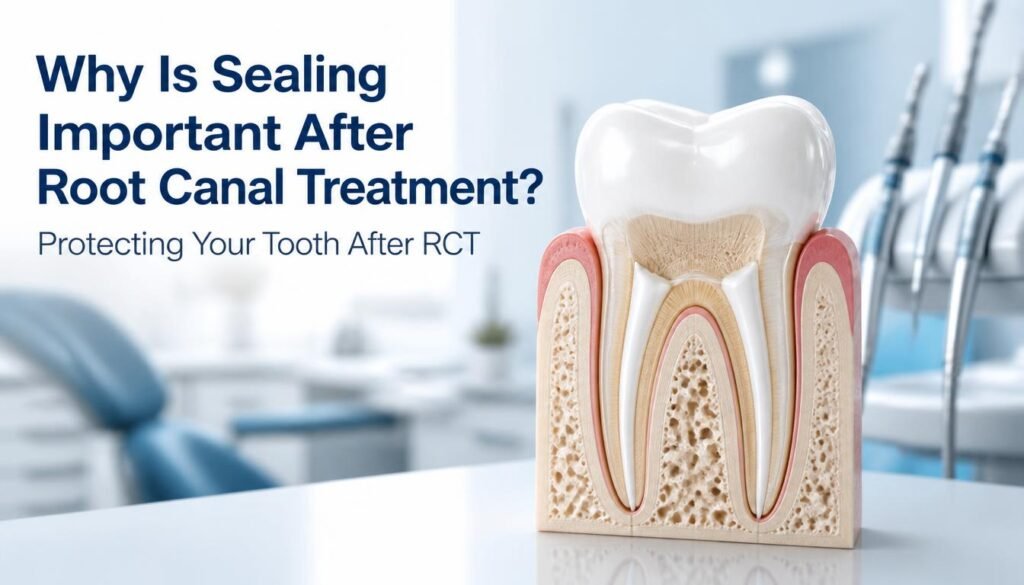
A small preparation is made at the root end and filled with a suitable biocompatible material to help seal the root canal and reduce the risk of leakage.
Step 6: Closing the Surgical Area
The gum tissue is repositioned and sutured. The dentist then provides instructions for wound care, medication use, and follow-up appointments.
The duration and exact steps depend on the tooth’s location, the complexity of the case, and the treatment approach selected by the dental specialist.
Is an Apicoectomy Painful?
An apicoectomy is generally performed under local anesthesia to keep the procedure comfortable. You may experience pressure during treatment, but significant pain should be reported to the dentist immediately.
After the anesthesia wears off, some soreness, swelling, or tenderness around the surgical area can occur. These symptoms are usually managed with the aftercare measures and medication recommended by your treating dentist.
Your individual experience will depend on the complexity of the surgery, your overall dental condition, and how your body heals.
If you are concerned about dental discomfort, discuss your concerns with your dentist before treatment so that appropriate comfort measures can be planned.
What Is the Recovery Time After an Apicoectomy?
Recovery varies from person to person. Many patients experience the most noticeable swelling or discomfort during the first few days, with gradual improvement afterward. Healing of the gum tissue and bone takes longer, and radiographic healing around the root may require several months.
Your dentist will explain the expected recovery timeline for your particular tooth.
Tips for Recovery After Apicoectomy
Follow the specific instructions provided by your treating dentist. General aftercare may include:
- Apply a cold compress externally if recommended to help manage early swelling.
- Choose soft foods initially and avoid chewing directly on the surgical area.
- Avoid smoking or tobacco products because they can interfere with healing.
- Maintain oral hygiene carefully, following your dentist’s instructions about brushing near the surgical site.
- Take prescribed or recommended medicines exactly as directed.
- Avoid strenuous activity for the period advised by your dentist.
- Attend follow-up appointments so the surgical site can be examined and healing monitored.
Do not stop prescribed medication or begin antibiotics on your own. Your dentist will determine whether medication is required.
Contact your dentist if pain or swelling worsens instead of improving, bleeding does not settle, you develop a fever, or you notice other concerning symptoms. Rapidly increasing facial swelling or difficulty swallowing or breathing requires urgent medical attention.
Apicoectomy vs Root Canal Retreatment: What Is the Difference?
Both treatments may be considered when a previously treated tooth has persistent disease, but they address the problem differently.
Root canal retreatment involves reopening the tooth, removing the existing root canal filling when feasible, cleaning the canals again, and resealing them.
Apicoectomy involves surgical access to the root tip to remove affected tissue and seal the root end.
The choice depends on the cause of the persistent infection, the tooth’s anatomy, the quality of the previous treatment, the presence of cracks, and the likelihood of successfully preserving the tooth.
In some cases, retreatment may be the preferred option. In others, apical surgery may be considered. Tooth extraction may be necessary if the tooth cannot be predictably saved.
A dental professional with appropriate endodontic experience can explain the benefits, limitations, and alternatives before you decide.
Can an Apicoectomy Save Your Natural Tooth?
Yes, an apicoectomy can help preserve a natural tooth in appropriately selected cases. However, success is not guaranteed.
The outcome depends on several factors, including:
- The original cause of infection
- The condition of the remaining tooth structure
- Whether a crack or fracture is present
- The quality of the root-end seal
- The health of the surrounding gum and bone
- The patient’s oral hygiene and follow-up care
Preserving a natural tooth may help maintain normal chewing function and avoid the need for extraction and subsequent tooth replacement. Nevertheless, your dentist must determine whether the tooth is suitable for this approach.
What Is the Cost of an Apicoectomy Near Sector 79 Noida?
The cost of an apicoectomy in Noida varies according to the tooth being treated, the complexity of the surgery, diagnostic imaging, the materials used, and the clinician’s expertise.
Additional treatment, such as root canal retreatment or restoration of the tooth, may also affect the overall cost.
Before starting treatment, ask your dentist for a written estimate covering:
- Consultation and diagnostic imaging
- The surgical procedure
- Medication and follow-up visits, if applicable
- Any additional root canal treatment
- The final filling or crown, if required
It is better to obtain an individualized estimate than to rely on an online price that may not reflect your clinical needs.
Where Can You Seek Dental Advice Near Sector 79 Noida?
If you have persistent pain or swelling after root canal treatment, arrange a dental examination rather than assuming that another procedure is necessary.
The Dental Crowns is located in Civitech Stadia, Sector 79, Noida. Patients can consult the clinic about ongoing dental symptoms and discuss suitable next steps following an examination.
You can explore the clinic’s root canal treatment in Sector 79, Noida page to learn more about conventional root canal care.
For patients considering restorative treatment, the clinic also provides information about dental crown treatment near Noida Sector 79.
An examination is important because persistent symptoms may require root canal retreatment, apical surgery, restorative treatment, or another approach. Do not assume that every patient with an unsuccessful root canal requires surgery.
Frequently Asked Questions About Apicoectomy
1. Is an apicoectomy always required after a failed root canal?
No. Your dentist may recommend root canal retreatment, apicoectomy, monitoring in selected situations, or extraction depending on the diagnosis. Surgery is only one of several possible treatment options.
2. How long does an apicoectomy take?
The procedure’s duration depends on the tooth’s location, the complexity of the root anatomy, and the extent of the infection. Your treating dentist can provide an estimate after reviewing your case.
3. How long does it take to heal after an apicoectomy?
Initial gum healing commonly takes days to a few weeks, while healing of the surrounding bone may take several months. Follow-up examinations help assess progress.
4. Can an infection return after an apicoectomy?
Yes. Although the procedure aims to remove the source of persistent infection, recurrence or incomplete healing is possible. Follow-up care is important to monitor the outcome.
5. Will I need a dental crown after an apicoectomy?
Not everyone needs a new crown. The decision depends on the tooth’s existing restoration, the amount of remaining tooth structure, and its overall condition. Your dentist can determine whether the current restoration is suitable.
6. Is an apicoectomy better than root canal retreatment?
Neither option is universally better. Retreatment addresses the root canal system from inside the tooth, whereas an apicoectomy targets the root tip surgically. The most suitable option depends on the clinical diagnosis.
7. When should I seek urgent dental care?
Seek prompt care for persistent or worsening pain, swelling, pus, fever, or other signs of infection. Rapidly increasing facial swelling or difficulty swallowing or breathing requires emergency assessment.
Conclusion
When an infection persists after root canal treatment, an apicoectomy may be an option for saving a natural tooth. The procedure involves treating the affected root tip surgically and sealing it to help prevent further leakage or infection.
However, not every tooth with ongoing symptoms needs surgery. A careful dental examination, appropriate imaging, and discussion of alternatives are essential for selecting the right treatment.
If you are experiencing persistent tooth pain or swelling after root canal treatment, seek a professional assessment. The Dental Crowns in Sector 79, Noida, can be a starting point for discussing your dental concerns and understanding the next steps appropriate for your condition.
Book a dental consultation to understand your treatment options and protect your oral health.