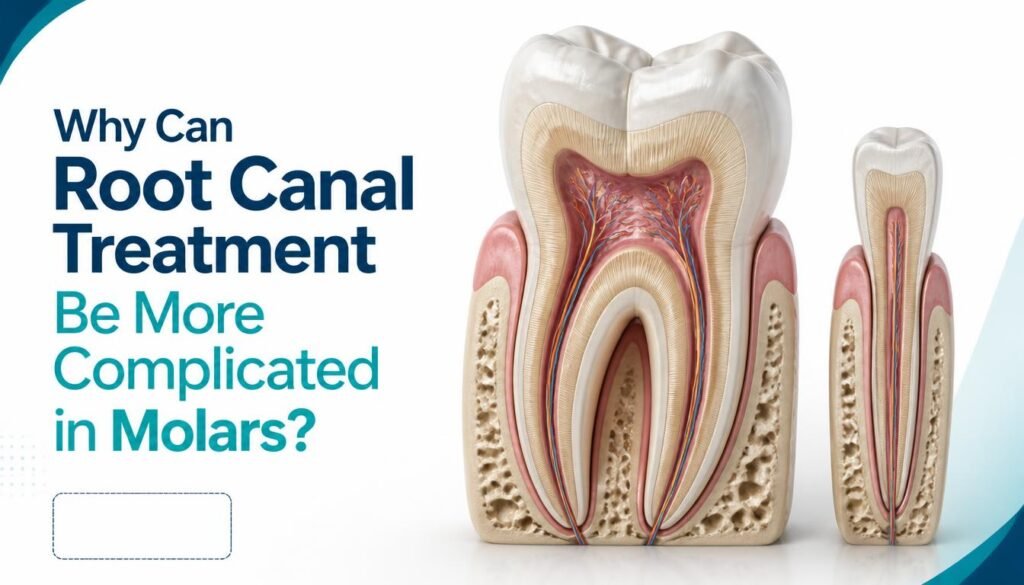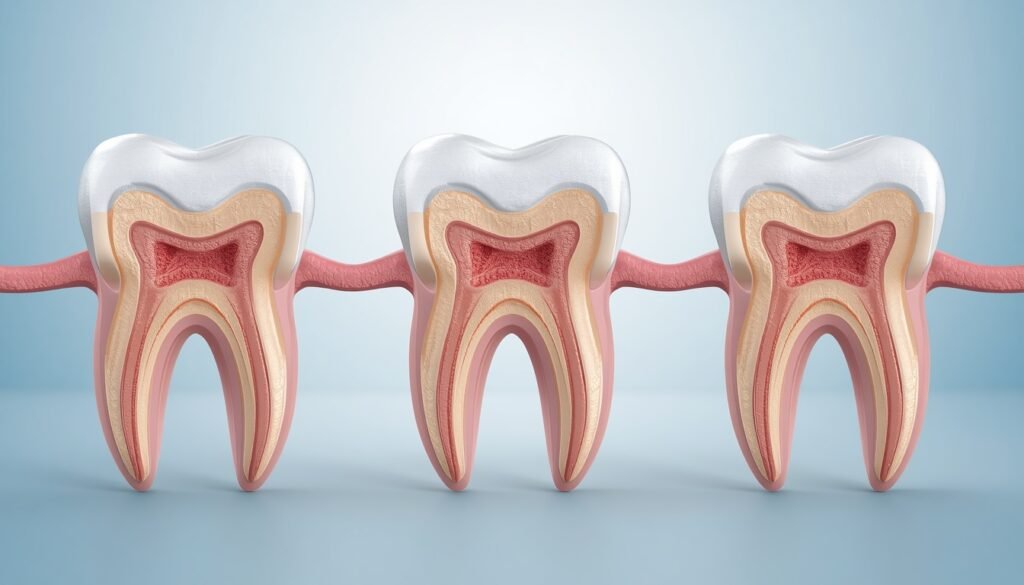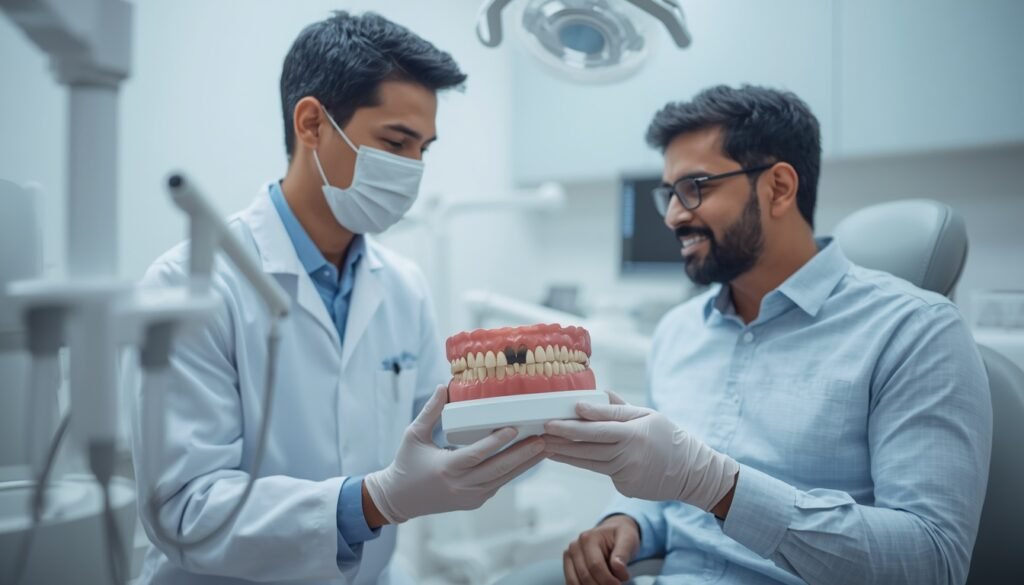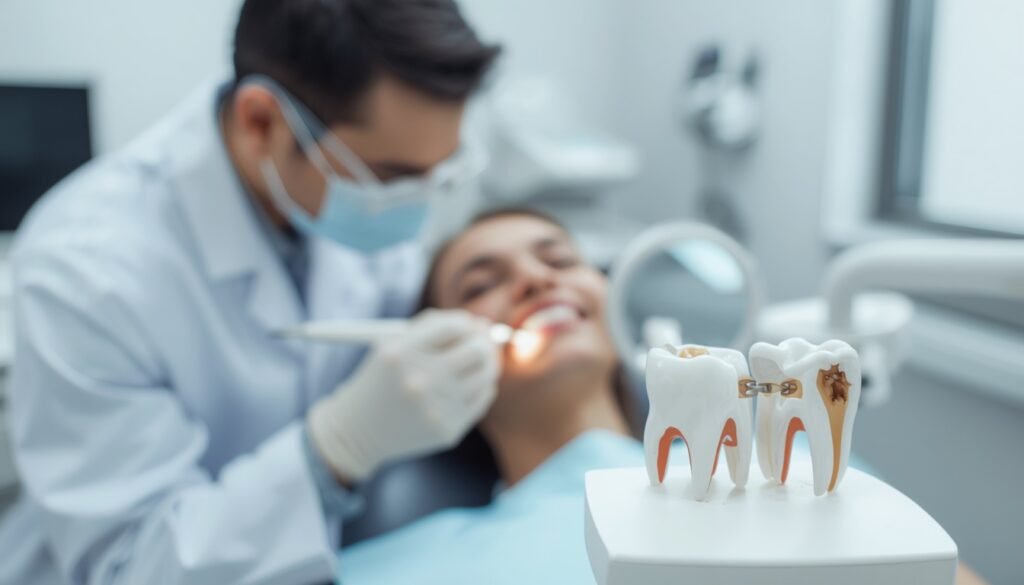


A damaged, cracked, weakened, or severely decayed tooth can affect more than just your smile. It can make chewing uncomfortable, increase sensitivity, and, if left untreated, may lead to further dental problems. Dental crown treatment near Noida Sector 79 is one of the commonly used restorative options for protecting and rebuilding a damaged tooth.
A dental crown, sometimes called a dental cap, is a custom-made restoration that covers the visible portion of a tooth. Crowns can help restore the tooth’s shape, strength, appearance, and chewing function. The American Dental Association’s patient resource explains that crowns can strengthen damaged teeth, restore broken teeth, and cover dental implants.
If you are searching for dental crown treatment in Noida Sector 79, The Dental Crowns is located at Civitech Stadia, Sector 79, Noida, and provides a range of general, cosmetic, and surgical dental services.
What Is a Dental Crown?
A dental crown is a tooth-shaped cap that is placed over a prepared tooth to restore its structure and function. It may be recommended when a tooth is too damaged or weakened to be reliably restored with a conventional filling.
According to Cleveland Clinic, dental crowns can be used for weak, broken, worn, or decayed teeth and may also be used to cover root canal-treated teeth, dental implants, or support dental bridges.
A dentist may recommend a dental crown when:
- A tooth has extensive decay
- A tooth is cracked or broken
- A large filling has weakened the tooth
- A tooth has undergone root canal treatment
- A tooth has significant wear
- A tooth needs additional structural protection
- A severely discolored or misshapen tooth requires restoration
- A crown is required over a dental implant
However, a crown is not automatically the best solution for every damaged tooth. Your dentist needs to examine the tooth, gums, bite, and remaining tooth structure before recommending treatment.
Why Might You Need Dental Crown Treatment?
The main purpose of a dental crown is to protect and restore a tooth that has lost significant strength or structure.
1. Protection After Root Canal Treatment
Teeth that undergo root canal treatment can sometimes require additional protection, particularly when substantial tooth structure has been lost. The NHS notes that a crown may be needed when a tooth has been badly infected following root canal treatment.
If you are looking for root canal treatment in Noida Sector 79, you can also explore the Painless Root Canal Treatment service offered by The Dental Crowns.
2. Repairing a Broken or Cracked Tooth
A fractured or significantly weakened tooth may need full-coverage protection. A crown can help cover the remaining tooth structure and restore chewing function.
3. Restoring a Severely Decayed Tooth
When decay has destroyed a large portion of a tooth, a simple filling may not provide enough structural support. Depending on the condition of the tooth, your dentist may recommend a crown.
4. Improving Tooth Appearance
Certain types of crowns can also improve the appearance of damaged, discolored, or misshapen teeth while restoring their function.
The Dental Crowns also provides Porcelain Dental Crown Treatment in Noida for patients looking for a tooth-colored restorative option.
Types of Dental Crowns Available
Dental crowns are available in different materials. The appropriate option depends on factors such as tooth location, bite forces, aesthetic requirements, remaining tooth structure, oral health, and budget.
1. Porcelain Crowns
Porcelain crowns are popular when a natural-looking appearance is important.
They can be designed to match the color and appearance of surrounding teeth. This makes them particularly useful when aesthetics are an important consideration.
Benefits include:
- Natural-looking appearance
- Tooth-colored finish
- Good aesthetic results
- Suitable for many visible teeth
- Metal-free option
The Dental Crowns provides customized porcelain crowns designed around the patient’s tooth color, shape, and size.
2. Porcelain-Fused-to-Metal Crowns
Porcelain-fused-to-metal (PFM) crowns combine a metal structure with a porcelain exterior.
They have historically been used because they offer a combination of strength and aesthetics. However, depending on the individual case, other ceramic or zirconia options may also be considered.
3. Zirconia Crowns
Zirconia is a ceramic material known for its strength and durability.
Cleveland Clinic notes that zirconia crowns are particularly strong among ceramic crown options and can withstand substantial chewing forces.
Zirconia may be considered when a patient wants a combination of:
- Strength
- Durability
- Tooth-colored appearance
- Metal-free restoration
The dentist should determine whether zirconia is appropriate based on your tooth and bite.
4. Metal Crowns
Metal crowns can provide excellent durability and may be considered for back teeth where chewing forces are high and appearance is less important.
Their primary disadvantage is their metallic appearance.
5. Ceramic Crowns
All-ceramic crowns can provide a natural appearance and may be suitable for patients who want a metal-free restoration.
The best crown material depends on the individual tooth rather than simply choosing the most expensive option.
Dental Crown Treatment Procedure in Noida
The exact treatment process varies depending on the condition of your tooth and the type of crown selected.
Generally, the process involves the following steps.
Step 1: Dental Examination
Your dentist examines the tooth and surrounding gums. X-rays may also be recommended to evaluate the tooth structure and roots.
Step 2: Tooth Preparation
The dentist prepares the tooth so that the crown can fit properly. This involves removing a controlled amount of tooth structure and creating the appropriate shape.
Step 3: Impression or Digital Scan
An impression or digital scan is taken to create a crown that fits the prepared tooth.
Step 4: Temporary Crown
Depending on the treatment workflow, a temporary crown may be placed while the permanent restoration is being prepared.
Step 5: Permanent Crown Placement
Once the final crown is ready, the dentist checks its fit, shape, bite, and appearance before permanently cementing or bonding it to the tooth.
Cleveland Clinic describes crown treatment as typically involving tooth preparation, impressions or digital scanning, temporary restoration where required, and final crown placement.
Benefits of Dental Crown Treatment
Choosing the right restorative treatment can help protect a damaged tooth and restore everyday oral function.
Restores Chewing Function
A properly fitted crown can help restore the shape and function of a damaged tooth, making normal chewing more comfortable.
Protects a Weak Tooth
A crown can cover and protect a tooth that has become structurally weak because of decay, fracture, extensive fillings, or other damage.
Improves Appearance
Modern tooth-colored crowns can be designed to blend with surrounding teeth.
Supports Long-Term Tooth Preservation
When appropriate for the individual tooth, a crown can help extend the functional life of the remaining natural tooth structure.
Can Be Used After Root Canal Treatment
A crown may provide additional protection to a tooth that has lost significant structure after root canal treatment.
How Much Does a Dental Crown Cost in Noida?
The dental crown cost in Noida can vary considerably depending on the material, tooth location, complexity of the case, laboratory charges, diagnostic requirements, and whether additional treatment such as root canal therapy is needed.
Indicative prices reported by dental providers in India can range from a few thousand rupees for some PFM or metal options to significantly higher prices for premium ceramic or zirconia restorations. Because prices vary by clinic, material, and individual treatment requirements, an exact quote should be provided after examination.
Factors That Affect Dental Crown Cost
The final price can depend on:
- Type of crown material
- Number of crowns required
- Front or back tooth
- Laboratory and fabrication costs
- Complexity of tooth preparation
- Whether root canal treatment is required
- Whether a post/core buildup is necessary
- Diagnostic X-rays or scans
- Condition of the gums and surrounding teeth
- Dentist’s treatment plan
Therefore, instead of choosing a crown based only on price, discuss durability, aesthetics, function, and long-term suitability with your dentist.
Dental Crown Cost vs. Quality: What Should You Consider?
The cheapest dental crown may not necessarily be the most suitable option for your tooth.
For example, a front tooth may have different aesthetic requirements from a molar. Similarly, a patient with significant bite forces or teeth grinding may need a different material or design.
Your dentist may consider:
Tooth location + remaining tooth structure + bite + aesthetics + oral health + budget
This combination helps determine which crown is appropriate for your situation.
How Long Do Dental Crowns Last?
The lifespan of a dental crown depends on its material, fit, oral hygiene, bite forces, diet, and individual habits.
Cleveland Clinic reports an average lifespan of approximately 5 to 15 years for dental crowns, while properly maintained crowns may sometimes last considerably longer.
To help maintain your crown:
- Brush twice a day with fluoride toothpaste
- Floss or clean between teeth every day
- Avoid regularly biting extremely hard objects
- Maintain routine dental check-ups
- Follow your dentist’s recommendations
- Address teeth grinding if present
- Contact your dentist if the crown becomes loose, chipped, or painful
Are Dental Crowns Painful?
Dental crown treatment is generally performed using local anesthesia when necessary, so the preparation itself should be comfortable.
Some patients may experience temporary sensitivity or gum soreness after crown placement. Cleveland Clinic notes that sensitivity can occur during the first few weeks after treatment.
If you experience persistent or severe pain, swelling, a loose crown, or discomfort when biting, contact your dentist for an evaluation.
Dental Crown or Filling: Which Is Better?
A filling and a crown serve different purposes.
A filling is generally used when enough healthy tooth structure remains to restore the tooth.
A crown provides full coverage and may be considered when a tooth is significantly weakened or damaged.
Cleveland Clinic explains that crowns are commonly used for large cavities or broken teeth, while smaller areas of tooth decay may be treated with fillings.
Your dentist should determine which restoration is appropriate after examining the tooth.
Dental Crown vs. Veneer
Dental crowns and veneers are not the same treatment.
A dental crown covers the tooth, providing structural restoration and protection.
A veneer primarily covers the front surface of a tooth and is generally used for cosmetic concerns.
Cleveland Clinic explains that crowns are primarily restorative, while veneers are cosmetic restorations covering the front surface of the tooth.
If your tooth is structurally weak, a crown may be considered. If the tooth is healthy but has a cosmetic concern, your dentist may discuss veneers or other cosmetic options.
Why Choose The Dental Crowns for Dental Crown Treatment Near Noida Sector 79?
If you are searching for dental crown treatment near Noida Sector 79, location, treatment options, dentist experience, technology, sterilization standards, and personalized treatment planning are all important factors.
The Dental Crowns is located at:
Shop No. 16, 1st Floor, Civitech Stadia, Sector 79, Noida, Uttar Pradesh 201301.
The clinic offers general, cosmetic, and surgical dental treatments, including root canal treatment, tooth-colored restorations, dental bridges, implants, porcelain crowns, veneers, teeth whitening, braces, and other dental services.
The clinic also highlights a patient-first approach, modern dental technology, and personalized treatment planning.
You can explore the complete range of treatments on the Dental Services in Noida page.
When Should You See a Dentist for a Dental Crown?
You should consider a dental consultation if you have:
- A cracked tooth
- A badly broken tooth
- A large filling
- Significant tooth decay
- A weak tooth
- A tooth that has undergone root canal treatment
- Severe tooth wear
- A damaged or discolored tooth
- Difficulty chewing because of a damaged tooth
Early assessment can help your dentist determine whether a crown, filling, inlay, onlay, root canal treatment, or another treatment is more appropriate.
If you are experiencing tooth pain or sensitivity, you can also read our guide on How to Know If You Need Root Canal Treatment in Noida Sector 79.
Frequently Asked Questions About Dental Crown Treatment in Noida
1. What is the cost of a dental crown in Noida Sector 79?
The cost varies depending on the crown material, tooth condition, laboratory, and additional treatment requirements. A dentist should examine your tooth before providing an exact treatment estimate.
2. Which dental crown is best?
There is no single crown material that is best for every patient. Porcelain, ceramic, zirconia, PFM, and metal crowns have different advantages. Your dentist can recommend the appropriate option based on your tooth, bite, aesthetics, and budget.
3. How long does a dental crown last?
Many crowns last several years with appropriate care. Cleveland Clinic reports an average lifespan of around 5–15 years, although individual crowns can last longer depending on maintenance and clinical factors.
4. Is a crown necessary after root canal treatment?
Not every root canal-treated tooth necessarily requires the same restoration. However, a crown may be recommended when the tooth has lost significant structure or needs additional protection. Your dentist can determine the appropriate restoration after evaluating the tooth.
5. Is zirconia better than porcelain?
Zirconia is known for its strength, while porcelain and other ceramics can provide excellent aesthetics. The right material depends on the tooth’s location, bite, structural requirements, and aesthetic goals.
6. How many visits are required for a dental crown?
The number of visits depends on the tooth, laboratory workflow, technology, and treatment complexity. Some conventional crown treatments involve preparation followed by a later appointment for final placement. Same-day CAD/CAM crowns may be possible for selected patients and cases.
7. Can a broken tooth be treated with a crown?
A crown may be appropriate for some broken teeth if sufficient healthy tooth structure remains. A dentist must evaluate the extent of the fracture before deciding whether a crown is suitable.
8. Where can I get dental crown treatment near Noida Sector 79?
The Dental Crowns is located at Civitech Stadia, Sector 79, Noida. You can visit the contact page to enquire about consultation and treatment.
Book a Dental Crown Consultation in Noida Sector 79
If you have a damaged, cracked, weakened, or severely decayed tooth, don’t wait until the problem becomes more complicated.
A dental examination can help determine whether you need a crown or another restorative treatment.
The Dental Crowns
Shop No. 16, 1st Floor, Civitech Stadia,
Sector 79, Noida, Uttar Pradesh 201301
Phone: +91 89202 71787
Whether you are looking for dental crown treatment near Noida Sector 79, dental crown cost in Noida, porcelain dental crowns, zirconia crowns, or dental crowns after root canal treatment, a professional dental evaluation is the right first step.
Medical References:
For additional patient education, readers can refer to:
- NHS – Root Canal Treatment
- American Dental Association – Crowns
- Cleveland Clinic – Dental Crowns
- NHS – Dental Treatments