
If you are searching for “How Do I Know If I Need a Root Canal Treatment?”, you may already be experiencing tooth pain, sensitivity, swelling, or discomfort while chewing. These symptoms can sometimes indicate that the pulp—the soft tissue inside your tooth—has become inflamed or infected.
A root canal treatment, also called endodontic treatment, is used to remove infected or inflamed pulp, clean the inside of the tooth, and seal it so the natural tooth can be preserved.
If you live in or around Noida Sector 79, getting your tooth examined early can help determine whether you actually need an RCT or whether a simpler treatment, such as a filling, may be enough.
At The Dental Crowns, located at Civitech Stadia, Sector 79, Noida, patients can consult a dentist for diagnosis and root canal treatment. The clinic provides painless root canal treatment and other general, cosmetic, and surgical dental services.
What Is Root Canal Treatment?
A root canal treatment is a dental procedure designed to treat infection or inflammation inside the tooth.
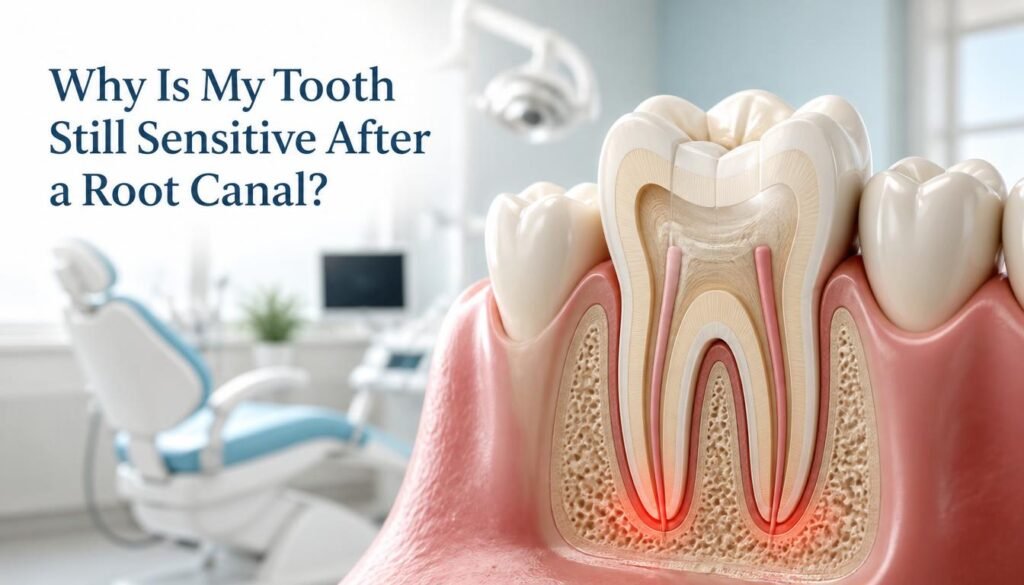
Every tooth contains a soft inner tissue called pulp, which contains nerves and blood vessels. Deep tooth decay, cracks, trauma, repeated dental procedures, or other damage can allow bacteria to reach this area.
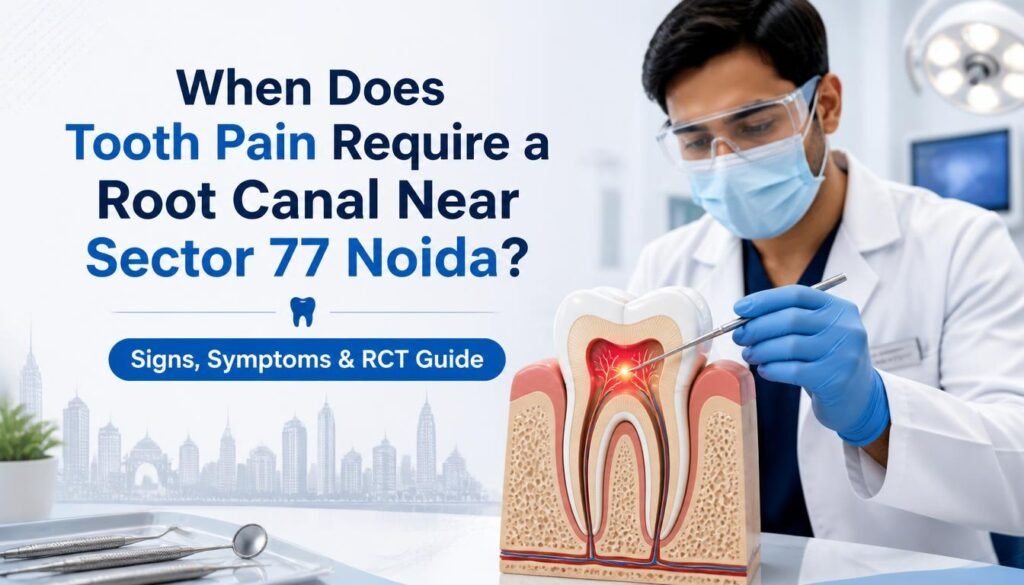
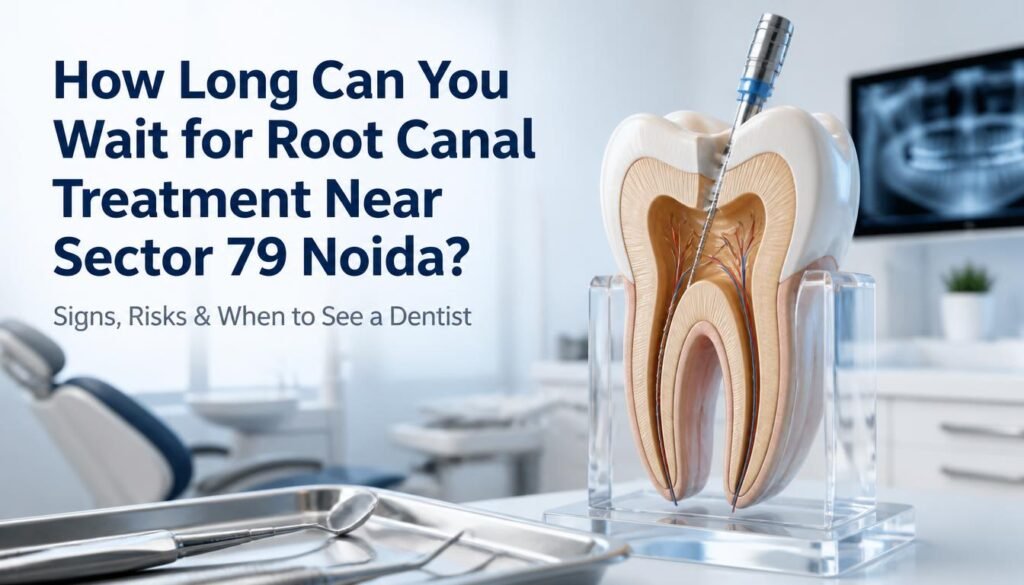
During RCT, the dentist removes the infected or inflamed pulp, cleans and disinfects the root canals, fills the space, and seals the tooth. A crown may be recommended afterward to protect a significantly weakened tooth.
The goal is not simply to stop tooth pain—it is to save your natural tooth whenever possible.
How Do I Know If I Need a Root Canal Treatment?
There is no reliable way to diagnose the need for an RCT based on symptoms alone. A dentist needs to examine the tooth and may use dental X-rays and sensitivity or other diagnostic tests.
However, certain symptoms can be warning signs.
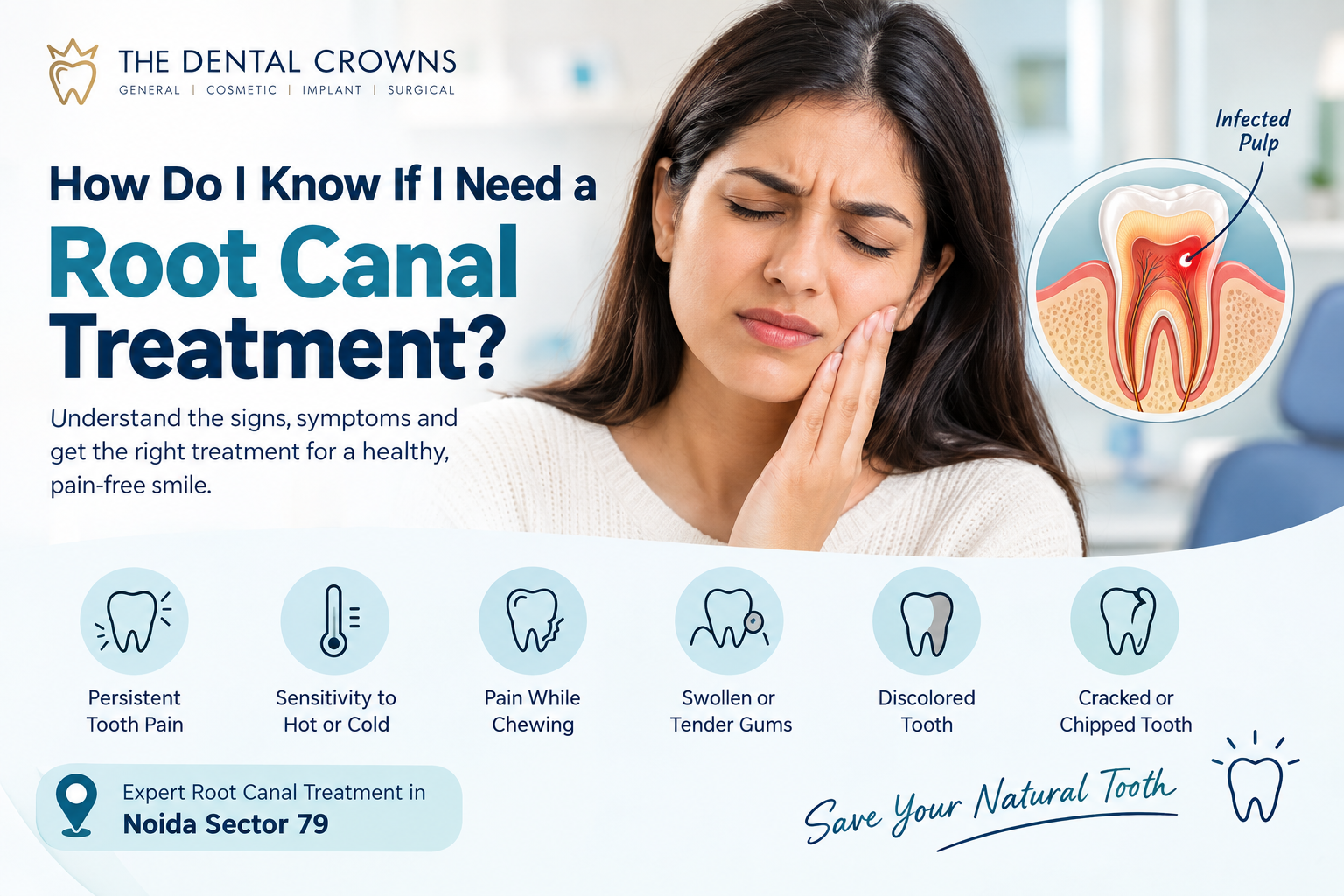
1. Severe or Persistent Tooth Pain
One of the most common reasons people eventually need a root canal is persistent tooth pain.
You may notice:
- A constant toothache
- Throbbing pain
- Pain that starts without an obvious reason
- Pain that becomes worse at night
- Pain that spreads toward your jaw, ear, or nearby teeth
Severe or persistent dental pain should not simply be ignored. The American Association of Endodontists notes that tooth pain can be associated with inflammation or infection of the pulp.
2. Lingering Sensitivity to Hot or Cold
Do you experience sharp pain when drinking hot tea, coffee, or eating something cold?
Normal sensitivity may disappear quickly. However, lingering sensitivity after the hot or cold stimulus is removed can be a warning sign of pulp inflammation.
The American Association of Endodontists lists lingering sensitivity to hot or cold among symptoms that can indicate the need for root canal treatment.
If you are experiencing this problem, it is better to get the tooth checked instead of repeatedly using home remedies.
3. Pain While Biting or Chewing
If one particular tooth hurts whenever you bite or chew, there may be an underlying problem.
Pain while chewing can occur with an infected or inflamed tooth and may also be associated with cracks or problems around the tooth’s root.
Cleveland Clinic identifies pain when chewing or touching the tooth as one of the symptoms that can occur with an infected tooth.
4. Swollen or Tender Gums
Swelling around a particular tooth should not be ignored.
You may notice:
- Swollen gums
- Tenderness around the tooth
- A small bump or pimple on the gum
- Pus or drainage
- Swelling around the jaw
These symptoms can occur when an infection develops around the tooth.
If you notice facial swelling, fever, difficulty swallowing, or difficulty breathing, seek urgent dental or medical care.
5. A Darkened or Discolored Tooth
Have you noticed that one tooth has become darker than the teeth around it?
A darkened tooth can sometimes indicate damage to the pulp, particularly when it follows dental trauma or infection. However, discoloration can have several causes, so it does not automatically mean that you need an RCT.
A dental examination is necessary to determine the cause.
6. A Cracked, Chipped, or Injured Tooth
A cracked or injured tooth can allow bacteria to reach deeper parts of the tooth.
Even if a tooth does not look severely damaged from the outside, trauma can sometimes affect the pulp. The AAE explains that pulp damage can occur following trauma even when there are no obvious visible cracks or chips.
If you have recently injured a tooth and it has started hurting or becoming sensitive, schedule a dental examination.
7. A Gum Pimple or Dental Abscess
A small pimple-like bump on the gum near a painful tooth can be a sign of an infection or dental abscess.
An abscess may cause pain, swelling, tenderness, or drainage. Importantly, an infected tooth does not always cause severe pain, so the disappearance of pain does not necessarily mean the problem has disappeared.
Can You Need a Root Canal Without Tooth Pain?
Yes.
This is one of the most important things to understand about root canal treatment.
Sometimes an infected or damaged tooth may not cause obvious pain, particularly as the pulp loses its vitality. Other signs, such as swelling, a gum pimple, discoloration, or abnormalities on an X-ray, may lead a dentist to investigate further.
Therefore, absence of pain does not always mean that a tooth is healthy.
If your dentist recommends an X-ray or further testing, it is important to understand why before deciding whether treatment is necessary.
What Causes a Tooth to Need Root Canal Treatment?
Several problems can damage or infect the pulp inside a tooth.
Common causes include:
Deep Tooth Decay
When a cavity becomes very deep, bacteria can reach the pulp.
Early cavities may sometimes be treated with fillings, but advanced decay can eventually affect the inner part of the tooth and require root canal treatment.
Cracked or Broken Teeth
A crack can provide a pathway for bacteria to reach the pulp.
Dental Trauma
An accident, sports injury, or blow to the mouth can damage the pulp even when the tooth looks relatively normal.
Repeated Dental Procedures
A tooth that has undergone multiple procedures may sometimes develop pulp problems.
Dental Infection or Abscess
An untreated infection can progress deeper into the tooth and surrounding tissues.
How Does a Dentist Confirm Whether You Need an RCT?
Symptoms alone are not enough to decide whether you need root canal treatment.
Your dentist may:
- Ask about your pain and dental history.
- Examine your teeth and gums.
- Check how the tooth responds to hot or cold stimuli.
- Test the tooth for sensitivity or tenderness.
- Check your bite.
- Take a dental X-ray when required.
- Assess whether the tooth can be restored.
Diagnostic testing helps the dentist determine whether the pulp is healthy, inflamed, infected, or no longer vital. Cleveland Clinic also notes that X-rays and pulp tests may be used when evaluating a tooth for root canal treatment.
This is why you should not decide on RCT based only on an online symptom checklist.
Root Canal Treatment vs Tooth Filling: What Is the Difference?
A common question is:
“Do I really need a root canal, or can I just get a filling?”
The answer depends on how deeply the tooth has been affected.
A filling is generally used to repair tooth damage caused by decay when the tooth can still be restored without removing the infected pulp.
A root canal becomes necessary when the pulp inside the tooth is significantly inflamed or infected and cannot recover.
Your dentist will evaluate the tooth and recommend the most appropriate treatment based on its condition.
What Happens During Root Canal Treatment?
If your dentist confirms that you need an RCT, the procedure generally involves several stages.
Step 1: Examination and Diagnosis
The dentist examines the tooth and determines the extent of the problem.
Step 2: Local Anesthesia
The affected area is numbed to keep you comfortable during treatment.
Step 3: Accessing the Tooth
A small opening is made in the tooth to reach the infected pulp.
Step 4: Removing the Infected Pulp
The damaged pulp is carefully removed.
Step 5: Cleaning and Disinfecting
The root canals are cleaned and shaped to remove bacteria and infected material.
Step 6: Filling and Sealing
The cleaned canals are filled and sealed to help prevent reinfection.
Step 7: Restoring the Tooth
Depending on the condition and location of the tooth, your dentist may recommend a permanent filling or dental crown to restore and protect it.
You can also learn more about the treatment offered by The Dental Crowns on its Painless Root Canal Treatment service page.
Is Root Canal Treatment Painful?
The thought of a root canal can make many people nervous.
Modern root canal treatment is performed using local anesthesia, and patients generally should not experience significant pain during the procedure. Some soreness or sensitivity can occur after treatment while the surrounding tissues recover.
The Dental Crowns in Sector 79, Noida, specifically offers painless root canal treatment, with its service page describing the use of advanced techniques and a focus on patient comfort.
What Happens If You Delay Root Canal Treatment?
Ignoring symptoms does not necessarily make the underlying problem go away.
An untreated pulp infection can progress and may result in an abscess or damage around the root. In some cases, if a tooth cannot be saved, extraction may eventually become necessary.
That is why it is better to have persistent tooth pain, swelling, or sensitivity evaluated early.
Do not wait for the pain to become unbearable before seeing a dentist.
Can Antibiotics Cure the Need for a Root Canal?
Antibiotics are not a substitute for treating the source of most dental infections.
The American Dental Association recommends prioritizing appropriate dental treatment for many pulpal and periapical dental conditions rather than relying on antibiotics alone. Antibiotics may be appropriate when there are signs of systemic involvement, such as fever or malaise, depending on the clinical situation.
Never self-medicate with leftover antibiotics. A dentist should determine the appropriate treatment for your specific condition.
How Long Does Root Canal Treatment Take?
The number of appointments can vary depending on:
- Which tooth is affected
- The complexity of the root canals
- The severity of infection
- Whether an abscess is present
- Your individual dental condition
- Whether additional restoration is required
Some root canal treatments can be completed in one or two appointments, while more complicated cases may require additional visits.
Your dentist can give you a more accurate treatment timeline after examining your tooth.
Do You Need a Crown After Root Canal Treatment?
A root canal-treated tooth may become more vulnerable to fracture, particularly when a significant amount of tooth structure has been lost.
For this reason, your dentist may recommend a crown after RCT to restore and protect the tooth. The exact restoration depends on the tooth’s location, remaining structure, and clinical condition.
If you are interested in restoring a tooth after RCT, you can explore dental crown treatment at The Dental Crowns along with the clinic’s other restorative services.
Root Canal Treatment in Noida Sector 79
If you are looking for root canal treatment in Noida Sector 79, location and accessibility can be important when choosing a dental clinic.
The Dental Crowns is located at:
Shop No. 16, 1st Floor, Civitech Stadia, Sector 79, Noida, Uttar Pradesh 201301.
The clinic offers root canal treatment as part of its general dentistry services and also provides treatments including tooth-coloured restorations, children’s dentistry, dentures, dental bridges, smile makeovers, implants, laser dentistry, and tooth extraction.
You can explore the clinic’s complete dental services in Noida before booking a consultation.
For patients searching for a dentist near Noida Sector 79, the clinic’s FAQ page also provides information about its location, services, appointments, and common dental questions.
When Should You See a Dentist for a Possible Root Canal?
Consider scheduling a dental examination if you experience:
- Persistent toothache
- Severe tooth pain
- Pain while chewing
- Lingering hot or cold sensitivity
- Swollen gums
- A pimple or bump on the gums
- Pus or drainage near a tooth
- A cracked or chipped tooth
- Tooth discoloration after an injury
- Facial or jaw swelling
If you have significant swelling, fever, difficulty swallowing, or difficulty breathing, seek urgent professional care.
Frequently Asked Questions About Root Canal Treatment
How do I know if I need a root canal treatment?
Common warning signs include persistent tooth pain, severe pain while chewing, lingering sensitivity to hot or cold, swollen or tender gums, a gum pimple, tooth discoloration, or a cracked tooth. However, only a dental examination and appropriate diagnostic tests can determine whether RCT is actually required.
Can a tooth need a root canal without hurting?
Yes. Some infected teeth may produce little or no pain, especially as the pulp becomes non-vital. Swelling, discoloration, or findings on dental X-rays may still indicate a problem.
Is root canal treatment painful?
Modern RCT is performed under local anesthesia, so significant pain during the procedure is generally not expected. Mild soreness or sensitivity afterward can occur.
Can a filling fix a tooth that needs a root canal?
If the decay has not significantly affected the pulp, a filling may be sufficient. If the pulp is irreversibly inflamed or infected, root canal treatment may be necessary. Your dentist needs to evaluate the tooth before deciding.
What happens if I don’t get a root canal?
An untreated infection can progress and potentially lead to an abscess or further damage. In some cases, the tooth may eventually become impossible to save and require extraction.
How long does a root canal take?
Treatment time varies depending on the tooth and complexity of the case. Some procedures can be completed in one or two appointments, while complicated cases may require additional visits.
Where can I get root canal treatment in Noida Sector 79?
The Dental Crowns provides root canal treatment at Civitech Stadia, Sector 79, Noida. You can visit the clinic’s Painless Root Canal Treatment page to learn more about its approach and treatment options.
Final Takeaway: Don’t Ignore the Warning Signs
If you are asking “How Do I Know If I Need a Root Canal Treatment?”, symptoms such as persistent tooth pain, lingering sensitivity, pain while chewing, swelling, a gum pimple, tooth discoloration, or a cracked tooth are reasons to get your tooth checked.
However, symptoms alone cannot confirm that you need an RCT. A dentist needs to examine the tooth and use appropriate diagnostic tests to determine whether root canal treatment, a filling, another procedure, or no immediate treatment is appropriate.
For More Medical Info Visit:
- American Association of Endodontists – Root Canal Treatment — professional endodontic patient education.
- NHS – Root Canal Treatment — patient-focused information on indications, procedure, and recovery.
- Cleveland Clinic – Root Canal — medically reviewed overview of symptoms, diagnosis, treatment, and recovery.
- American Dental Association – Antibiotics for Dental Pain and Swelling — evidence-based guidance on dental infections and antibiotics.
- Indian Dental Association – Dental Emergencies — India-specific professional dental information.