

Do you brush your teeth every morning and night but still notice that your smile looks yellow or dull? If yes, you are not alone. Yellow teeth even after brushing every day can happen for several reasons, and poor brushing is not always the problem.
Teeth naturally have some yellow tones because the dentin underneath the enamel is naturally yellowish. As enamel becomes thinner with age, more of this underlying dentin can become visible. In addition, tea, coffee, tobacco, certain foods, plaque, tartar and some types of internal tooth discoloration can affect tooth colour.
The good news is that many causes of yellow teeth can be managed once the actual reason is identified.
If you are searching for yellow teeth treatment in Noida Sector 75, understanding the cause is the first step toward choosing the right treatment.
Quick Answer: Why Are My Teeth Yellow Even After Brushing?
Brushing primarily helps remove plaque and some surface stains. It cannot completely change the natural colour of your teeth or remove every type of discoloration.
Common reasons include:
- Surface stains from tea and coffee
- Plaque and tartar buildup
- Natural yellow dentin showing through enamel
- Enamel thinning due to ageing
- Smoking or tobacco use
- Certain foods and drinks
- Fluorosis or developmental changes
- Previous medication-related discoloration
- Internal tooth damage or decay
Therefore, brushing every day does not necessarily mean your teeth will become naturally white.
1. Tea and Coffee Can Stain Your Teeth
If you regularly drink tea or coffee, they may be one of the reasons your teeth look yellow.
Dark-coloured beverages contain compounds that can contribute to extrinsic, or surface-level, tooth staining. Coffee, tea, cola and other pigmented foods and beverages are recognized contributors to external tooth discoloration.
What can you do?
You do not necessarily need to stop drinking tea or coffee completely. Instead:
- Rinse your mouth with water after consuming them.
- Maintain regular brushing with fluoride toothpaste.
- Avoid constantly sipping staining beverages throughout the day.
- Ask your dentist whether professional cleaning or whitening is appropriate.
If surface stains are the main issue, professional scaling and polishing may significantly improve the appearance of your smile.
The Dental Crowns also provides scaling and polishing treatment in Noida to help remove plaque, tartar and surface stains.
2. Plaque and Tartar Can Make Teeth Look Yellow
Sometimes the problem is not the tooth itself but what has accumulated on its surface.
Plaque is a sticky biofilm that can build up around teeth and along the gumline. When it is not adequately removed, it can contribute to tartar formation.
Brushing is essential for controlling plaque, but certain deposits—especially hardened tartar—cannot simply be brushed away at home.
The Indian Dental Association identifies accumulation of plaque and tartar as one of the causes associated with external tooth discoloration.
Signs that you may need professional cleaning
You may benefit from a dental examination if you notice:
- Yellow or brown deposits near your gums
- Bad breath that keeps returning
- Bleeding gums
- Rough areas around the teeth
- Staining that does not improve with brushing
A dentist can determine whether professional cleaning is more appropriate than simply using a whitening toothpaste.
3. Your Natural Tooth Colour May Be Yellowish
One of the biggest misconceptions about teeth is that healthy teeth should naturally be bright white.
In reality, natural tooth colour varies from person to person.
Your teeth consist of enamel on the outside and dentin underneath. Dentin naturally has a yellowish colour. When enamel is thinner or more translucent, the colour of dentin can become more noticeable.
The American Dental Association explains that ageing can make enamel thinner and more translucent, allowing the yellower dentin underneath to show through.
So, if your teeth are healthy but naturally cream or slightly yellow, brushing harder is not the solution.
4. Ageing Can Make Teeth Look More Yellow
Are your teeth becoming yellower as you get older?
This can be completely natural.
Over time, enamel can become thinner because of normal wear. As the outer enamel becomes less dominant visually, the yellowish dentin underneath may become more visible.
Age-related discoloration can also be combined with years of exposure to tea, coffee, foods and other staining substances.
This is why someone who has always maintained good oral hygiene can still develop yellow-looking teeth.
5. Smoking and Tobacco Can Cause Persistent Staining
Smoking and tobacco use can cause stubborn external tooth stains.
Unlike occasional food staining, tobacco-related discoloration may become difficult to remove through ordinary brushing alone.
The Indian Dental Association lists smoking among the factors associated with external tooth discoloration.
If you smoke or use tobacco and are concerned about yellow teeth, professional dental cleaning and a dentist-supervised whitening assessment may be more useful than repeatedly changing toothpaste.
6. Certain Foods and Drinks Can Change Tooth Colour
Your everyday diet can influence the appearance of your smile.
Frequently consumed pigmented foods and beverages may contribute to surface staining. Examples include:
- Tea
- Coffee
- Cola
- Dark berries
- Certain sauces
- Curry and strongly coloured foods
The ADA notes that highly pigmented foods and beverages can contribute to extrinsic tooth discoloration.
This does not mean you need to eliminate every colourful food from your diet. Good oral hygiene, sensible consumption habits and regular dental check-ups can help manage staining.
7. Fluorosis Can Cause Tooth Discoloration
Some types of discoloration develop while teeth are forming rather than after they have fully erupted.
Dental fluorosis can produce changes in the appearance of enamel, ranging from subtle colour changes to more noticeable enamel alterations.
Because fluorosis is an intrinsic or developmental issue, ordinary brushing may not remove the discoloration.
That is why it is important to identify whether your yellow or white-brown tooth changes are surface stains or part of the tooth structure itself before choosing a whitening treatment.
8. Some Medications and Dental Conditions Can Cause Internal Discoloration
Not every yellow tooth is stained from the outside.
Certain types of internal discoloration can be associated with developmental conditions, previous medication exposure, dental decay, restorations or changes within the tooth.
The ADA distinguishes between extrinsic stains, which occur primarily on the tooth surface, and intrinsic discoloration, which occurs within the tooth structure.
This distinction matters because a whitening toothpaste may help with surface stains but may have little effect on deeper intrinsic discoloration.
9. A Damaged or Non-Vital Tooth May Look Darker
If one tooth suddenly becomes yellow, grey or significantly darker than the teeth around it, do not automatically assume that you need whitening.
A change in the colour of a single tooth can sometimes be associated with trauma, decay or changes to the tooth’s pulp.
In such cases, a dental examination is important before cosmetic treatment.
If the tooth has an underlying infection or requires restorative treatment, whitening alone will not address the underlying problem.
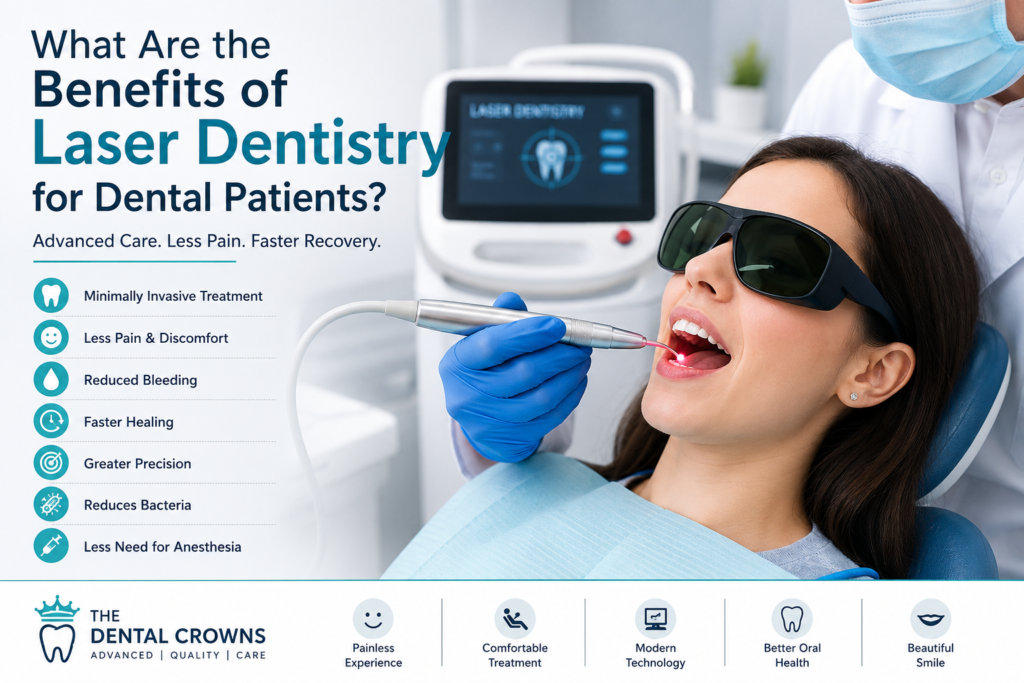
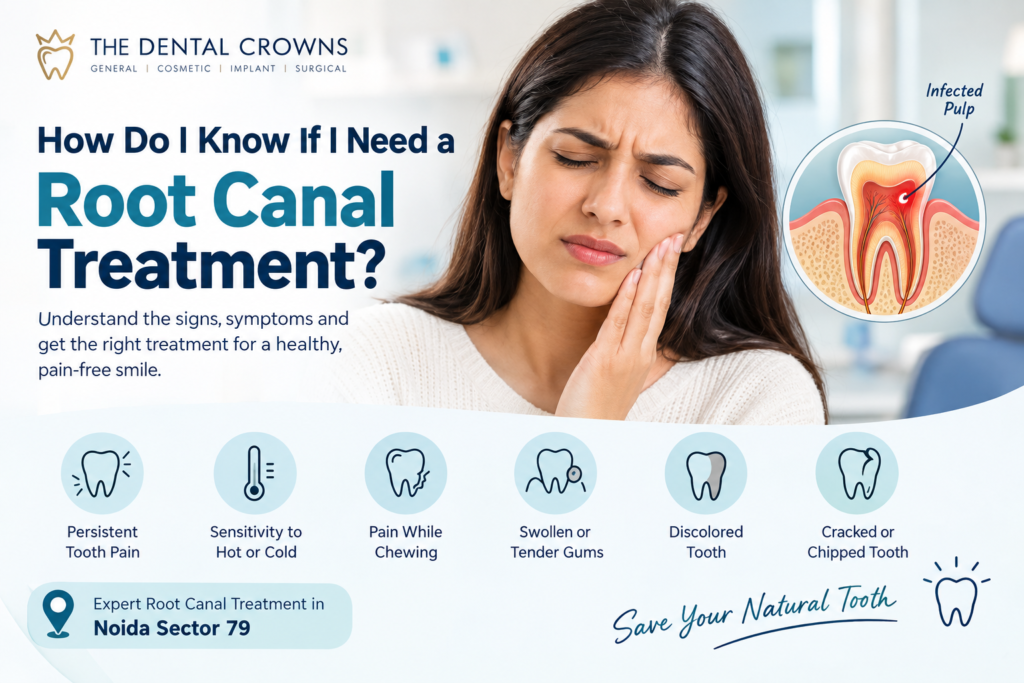
For patients experiencing tooth pain, sensitivity or discoloration associated with possible internal tooth problems, painless root canal treatment in Noida may be considered after professional diagnosis.
Why Doesn’t Whitening Toothpaste Always Work?
Whitening toothpaste is often misunderstood.
Most whitening toothpastes primarily work by helping remove extrinsic surface stains through mechanical cleaning. They cannot necessarily change the natural internal colour of the tooth.
Therefore, if your yellow teeth are caused by:
- Natural dentin colour
- Age-related enamel thinning
- Fluorosis
- Deep intrinsic staining
- Certain developmental conditions
simply brushing with a whitening toothpaste may not produce the result you expect.
Is Brushing Twice a Day Enough?
Brushing remains one of the most important parts of oral hygiene.
The American Dental Association recommends brushing twice a day for two minutes with fluoride toothpaste.
However, brushing should be combined with other aspects of oral care, including cleaning between teeth and regular professional dental examinations when needed.
A simple daily routine
Morning:
Brush for two minutes using fluoride toothpaste.
During the day:
Drink water after meals and staining beverages.
Night:
Brush again for two minutes and clean between your teeth.
Regularly:
Visit a dentist for examinations and professional cleaning when recommended.
Yellow Teeth vs. Stained Teeth: What’s the Difference?
| Type | Typical Cause | Can Brushing Help? | May Professional Treatment Help? |
|---|---|---|---|
| Surface stains | Tea, coffee, tobacco, foods | Sometimes | Yes |
| Plaque buildup | Inadequate plaque removal | Yes, if soft | Yes, if hardened |
| Tartar | Hardened plaque | No | Professional cleaning |
| Natural yellow dentin | Natural tooth structure | No | Whitening may help depending on case |
| Age-related yellowing | Enamel thinning + dentin visibility | No | Whitening may help |
| Fluorosis | Developmental enamel changes | No | Cosmetic options may be considered |
| Deep intrinsic stains | Internal tooth discoloration | No | Depends on cause |
What Is the Best Treatment for Yellow Teeth in Noida?
There is no single treatment that is ideal for everyone.
The appropriate option depends on why your teeth are yellow.
1. Scaling and Polishing
If plaque, tartar and surface stains are responsible, professional cleaning may be the first step.
The Dental Crowns’ scaling and polishing service focuses on removing plaque, tartar and surface stains as part of smile care.
2. Professional Teeth Whitening
When discoloration is suitable for bleaching, professional teeth whitening can provide a brighter smile.
The ADA recognizes professional in-office whitening, dentist-supplied at-home whitening and over-the-counter whitening as available approaches. Temporary sensitivity and gum irritation are among the common adverse effects of vital tooth whitening.
You can learn more about instant teeth whitening treatment in Noida from The Dental Crowns.
3. Cosmetic Dentistry
If the discoloration is intrinsic or associated with enamel defects, whitening may not be sufficient.
Depending on the individual case, a dentist may discuss cosmetic options such as veneers, tooth-coloured restorations or other smile-enhancement procedures.
The Dental Crowns lists cosmetic dentistry services in Noida including veneers, teeth whitening, braces and porcelain crowns.
Can You Prevent Yellow Teeth?
You cannot completely prevent natural age-related changes in tooth colour, but you can reduce avoidable staining.
Follow these practical tips:
- Brush twice daily for two minutes.
- Use fluoride toothpaste.
- Clean between your teeth regularly.
- Drink water after tea, coffee and meals.
- Avoid tobacco products.
- Do not brush aggressively.
- Maintain regular dental check-ups.
- Get professional cleaning when recommended.
- Avoid using strong DIY whitening remedies without dental guidance.
Most importantly, do not assume that yellow teeth automatically mean unhealthy teeth. Tooth colour and dental health are related but are not exactly the same thing.
When Should You See a Dentist for Yellow Teeth?
Consider scheduling a dental examination if:
- Your teeth remain yellow despite good oral hygiene.
- One tooth suddenly changes colour.
- You have tooth pain or sensitivity.
- You notice brown or black spots.
- Your gums bleed frequently.
- You have significant tartar buildup.
- Your teeth have stains that do not improve with normal brushing.
- You are considering professional teeth whitening.
A dentist can first identify the cause and then recommend the most suitable treatment.
Looking for Yellow Teeth Treatment Near Noida Sector 75?
If you live around Noida Sector 75, Sector 76, Sector 77, Sector 78 or Sector 79, you have several dental-care options nearby.
The Dental Crowns is located at Civitech Stadia, Sector 79, Noida, and its website lists cosmetic, general and surgical dental services.
If you are specifically searching for teeth whitening near Noida Sector 75, it is better to have your teeth examined first rather than choosing a whitening procedure solely based on the colour you see.
A professional assessment can determine whether the issue is:
surface staining → cleaning may help
tartar → professional scaling may help
extrinsic staining → whitening may help
intrinsic discoloration → another cosmetic approach may be required
underlying dental disease → restorative treatment may be necessary
Frequently Asked Questions
Why are my teeth yellow even though I brush twice a day?
Brushing removes plaque and helps control surface stains, but it cannot completely change natural tooth colour or remove all types of intrinsic discoloration. Ageing, dentin colour, tartar, tea, coffee and tobacco can also contribute to yellow-looking teeth.
Can yellow teeth become white again?
Sometimes. Surface stains may improve with professional cleaning, while appropriate whitening treatment can lighten certain types of discoloration. However, not every type of intrinsic discoloration responds equally to whitening.
Does brushing harder make yellow teeth white?
No. Brushing harder is not a safe whitening strategy. Effective oral hygiene is about proper technique, adequate duration and regularity rather than excessive force.
Is professional teeth whitening safe?
When appropriately selected and performed according to professional guidance, teeth whitening can be an effective cosmetic treatment. Temporary tooth sensitivity and gum irritation are recognized potential side effects.
Can scaling remove yellow teeth?
Scaling can remove plaque, tartar and many external deposits, so teeth may appear noticeably cleaner afterward. However, scaling cannot remove natural dentin colour or every type of intrinsic discoloration.
Why are only some of my teeth yellow?
Individual teeth can have different histories of trauma, restorations, decay or internal changes. A single discoloured tooth should be evaluated by a dentist before cosmetic whitening.
Can tea and coffee make teeth yellow?
Yes. Tea and coffee contain pigmented compounds that can contribute to extrinsic tooth staining over time.
What is the best teeth whitening treatment near Noida Sector 75?
The right treatment depends on the cause of discoloration. A dental examination can help determine whether professional cleaning, whitening or another cosmetic/restorative procedure is appropriate.
Reference Sources
- American Dental Association – Home Oral Care: https://www.ada.org/resources/ada-library/oral-health-topics/home-oral-care/
- American Dental Association – Whitening: https://www.ada.org/resources/ada-library/oral-health-topics/whitening
- American Dental Association – Toothbrushes: https://www.ada.org/resources/ada-library/oral-health-topics/toothbrushes
- Indian Dental Association – Teeth Discolouration: https://www.ida.org.in/Public/Details/DDDTeethDiscolouration
Final Takeaway
So, what causes yellow teeth even after brushing every day?
The answer is not always poor oral hygiene.
Your teeth may look yellow because of tea and coffee stains, tobacco, plaque, tartar, natural dentin colour, enamel thinning, ageing, fluorosis or intrinsic discoloration.
Brushing twice daily with fluoride toothpaste is essential for maintaining oral health, but it is not the same thing as professional tooth whitening.
If your teeth remain yellow despite maintaining good oral hygiene, the smartest next step is to identify the underlying cause before choosing a treatment.
For patients around Noida Sector 75 and nearby sectors, The Dental Crowns in Sector 79 offers dental services including teeth whitening, smile makeovers, restorations, root canal treatment and other cosmetic and general dentistry options.
Want a brighter smile? Schedule a dental consultation and find out whether professional cleaning, teeth whitening or another treatment is right for your teeth.