

Losing a tooth can affect much more than your smile. A missing tooth may make chewing uncomfortable, affect speech, change the way your remaining teeth meet, and leave an unwanted gap in your smile. Fortunately, modern dentistry offers several reliable ways to replace a missing tooth.
Two of the most commonly considered options are dental implants and dental bridges.
But which one is better?
The answer depends on several factors, including your oral health, jawbone condition, the health of neighboring teeth, treatment timeline, budget and long-term goals. A dental implant replaces the missing tooth root, while a conventional dental bridge uses neighboring teeth to support an artificial tooth.
If you are looking for dental implants or dental bridges in Noida Sector 78, understanding the difference between these treatments can help you have a more informed discussion with your dentist.
What Is a Dental Implant?
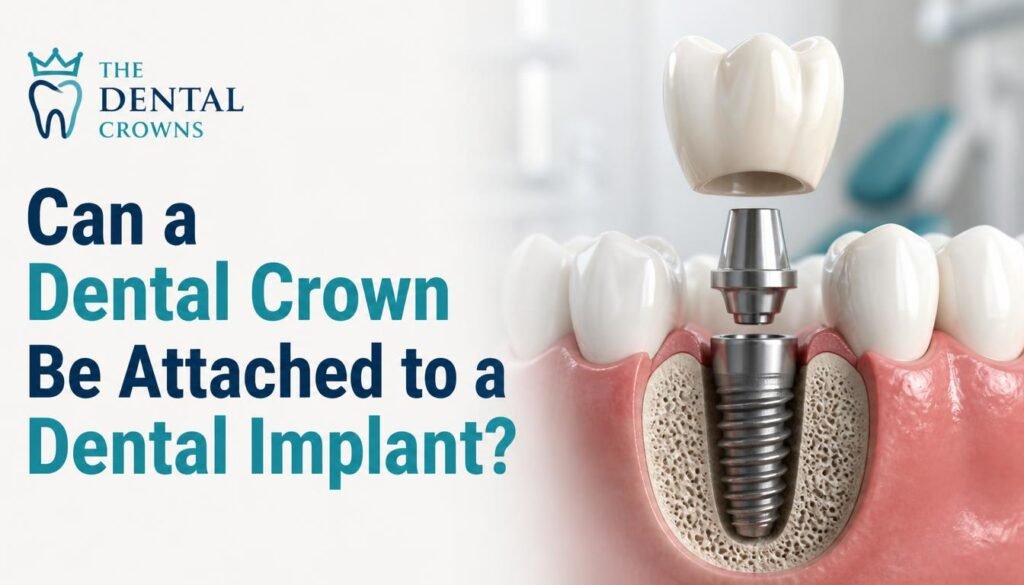
A dental implant is a small post that is surgically placed into the jawbone to replace the root of a missing tooth. After the implant heals and integrates with the surrounding bone, a connector and dental crown are placed on top.
This creates a replacement tooth that is designed to look and function much like a natural tooth.
Main Components of a Dental Implant
A typical single-tooth implant consists of:
- Implant post: Replaces the missing tooth root.
- Abutment: Connects the implant to the crown.
- Dental crown: Provides the visible tooth structure.
The Dental Crowns offers Dental Implants Treatment in Noida with treatment planning based on individual dental needs.
What Is a Dental Bridge?
A dental bridge replaces a missing tooth by connecting an artificial tooth to supporting teeth on either side of the gap.
In a traditional bridge, the neighboring teeth are prepared to support dental crowns, while the artificial tooth—called a pontic—fills the missing-tooth space.
For patients who want a faster tooth-replacement option and have suitable neighboring teeth, a dental bridge may be an appropriate solution.
You can learn more about Dental Bridges Treatment in Noida at The Dental Crowns.
Dental Implants vs Bridges: Quick Comparison
| Factor | Dental Implant | Dental Bridge |
|---|---|---|
| Replaces tooth root | Yes | No |
| Uses neighboring teeth | Usually no | Yes |
| Surgery required | Yes | Usually no implant surgery |
| Treatment time | Usually longer | Usually faster |
| Initial cost | Generally higher | Generally lower |
| Jawbone preservation | Helps preserve bone | Does not replace the root |
| Cleaning | Similar to natural teeth with proper care | Requires additional cleaning around bridge |
| Longevity | Can last many years and potentially a lifetime with proper care | May require replacement over time |
| Best suited for | Patients seeking an independent, long-term replacement | Patients seeking a quicker tooth-replacement option |
The right treatment varies from patient to patient. There is no universal answer that makes implants or bridges better for everyone.
Dental Implants vs Bridges: 8 Important Differences
1. How They Replace a Missing Tooth
The biggest difference is how each treatment supports the replacement tooth.
A dental implant replaces the missing tooth root. The implant is placed into the jawbone and later supports a crown.
A traditional dental bridge does not replace the root. Instead, the artificial tooth is supported by neighboring teeth.
This makes an implant more independent because the adjacent natural teeth generally do not need to be reshaped to support a conventional implant crown.
2. Effect on Neighboring Teeth
This is an important consideration when choosing between a dental implant and bridge.
With a traditional dental bridge, the teeth next to the missing tooth are prepared to support the bridge.
With a single dental implant, the neighboring teeth can generally remain independent because the implant itself provides support for the replacement tooth.
For someone with healthy teeth surrounding the missing tooth, preserving those natural teeth may be an important part of treatment planning.
3. Treatment Time
If your priority is completing treatment relatively quickly, a dental bridge may have an advantage.
A traditional bridge can often be completed in a shorter period because there is no implant healing phase.
Dental implants generally require more time because the implant needs to heal and integrate with the jawbone before the final restoration is completed. Cleveland Clinic notes that implant treatment may involve several procedures and months of healing.
Therefore, the choice isn’t simply about which treatment is “better.” It is also about whether you prefer a faster restoration or are comfortable with a longer treatment process for a root-replacement solution.
4. Durability and Longevity
Dental implants are designed as a long-term tooth replacement option. With appropriate oral hygiene, regular dental appointments and proper maintenance, an implant can potentially last a lifetime, although the crown attached to it may eventually need replacement.
Dental bridges can also provide reliable tooth replacement, but they do not last forever. Cleveland Clinic notes that bridges may commonly need replacement after several years, depending on factors such as oral hygiene, supporting teeth and overall dental health.
If your priority is long-term tooth replacement, an implant may therefore be worth considering.
5. Jawbone Preservation
When a tooth is lost, the underlying bone no longer receives the same stimulation from a natural tooth root.
A dental implant replaces the root portion and can help preserve the jawbone around the missing-tooth area.
A conventional bridge fills the visible gap but does not replace the missing tooth root.
This is one reason why dental implants can be particularly attractive for patients looking for a more root-like replacement.
However, whether an implant is suitable depends on factors such as bone availability, gum health and overall oral health. Some patients may require additional procedures, such as bone grafting, before implant placement.
6. Appearance and Natural Feel
Both dental implants and bridges can be designed to provide a natural-looking smile.
However, an implant-supported crown is structurally closer to a natural tooth because it replaces both the visible tooth and the missing root.
Once fully healed and restored, dental implants can function much like natural teeth for everyday activities such as eating and speaking.
A modern dental bridge can also provide an attractive and functional result when it is properly designed and matched to the surrounding teeth.
The final appearance depends on factors such as the quality of the restoration, tooth shade, positioning, gum condition and dentist’s treatment planning.
7. Cleaning and Maintenance
Both options require good oral hygiene.
With an implant crown, patients need to brush regularly and clean around the implant carefully. Regular dental check-ups are also important.
A bridge requires special attention because food and plaque can accumulate underneath the artificial tooth and around the supporting teeth. Special flossing tools or interdental cleaning methods may be recommended.
Regardless of the treatment you choose, maintaining healthy gums and supporting teeth is essential for a successful long-term result.
8. Cost of Treatment
Cost is another major factor when comparing dental implants and bridges.
Generally, a dental bridge has a lower initial treatment cost than a dental implant. However, the total long-term cost can depend on maintenance, future repairs or replacement and the number of teeth involved.
Dental implants usually have a higher upfront cost because the treatment involves surgical placement, healing and a customized restoration.
Instead of choosing purely based on initial price, it is better to consider:
- Expected longevity
- Number of appointments
- Condition of neighboring teeth
- Bone and gum health
- Future maintenance
- Overall treatment goals
Your dentist can evaluate these factors and recommend the most suitable option.
Dental Implant vs Bridge: Which Is Better for One Missing Tooth?
For a single missing tooth, a dental implant can be an excellent option when the patient has suitable bone and healthy oral tissues.
One major advantage is that the implant can replace the missing tooth without relying on the neighboring teeth for support.
However, a bridge may be a better option in certain situations.
For example, your dentist may consider a bridge when:
- You want a faster treatment.
- You prefer to avoid implant surgery.
- The neighboring teeth already require crowns.
- Your bone condition makes implant placement difficult.
- You have specific medical or dental considerations.
- Your budget favors a lower initial treatment cost.
The best treatment should be selected after a proper dental examination rather than simply choosing the option that appears better online.
Who May Be a Good Candidate for Dental Implants?
Dental implants may be considered for adults who have:
- One or more missing teeth.
- Adequate jawbone to support an implant.
- Healthy or treatable gums.
- Good overall oral health.
- A commitment to maintaining proper oral hygiene.
- Realistic expectations about the treatment process.
A dentist may recommend X-rays or other imaging to evaluate the jawbone and determine whether sufficient bone is available.
If bone volume is insufficient, additional treatment may sometimes be required before implant placement.
Who May Be a Good Candidate for Dental Bridges?
A dental bridge may be considered when:
- You have one or more missing teeth.
- The teeth next to the gap are healthy enough to provide support.
- You prefer a quicker restoration.
- You want to avoid implant surgery.
- Your dentist determines that a bridge is appropriate for your bite and oral condition.
There are different types of bridges, including traditional, cantilever, Maryland and implant-supported bridges. The appropriate type depends on factors such as the location of the missing tooth, the condition of neighboring teeth and the number of missing teeth.
Dental Implants vs Bridges in Noida Sector 78: What Should You Choose?
If you live in Noida Sector 78 or nearby areas and have a missing tooth, choosing between an implant and bridge should start with a professional dental evaluation.
A dentist will typically assess:
1. Condition of Your Jawbone
For an implant, adequate bone support is important. Dental imaging may be required to evaluate bone levels.
2. Health of Your Gums
Active gum disease may need to be treated before certain tooth-replacement procedures.
3. Condition of Neighboring Teeth
If the adjacent teeth are strong and healthy, you may want to avoid preparing them for a conventional bridge.
4. Number of Missing Teeth
Replacing one missing tooth is different from replacing several consecutive teeth. Implant-supported bridges may be considered in some multiple-tooth situations.
5. Your Treatment Timeline
If you want a relatively quick restoration, a bridge may be attractive. If you are comfortable with a longer treatment timeline, an implant may be considered.
6. Your Budget
Initial costs differ between implants and bridges, so ask your dentist for a complete treatment estimate rather than comparing only the headline price.
Why Should You Replace a Missing Tooth?
Leaving a missing tooth untreated may affect chewing and speech, while neighboring teeth can move into the empty space. Tooth replacement can help restore function and maintain the alignment of the surrounding teeth.
Replacing a missing tooth can also help restore confidence when smiling or speaking.
Whether you choose an implant, bridge or another restoration, the important step is getting the gap professionally evaluated.
Dental Implants vs Bridges: Pros and Cons
Dental Implant Advantages
- Replaces the missing tooth root.
- Does not normally require neighboring teeth to support a single implant crown.
- Can provide a natural-looking restoration.
- Helps support the jawbone around the implant area.
- Can offer long-term tooth replacement with proper care.
- Functions similarly to a natural tooth after successful healing.
Dental Implant Disadvantages
- Higher initial cost in many cases.
- Requires surgical placement.
- Treatment can take several months.
- Adequate bone and healthy oral tissues are important.
- Some patients may need additional procedures such as bone grafting.
Dental Bridge Advantages
- Usually faster than implant treatment.
- Does not require implant surgery.
- Can restore chewing and appearance.
- Generally has a lower initial cost than an implant.
- Can be suitable when neighboring teeth can provide adequate support.
Dental Bridge Disadvantages
- Traditional bridges require preparation of supporting teeth.
- Does not replace the missing tooth root.
- Cleaning underneath the bridge requires additional care.
- Bridges may eventually require replacement.
Frequently Asked Questions About Dental Implants vs Bridges
Is a dental implant better than a bridge?
Not necessarily for every patient. Implants offer several long-term advantages, including root replacement and preservation of the supporting bone, while bridges can provide faster and often less expensive tooth replacement. Your dentist should evaluate your individual oral health before recommending one.
Is a dental bridge cheaper than an implant?
A bridge generally has a lower initial cost than a dental implant. However, pricing varies based on the number of teeth involved, materials, complexity and additional procedures.
How long does a dental implant take?
Dental implant treatment can take several months because the implant may need time to heal and integrate with the jawbone before the final crown is placed.
Can a dental bridge replace one missing tooth?
Yes. A traditional dental bridge can replace a single missing tooth when the neighboring teeth are suitable for supporting it.
Do dental implants look natural?
Yes. A dental implant is restored with a customized crown designed to match the surrounding teeth. When properly planned and restored, it can provide a natural-looking result.
Can a dental implant last a lifetime?
A dental implant can potentially last a lifetime with proper care, although the crown or other components may eventually require maintenance or replacement.
Which is faster: an implant or bridge?
A traditional bridge is generally faster because an implant requires a healing period before the final restoration is completed.
Which option is better for healthy neighboring teeth?
When neighboring teeth are healthy, an implant may be attractive because a single implant crown generally does not require those teeth to be prepared as bridge supports.
However, your dentist should assess your complete oral condition before making a recommendation.
Final Verdict: Dental Implant or Bridge?
So, dental implants vs bridges—which is better for a missing tooth?
For many suitable candidates, a dental implant can be an excellent long-term solution because it replaces the missing tooth root, does not normally depend on neighboring teeth for support and can help preserve the surrounding jawbone.
However, a dental bridge can be an excellent alternative when faster treatment, lower initial cost or avoidance of implant surgery is important.
The best option depends on your teeth, gums, jawbone, budget, treatment timeline and long-term dental goals.
If you are considering dental implants or dental bridges in Noida Sector 78, a personalized dental examination is the best way to determine which treatment is appropriate for your missing tooth.
Book a Dental Consultation at The Dental Crowns
The Dental Crowns provides dental solutions including dental implants, dental bridges, crowns, root canal treatment, dentures and other restorative and cosmetic dental services in Noida.
Location: Shop No. 16, 1st Floor, Civitech Stadia, Sector 79, Noida, Uttar Pradesh 201301
Phone: +91 89202 71787
For Other Services Visit:
- Dental Implants Treatment in Noida
- Dental Bridges Treatment in Noida
- All Dental Services
- The Dental Crowns – Noida
Recommended References: