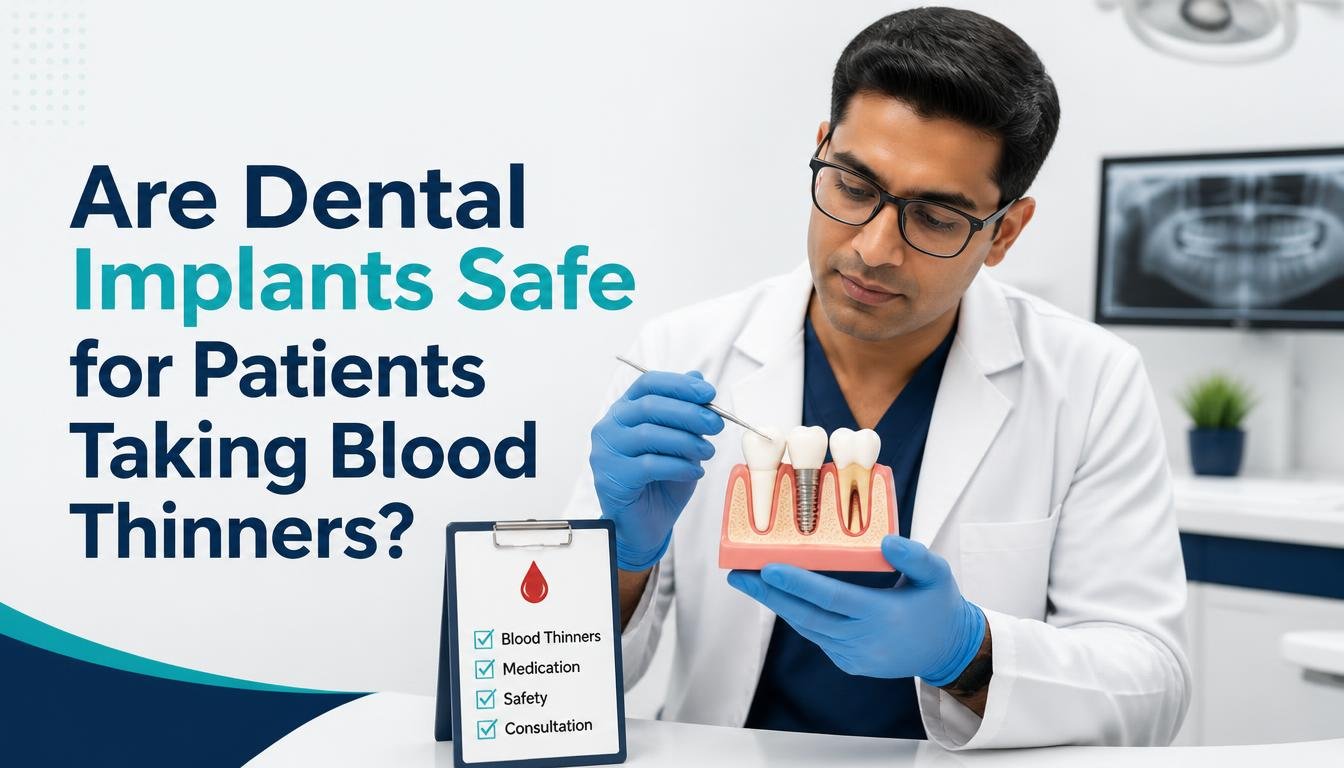
Dental implants are a popular solution for replacing missing teeth, but patients taking blood-thinning medications often have an important concern: Are dental implants safe for patients taking blood thinners?
The good news is that many patients taking anticoagulant or antiplatelet medications can undergo dental implant treatment after an appropriate medical assessment and individualized treatment planning. However, the procedure requires careful consideration of bleeding risk, the patient’s medical history, the type of medication and the complexity of the planned surgery.
At The Dental Crowns in Noida, understanding your medical history and discussing your medications with your dental team are important steps before considering dental implant treatment.
In this guide, we explain how blood thinners affect dental implant surgery, which precautions may be necessary and how patients can prepare for a dental implant consultation.
What Are Blood Thinners and Why Are They Prescribed?
Blood thinners are medications that help prevent harmful blood clots. Doctors may prescribe them to patients with certain heart conditions, a history of stroke, deep vein thrombosis, pulmonary embolism or other medical conditions.
There are two main categories of these medications.
1. Anticoagulants
Anticoagulants reduce the blood’s ability to form clots. Common examples include:
- Warfarin
- Apixaban
- Rivaroxaban
- Dabigatran
- Edoxaban
2. Antiplatelet Medications
Antiplatelet medications reduce the tendency of platelets to stick together and form clots. Examples include aspirin and clopidogrel.
These medications can increase bleeding during or after certain dental procedures. However, stopping them without medical advice can increase the risk of serious complications, including stroke or other dangerous blood clots.
That is why patients should always inform their dentist about every medication they take before undergoing dental implant surgery.
Are Dental Implants Safe for Patients Taking Blood Thinners?
Yes, dental implants may be possible for many patients taking blood thinners, but safety depends on an individual assessment.
Research suggests that dental implant placement can often be performed in appropriately selected patients who continue their prescribed anticoagulant medication, provided the dental team uses suitable bleeding-control measures.
A systematic review and meta-analysis published in the International Journal of Implant Dentistry found that patients continuing oral anticoagulants during implant surgery had a higher risk of bleeding, but the reported bleeding events were generally not clinically significant. The authors emphasized individualized risk assessment and appropriate local bleeding-control measures.
You can read the research in this systematic review on dental implants and anticoagulants.
However, these findings do not mean that every patient or every implant procedure carries the same level of risk. Extensive surgery, bone grafting, multiple implants and additional medical conditions may require more detailed planning.
Your dentist may need to coordinate with your prescribing physician or cardiologist before proceeding.
How Do Blood Thinners Affect Dental Implant Surgery?
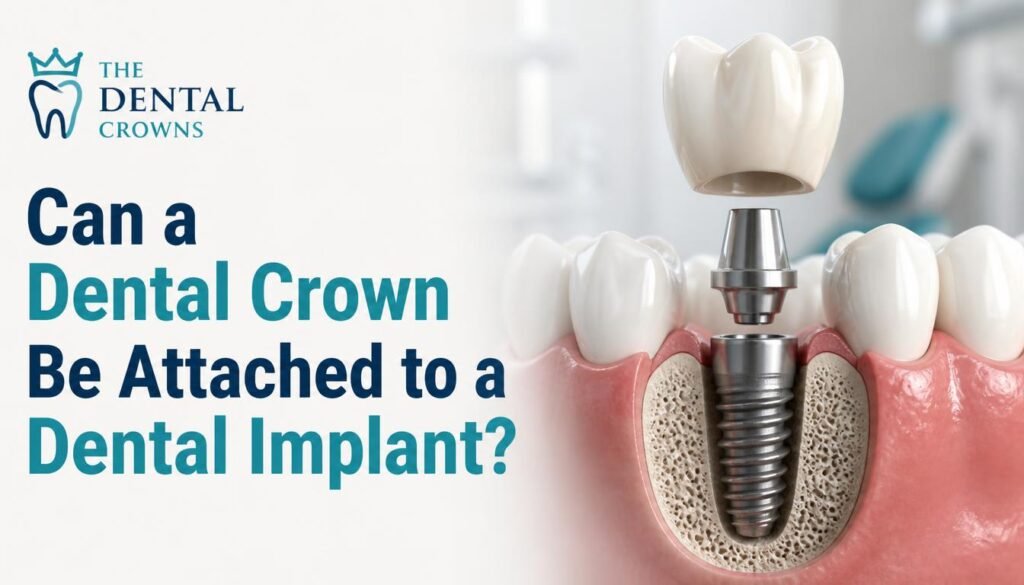
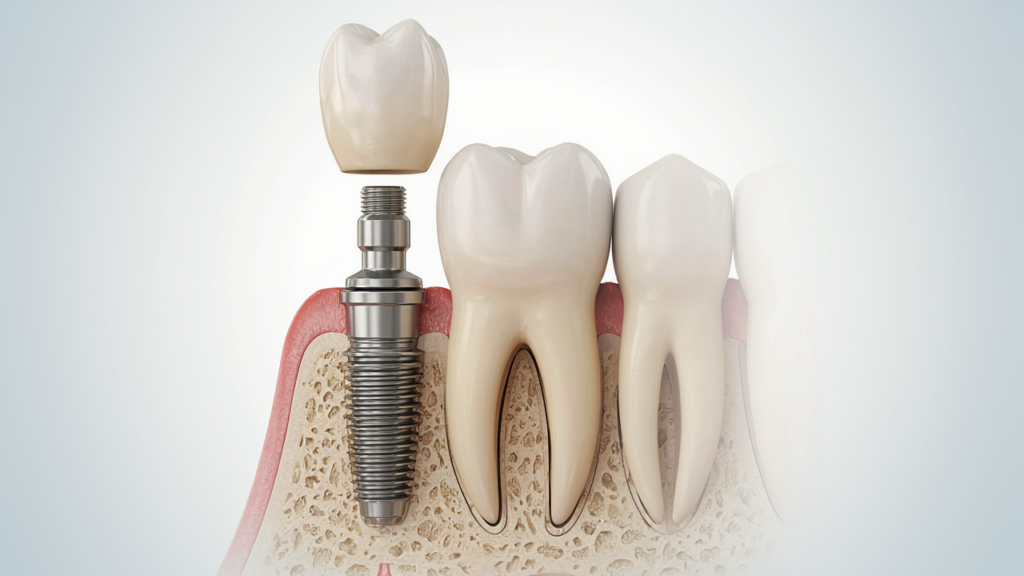
Dental implant treatment involves placing a small implant into the jawbone. This requires making an incision in the gum and preparing the bone for implant placement.
Because blood thinners affect clot formation, patients taking these medications may experience:
- Bleeding during the procedure.
- Longer-than-expected oozing after surgery.
- Bruising or swelling around the surgical area.
- A need for additional bleeding-control measures.
The level of risk varies according to the medication, dosage, the patient’s medical condition and the extent of the procedure.
Importantly, a higher chance of minor bleeding does not automatically mean that dental implants are unsuitable.
Dentists can use appropriate measures, such as careful surgical technique, pressure, sutures and local haemostatic materials, to help control bleeding.
Should You Stop Taking Blood Thinners Before Dental Implant Surgery?
Never stop or change your blood-thinning medication on your own before dental implant treatment.
Stopping medication without professional guidance may increase your risk of a blood clot, stroke or other serious medical event.
The decision to continue, temporarily adjust or interrupt medication depends on several factors, including:
- The specific medication you take.
- Why the medication was prescribed.
- Your bleeding and clotting risks.
- Whether you take multiple blood-thinning medications.
- The complexity of the planned implant surgery.
- Your kidney function and other relevant medical conditions.
The American Dental Association explains that many patients can continue anticoagulant or antiplatelet therapy for dental procedures, with appropriate local measures to manage bleeding. Any medication changes for higher-risk procedures should be considered with the prescribing physician.
Read the American Dental Association’s guidance on blood thinners and dental procedures.
For certain patients taking warfarin, the dentist may request a recent INR blood test. This test helps assess how quickly the blood clots. Other anticoagulants require different considerations, so an INR test is not a universal measure for all blood-thinning medications.
What Precautions Are Taken Before Dental Implant Placement?
A thorough preoperative assessment helps the dental team plan treatment according to your individual needs.
1. Review Your Medical History
Tell your dentist about any heart conditions, previous strokes, blood-clotting disorders, kidney or liver problems, allergies and other medical conditions.
2. Share Your Complete Medication List
Include prescription medications, over-the-counter medicines, supplements and any other products that could affect bleeding.
3. Assess Your Bleeding Risk
Your dentist will consider the medication you take, your medical history and the type of implant procedure required. Additional investigations or medical consultation may be appropriate.
4. Coordinate With Your Treating Physician
If your situation involves a higher risk of bleeding or clotting, your dentist may consult the doctor who prescribed your medication before finalizing the treatment plan.
5. Plan Appropriate Bleeding-Control Measures
Depending on the procedure, the dental team may use sutures, local haemostatic materials, pressure and careful postoperative monitoring.
For patients requiring more extensive procedures, the dentist may also consider whether treatment should be modified, staged or referred to a suitable specialist.
What Happens After Dental Implant Surgery?
Recovery varies from patient to patient. Patients taking blood thinners should follow their dentist’s postoperative instructions carefully and know when to seek assistance.
General precautions may include:
- Follow the prescribed aftercare instructions.
- Avoid disturbing the surgical site with your tongue or fingers.
- Eat foods appropriate for your recovery stage.
- Maintain oral hygiene as instructed by your dentist.
- Take only medications approved by your treating healthcare professional.
- Attend recommended follow-up appointments.
Do not independently stop, restart or change the timing of your blood-thinning medication after surgery. Follow the individualized instructions agreed upon by your treating professionals.
When Should You Contact Your Dentist?
Contact your dentist promptly if bleeding continues despite following the recommended pressure instructions, repeatedly starts again or appears heavier than expected.
Seek urgent medical care if you experience heavy or uncontrolled bleeding, fainting, difficulty breathing or other severe symptoms.
Patients should receive clear instructions before leaving the clinic about managing bleeding and obtaining urgent help.
Who May Need Extra Assessment Before Dental Implants?
Although many patients taking blood thinners can be considered for implant treatment, some circumstances require additional planning.
These include:
- Patients taking more than one anticoagulant or antiplatelet medication.
- Patients with poorly controlled medical conditions.
- Patients with a history of excessive bleeding.
- Patients with kidney or liver disease that may affect bleeding risk.
- Patients who need multiple implants, extensive bone grafting or other complex oral surgery.
Having one of these risk factors does not automatically rule out dental implants. It means that the dental and medical teams need to assess the benefits, risks and available alternatives before deciding on treatment.
Are Dental Implants Better Than Dentures for Patients on Blood Thinners?
Dental implants and dentures are different treatment options, and neither is automatically better for every patient.
Dental implants are placed surgically into the jawbone and can support a replacement crown, bridge or denture. Conventional removable dentures generally do not require implant-placement surgery.
For some patients, avoiding surgery may be appropriate. For others, dental implants may remain a suitable option after medical evaluation.
Your dentist can discuss the advantages, limitations, expected costs, maintenance requirements and potential risks of each option.
If you are exploring tooth-replacement options, you can learn more about dental implant treatment at The Dental Crowns.
Where Can You Discuss Dental Implants in Noida?
If you have missing teeth and take blood-thinning medication, the first step is to arrange a dental consultation rather than stopping medication or deciding against treatment without an assessment.
The Dental Crowns in Sector 79, Noida, offers dental implant treatment and can help patients understand the treatment-planning process. During your consultation, bring your medication list, relevant medical records and any recent blood test results your treating doctor has recommended.
Your dental team can evaluate your oral health, discuss your medical history and determine whether further coordination with your physician is needed before implant placement.
To discuss your dental concerns, visit The Dental Crowns’ contact page to enquire about an appointment.
Frequently Asked Questions
1. Can I get dental implants while taking warfarin?
Possibly. Some patients taking warfarin can undergo implant surgery, but the dentist must assess the procedure’s bleeding risk and may need to review a recent INR result. Do not stop warfarin without advice from the clinician managing your anticoagulation.
2. Are dental implants safe while taking aspirin?
Many patients taking aspirin can undergo dental procedures without stopping it. However, the decision depends on the reason for taking aspirin, whether other blood-thinning medications are involved and the complexity of the planned surgery.
3. Can I get dental implants while taking apixaban or rivaroxaban?
Implant surgery may be possible. The dentist needs to assess the procedure and your medical history. Any change to the timing or dose of these medications must follow an individualized plan agreed upon by the appropriate healthcare professionals.
4. Is bleeding after dental implant surgery dangerous?
Small amounts of bleeding or oozing can occur after oral surgery. Persistent, heavy or uncontrolled bleeding requires prompt professional assessment, particularly for patients taking anticoagulants.
5. Will I need a blood test before dental implant surgery?
Not everyone needs the same tests. A dentist may request an INR test for patients taking warfarin or other investigations when indicated by the patient’s medical history. INR testing does not measure the effect of every anticoagulant.
6. Should I stop my blood thinner one day before implant surgery?
There is no single rule that applies to every medication and every patient. Never change your medication schedule without specific instructions from the prescribing clinician and dental team.
7. Can patients taking two blood thinners receive dental implants?
It may be possible in selected cases, but combined therapy can increase bleeding risk. A detailed assessment and coordination with the prescribing physician are particularly important.
8. How do I prepare for a dental implant consultation in Noida?
Bring your medication list, details of your medical conditions, relevant test results and information about previous bleeding problems. Ask your dentist about the proposed procedure, bleeding-control measures, recovery and follow-up care.
Final Thoughts
Dental implants may be a suitable tooth-replacement option for many patients taking blood thinners, but successful treatment starts with careful planning.
Your medication should never be stopped or adjusted without professional guidance. A personalized assessment, appropriate bleeding-control measures and coordination between your dentist and prescribing physician can help balance bleeding risks against the dangers of interrupting essential medication.
If you are considering dental implants, consult a qualified dental professional to understand your options and determine the safest approach for your individual circumstances.
Disclaimer: This article is for educational purposes only and is not a substitute for personalized medical or dental advice. Treatment decisions must be made by qualified healthcare professionals familiar with your medical history.