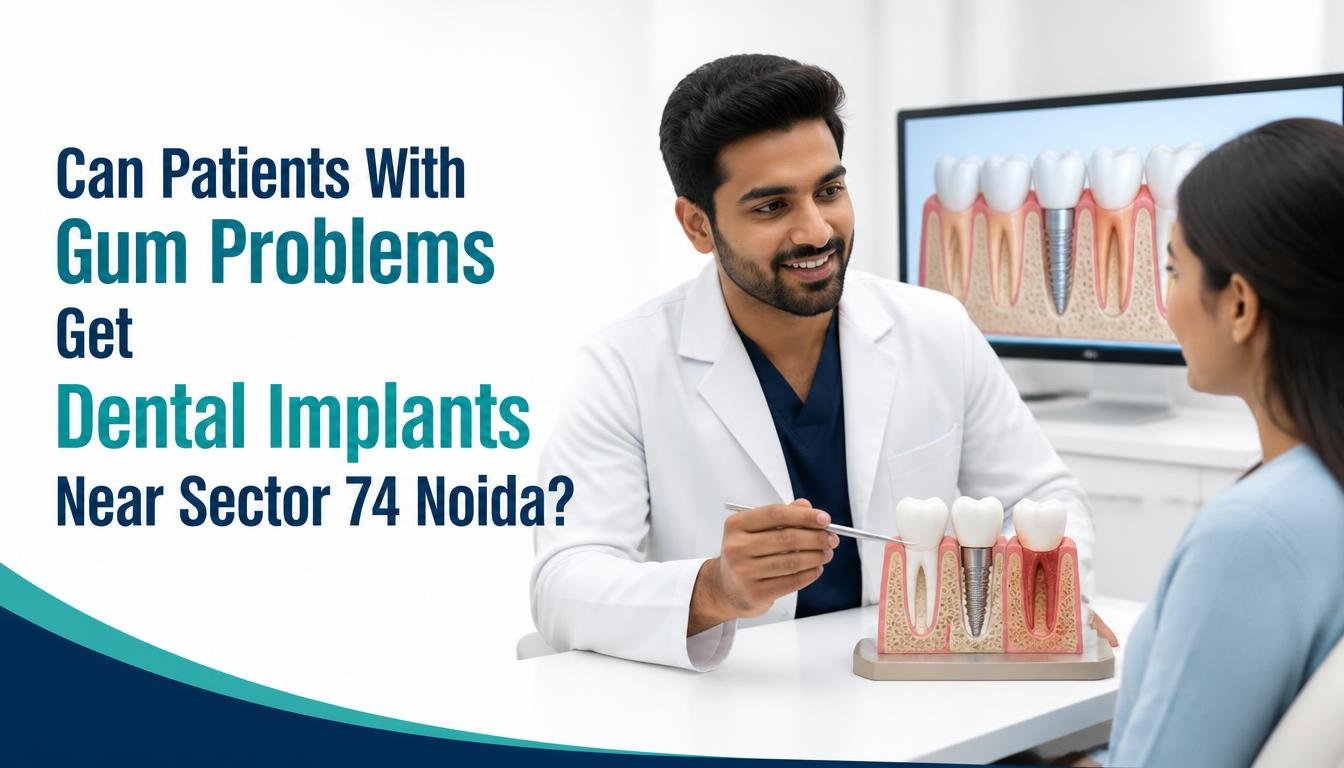
Missing teeth can affect your smile, chewing ability and confidence. Dental implants are a popular tooth replacement option, but what if you have bleeding gums, gum infection or a history of periodontal disease? Can you still get dental implants?
Yes, many patients with gum problems may still be eligible for dental implants, but active gum disease usually needs to be treated and controlled before implant placement. The final decision depends on your gum health, jawbone condition, oral hygiene and overall health.
If you are searching for dental implants near Sector 74 Noida, understanding the relationship between gum health and implant treatment can help you make an informed decision.
At The Dental Crowns, patients can discuss their missing teeth, gum health and possible treatment options with a dental professional before proceeding with implant treatment.
What Is the Connection Between Gum Disease and Dental Implants?
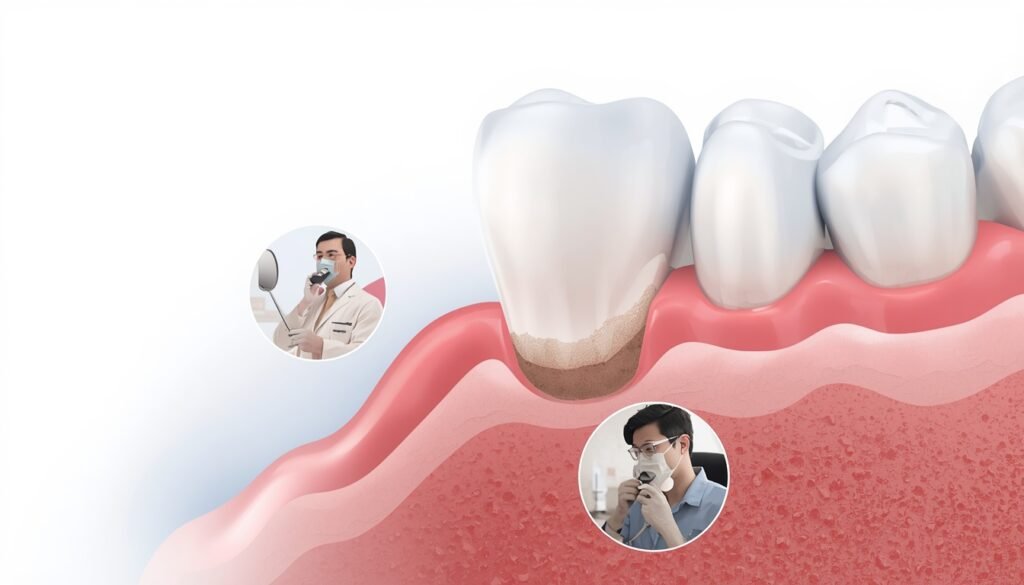
Gum disease, also known as periodontal disease, is an infection and inflammatory condition affecting the gums and the supporting tissues around the teeth. It often begins when plaque builds up along the gumline and is not removed effectively.
In its early stage, called gingivitis, symptoms may include red, swollen or bleeding gums. If the condition progresses to periodontitis, it can damage the tissues and bone supporting the teeth.
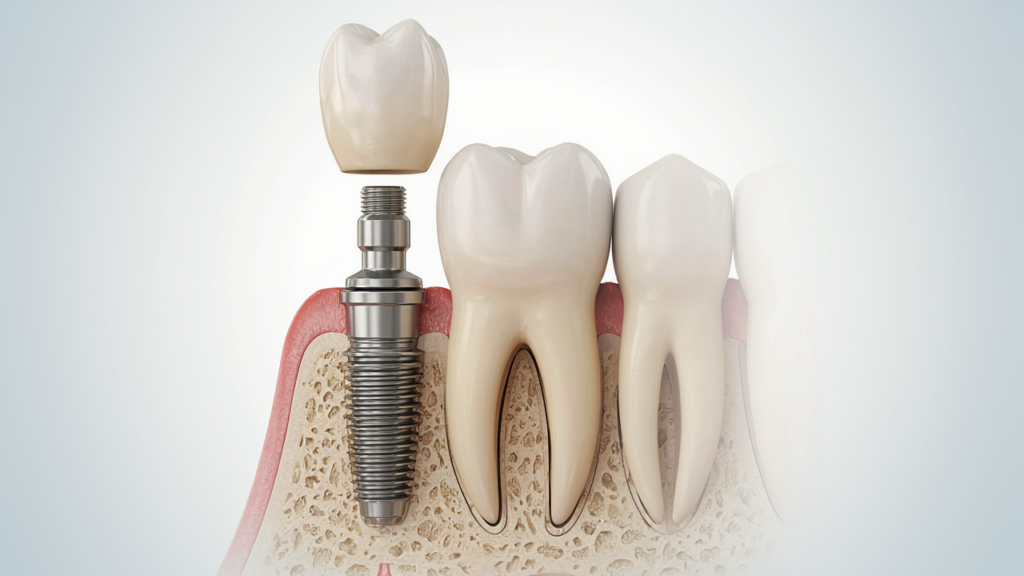
Dental implants require a suitable foundation in the jawbone and healthy surrounding tissues. Uncontrolled gum disease can make implant treatment more complicated and may increase the risk of complications after placement.
According to the National Institute of Dental and Craniofacial Research, untreated gum disease can damage the supporting structures of the teeth. This is one reason why a thorough dental examination is important before replacing missing teeth with implants.
Can You Get Dental Implants If You Have Gum Disease?
The answer depends on whether your gum disease is active, how severe it is and whether it can be successfully controlled.
1. Patients With Mild Gum Problems
If you have mild gum inflammation or gingivitis, your dentist may recommend professional cleaning, improved brushing and flossing, and a suitable oral hygiene routine.
Once your gums have improved, the dentist can reassess your suitability for dental implants.
2. Patients With Moderate or Advanced Periodontitis
Moderate or advanced gum disease may require more extensive periodontal treatment. This can include scaling and root planing, periodontal maintenance or other procedures depending on the severity of the condition.
If there has been significant bone loss, the dentist will also need to assess the available bone around the proposed implant site.
Dental implants may still be possible for some patients after periodontal disease is controlled, but the treatment plan must be individualised.
3. Patients Who Have Lost Teeth Because of Gum Disease
Some people lose teeth because advanced periodontal disease damages the tissues supporting them. These patients may still be candidates for dental implants, but a previous history of gum disease is an important risk factor to discuss with the dentist.
Before treatment, the dentist may evaluate the remaining bone, gum condition, oral hygiene habits and risk factors for further periodontal problems.
The goal is to establish a stable oral environment before considering implant placement.
What Happens If You Get Dental Implants With Untreated Gum Disease?
Proceeding with dental implant treatment while gum disease remains uncontrolled may increase the risk of inflammation, infection and problems with the tissues supporting the implant.
One concern is peri-implantitis, a condition involving inflammation around an implant accompanied by loss of the supporting bone.
The American Academy of Periodontology explains that bacteria can accumulate around dental implants and contribute to inflammation and damage to surrounding tissues.
Possible warning signs include:
- Redness or swelling around the implant.
- Bleeding when brushing or cleaning around the implant.
- Tenderness or discomfort around the implant site.
- Gum recession around the restoration.
- Changes in the supporting bone, which may be identified through dental examination and imaging.
These symptoms do not automatically mean an implant has failed, but they should be assessed promptly by a dental professional.
The important takeaway: gum disease should not be ignored before or after dental implant treatment. Prevention, professional monitoring and good oral hygiene are essential.
What Treatment May Be Needed Before Dental Implants?
If you are looking for dental implants near Sector 74 Noida and have gum problems, your dentist may recommend several steps before deciding whether implant placement is appropriate.
Step 1: Comprehensive Dental and Gum Examination
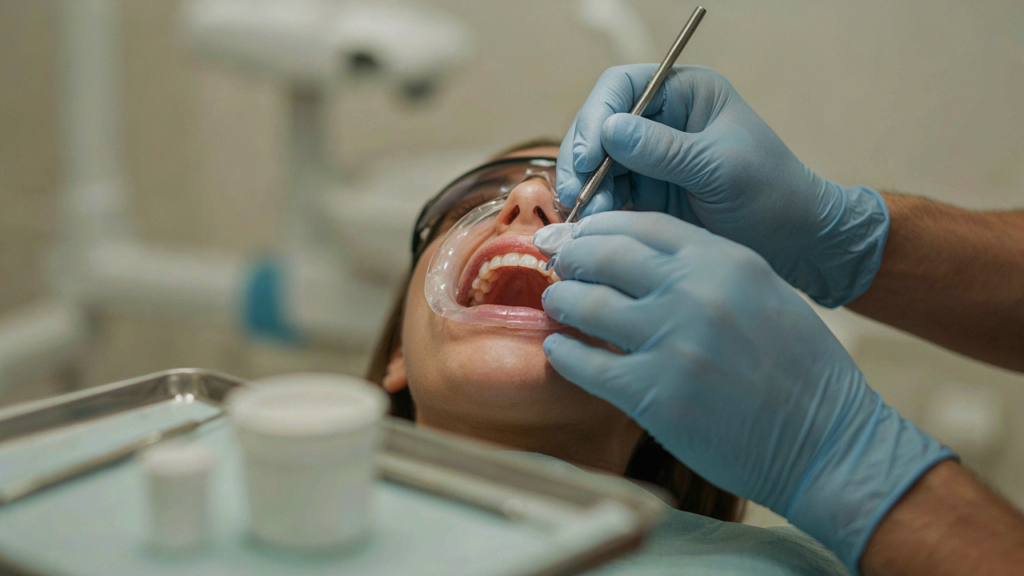
Your dentist will examine your gums, teeth, bite and missing-tooth area. They may measure the spaces between your teeth and gums to look for signs of periodontal disease.
Your medical history, medications, smoking habits and conditions such as diabetes may also be reviewed.
Step 2: Professional Cleaning and Periodontal Treatment
Depending on the diagnosis, treatment may involve professional scaling or deep cleaning, commonly known as scaling and root planing.
More advanced cases may require additional periodontal procedures. The objective is to control infection and inflammation and establish a maintainable level of gum health.
Step 3: Assessment of Jawbone Health
Dental implants need adequate bone support. If gum disease has caused bone loss, your dentist may recommend dental imaging to evaluate the proposed implant site.
Some patients may require additional procedures, such as bone grafting, while others may need a different treatment approach.
Not every patient with bone loss requires grafting, and suitability can only be determined through a clinical assessment.
Step 4: Review of Gum Health Before Implant Placement
After periodontal treatment, your dentist will reassess your gum health and oral hygiene. Implant placement may be considered when the disease is sufficiently controlled and the overall conditions are appropriate.
There is no single waiting period that suits everyone. Timing depends on the severity of gum disease, the response to treatment, bone condition and the proposed implant procedure.
Step 5: Implant Placement and Follow-Up Care
If you are considered suitable, your dentist will plan implant placement and explain the procedure, healing period, restoration and aftercare.
Regular follow-up visits are important to monitor the gums and supporting bone and identify potential complications early.
Who Is a Good Candidate for Dental Implants?
Patients with the following characteristics may be more suitable for dental implant treatment:
- One or more missing teeth that need replacement.
- Healthy gums or periodontal disease that has been adequately controlled.
- Sufficient jawbone support, or a suitable plan to address bone deficiency.
- Good daily oral hygiene.
- Medical conditions that are appropriately managed.
- Willingness to attend regular dental check-ups.
- A commitment to maintaining the implant and surrounding tissues.
Smoking, uncontrolled diabetes, poor plaque control and a history of periodontal disease can affect treatment outcomes. These factors do not automatically rule out implants, but they should be discussed honestly during your consultation.
Your dentist may recommend alternative tooth replacement options if implant treatment is not appropriate for your current oral condition.
How Can You Maintain Healthy Gums After Dental Implants?
Maintaining healthy gums is important throughout the life of a dental implant. The implant itself cannot develop tooth decay, but the surrounding gum tissues and supporting bone can develop inflammatory problems.
Follow these preventive measures:
Brush twice daily: Use a soft-bristled toothbrush and fluoride toothpaste. Clean carefully around the implant restoration and gumline.
Clean between your teeth: Use dental floss, interdental brushes or other cleaning aids recommended by your dentist.
Attend regular dental visits: Professional examinations help monitor gum health and the condition of the implant.
Avoid smoking and tobacco: Tobacco use is associated with a higher risk of gum disease and can interfere with healing.
Manage underlying health conditions: If you have diabetes or another condition that may affect healing, discuss its management with your healthcare professional and dentist.
Report unusual symptoms early: Bleeding, swelling, persistent discomfort or changes around an implant should not be ignored.
Patients with a history of periodontitis may need a more individualised periodontal maintenance schedule.
Where Can You Get Dental Implants Near Sector 74 Noida?
If you live in Sector 74 or nearby areas of Noida, look for a dental clinic that evaluates gum health, jawbone support and your medical history before recommending implant treatment.
The Dental Crowns, located at Civitech Stadia, Sector 79, Noida, offers dental implant treatment and other dental services. Patients can contact the clinic to discuss their concerns, arrange an assessment and understand the treatment options available to them.
Before choosing a clinic, consider the dentist’s relevant qualifications and implant experience, the diagnostic process, treatment alternatives, complete cost estimates and long-term follow-up arrangements.
You can explore the clinic’s dental services and learn more about dental implants near Noida Sector 74 before scheduling a consultation.
The right treatment plan should be based on your oral health rather than a one-size-fits-all approach.
Frequently Asked Questions
Can I get dental implants if my gums bleed?
Bleeding gums may indicate gingivitis or another gum problem. Your dentist should identify the cause and recommend appropriate treatment before deciding whether implant placement is suitable.
Do I need gum treatment before dental implants?
If you have active periodontal disease, treatment and control of the condition are generally important before implant placement. The specific treatment depends on your diagnosis.
Can dental implants be placed after periodontitis?
Some patients with a history of periodontitis can receive dental implants after the disease has been controlled. They may need closer monitoring and ongoing periodontal maintenance.
Does gum disease mean I can never get dental implants?
No. Gum disease does not automatically rule out implants permanently. Eligibility depends on the severity of the disease, response to treatment, bone support and other individual factors.
Can gum disease return after dental implants?
Yes. Inflammation around implants can occur, particularly when plaque control is poor or other risk factors are present. Good oral hygiene and regular professional care can help reduce the risk.
Is bone grafting necessary if gum disease has caused bone loss?
Not always. Bone grafting may be considered in some cases, but the need depends on the amount and location of available bone and the proposed implant plan.
How do I find dental implants near Sector 74 Noida?
Choose a qualified dental professional who evaluates your gums and jawbone, explains the risks and alternatives, provides a personalised treatment plan and offers follow-up care. You can contact The Dental Crowns in Sector 79, Noida, to enquire about an implant consultation.
Conclusion: Healthy Gums Are an Important Step Towards Dental Implants
Patients with gum problems may still be able to receive dental implants, but active gum disease should be evaluated and controlled before treatment wherever clinically appropriate. A careful assessment of the gums, jawbone, oral hygiene and overall health helps the dentist determine the safest and most suitable approach.
If you are considering dental implants near Sector 74 Noida, do not let bleeding gums or a previous history of periodontal disease stop you from seeking professional advice. Early evaluation can help you understand your options and the steps that may be needed before implant placement.
Contact The Dental Crowns to enquire about dental implant treatment and discuss your individual oral health needs.
Medical disclaimer: This article is for educational purposes only and does not replace an examination or personalised advice from a qualified dental professional.