Experiencing persistent pain in the back of your mouth, sensitivity while drinking hot or cold beverages, or discomfort when chewing can be signs of an underlying dental problem. When the affected tooth is a molar, treatment may sometimes be more complicated than a routine root canal.
If you are searching for complex root canal treatment near Sector 77 Noida, understanding why molars require additional attention can help you make informed decisions about your dental health.
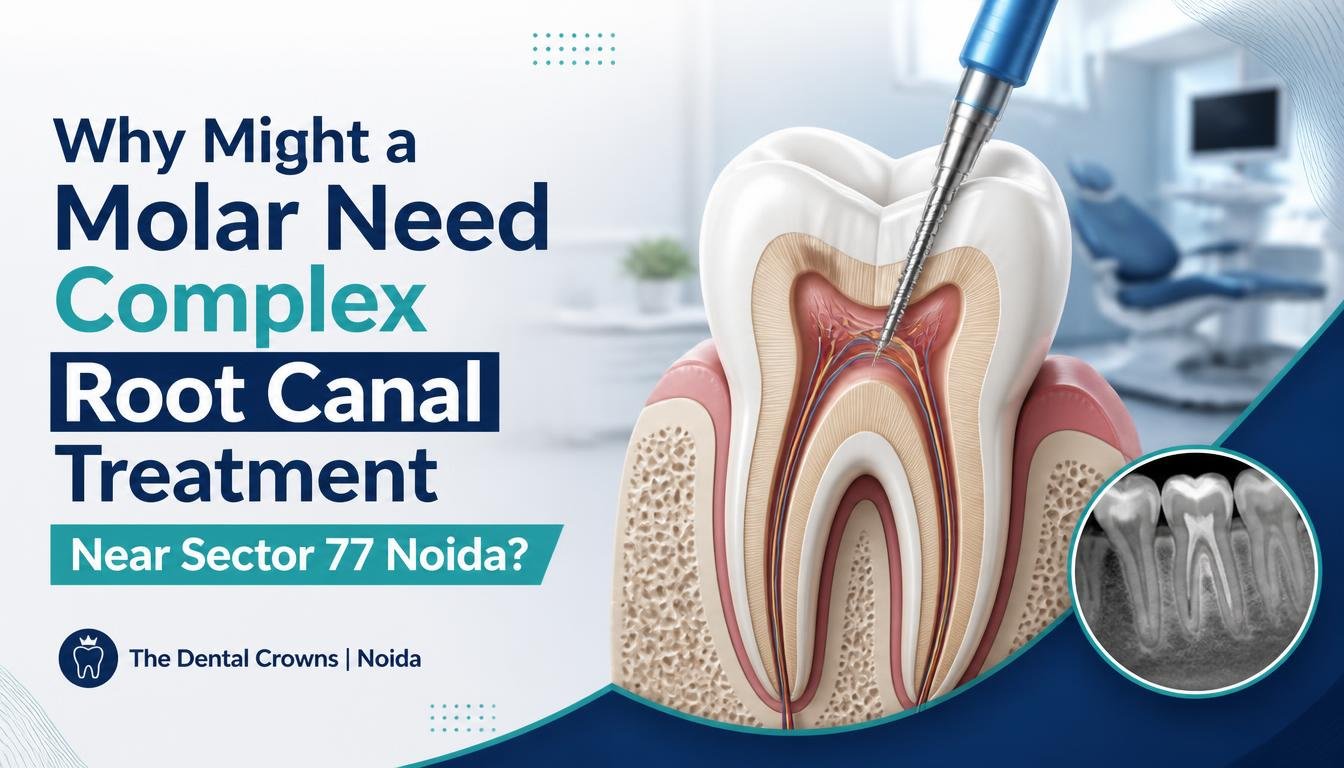
Molars are the large teeth at the back of your mouth that help grind food. Their roots and internal canal systems can have complicated shapes, narrow passages and unexpected branches. When the pulp inside a molar becomes inflamed or infected, the dentist must assess its anatomy carefully to determine the appropriate treatment.
At The Dental Crowns, located in Civitech Stadia, Sector 79, Noida, patients can explore root canal treatment and other restorative dental services following a clinical consultation.
What Is Complex Root Canal Treatment?
The soft tissue inside a tooth, known as the dental pulp, contains nerves and blood vessels. Deep decay, cracks, trauma or repeated dental procedures can damage this tissue.
A complex root canal is a case that presents additional challenges because of factors such as unusual root anatomy, severely curved canals, narrow or calcified passages, persistent infection or a previous unsuccessful root canal.
Although the basic objective remains the same, complex cases may require additional diagnostic assessment, careful instrumentation, more treatment time or specialist evaluation.
1. Molars Have Multiple Root Canals
One of the main reasons a molar may need complex root canal treatment is its internal anatomy.
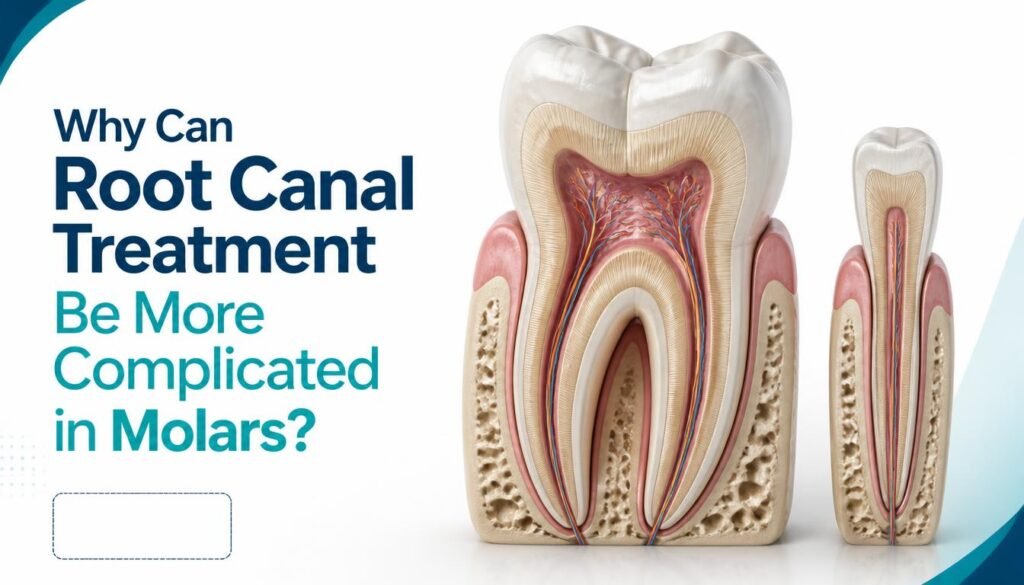
Unlike many front teeth, which commonly have a simpler canal system, molars often have multiple roots and canals. The exact number and arrangement vary between teeth and individuals.
Some canals may be very narrow, curved or difficult to identify on conventional dental X-rays. Additional canals can occasionally be present within a root that appears to have only one canal.
If a canal containing infected tissue is overlooked, the infection may persist and the tooth may not heal as expected.
For this reason, the dentist carefully evaluates the tooth’s anatomy before and during treatment.
2. Deep Tooth Decay Can Reach the Dental Pulp
Untreated cavities can gradually extend through the outer enamel and underlying dentine towards the dental pulp.
When bacteria reach the pulp, they may cause inflammation or infection. Depending on the extent of damage, a filling alone may no longer be sufficient.
Signs that require dental assessment include:
- Persistent toothache or throbbing pain.
- Pain while biting or chewing.
- Sensitivity to hot or cold foods that lingers.
- Swelling around the affected tooth.
- A gum pimple or drainage near the tooth.
- Discomfort that returns after temporarily improving.
These symptoms do not automatically mean that a root canal is necessary. A dentist must examine the tooth and determine the actual cause.
If you live in Sector 77 Noida and have persistent molar pain, arranging an examination early can help identify the problem before it becomes more complicated.
3. Curved or Narrow Canals Make Treatment More Challenging
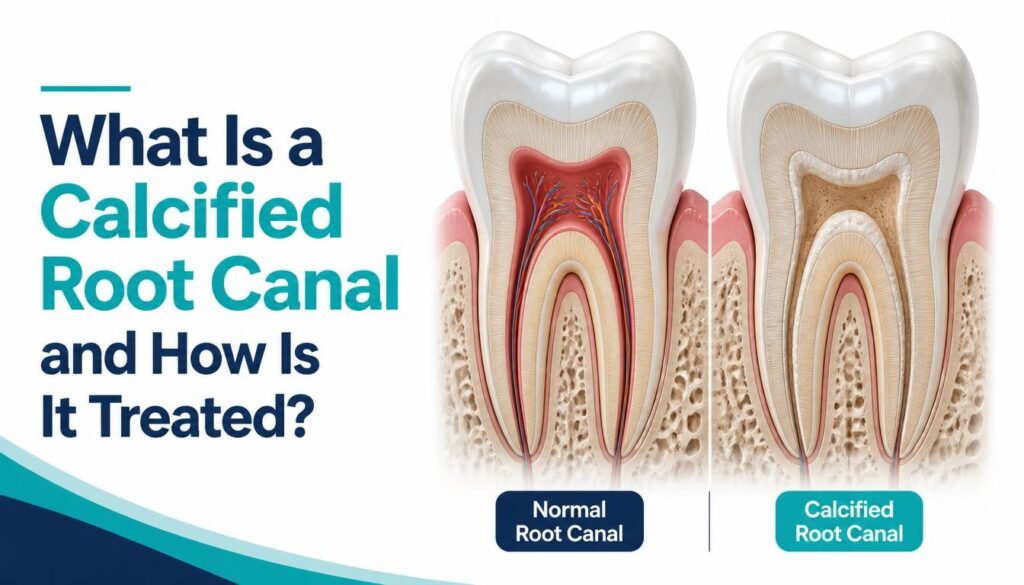
Molar root canals are not always straight, open passages. Some have sharp curves, narrow sections, branches or calcification that makes them difficult to navigate.
The dentist must clean and disinfect the canal system while preserving as much healthy tooth structure as possible.
Complex anatomy requires careful planning and appropriate instruments. In selected cases, additional imaging or specialist techniques may help the clinician understand the root canal system more clearly.
Advanced imaging, including cone-beam computed tomography (CBCT), is not required for every root canal. It may be considered when the clinical examination and conventional X-rays do not provide sufficient information for a complex case.
4. A Previously Treated Molar May Need Root Canal Retreatment
Sometimes, a tooth that has already undergone root canal treatment develops new symptoms.
Possible reasons include an untreated canal, persistent infection, new decay, a cracked tooth or a damaged restoration that allows bacteria to enter.
Warning signs can include renewed pain, swelling, tenderness while chewing or a recurring problem near the treated tooth.
A dentist may recommend additional examination and, in suitable cases, root canal retreatment. This involves reopening the tooth, assessing the existing treatment and cleaning and sealing the canal system again when appropriate.
Not every previously treated tooth can be saved. The dentist must evaluate the root, surrounding bone, remaining tooth structure and any fractures before recommending the next step.
5. A Cracked Molar Can Complicate Root Canal Treatment
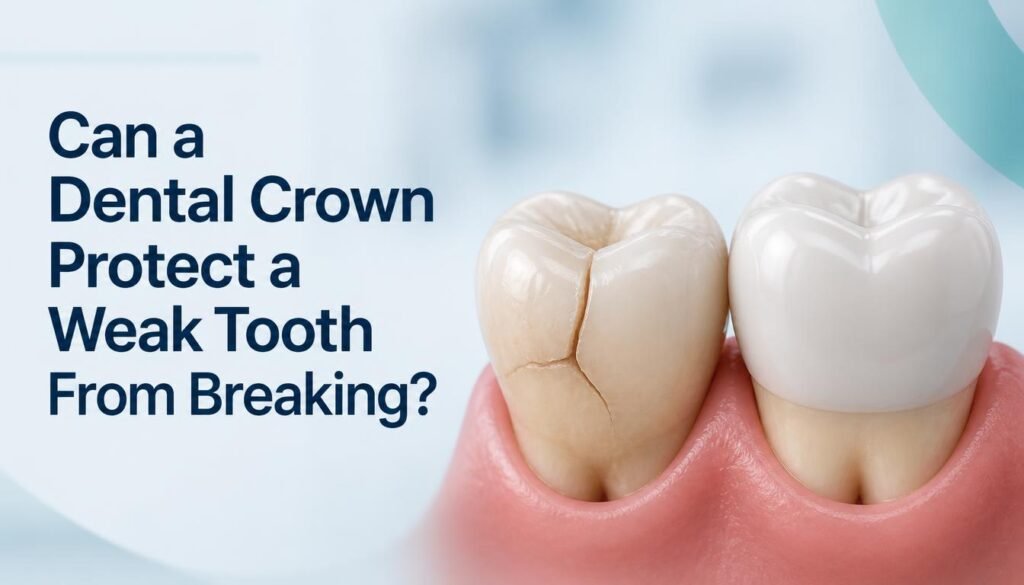
Molars experience substantial chewing forces. Biting hard objects, dental trauma, large existing fillings and other factors can contribute to cracks or fractures.
A crack may allow bacteria to reach the pulp, leading to inflammation or infection.
However, root canal treatment does not repair every type of crack. A tooth with a crack that extends deeply into the root may have a poor prognosis and could require a different treatment approach.
The dentist will assess the location and extent of the crack to determine whether the tooth can be restored predictably.
What Happens During Complex Molar Root Canal Treatment?
Although every case is different, treatment generally involves several stages.
Step 1: Examination and Diagnosis
The dentist reviews your symptoms, examines the tooth and may take dental X-rays. Additional diagnostic tests or imaging may be recommended if the anatomy or diagnosis is unclear.
Step 2: Local Anaesthesia
Local anaesthesia is generally used to help keep the procedure comfortable. The dentist will also explain what to expect during treatment.
Step 3: Accessing the Root Canal System
A small opening is made in the tooth to access the pulp chamber and locate the canals.
Step 4: Cleaning and Disinfection
The inflamed or infected pulp is removed when indicated. The canals are carefully cleaned, shaped and disinfected to reduce the bacterial load.
Step 5: Filling and Sealing
Once the canals have been adequately prepared, they are filled with a suitable root canal material and sealed to help prevent reinfection.
Step 6: Final Restoration
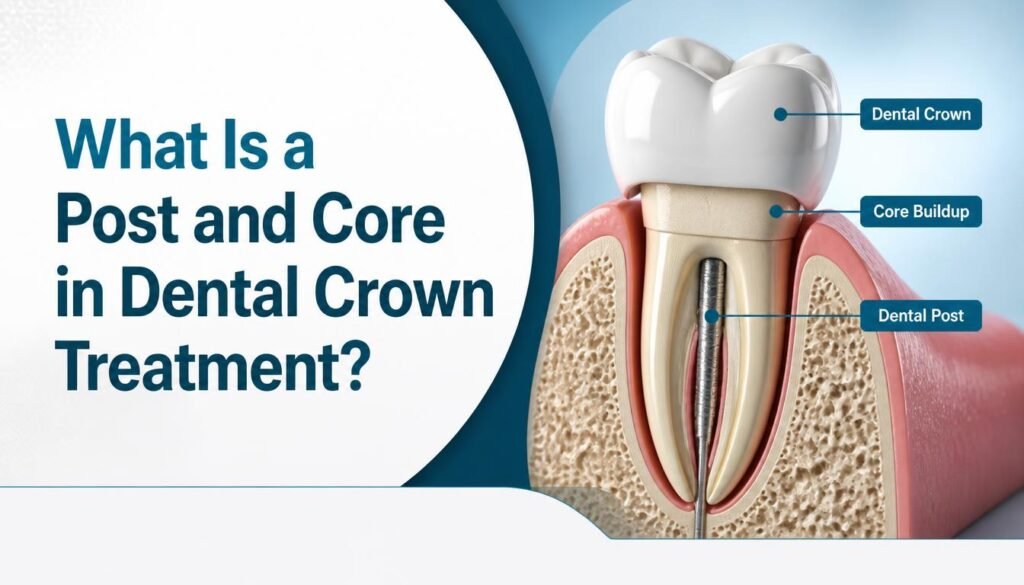
The access opening is restored. Depending on how much tooth structure remains and the forces placed on the tooth during chewing, the dentist may recommend a permanent filling, an onlay or a dental crown.
Molars with substantial structural damage may benefit from cuspal coverage to help protect the remaining tooth. The final restoration should be selected according to the individual clinical situation.
How Long Does Complex Root Canal Treatment Take?
There is no single treatment duration that applies to every molar.
Some cases can be completed in one appointment, while others require multiple visits. The duration depends on the canal anatomy, the severity of infection, whether retreatment is required and the difficulty of cleaning and sealing the canals.
Your dentist can explain the likely number of appointments after examining the tooth.
Do not assume that a longer treatment necessarily means something has gone wrong. Complex anatomy can require additional care to achieve appropriate cleaning and sealing.
Is Complex Root Canal Treatment Painful?
Root canal treatment is usually performed under local anaesthesia, which helps control pain during the procedure.
Some tenderness or sensitivity may occur afterwards, particularly if the tissues around the root were inflamed before treatment. This usually improves as healing progresses, although recovery varies between patients.
Follow your dentist’s aftercare instructions and attend recommended follow-up visits.
If you develop increasing pain, persistent swelling, fever or symptoms that are getting worse rather than improving, contact your dentist promptly. Difficulty breathing or swallowing, or rapidly spreading facial or neck swelling, requires emergency medical attention.
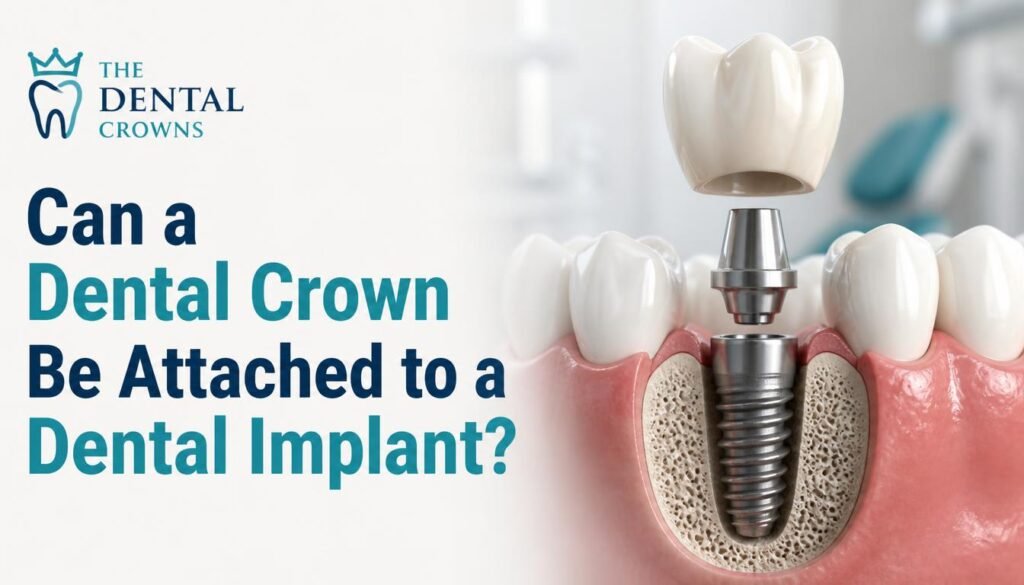
Why Might a Dental Crown Be Recommended After Molar RCT?
A root canal treats the inside of the tooth, but it does not automatically restore all the strength lost through decay, cracks or previous dental work.
A molar that has lost a substantial amount of its structure may need a crown or another protective restoration to support chewing and reduce the risk of further fracture.
The choice depends on the remaining tooth structure, the position of the tooth, the extent of damage and your dentist’s assessment.
You can learn more about restorative options through our Dental Crown Treatment Services.
Root Canal Treatment vs Tooth Extraction: Which Is Better?
When a molar is severely damaged, patients may wonder whether it is better to save the tooth or have it extracted.
Root canal treatment may be an option when the tooth can be adequately cleaned, sealed and restored. Preserving a natural tooth can help maintain normal chewing function.
Extraction may be considered when a tooth is non-restorable, has an unfavourable fracture or has other problems that make successful treatment unlikely.
If extraction is necessary, a dentist can discuss suitable replacement options, including dental implants or bridges.
The decision should be based on a proper examination rather than pain alone or the assumption that one option is always better.
Where Can You Get Root Canal Treatment Near Sector 77 Noida?
If you are looking for root canal treatment near Sector 77 Noida, consider choosing a clinic that explains the diagnosis, discusses treatment options and provides a clear plan for restoring the tooth.
The Dental Crowns is located at Civitech Stadia, Sector 79, Noida, and lists root canal treatment among its dental services.
Before treatment, ask your dentist about the complexity of your molar’s canal anatomy, the expected number of visits, whether specialist care is appropriate and what restoration may be needed afterwards.
You can also read our related guide: Root Canal Treatment Near Noida Sector 77: A Complete Guide.
To discuss an appointment, visit our Contact Us page or call +91 89202 71787.
Frequently Asked Questions
1. Why are molar root canals more complicated than front teeth?
Molars often have multiple roots, narrow canals, curves and anatomical variations. These features can make it harder to locate, clean and seal every canal.
2. What are the symptoms of a molar that needs root canal treatment?
Possible symptoms include persistent toothache, lingering temperature sensitivity, pain while chewing, swelling or a gum pimple. Some teeth may have little or no pain, so professional assessment is important.
3. Can a complex molar root canal be completed in one sitting?
Some cases can be completed in one visit, while others require multiple appointments. The decision depends on the tooth’s anatomy, infection and treatment requirements.
4. Is a dental crown always needed after molar RCT?
No. A crown is not automatically necessary for every root-treated tooth. However, a molar with substantial structural damage may need a crown or another protective restoration.
5. What if my molar still hurts after a root canal?
Some short-term tenderness can occur after treatment. Persistent or worsening pain, swelling or recurring symptoms should be evaluated by your dentist to identify the cause.
6. Can a badly infected molar still be saved?
Sometimes. The outcome depends on the extent of infection, root condition, cracks, remaining tooth structure and whether the tooth can be restored successfully.
7. How much does complex root canal treatment cost near Sector 77 Noida?
The cost varies according to the tooth, canal anatomy, infection, need for retreatment, diagnostic requirements and final restoration. Contact the clinic for an assessment and a case-specific estimate.
8. When should I seek urgent dental care?
Seek prompt dental care for persistent pain, swelling or suspected infection. Facial or neck swelling that spreads rapidly, or difficulty breathing or swallowing, requires emergency care.
Conclusion
A molar may need complex root canal treatment because of multiple canals, unusual root anatomy, deep decay, cracks, narrow passages or persistent infection after previous treatment.
Early diagnosis can help establish whether the natural tooth can be preserved and which treatment is appropriate. A careful assessment, adequate cleaning and sealing, and a suitable final restoration are important parts of the treatment plan.
If you are experiencing molar pain and searching for complex root canal treatment near Sector 77 Noida, The Dental Crowns in Sector 79, Noida, offers root canal treatment and restorative dental services for patients to discuss during a consultation.
Book a dental consultation to understand your options and take the next step towards better oral health.
Disclaimer: This article is for general educational purposes and does not replace a dental examination, diagnosis or individual treatment advice.