

A damaged or weakened tooth can affect much more than the appearance of your smile. You may notice sensitivity while eating or drinking, discomfort when chewing, a visible crack, repeated filling problems, or a tooth that has become significantly worn down. In these situations, you may start searching for dental crown treatment near Sector 79 Noida.
A dental crown, also called a dental cap, is a customized restoration that covers the visible portion of a tooth. It can help restore the tooth’s shape, strength, function and appearance when a dentist determines that a full-coverage restoration is appropriate. The American Dental Association explains that crowns may be used to strengthen teeth with large fillings, protect weak or broken teeth, restore damaged teeth and cover dental implants. American Dental Association – Dental Crowns
But does every damaged tooth need a crown?
No.
The right treatment depends on how much healthy tooth structure remains, the location of the tooth, the condition of the gums and the presence of decay, cracks or infection. Sometimes a filling, inlay, onlay or another treatment may be more appropriate.
If you live in or around Sector 79, Noida, understanding the signs that may indicate the need for a dental crown can help you seek professional evaluation at the right time.
What Is a Dental Crown?
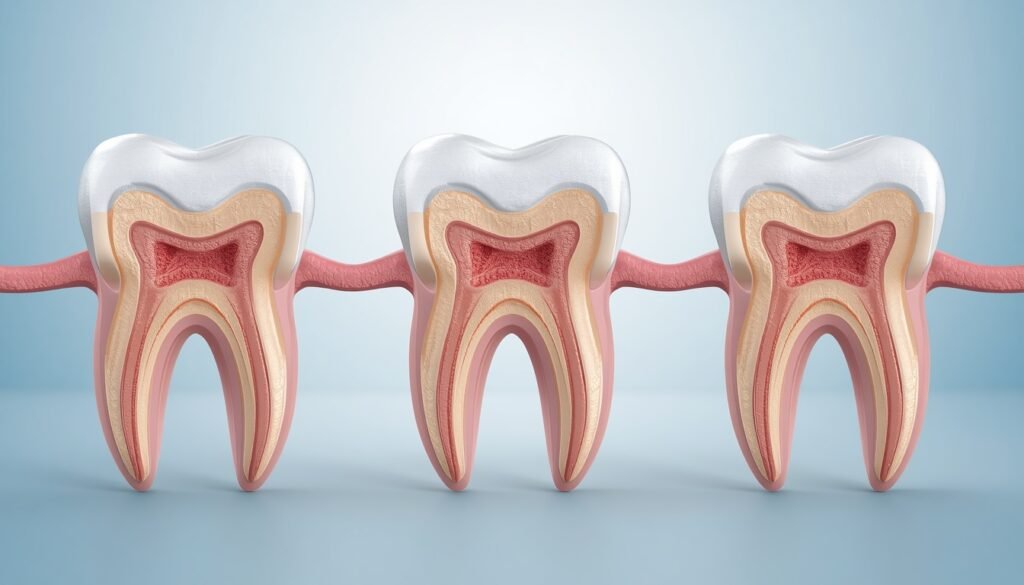
A dental crown is a custom-made restoration designed to fit over a prepared tooth. It essentially acts as a protective covering around the remaining tooth structure.
According to Cleveland Clinic, dental crowns may be used for decayed, broken, weak or worn teeth and can also be used to restore root-canal-treated teeth and dental implants. Cleveland Clinic – Dental Crowns
Crowns are different from veneers. A crown covers the tooth more extensively, while a veneer generally covers only the front surface and is primarily used for cosmetic purposes.
If your tooth has significant structural damage, a dentist may recommend a crown because simply improving its appearance may not address the underlying weakness.
7 Signs You May Need Dental Crown Treatment Near Sector 79 Noida
1. Your Tooth Is Cracked or Fractured
One of the common reasons dentists consider crowns is a significantly cracked or fractured tooth.
You may experience:
- Sharp pain while biting
- Sensitivity to hot or cold foods
- Pain that comes and goes
- Discomfort while chewing
- Swelling around the tooth
- A visible crack
A cracked tooth should not be ignored simply because the pain is occasional. The appropriate treatment depends on the location and severity of the crack.
Cleveland Clinic notes that treatment for a cracked tooth can include bonding, contouring, a crown, root canal treatment or extraction depending on the extent of damage. Cleveland Clinic – Cracked Tooth Information
If you notice a crack in a tooth around Sector 79, getting it examined early can help determine whether the tooth can be restored and what type of treatment is appropriate.
2. A Large Filling Has Weakened Your Tooth
Large fillings can repair substantial areas of tooth decay, but if a significant amount of natural tooth structure has already been lost, the remaining tooth may require additional protection.
The American Dental Association specifically notes that crowns can strengthen a tooth when a large filling has left insufficient tooth structure to support the filling effectively. ADA – Crowns
If you have had the same tooth filled multiple times and it continues to break or cause discomfort, ask your dentist whether a crown or another restoration would provide better protection.
3. Your Tooth Is Severely Decayed
A small cavity can often be treated with a dental filling. However, extensive decay can remove enough tooth structure that a filling alone may no longer be the best option.
Cleveland Clinic explains that larger cavities or fractures may require a dental crown, depending on the condition of the tooth. Cleveland Clinic – Toothache and Dental Treatment
If decay has reached the inner part of the tooth, you may also require root canal treatment before the tooth can be restored.
This is why it is important not to assume that a crown is the first treatment. Your dentist should first determine the extent of decay and whether the tooth can be restored predictably.
4. You Have Had Root Canal Treatment
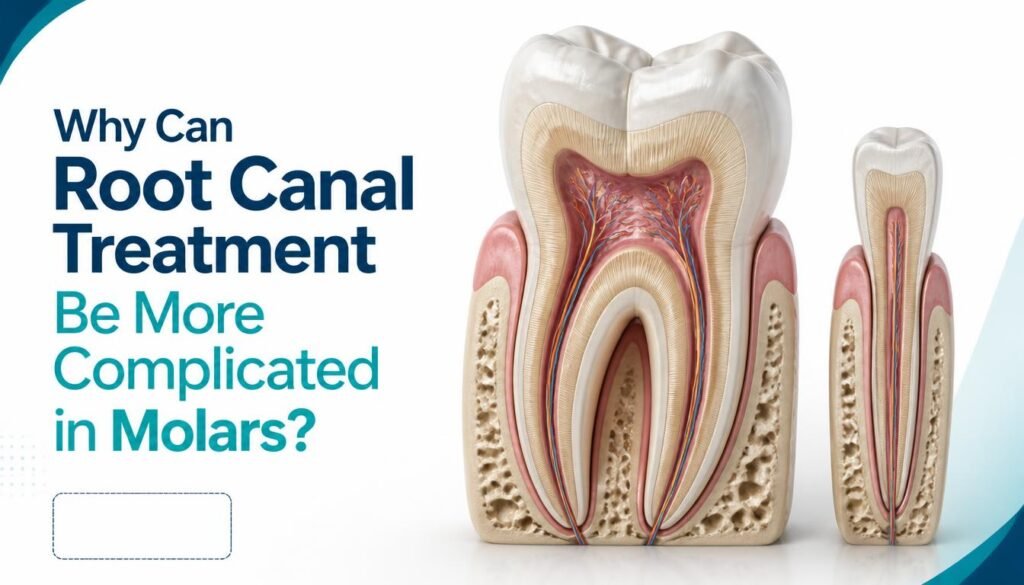
A tooth that has undergone root canal treatment may require additional protection, particularly when a substantial amount of tooth structure has been lost.
Root canal treatment addresses infection or inflammation inside the tooth. The tooth may subsequently require a restoration that protects the remaining structure.
The NHS explains that a crown may be needed when a tooth has been badly infected following root canal treatment. NHS – Root Canal Treatment
If you are looking for treatment options, you can also explore our Painless Root Canal Treatment service before deciding whether a crown is appropriate.
5. Your Tooth Is Broken or Significantly Worn
Teeth can become damaged through injury, heavy chewing forces, grinding or long-term wear.
A small chip may not require a crown. However, when a large portion of the tooth has broken away or the tooth has become significantly weakened, your dentist may consider a full-coverage crown.
A crown can restore the tooth’s shape and help improve chewing function while providing coverage for the remaining structure.
If you are experiencing substantial tooth wear or repeated fractures, mention these symptoms during your dental examination because they can influence the choice of restoration.
6. Your Tooth Has Significant Discoloration or an Unusual Shape
Dental crowns can sometimes be used when a tooth is severely discolored, poorly shaped or structurally compromised.
However, if the tooth is healthy and the concern is purely cosmetic, a crown may not always be the most conservative option.
Depending on your situation, your dentist may discuss alternatives such as veneers or other cosmetic treatments.
For patients interested in improving their smile, you can also explore our Smile Makeover and Porcelain Crowns services.
7. You Have a Dental Implant That Needs a Final Restoration
Dental implants replace the root portion of a missing tooth, but the visible tooth needs a restoration.
A crown can be attached to an implant to restore the appearance and chewing function of the missing tooth.
If you are missing a tooth rather than dealing with a damaged natural tooth, ask your dentist whether dental implants or another tooth-replacement option is appropriate.
When You May NOT Need a Dental Crown
A crown is not automatically required whenever a tooth is chipped, stained or painful.
Depending on the condition, your dentist may recommend:
- A dental filling
- Tooth-coloured restoration
- Inlay or onlay
- Dental bonding
- Veneer
- Root canal treatment
- Dental bridge
- Dental implant
- Extraction in cases where the tooth cannot be predictably restored
Cleveland Clinic notes that inlays and onlays may be alternatives when a tooth is too damaged for a simple filling but still has enough healthy structure that a full crown may not be necessary. Cleveland Clinic – Dental Crowns
The objective should be to preserve healthy natural tooth structure whenever possible while selecting a restoration that can provide appropriate strength and function.
Dental Crown vs Filling: Which One Do You Need?
The answer depends mainly on how much tooth structure has been lost.
A filling is generally used to repair a cavity or smaller area of tooth damage.
A crown covers the tooth more extensively and may be considered when the tooth is significantly weakened, broken, worn or damaged.
If your tooth has a small cavity, a crown may be unnecessary. If a large portion of the tooth has been lost, a filling may not provide sufficient protection.
This is why an examination is important before choosing a treatment.
Dental Crown vs Veneer
People sometimes confuse dental crowns and veneers because both can improve the appearance of teeth.
The main difference is coverage and purpose.
A dental crown covers the tooth and is primarily used for structural restoration.
A veneer is a thin covering placed mainly over the front surface of a tooth and is generally associated with cosmetic improvement.
If your tooth is structurally weak, a crown may be considered. If your tooth is healthy but you are concerned about its appearance, your dentist may discuss veneers or another cosmetic option.
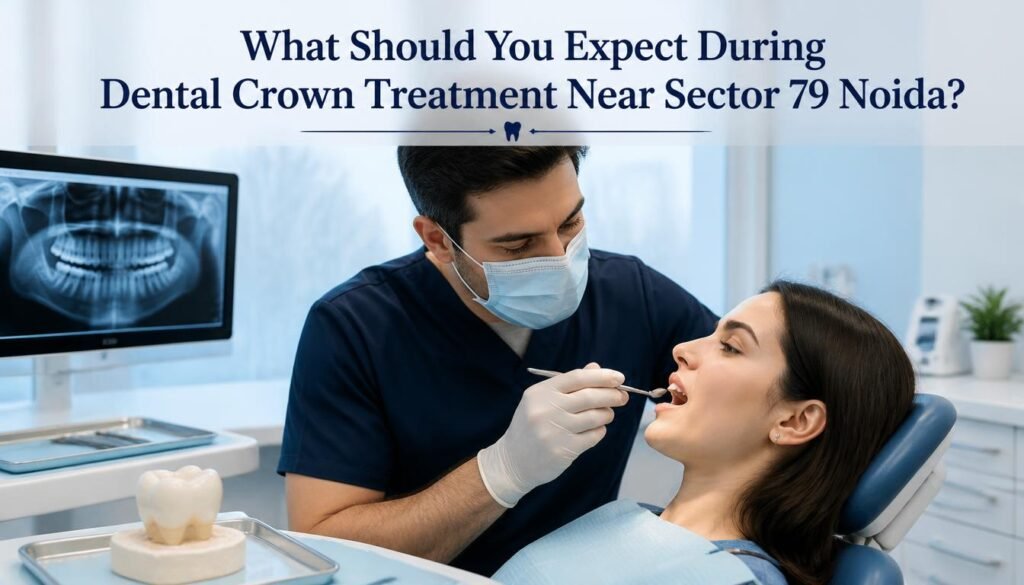
What Happens During Dental Crown Treatment?
The exact process depends on your tooth’s condition and the type of crown selected.
Generally, dental crown treatment may involve:
Step 1: Dental Examination
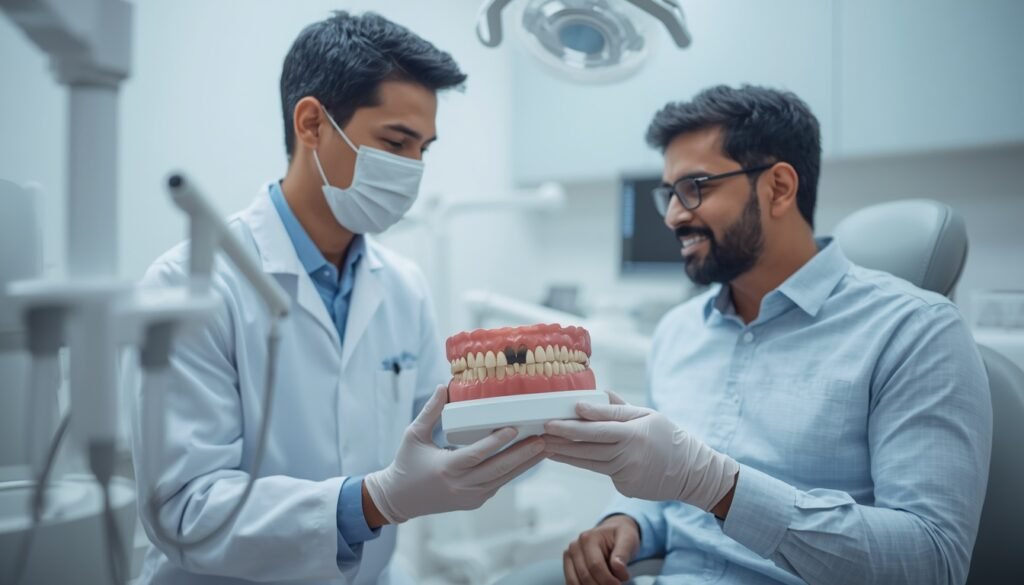
Your dentist examines the tooth and surrounding gums. X-rays or other diagnostic methods may be recommended when needed.
The dentist may assess:
- Tooth decay
- Cracks or fractures
- Remaining tooth structure
- Gum health
- Bite
- Previous restorations
- Signs of infection
- Whether root canal treatment is required
Step 2: Tooth Preparation
If a crown is appropriate, the tooth is prepared so the crown can fit properly.
The amount of preparation depends on the tooth, restoration and clinical requirements.
Step 3: Crown Design and Fabrication
Your dentist selects the appropriate crown material based on factors such as tooth position, chewing forces, aesthetics, remaining tooth structure and your individual needs.
Step 4: Temporary Protection
In traditional crown treatment, a temporary crown may be placed while the permanent restoration is being prepared.
Step 5: Permanent Crown Placement
At the next appointment, the dentist checks the crown’s fit, shape, bite and appearance before permanently placing it.
The exact timeline varies. Some cases can be completed relatively quickly, while traditional treatment may require multiple appointments.
How Long Does a Dental Crown Last?
There is no single guaranteed lifespan for every dental crown.
Cleveland Clinic states that dental crowns commonly last around five to 15 years with proper care, although individual results can vary and some crowns may last longer.
How long your crown lasts can depend on:
- Oral hygiene
- Bite forces
- Tooth grinding or clenching
- Crown material
- Crown fit
- Gum health
- Regular dental check-ups
- Eating habits
- Care of the surrounding tooth
Good oral hygiene remains important even after receiving a crown because the tooth and surrounding tissues still require care.
How Should You Care for a Dental Crown?
After receiving a dental crown, maintain your regular oral hygiene routine.
Helpful habits include:
- Brush twice daily with fluoride toothpaste.
- Clean between your teeth every day.
- Attend regular dental examinations.
- Avoid using your teeth to open packages.
- Be cautious with extremely hard foods.
- Tell your dentist if you grind or clench your teeth.
- Contact your dentist if the crown becomes loose, chipped or uncomfortable.
Proper care can help protect both the crown and the natural tooth underneath it.
When Should You Visit a Dentist Immediately?
If you have severe tooth pain, facial swelling, a dental abscess, fever, difficulty swallowing or rapidly increasing swelling, seek professional dental care promptly.
A dental infection should not simply be ignored because pain temporarily decreases. An untreated infection can become more serious.
If you have a broken restoration or crown, contact your dentist for assessment rather than trying to permanently repair it yourself.
Why Choose The Dental Crowns for Treatment Near Sector 79 Noida?
If you are searching for dental crown treatment near Sector 79 Noida, location can be an important practical factor because crown treatment may require examination and follow-up appointments.
The Dental Crowns is located at:
Shop No. 16, 1st Floor, Civitech Stadia, Sector 79, Noida, Uttar Pradesh 201301
The clinic provides a range of dental services, including:
- Dental crowns
- Painless root canal treatment
- Tooth-coloured restoration
- Dental bridges
- Dental implants
- Porcelain crowns
- Veneers
- Teeth whitening
- Braces
- Laser dentistry
- Painless tooth extraction
- Wisdom tooth extraction
- Smile makeover
You can explore the complete range of treatments on our Dental Services in Noida page.
For patients comparing crown options, our guide on How to Choose the Best Dental Crown Treatment in Noida Sector 79 provides additional information about crown materials, treatment planning and selection factors.
You can also read our guide to if you live in a nearby sector. Dental Crown Treatment Near Sector 78 Noida
Frequently Asked Questions About Dental Crown Treatment Near Sector 79 Noida
1. How do I know if I need a dental crown?
You may need a crown if your tooth is significantly cracked, broken, weakened, worn, severely decayed, has a large restoration or requires protection after certain root canal treatments. However, only a dental examination can determine whether a crown is appropriate.
2. Can a crown fix a cracked tooth?
A crown can be used for some cracked teeth, but treatment depends on the location and severity of the crack. A dentist should evaluate the tooth before deciding whether a crown, root canal treatment, bonding, extraction or another treatment is appropriate.
3. Is a crown necessary after root canal treatment?
Not every root-canal-treated tooth automatically requires the same restoration. A dentist considers how much tooth structure remains, the tooth’s location and its functional demands before recommending a crown or another restoration.
4. How long does dental crown treatment take?
Traditional crown treatment commonly involves more than one appointment because the permanent restoration needs to be prepared. The timeline varies depending on the tooth, crown material, laboratory process and whether additional treatment is required.
5. Are dental crowns permanent?
Dental crowns are not considered permanently indestructible. Their lifespan varies according to material, oral hygiene, bite forces and other factors. With appropriate care, many crowns can remain functional for years.
6. Is dental crown treatment painful?
The procedure is generally performed with local anesthesia. Some people may experience temporary sensitivity or gum tenderness after treatment. If you experience persistent or severe pain, contact your dentist.
7. What is the cost of a dental crown in Noida?
The cost can vary depending on the crown material, tooth location, laboratory work, complexity of the case and whether additional treatment such as root canal therapy is required. A dental consultation is the best way to determine the appropriate treatment and exact cost for your case.
8. Which crown material is best?
There is no single crown material that is best for every patient. Zirconia, porcelain, ceramic, porcelain-fused-to-metal and other materials have different characteristics. Your dentist can recommend an option based on your tooth, bite, aesthetics and functional requirements.
9. Can I get a crown instead of a filling?
Sometimes, but not always. A crown is generally considered when a tooth requires more extensive protection than a filling can provide. If the tooth can be predictably restored with a smaller restoration, a crown may not be necessary.
10. Where can I get dental crown treatment near Sector 79 Noida?
The Dental Crowns is located at Civitech Stadia, Sector 79, Noida. Patients can schedule a dental evaluation to determine whether a crown is suitable for their tooth and discuss available restoration options.
Final Thoughts
If you have a cracked, broken, severely decayed, worn or weakened tooth, dental crown treatment near Sector 79 Noida may be an option worth discussing with a dentist.
However, the goal should not simply be to place a crown. The priority should be to identify the underlying dental problem, preserve as much healthy tooth structure as possible and choose the restoration that is appropriate for your individual condition.
If you are experiencing tooth sensitivity, repeated filling failure, a cracked tooth, difficulty chewing or significant tooth damage, schedule a dental examination rather than waiting for the problem to worsen.
Looking for dental crown treatment near Sector 79 Noida?
Visit The Dental Crowns, Civitech Stadia, Sector 79, Noida, for a professional evaluation and personalized treatment recommendation.
Phone: +91 89202 71787
Medical & Patient-Education References
For additional patient education, consult reputable sources such as: