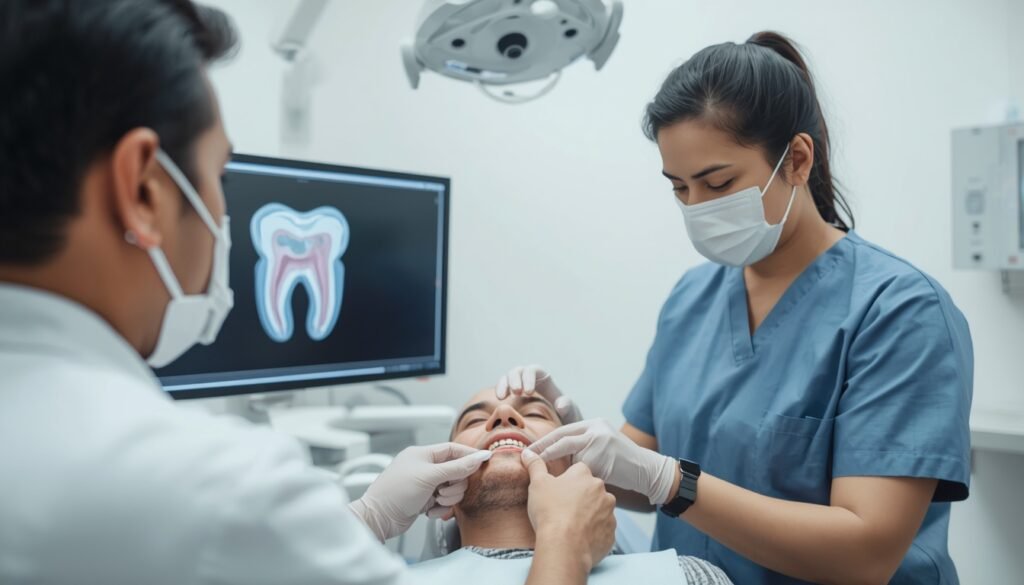
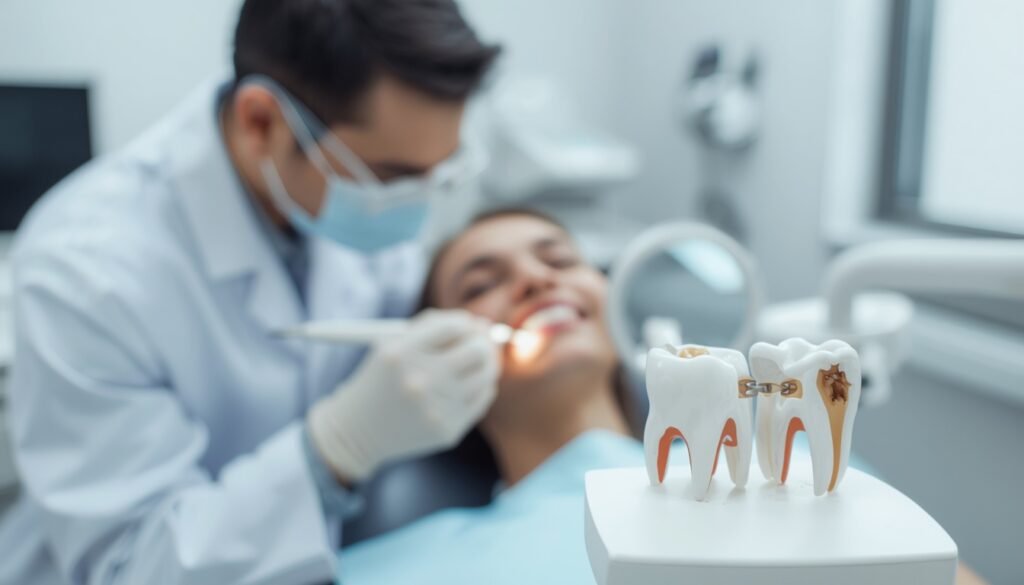
Getting a dental crown placed is an important step in restoring a damaged, weakened, cracked or heavily decayed tooth. However, the treatment does not simply end when the crown is cemented onto the tooth. A dentist also needs to check whether the crown fits properly, feels comfortable, functions correctly and works well with the surrounding teeth.
If you are searching for how a dental crown is checked after placement near Sector 79 Noida, understanding the follow-up process can help you know what to expect during your dental visit.
A properly fitted dental crown should look natural, allow comfortable chewing and fit closely around the prepared tooth. Cleveland Clinic explains that during crown placement, dentists check the crown’s shape, colour and fit before bonding it to the tooth.
At The Dental Crowns in Civitech Stadia, Sector 79, Noida, patients can discuss dental crown treatment and other restorative dental requirements with a dental professional.
What Happens After a Dental Crown Is Placed?
After a permanent dental crown is placed, your dentist may perform several checks to make sure the restoration is functioning as expected.
The main areas that may be evaluated include:
- Crown fit
- Bite and tooth contact
- Crown margins
- Gum response
- Crown shape and appearance
- Contact with neighbouring teeth
- Chewing comfort
- Sensitivity or discomfort
- The condition of the tooth underneath the crown
The exact follow-up process can vary depending on the tooth, type of crown, condition of the tooth and whether the tooth previously received root canal treatment.
1. The Dentist Checks the Overall Fit of the Crown
One of the first things checked after crown placement is whether the crown fits properly over the prepared tooth.
A crown should sit securely without feeling loose or excessively bulky. The dentist examines the restoration and its relationship with the surrounding tooth structure.
An improperly fitting crown may create problems with comfort, cleaning or the tissues around the tooth. A dentist may therefore inspect the crown from different angles and assess how it sits along the tooth.
The fit is particularly important because the crown is intended to protect and restore the tooth rather than simply cover it.
2. Your Bite Is Checked After Crown Placement
Another important part of a dental crown follow-up is checking your bite.
Your dentist may ask you to bite down normally and may use dental articulating paper to identify areas where the new crown is contacting the opposing tooth.
If the crown is slightly too high, you may notice that the crowned tooth touches before your other teeth when you bite.
This can feel uncomfortable when chewing and may make the tooth feel different from the surrounding teeth.
If necessary, your dentist can make a small adjustment to the crown so that the bite is more comfortable.
If your bite still feels uneven after leaving the clinic, contact your dentist rather than trying to adjust or ignore the problem.
3. The Dentist Checks the Crown Margins
The margin is the area where the crown meets the natural tooth.
Your dentist checks this area to make sure the crown is appropriately adapted to the tooth.
A crown should have a well-designed margin that allows the restoration to function properly and makes it possible for you to maintain good oral hygiene around it.
The dentist may visually inspect the crown and surrounding tooth and gum area during the appointment.
This is one reason why regular dental examinations remain important even after a crown has been successfully placed.
4. The Gums Around the Crown Are Examined
The condition of the gum tissue around the crown can provide useful information during a follow-up examination.
Your dentist may check whether the gum around the restoration appears healthy and whether there is irritation, swelling or other unusual tissue response.
Good oral hygiene around a dental crown is important because plaque can accumulate around restorations just as it can around natural teeth.
Brushing twice a day, cleaning between teeth and attending regular dental examinations can help maintain the area around your crown.
5. The Dentist Checks the Crown’s Shape and Appearance
For visible teeth, appearance is an important part of the final result.
Your dentist may assess:
- Crown colour
- Shape
- Size
- Position
- Relationship with neighbouring teeth
- Overall appearance when you smile
The goal is generally for the crown to look appropriate in relation to your natural teeth.
For front teeth, factors such as shade and shape can be especially noticeable. For back teeth, function and chewing forces may be particularly important.
The most appropriate crown material depends on the tooth, clinical situation, aesthetic requirements and other individual factors.
6. Contact With the Neighbouring Teeth May Be Checked
The crown also needs to interact properly with the teeth next to it.
Your dentist may check the contact between the crowned tooth and adjacent teeth.
The contact should allow you to maintain proper oral hygiene while preventing food from repeatedly becoming trapped between the teeth.
If you consistently notice food getting stuck around your crown, mention it during your dental follow-up.
7. Your Chewing Comfort Is Considered
A dental crown is designed to restore function as well as appearance.
After placement, your dentist may ask how the tooth feels when you bite or chew.
It is normal for a newly restored tooth to feel slightly different for a short period while you become accustomed to the restoration.
However, persistent discomfort, significant pain or a noticeably uneven bite should not simply be ignored.
A dental examination can help determine whether the issue is related to the crown, the bite, the gum tissue or the underlying tooth.
8. Sensitivity After Crown Placement Is Discussed
Some patients experience temporary sensitivity after dental crown treatment.
Cleveland Clinic notes that sensitivity, particularly to hot or cold, can occur after crown placement and may improve with time.
However, persistent or severe symptoms should be discussed with a dentist.
If you experience worsening pain, swelling, a loose crown, a cracked crown or another unusual symptom, arrange a dental examination.
9. X-Rays May Be Recommended in Certain Situations
An X-ray is not necessarily required at every routine crown follow-up.
However, depending on the condition of the tooth and the treatment history, your dentist may recommend dental imaging.
This can be particularly relevant when the tooth has previously undergone root canal treatment or when there are symptoms that require further investigation.
For example, if a root canal-treated tooth develops new pain or other symptoms, additional examination may be necessary to determine the cause.
The American Association of Endodontists explains that problems with previously treated teeth can sometimes be associated with issues such as new decay, a loose or damaged restoration, untreated canal anatomy or other factors.
10. What If the Dental Crown Feels Too High?
One of the most common concerns after crown placement is:
“My new crown feels higher than my other teeth. Is that normal?”
A slightly different sensation can occur while you become accustomed to a new restoration.
However, if the crowned tooth clearly hits first when you bite, or your bite feels uneven, contact your dentist.
Your dentist can examine the bite and determine whether an adjustment is necessary.
Do not attempt to file, grind or modify the crown yourself.
How Long Does It Take to Get Used to a Dental Crown?
The adjustment period varies from person to person.
Some patients quickly get used to their new crown, while others may notice the restoration for several days.
You may initially notice differences in:
- Bite sensation
- Tooth shape
- Temperature sensitivity
- Chewing sensation
- Gum tenderness
These symptoms should generally be monitored according to your dentist’s instructions.
If discomfort persists, becomes severe or gets worse, a professional examination is appropriate.
When Should You Contact a Dentist After Crown Placement?
Contact your dentist if you notice:
- Persistent or severe tooth pain
- A crown that feels loose
- A chipped or cracked crown
- A significantly uneven bite
- Persistent sensitivity
- Gum swelling
- A sharp edge irritating your tongue or cheek
- Repeated food trapping around the crown
- Bad taste or unusual symptoms around the restoration
Cleveland Clinic similarly advises contacting a dentist for problems such as a loose crown, cracks or chips, bad taste or sharp edges that irritate the mouth.
What Should You Do After a Dental Crown Check?
Once your dentist confirms that the crown is fitting and functioning properly, maintaining good oral hygiene becomes an important part of protecting both the restoration and the natural tooth underneath it.
Follow your dentist’s instructions and maintain regular brushing and interdental cleaning.
Avoid using your teeth as tools and be cautious with extremely hard or sticky foods, particularly if your dentist has given you specific dietary instructions.
Regular dental examinations can also help identify problems with the crown, tooth or surrounding gums at an earlier stage.
Dental Crown Follow-Up Near Sector 79 Noida
If you are looking for dental crown treatment near Sector 79 Noida, The Dental Crowns is located at Civitech Stadia, Sector 79, Noida.
The clinic provides dental services including dental crowns, porcelain crowns, root canal treatment, dental implants, bridges, dentures, laser dentistry and other general, cosmetic and surgical dental treatments.
Patients from nearby Noida sectors can consult a dental professional if they have questions about crown placement, crown fit, bite discomfort or follow-up care.
A crown should not simply look good. It should also be evaluated for fit, function, comfort and the condition of the surrounding tissues.
Frequently Asked Questions
How is a dental crown checked after placement?
A dentist may check the crown’s fit, margins, bite, contacts with neighbouring teeth, appearance, gum tissue and overall comfort. Additional examination or X-rays may be recommended when clinically necessary.
Why does my dental crown feel high after placement?
A crown can sometimes feel different from your natural teeth immediately after placement. If it consistently contacts first or makes your bite feel uneven, your dentist should examine it and make an appropriate adjustment if required.
Is sensitivity normal after getting a dental crown?
Some temporary sensitivity can occur after crown treatment. However, persistent, severe or worsening symptoms should be evaluated by a dentist.
Can a dentist adjust a dental crown after placement?
In some situations, a dentist can make an appropriate adjustment to the crown, particularly when the bite needs minor correction. The dentist should determine whether an adjustment is appropriate.
How do I know if my dental crown is not fitting properly?
Warning signs can include a loose crown, persistent discomfort, significant bite changes, food repeatedly becoming trapped, gum irritation or damage to the restoration. A dentist should examine the crown to identify the cause.
Does every dental crown require an X-ray after placement?
Not necessarily. Whether an X-ray is appropriate depends on the tooth, treatment history, symptoms and clinical findings. Your dentist can determine whether imaging is needed.
What happens if a crown is placed over a root canal-treated tooth?
A root canal-treated tooth may require a permanent restoration such as a crown depending on the remaining tooth structure, tooth location and clinical circumstances. The American Association of Endodontists recommends restoring treated teeth appropriately to protect and restore function.
Where can I get dental crown treatment near Sector 79 Noida?
The Dental Crowns is located at Civitech Stadia, Sector 79, Noida. Patients can consult the dental team regarding dental crowns, root canal treatment and other restorative dental requirements.
Final Takeaway
A dental crown should be checked after placement to make sure it fits properly and functions comfortably.
The dentist may evaluate the crown’s fit, bite, margins, gum condition, neighbouring tooth contacts, appearance and overall comfort. Additional examination or X-rays may be considered when necessary.
If you have recently received a crown near Sector 79 Noida and it feels too high, loose, painful or uncomfortable, do not try to adjust it yourself. Contact your dentist for a professional examination.
For patients searching for dental crown treatment near Sector 79 Noida, The Dental Crowns provides dental crown and other dental services from its clinic at Civitech Stadia, Sector 79, Noida.