

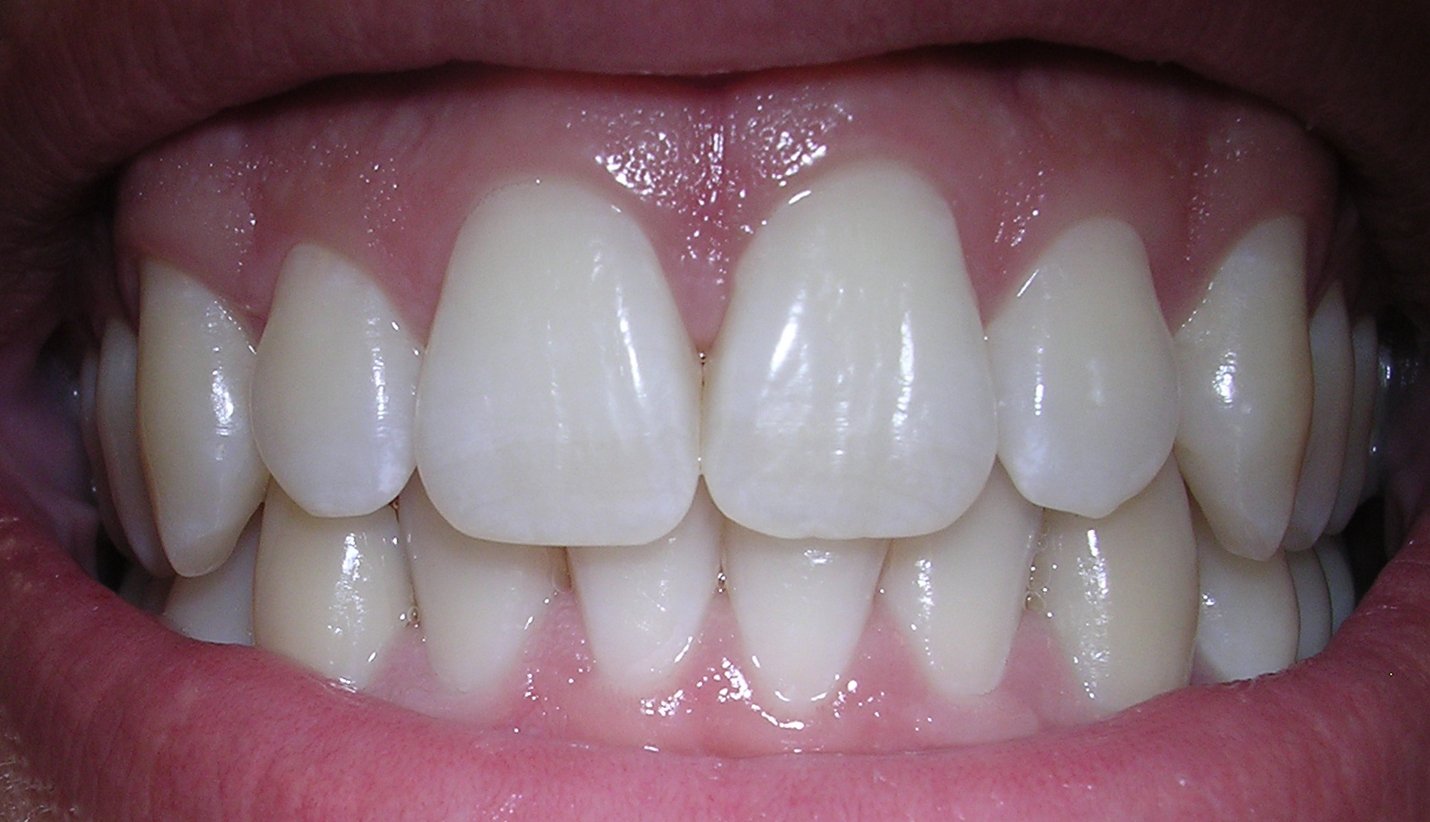
Your front teeth play an important role in your smile, speech and appearance. So, when a front tooth develops severe sensitivity, persistent pain, discoloration, decay or damage, the idea of getting a root canal can naturally feel concerning.
The good news is that root canal treatment for front teeth is a common tooth-saving procedure. It is performed when the pulp inside a tooth becomes inflamed or infected. During treatment, the infected or inflamed pulp is removed, the root canal is cleaned and disinfected, and the space is filled and sealed to help prevent reinfection.
For patients considering root canal treatment in Noida, understanding the procedure beforehand can make the treatment process much less stressful.
At The Dental Crowns, patients can consult the dental team for root canal treatment and other restorative and cosmetic dental procedures.
Quick Answer: What Is Root Canal Treatment for Front Teeth?
Root canal treatment for front teeth is an endodontic procedure used to treat infection or inflammation inside an incisor or canine tooth.
Front teeth usually have a simpler root anatomy than many back teeth. Incisors and canine teeth commonly have one root and one main root canal, although individual tooth anatomy can vary.
During an RCT, the dentist:
- Examines the affected tooth.
- Takes dental X-rays when required.
- Numbs the area with local anaesthesia.
- Creates a small opening to access the infected pulp.
- Removes the inflamed or infected pulp.
- Cleans and disinfects the root canal.
- Shapes the canal for filling.
- Fills and seals the canal.
- Restores the tooth with an appropriate filling or crown when required.
The goal is to remove infection while preserving the natural tooth whenever possible.
Why Do Front Teeth Need Root Canal Treatment?
A front tooth may need root canal treatment for several reasons. The most common causes include:
1. Deep Tooth Decay
Untreated dental decay can gradually move deeper into the tooth. If bacteria reach the pulp, inflammation or infection can develop.
2. Dental Trauma
A fall, accident, sports injury or blow to the mouth can damage the pulp even when the tooth does not appear badly broken.
Trauma can sometimes cause pulp damage without an obvious visible crack or chip.
3. Cracked or Chipped Front Tooth
Front teeth are particularly exposed to accidental injuries. A crack or chip can allow bacteria to reach the inner part of the tooth.
4. Previous Dental Treatment
Repeated dental procedures on the same tooth can sometimes affect the pulp. A faulty restoration or crown can also contribute to pulp problems.
5. Dental Infection or Abscess
An untreated infection inside the tooth can eventually lead to an abscess, swelling or more severe discomfort.
If an infected tooth is left untreated, extraction may eventually become necessary. Root canal treatment may allow the natural tooth to be preserved.
What Are the Signs You May Need a Root Canal for a Front Tooth?
Not every toothache means you need an RCT. A dentist needs to examine the tooth and determine the underlying cause.
However, some symptoms can indicate that the pulp may be inflamed or infected.
Common warning signs include:
- Persistent toothache
- Lingering sensitivity to hot or cold
- Pain when biting or chewing
- Swelling around the tooth
- Tenderness near the gums
- A pimple or bump on the gum
- Darkening or discoloration of the tooth
- A chipped or cracked front tooth
- Previous trauma to the tooth
- Pain that appears without an obvious reason
A tooth can sometimes have pulp damage even without severe pain, particularly after trauma. Therefore, a dental examination is important if a front tooth has been injured or has changed colour.
Does Root Canal Treatment for Front Teeth Hurt?
This is one of the most common concerns patients have.
Modern root canal treatment is performed under local anaesthesia, which numbs the treatment area. The American Association of Endodontists notes that root canal treatment is designed to relieve dental pain and save the natural tooth.
You may experience some tenderness or sensitivity after treatment while the surrounding tissues recover. This usually improves with time.
At The Dental Crowns, painless root canal treatment is one of the listed dental services. The clinic describes its approach as using advanced laser technology alongside other treatment techniques with an emphasis on patient comfort. Learn more about painless root canal treatment.
How Is Root Canal Treatment for Front Teeth Performed?
The exact treatment plan depends on the condition of your tooth, but a typical procedure involves several stages.
Step 1: Dental Examination
Your dentist examines the tooth and discusses your symptoms. Dental X-rays may be used to evaluate the root and surrounding structures.
Step 2: Local Anaesthesia
The area around the affected tooth is numbed before treatment begins. You remain awake during the procedure.
Step 3: Accessing the Tooth
A small opening is made through the tooth to reach the pulp chamber and root canal.
Step 4: Removing the Infected Pulp
The inflamed or infected pulp is carefully removed from inside the tooth.
Step 5: Cleaning and Shaping
The root canal is cleaned, disinfected and shaped so it can be properly filled.
Step 6: Filling the Canal
The cleaned canal is filled with a biocompatible material, commonly gutta-percha, and sealed to reduce the possibility of reinfection.
Step 7: Restoring the Tooth
The access opening is restored with a filling or, when necessary, a dental crown.
The final restoration is important because it helps protect the treated tooth and restore its function.
Do Front Teeth Always Need a Crown After Root Canal?
No, not every front tooth automatically requires a crown after root canal treatment.
The type of restoration depends on factors such as:
- How much natural tooth structure remains
- Whether the tooth is cracked
- The size of the restoration required
- The location and function of the tooth
- The dentist’s assessment of fracture risk
- Cosmetic considerations
Some treated front teeth may be restored with a filling or other conservative restoration, while a crown may be recommended when the remaining tooth structure needs additional protection.
If a crown is recommended, you can explore Porcelain Crowns as one of the restorative options offered by The Dental Crowns.
Why Is Tooth Colour Important After a Front Tooth Root Canal?
Because front teeth are highly visible, colour changes can be a major concern.
A front tooth that has experienced trauma or pulp damage may become darker or greyish. This can happen because of changes inside the tooth.
If a tooth changes colour after an injury or root canal, your dentist can assess the cause and discuss appropriate cosmetic options.
Depending on the individual case, treatment may involve restorative or cosmetic dentistry.
For patients interested in improving the appearance of their smile, The Dental Crowns also offers Smile Makeovers and Teeth Whitening.
How Many Visits Does a Front Tooth Root Canal Take?
The number of appointments depends on the tooth and the complexity of the infection.
Many root canal treatments can be completed in one or two appointments, although some cases require additional visits.
A dentist may recommend multiple visits when there is significant infection, drainage, complex anatomy or another clinical reason to allow appropriate treatment.
This means you should not choose a treatment solely because a clinic promises a particular number of visits. The priority should be proper diagnosis, cleaning, disinfection, sealing and restoration.
Can Front Teeth Root Canal Be Done in One Sitting?
In selected cases, single-sitting root canal treatment may be possible.
However, it is not suitable for every patient or every tooth. The decision depends on factors such as the extent of infection, canal anatomy, whether the canal can be adequately cleaned and dried, and the overall clinical condition.
Therefore, your dentist should determine whether one-visit RCT is appropriate rather than choosing it simply because it is faster.
What Happens After Root Canal Treatment?
After the procedure, the treated tooth and surrounding area may feel mildly sore or sensitive.
Your dentist may provide specific instructions depending on your treatment.
General aftercare can include:
- Follow your dentist’s instructions carefully.
- Avoid unnecessarily biting hard objects with the treated tooth until the permanent restoration is complete.
- Maintain regular brushing and flossing.
- Attend recommended follow-up appointments.
- Contact your dentist if severe or persistent pain, swelling or other concerning symptoms develop.
The NHS also recommends attending follow-up appointments and maintaining good oral hygiene after root canal treatment.
How Long Can a Root Canal-Treated Front Tooth Last?
A properly treated and restored tooth can potentially remain functional for many years.
The long-term outcome depends on factors such as:
- Quality of the root canal treatment
- Quality and timing of the final restoration
- Amount of remaining natural tooth structure
- Oral hygiene
- New decay
- Trauma or fracture
- Regular dental care
The American Association of Endodontists notes that with proper care, many teeth that have received endodontic treatment can last a lifetime.
What Happens If a Root Canal Fails?
Root canal treatment has a high potential for saving natural teeth, but no dental procedure can guarantee success in every case.
A previously treated tooth can sometimes develop persistent or new infection.
Possible reasons include:
- An untreated canal
- Complex canal anatomy
- New decay
- Leakage around a restoration
- A cracked or fractured tooth
- Persistent infection
In some situations, root canal retreatment may be considered. The American Association of Endodontists explains that retreatment may provide another opportunity to address persistent disease and save the tooth.
For more complex cases, an endodontic surgical procedure may sometimes be considered.
Root Canal Treatment vs Tooth Extraction for a Front Tooth
When a front tooth is severely infected, patients may wonder whether extraction is easier than root canal treatment.
The decision should be based on the condition of the tooth and whether it can be predictably restored.
Root Canal Treatment
Potential advantages include:
- Preserves the natural tooth
- Maintains the existing tooth position
- Avoids immediate tooth replacement
- Allows the tooth to continue functioning
- Can preserve the appearance of the natural smile
Extraction
Extraction removes the natural tooth. If the tooth is subsequently replaced, additional treatment such as a dental implant or bridge may be required.
Whenever a natural tooth can be predictably saved, preserving it may have significant functional and aesthetic advantages.
If a front tooth cannot be saved and replacement becomes necessary, The Dental Crowns also provides Dental Implants.
Is Root Canal Treatment Different for Front Teeth and Back Teeth?
Yes, there can be differences.
Front teeth, particularly incisors and canines, commonly have a simpler root canal configuration than molars. Front teeth frequently have a single root and canal, although anatomical variations can occur.
Back teeth often have multiple roots and canals, making their anatomy more complex.
However, the basic goal of RCT remains the same: remove infected or inflamed pulp, clean and disinfect the canal system, fill and seal it, and restore the tooth.
How Much Does Root Canal Treatment for Front Teeth Cost?
The cost of root canal treatment for front teeth varies from patient to patient.
Factors that can affect the total cost include:
- Tooth condition
- Severity of infection
- Diagnostic requirements
- Number of appointments
- Type of restoration
- Whether a crown is required
- Additional procedures
- Technology and treatment complexity
For this reason, it is better to have the tooth examined before expecting an exact price.
If you are looking for root canal treatment in Noida, you can contact The Dental Crowns for an assessment and treatment plan.
The clinic is located at Civitech Stadia, Sector 79, Noida, Uttar Pradesh 201301.
Why Choose The Dental Crowns for Root Canal Treatment in Noida?
The Dental Crowns lists painless root canal treatment among its general dentistry services. The clinic also provides other restorative, cosmetic and surgical dental treatments.
Its root canal service page highlights:
- Experienced dental professionals
- Advanced dental technology
- Laser-assisted treatment approach
- Patient-focused care
- Comprehensive dental services
You can explore all dental services at The Dental Crowns or book a dental appointment.
For patients living around Noida Sector 74, Sector 75, Sector 76, Sector 77, Sector 78 and Sector 79, the clinic’s Sector 79 location may be convenient.
Frequently Asked Questions About Root Canal Treatment for Front Teeth
1. Can a front tooth get a root canal?
Yes. A front tooth can require root canal treatment when its pulp becomes inflamed or infected due to decay, trauma, cracks or other causes.
2. Is front tooth RCT painful?
The procedure is performed under local anaesthesia. You may experience some tenderness after treatment, but modern root canal treatment is designed to manage discomfort effectively.
3. Does a front tooth need a crown after RCT?
Not necessarily. The appropriate restoration depends on the remaining tooth structure, damage and clinical assessment.
4. Can a front tooth root canal be completed in one visit?
Some cases can be completed in one appointment, while others require additional visits. Your dentist should decide based on the clinical condition.
5. Can a dead front tooth be saved?
If the tooth has sufficient healthy structure and is otherwise restorable, root canal treatment may be able to preserve it.
6. Why does a front tooth turn black after trauma?
Trauma can damage the pulp and may cause changes in the tooth’s internal tissues, leading to discoloration. A dentist should evaluate any significant colour change.
7. Can root canal treatment save a cracked front tooth?
It depends on the location and extent of the crack. Some cracked teeth can be treated, while certain fractures may make the tooth unrestorable.
8. How long does front tooth RCT take?
Treatment time varies. Many root canals can be completed in one or two appointments, but complex cases may require additional visits.
9. Can I eat normally after a root canal?
Your dentist may advise you to avoid certain foods or excessive biting pressure until the tooth receives its final restoration.
10. What should I do if my root canal-treated tooth hurts again?
Contact your dentist for an examination. Persistent or recurring symptoms may require further evaluation and, in some cases, retreatment.
When Should You See a Dentist?
Do not ignore persistent tooth pain, swelling, prolonged sensitivity, tooth discoloration or a damaged front tooth.
Early dental assessment can help determine whether the problem can be treated with a filling, root canal treatment, restoration or another procedure.
If you are experiencing symptoms and are looking for root canal treatment in Noida, schedule an examination rather than waiting for the problem to worsen.
Final Takeaway
Root canal treatment for front teeth can be an effective way to treat an infected or inflamed tooth while preserving your natural smile.
Although front teeth are generally less complex than molars from a root-canal anatomy perspective, treatment still requires careful diagnosis, cleaning, disinfection, sealing and appropriate restoration.
If you are experiencing persistent pain, sensitivity, swelling, discoloration or trauma involving a front tooth, consult a dentist to determine the right treatment for your specific condition.
For patients in Noida, The Dental Crowns offers painless root canal treatment and a range of restorative and cosmetic dental services.
Explore Root Canal Treatment at The Dental Crowns