
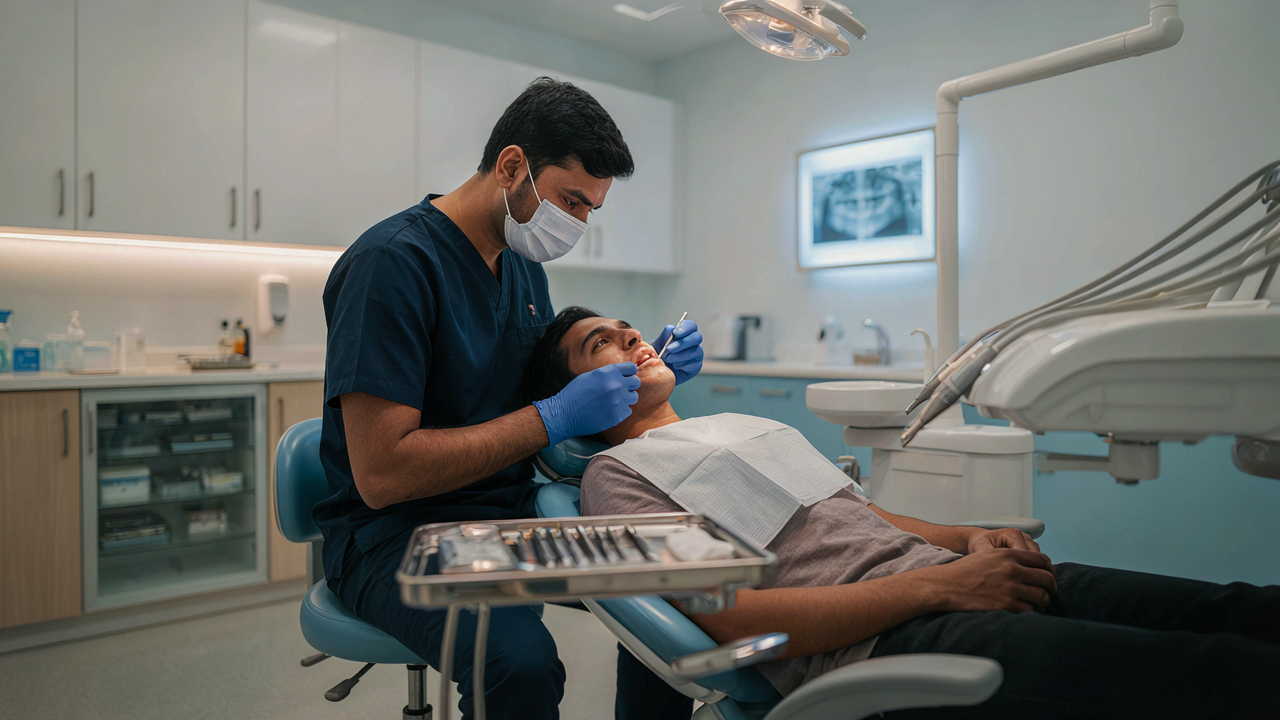
If you have recently undergone a root canal treatment (RCT), you may be wondering: Do you need a dental crown after root canal treatment? The short answer is: sometimes yes, but not every root canal-treated tooth automatically requires a crown.
A root canal treatment removes infected or inflamed pulp from inside the tooth, cleans and seals the root canals, and helps preserve your natural tooth. After the procedure, the tooth may need a permanent restoration such as a filling or a dental crown, depending on the amount of remaining tooth structure, the tooth’s location, its function, and your dentist’s assessment.
A crown is often recommended for molars and premolars because these teeth experience significant chewing forces. However, some front teeth may be successfully restored without a full dental crown when enough healthy tooth structure remains.
If you are looking for dental crown treatment in Noida, it is important to have the tooth examined before deciding whether a crown is necessary.
What Happens to a Tooth After Root Canal Treatment?
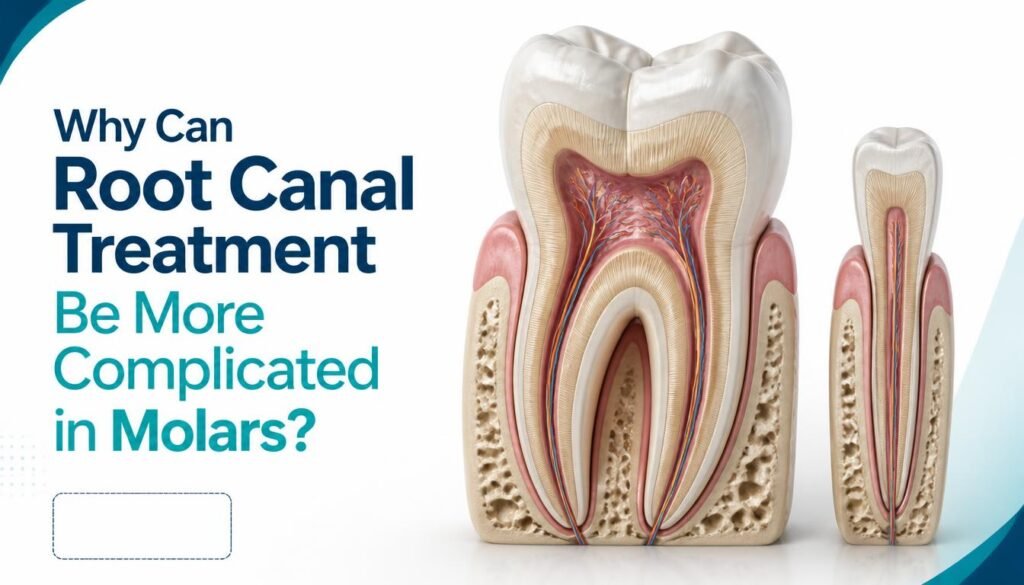
A root canal is performed when the pulp inside a tooth becomes infected or inflamed, often because of deep decay, cracks, trauma, or repeated dental procedures.
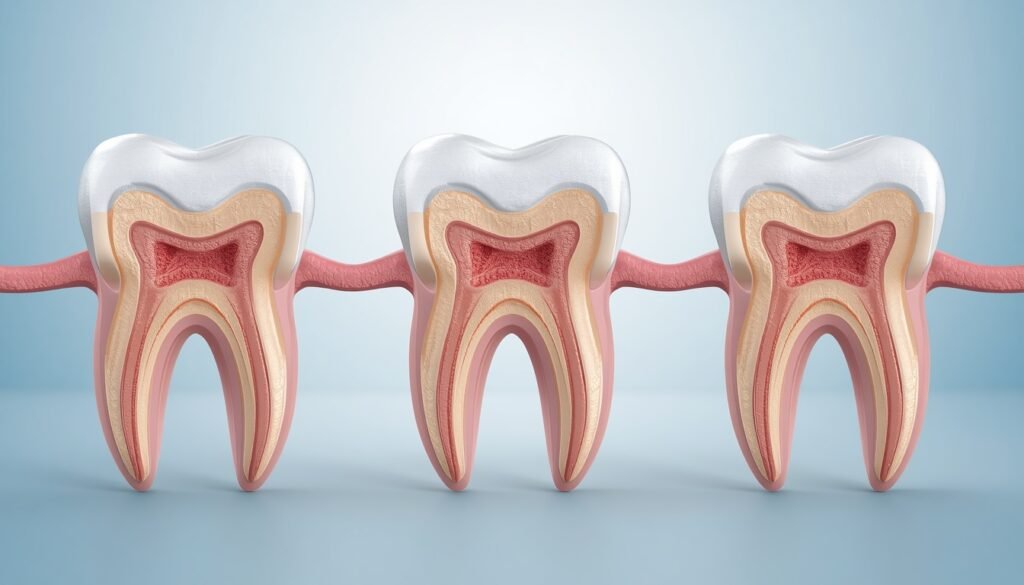
During root canal treatment, the dentist removes the infected or inflamed pulp, cleans and disinfects the root canal system, fills the canals, and seals the tooth.
The root canal itself addresses the infection inside the tooth. The next step is to restore the tooth so that it can function normally.
This is where a dental crown after root canal treatment may become important.
According to the American Association of Endodontists, a root-canal-treated tooth can be restored with a crown or filling depending on the clinical situation. The location of the tooth and the amount of remaining tooth structure are important factors when deciding on the final restoration.
Do You Always Need a Crown After a Root Canal?
No, you do not always need a dental crown after root canal treatment.
The decision should be based on an examination of the individual tooth rather than applying the same rule to every patient.
Your dentist may consider:
- Which tooth received the root canal
- How much natural tooth structure remains
- Whether the tooth has large existing fillings
- Whether the tooth has cracks or fractures
- How much chewing pressure the tooth receives
- The location of the tooth in your mouth
- Your bite and grinding habits
- The type of final restoration required
For example, a heavily damaged molar may benefit from full-coverage protection because it receives substantial chewing forces. On the other hand, a front tooth with sufficient remaining structure may sometimes be restored with a more conservative restoration.
The American Association of Endodontists also notes that crown placement after root canal treatment is not universally required; the restoration should be selected according to the tooth’s remaining structure and clinical needs.
Why Is a Dental Crown Recommended After RCT?
A root canal removes the infected pulp and allows the dentist to preserve the natural tooth, but the tooth may have already lost considerable structure because of decay, cracks, previous fillings, or the access opening required for treatment.
A dental crown after RCT can provide full-coverage protection to a weakened tooth.
1. A Crown Can Protect the Remaining Tooth Structure
A significantly weakened tooth can be more vulnerable to fracture during normal chewing.
A crown covers the visible portion of the tooth and can help protect the remaining tooth structure when full coverage is clinically appropriate.
2. Back Teeth Experience High Chewing Forces
Molars and premolars are responsible for much of the grinding and chewing function.
Because these teeth can experience considerable forces, dentists frequently consider full-coverage crowns when a substantial amount of tooth structure has been lost.
3. A Crown Restores Chewing Function
After RCT, your dentist needs to restore the tooth so you can eventually use it normally.
A properly planned crown can restore the tooth’s shape, strength, contact with neighboring teeth, and chewing function.
4. A Crown Can Help Seal and Protect the Tooth
A permanent restoration helps protect the treated tooth from contamination and further damage.
Delaying the final restoration for too long may leave the tooth vulnerable to fracture or leakage, depending on the clinical situation.
5. A Crown Can Improve Appearance
Modern dental crowns are available in tooth-colored materials that can closely match the surrounding teeth.
For visible teeth, your dentist can discuss aesthetic restoration options based on your smile, bite, tooth structure, and budget.
When Might You Not Need a Crown After Root Canal?
Not every root canal-treated tooth requires full coverage.
A crown may not be necessary when the tooth has sufficient remaining structure and can be predictably restored with a suitable filling or other conservative restoration.
This may be considered in selected cases involving front teeth, particularly when:
- Most of the natural tooth structure remains
- There is no significant crack
- The tooth does not receive excessive chewing forces
- The existing restoration is relatively small
- The dentist determines that a filling or another restoration provides adequate protection
However, this decision should not be made based solely on whether the tooth currently feels strong.
A dentist needs to examine the tooth and determine whether the remaining structure can withstand normal function.
Dental Crown vs Filling After Root Canal
One of the most common questions patients ask is whether they can simply get a filling instead of a crown.
The answer depends on the condition of the tooth.
| Factor | Filling | Dental Crown |
|---|---|---|
| Tooth structure | More structure generally remains | Significant structure may be missing |
| Coverage | Partial restoration | Full coverage |
| Chewing forces | Suitable for selected situations | Often preferred when higher protection is needed |
| Tooth location | Frequently considered for selected front teeth | Commonly considered for weakened back teeth |
| Protection | More conservative | Provides greater coverage |
| Treatment decision | Depends on tooth condition | Depends on tooth condition |
Neither option is automatically better for every patient.
Your dentist should evaluate the tooth and recommend the restoration that offers an appropriate balance of protection, function, appearance, and preservation of healthy tooth structure.
How Soon After Root Canal Should You Get a Crown?
If your dentist recommends a crown, you should generally follow the recommended timeline rather than leaving the tooth with a temporary restoration indefinitely.
The exact timing depends on:
- Whether the root canal has been completed
- The presence or absence of infection
- The condition of the tooth
- How much tooth structure remains
- Whether a temporary restoration has been placed
- Your dentist’s treatment plan
Until the permanent restoration is completed, your dentist may advise you to avoid biting hard foods with the treated tooth.
The American Association of Endodontists recommends returning to the dentist for the permanent restoration after endodontic treatment and advises patients to take care of the treated tooth until it has been fully restored.
What Happens If You Delay a Crown After RCT?
If your dentist has recommended a crown but you delay the final restoration, the tooth may remain vulnerable.
Potential problems can include:
- Tooth fracture
- Damage to the temporary filling
- Leakage around the restoration
- New decay
- Difficulty chewing
- The need for additional dental treatment
A root canal does not make a tooth immune to future dental problems. The restored tooth still needs normal oral hygiene, regular dental examinations, and appropriate protection.
If you experience severe pain, swelling, a loose restoration, or a return of symptoms after root canal treatment, contact your dentist for an evaluation.
What Type of Crown Is Best After Root Canal?
There is no single crown material that is best for every patient.
Depending on the tooth and your requirements, your dentist may discuss options such as:
Zirconia Crowns
Zirconia is known for its strength and tooth-colored appearance. It can be considered for both functional and aesthetic requirements depending on the individual case.
Porcelain Crowns
Porcelain restorations can provide a natural-looking appearance and may be considered when aesthetics are an important priority.
Porcelain-Fused-to-Metal Crowns
PFM crowns combine a metal substructure with a tooth-colored outer layer and have been used for many years.
Other Crown Materials
The appropriate material depends on the tooth’s location, bite, remaining structure, aesthetic requirements, durability expectations, and budget.
Instead of choosing a crown solely based on its name or price, discuss the available materials with your dentist.
How Much Does a Dental Crown Cost After Root Canal Treatment?
The cost of a dental crown after root canal treatment varies from patient to patient.
Factors that can affect the total cost include:
- Type of crown material
- Tooth location
- Amount of tooth structure remaining
- Whether additional buildup is required
- Complexity of the case
- Laboratory charges
- Diagnostic requirements
- Whether additional dental treatment is needed
Therefore, it is better to get a dental examination and treatment estimate instead of relying on a single generic crown price.
If you are searching for dental crown treatment near Noida, ask the dental clinic for a complete treatment plan that explains the recommended crown type, procedure, expected appointments, and total estimated cost.
Can a Root Canal-Treated Tooth Last Without a Crown?
In selected cases, yes.
A root canal-treated tooth can sometimes be restored successfully without a full crown when sufficient healthy tooth structure remains and the dentist determines that another restoration is appropriate.
However, this does not mean that every root canal-treated tooth should be left without a crown.
The most important question is not simply:
“Did I have a root canal?”
The better question is:
“How much healthy tooth structure remains, and what restoration will protect this particular tooth?”
That distinction is important because two patients who have undergone root canal treatment can have completely different restoration requirements.
Signs You Should Contact Your Dentist After RCT
Contact your dentist if you experience:
- Persistent or worsening tooth pain
- Swelling around the tooth
- Pain when biting
- A loose temporary filling or crown
- A cracked or broken restoration
- The return of symptoms you experienced before treatment
- An uneven bite
- Sensitivity or discomfort that does not improve
Do not ignore significant swelling or severe symptoms. A professional examination is necessary to identify the cause and determine the appropriate treatment.
How to Care for a Tooth After Root Canal Treatment
Good aftercare can help protect your restored tooth.
Brush Twice a Day
Continue brushing with fluoride toothpaste and maintain good oral hygiene.
Floss Daily
Clean between the teeth carefully to reduce plaque accumulation around the restored tooth.
Avoid Hard Foods Until the Tooth Is Fully Restored
If your dentist has advised you to avoid chewing on the treated tooth, follow those instructions until the permanent restoration is placed.
Attend Follow-Up Appointments
Do not skip the appointment for the final crown or restoration if one has been recommended.
Get Regular Dental Checkups
Regular dental examinations can help identify decay, cracks, gum problems, or restoration issues before they become more serious.
Dental Crown After Root Canal Treatment in Noida
If you live in Noida Sector 74, Sector 75, Sector 76, Sector 77, Sector 78, Sector 79, or Sector 80, and you have recently undergone root canal treatment, a dental consultation can help determine whether your tooth needs a crown or another type of restoration.
At The Dental Crowns, patients can explore restorative and general dental services, including dental crowns and painless root canal treatment.
The clinic is located at Civitech Stadia, Sector 79, Noida.
Before choosing a crown, your dentist can assess the tooth’s remaining structure, location, bite, and overall condition and then recommend an appropriate restoration.
Frequently Asked Questions
1. Do you need a dental crown after root canal treatment?
Not always. A crown is frequently recommended for weakened back teeth, but the appropriate restoration depends on the tooth’s location, remaining structure, function, and clinical condition.
2. Is a crown mandatory after an RCT?
No. A crown is not automatically mandatory after every root canal. Some teeth can be restored with a filling or another restoration when sufficient tooth structure remains.
3. Why do molars often need crowns after root canal treatment?
Molars experience significant chewing forces and may have substantial loss of tooth structure. A full-coverage crown can provide additional protection when clinically appropriate.
4. Can I get a filling instead of a crown after root canal?
In selected cases, yes. If enough healthy tooth structure remains and the tooth can be predictably restored, your dentist may recommend a filling or another conservative restoration.
5. How long can I wait for a crown after RCT?
The appropriate timing varies according to the tooth and treatment plan. If a crown has been recommended, discuss the timing with your dentist rather than delaying the permanent restoration unnecessarily.
6. Does a root canal-treated tooth become weak?
The overall structural condition of the tooth is an important consideration after RCT. Tooth structure lost from decay, cracks, previous restorations, and the treatment itself can influence how the tooth should be restored.
7. Can a crowned tooth get infected again?
Yes. A crowned and root-canal-treated tooth can develop problems again if bacteria gain access because of new decay, a damaged restoration, persistent infection, or other causes.
8. Is a zirconia crown good after root canal?
Zirconia may be a suitable option for some root-canal-treated teeth, but the best crown material depends on the tooth, bite, aesthetics, remaining structure, and your dentist’s recommendation.
9. Is dental crown treatment painful?
The procedure is generally performed using local anesthesia. Your dentist can explain pain-management options and what you should expect during and after treatment.
10. Where can I get dental crown treatment in Noida?
You can consult a dentist at The Dental Crowns in Sector 79, Noida, for an evaluation and personalized restoration plan.
Final Takeaway: Do You Need a Dental Crown After Root Canal Treatment?
A dental crown is often recommended after root canal treatment when the tooth has lost significant structure or needs additional protection, particularly in many back-tooth cases. However, a crown is not automatically necessary for every root canal-treated tooth.
The right decision depends on the amount of remaining healthy tooth structure, tooth location, chewing forces, existing restorations, cracks, bite, and your overall dental condition.
If you have recently undergone RCT and are unsure whether you need a crown, the safest approach is to have the tooth professionally evaluated.
For patients searching for dental crown treatment in Noida, The Dental Crowns offers dental restoration and root canal services at its Sector 79 clinic.
Don’t wait for a weakened tooth to fracture. Ask your dentist whether a permanent crown or another restoration is appropriate for your tooth.