
A root canal can save a severely infected or damaged tooth and allow you to keep your natural smile for many years. But one of the most common questions patients ask after root canal treatment is: How long does a root canal treated tooth last?
In general, a properly treated and restored root canal tooth can remain functional for many years and, in some cases, can last for decades. Its long-term survival depends on several factors, including the quality of the root canal procedure, the amount of natural tooth structure remaining, the type of final restoration, oral hygiene, bite forces, diet, and regular dental check-ups.
Research has found that the pooled survival of teeth after root canal treatment was approximately 86%–93% over 2–10 years, although individual outcomes vary. Studies also indicate that teeth restored with crowns have better long-term survival than root canal treated teeth restored only with direct fillings in many situations.
If you are considering root canal treatment in Noida, understanding how to protect the treated tooth after treatment can help you get the maximum possible lifespan from your natural tooth.
Quick Answer: How Long Can a Root Canal Tooth Last?
A root canal treated tooth does not have a fixed expiration date.
With successful root canal treatment, adequate tooth structure, an appropriate permanent restoration, good oral hygiene and regular dental care, the tooth can potentially function for 10, 15, 20 years or even longer.
However, this does not mean every root canal tooth will automatically last 20 years. Some teeth may require retreatment or extraction earlier because of reinfection, tooth fracture, gum disease, decay around the restoration or other dental problems.
A systematic review published in the International Endodontic Journal reported pooled tooth survival rates of approximately 86% at 2–3 years, 93% at 4–5 years and 87% at 8–10 years after non-surgical root canal treatment.
The same review found that placing a crown after root canal treatment was associated with improved tooth survival.
What Is Root Canal Treatment?
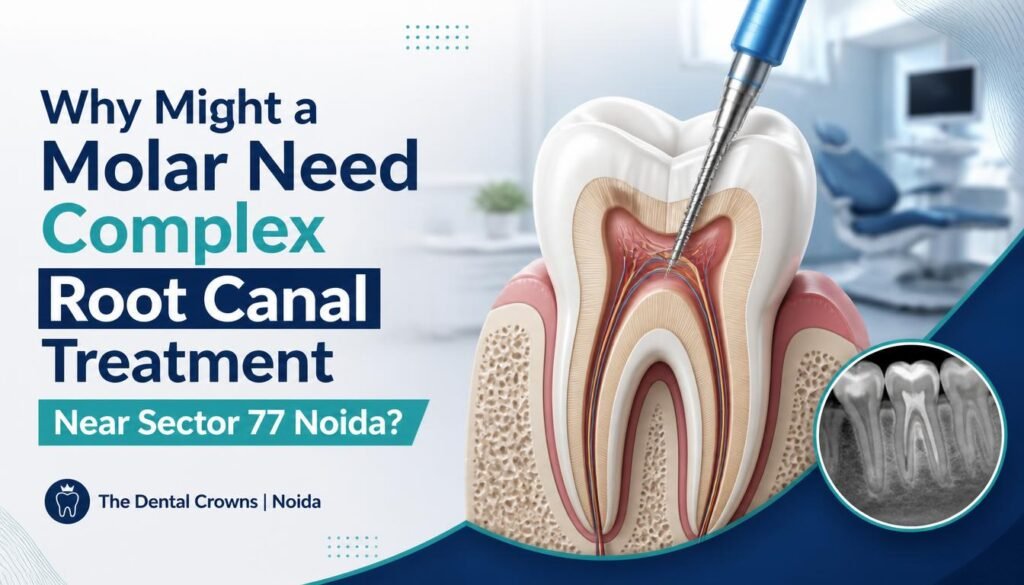
Root canal treatment, also called endodontic treatment or RCT, is performed when the soft tissue inside the tooth, known as the dental pulp, becomes inflamed or infected.
This can happen because of:
- Deep tooth decay
- A cracked or fractured tooth
- Repeated dental procedures
- Dental trauma
- Severe infection
- Large or leaking fillings
- Untreated tooth decay reaching the pulp
During root canal treatment, the dentist removes infected or inflamed pulp tissue, cleans and disinfects the root canals, fills and seals them, and then restores the tooth.
The objective is not simply to remove pain. The goal is to eliminate infection and preserve the natural tooth whenever possible.
For a detailed explanation, you can read our guide on root canal treatment near Noida Sector 79
Does a Root Canal Tooth Last Forever?
A root canal treated tooth can last for a very long time, but no dentist can guarantee that it will last forever.
The tooth is still made from natural dental tissues and can develop problems after treatment. Although the nerve and pulp have been removed, the tooth can still experience:
- Tooth decay
- Cracks or fractures
- Gum disease
- Leakage around a filling or crown
- Reinfection
- Restoration failure
- Excessive wear
- Damage caused by teeth grinding or clenching
The key point is that root canal treatment removes the infection, but the treated tooth still needs protection and maintenance.
Why Does a Root Canal Treated Tooth Often Need a Crown?
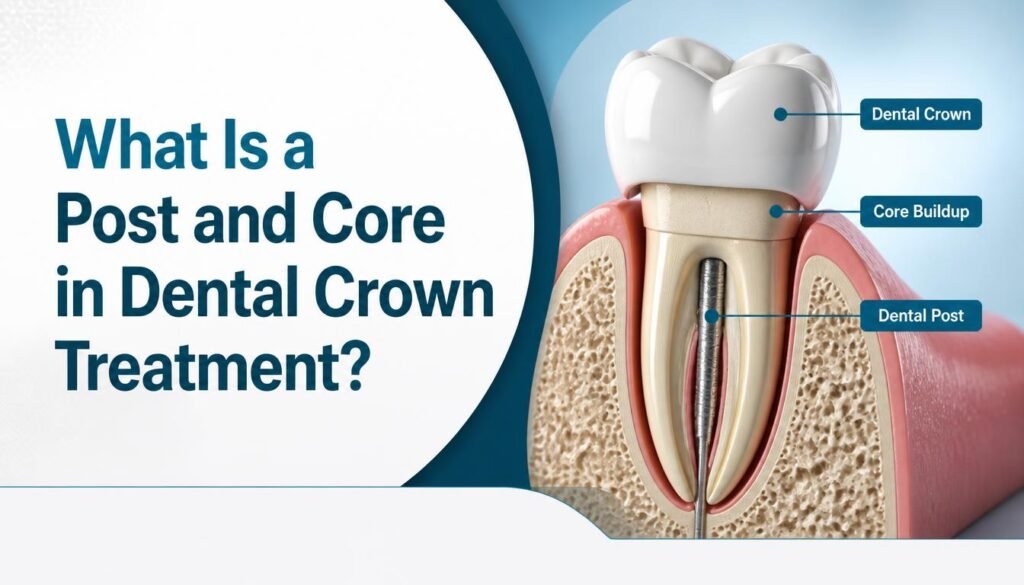
After root canal treatment, a tooth may have already lost a significant amount of natural structure because of decay, cracks, previous fillings or the access required for treatment.
A dental crown can cover and protect a weakened tooth from further damage.
Research has found that root canal treated teeth restored with crowns can have better long-term survival than those restored with direct restorations in appropriate cases. One systematic review reported approximately 81% 10-year survival for crowned root canal treated teeth, compared with approximately 63% for teeth restored with direct restorations.
However, a crown is not automatically required for every tooth. The dentist should assess the location of the tooth, remaining tooth structure, functional demands, bite and other factors before recommending the appropriate restoration.
You can learn more about dental crown treatment near Noida Sector 78 and the factors that influence crown longevity.
8 Factors That Affect How Long a Root Canal Tooth Lasts
1. Quality of the Root Canal Treatment
The quality of cleaning, shaping, disinfection and sealing of the root canals plays an important role in long-term outcomes.
If bacteria remain inside the canal system or the tooth is inadequately sealed, infection can return.
Modern root canal techniques are designed to thoroughly clean and seal the canal system while preserving as much healthy tooth structure as possible.
2. The Amount of Tooth Structure Remaining
One of the most important factors is how much healthy tooth structure remains after decay, fracture and treatment.
A tooth with substantial remaining structure generally has a better structural foundation than a severely damaged tooth.
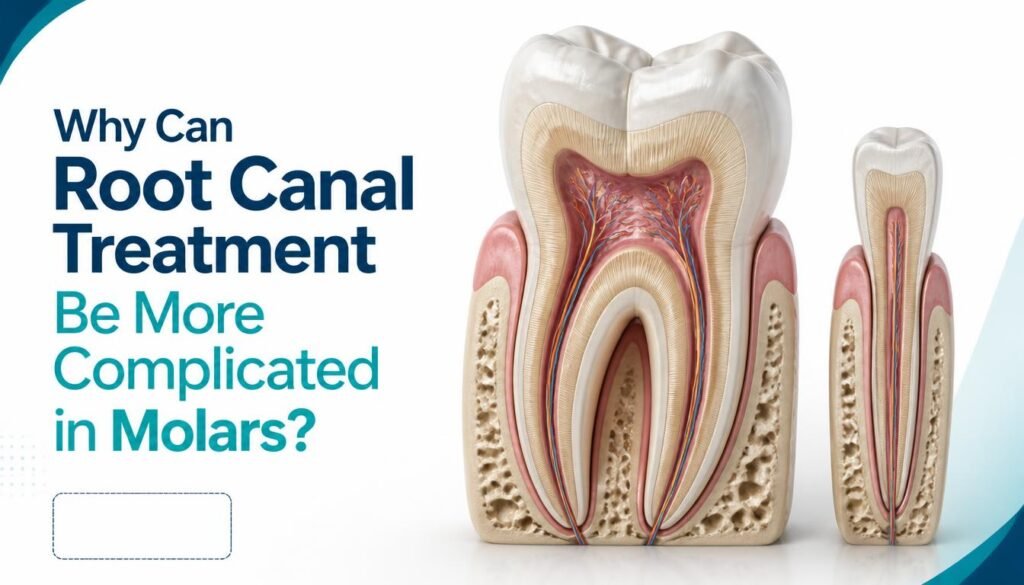
This is particularly important for molars and premolars because these teeth experience significant chewing forces.
3. The Final Restoration
The restoration placed after RCT can have a major impact on tooth survival.
Depending on the condition of the tooth, the dentist may recommend:
- Dental filling
- Onlay
- Overlay
- Dental crown
- Other indirect restoration
For teeth with substantial structural loss, a full-coverage crown may provide important protection against fracture.
4. Oral Hygiene
A root canal treated tooth can still develop new tooth decay.
Therefore, brushing twice daily, cleaning between teeth and maintaining good gum health remain important.
Good oral hygiene helps prevent decay around the restoration and reduces the risk of periodontal problems.
5. Teeth Grinding and Clenching
Bruxism—habitual grinding or clenching—can place excessive forces on teeth.
This can increase the risk of:
- Cracks
- Crown damage
- Tooth fractures
- Restoration failure
If you grind or clench your teeth, tell your dentist. A custom night guard may be recommended in appropriate cases.
6. Regular Dental Check-Ups
A root canal treated tooth may feel completely normal even when a problem is developing.
Regular dental examinations allow your dentist to check:
- The tooth
- Crown or filling
- Gums
- Bite
- Signs of recurrent infection
- New decay
- Cracks
- Bone surrounding the tooth
Early detection can sometimes prevent a small problem from becoming a major one.
7. Diet and Dental Habits
Hard objects such as ice, hard candies or non-food items can put unnecessary stress on restored teeth.
Avoid using your teeth to open packages, bite hard objects or perform tasks for which teeth are not designed.
8. Timely Permanent Restoration
A root canal treated tooth should receive its appropriate permanent restoration as recommended by the dentist.
Delaying the final restoration can leave the tooth more vulnerable to fracture or leakage, depending on the clinical situation.
Can a Root Canal Tooth Get Infected Again?
Yes.
Although root canal treatment is designed to eliminate infection, a previously treated tooth can sometimes develop another infection.
Possible reasons include:
- Undetected canal anatomy
- Incomplete cleaning
- Leakage around the restoration
- New decay
- Fracture
- Breakdown of the crown or filling
- Recontamination of the root canal system
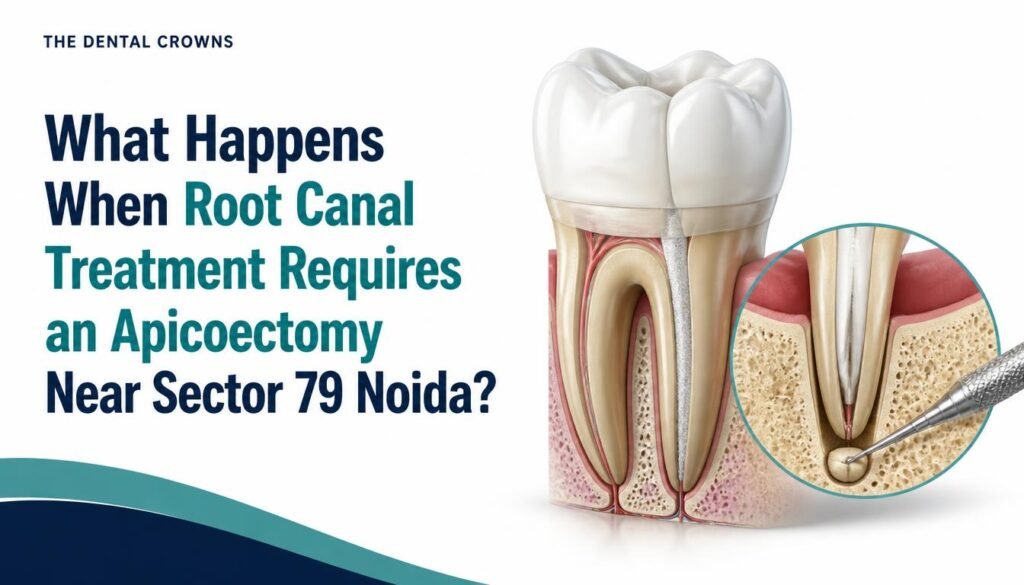
If infection returns, your dentist may evaluate whether root canal retreatment, an endodontic procedure or another treatment is appropriate.
In some cases, a specialist consultation may be recommended.
What Are the Signs of a Failing Root Canal?
Contact a dentist if you notice symptoms such as:
- Persistent or recurring tooth pain
- Pain while chewing
- Swelling near the tooth
- Gum tenderness
- A pimple or draining spot on the gum
- Bad taste in the mouth
- Sensitivity or discomfort
- A loose or damaged crown
- A fractured tooth
- Recurrent dental infection
Not every symptom necessarily means the root canal has failed. A professional dental examination and, when needed, dental X-rays are required to determine the cause.
Can a Root Canal Tooth Break?
Yes.
A root canal treated tooth can fracture, especially when substantial tooth structure has been lost.
This is one reason dentists carefully evaluate the remaining tooth structure and the tooth’s location before deciding whether a crown or another protective restoration is appropriate.
Molars generally experience high chewing forces, so restoring them properly is particularly important.
If you have recently undergone RCT and are waiting for your final restoration, follow your dentist’s instructions regarding chewing and protecting the tooth.
How Can You Make a Root Canal Tooth Last Longer?
Follow these simple habits to protect your treated tooth:
Brush Twice a Day
Use fluoride toothpaste and brush gently but thoroughly.
Clean Between Your Teeth
Use dental floss or an interdental cleaning method recommended by your dentist.
Get the Recommended Crown or Restoration
If your dentist recommends a crown or other protective restoration, complete the treatment within the recommended timeframe.
Avoid Extremely Hard Foods
Avoid chewing ice, hard candy and other objects that can put excessive stress on a restored tooth.
Manage Teeth Grinding
If you clench or grind your teeth, discuss it with your dentist.
Attend Regular Dental Check-Ups
Regular examinations help detect cracks, decay, gum disease and restoration problems early.
Don’t Ignore Pain
If an old root canal tooth suddenly starts hurting, don’t wait for the pain to disappear on its own.
Early evaluation can help determine whether the problem is related to the restoration, tooth structure, gums or infection.
Root Canal Treatment vs Tooth Extraction
When a tooth can be predictably saved, preserving the natural tooth is often an important consideration.
Root canal treatment allows the dentist to remove infection while retaining the natural tooth structure.
Extraction, on the other hand, removes the tooth completely and may eventually require replacement with options such as:
- Dental implant
- Dental bridge
- Denture
The best option depends on the condition of the tooth, supporting bone, gums, overall oral health and your individual treatment needs.
If extraction becomes necessary, dental implants may be considered as one tooth-replacement option.
How Long Does a Dental Crown Last After Root Canal Treatment?
A crown does not necessarily last for the entire lifetime of the tooth.
Its lifespan depends on:
- Crown material
- Oral hygiene
- Bite forces
- Tooth location
- Grinding or clenching
- Quality of fit
- Gum health
- Regular dental maintenance
Many dental crowns can remain functional for years, but they may eventually need repair or replacement.
For more information, read our article on how long dental crowns last
Is Root Canal Treatment Painful?
Modern root canal treatment is performed using local anaesthesia and is designed to control discomfort during the procedure.
Some patients may experience mild soreness or sensitivity after treatment, particularly as the surrounding tissues recover.
If you are worried about dental pain, you can learn more about painless root canal treatment in Noida
The level of discomfort can vary depending on the condition of the tooth, the extent of infection and individual factors.
When Should You See a Dentist After Root Canal Treatment?
You should follow the review schedule provided by your dentist.
Contact your dentist sooner if you develop:
- Severe or increasing pain
- Significant swelling
- Fever
- A broken temporary restoration
- A loose crown
- Difficulty biting
- A new gum swelling
- Persistent symptoms
A root canal treated tooth that feels comfortable should still be maintained through regular dental care.
Root Canal Treatment in Noida
If you are searching for root canal treatment in Noida, choosing a dental clinic that evaluates both the infection and the remaining tooth structure is important.
At The Dental Crowns, located at Civitech Stadia, Sector 79, Noida, patients can consult the dental team for root canal treatment, dental crowns and other dental services.
The clinic’s services include painless root canal treatment, dental crowns, tooth-coloured restorations, dental implants, laser dentistry and other general, cosmetic and surgical dental treatments.
You can explore the complete dental services offered by The Dental Crowns.
Patients from nearby areas such as Noida Sector 74, Sector 75, Sector 76, Sector 77, Sector 78 and Sector 79 can consider consulting a dentist for an individual evaluation.
Frequently Asked Questions
1. How long does a root canal treated tooth last?
A properly treated and appropriately restored tooth can last for many years and potentially decades. Research shows strong survival rates over 5–10 years, but individual longevity depends on tooth condition, restoration, oral hygiene and other factors.
2. Can a root canal tooth last 20 years?
Yes, some root canal treated teeth can remain functional for 20 years or longer. However, longevity varies from patient to patient, and no specific lifespan can be guaranteed.
3. Does every root canal tooth need a crown?
Not necessarily. The need for a crown depends on the tooth type, remaining tooth structure, amount of damage, bite and other clinical factors. Your dentist should recommend the restoration based on your individual condition.
4. Why does a root canal tooth need protection?
Root canal treated teeth may have lost significant tooth structure because of decay, cracks, previous restorations or treatment. Appropriate restoration can help protect the remaining tooth from fracture and further damage.
5. Can a root canal fail after several years?
Yes. A previously treated tooth can sometimes develop recurrent infection, leakage, decay or fracture. Retreatment or another treatment may be possible depending on the cause.
6. Can a root canal tooth get cavities?
Yes. The natural tooth remains vulnerable to decay even after the pulp has been removed. Good brushing, interdental cleaning and regular dental visits are important.
7. Can I chew normally after root canal treatment?
Your dentist may recommend avoiding heavy chewing on the treated tooth until the permanent restoration has been placed. Once the tooth has been appropriately restored and your dentist confirms it is safe, normal function is generally possible.
8. Is a root canal better than extraction?
When a tooth can be predictably saved, root canal treatment can preserve the natural tooth. However, treatment decisions depend on the tooth’s condition and should be made after a professional examination.
9. What happens if I delay my dental crown after RCT?
Delaying the final restoration may leave the tooth vulnerable to fracture or leakage, depending on the tooth and temporary restoration. Follow the timeline recommended by your dentist.
10. How do I know if my old root canal tooth needs treatment again?
Pain, swelling, discomfort while chewing, a damaged crown, recurrent decay or a gum swelling can be reasons to seek an examination. Sometimes a problem may have no obvious symptoms, which is why regular dental check-ups are useful.
Final Takeaway
So, how long does a root canal treated tooth last?
There is no single number that applies to every patient. A successfully treated and properly restored tooth can last 10 years, 15 years, 20 years or even longer.
The biggest factors are the quality of root canal treatment, the amount of remaining natural tooth structure, the appropriate final restoration, oral hygiene, bite forces and regular dental care.
A root canal is not the end of dental treatment—it is the beginning of maintaining the saved natural tooth.
If you have a previously root canal treated tooth that is painful, fractured, swollen or has a damaged crown, getting it examined early may help identify the problem before it becomes more complicated.
For patients looking for root canal treatment in Noida, The Dental Crowns offers root canal treatment and restorative dental services at its clinic in Sector 79.
Book a dental consultation to find out whether your root canal treated tooth needs a crown, retreatment, repair or simply routine monitoring.