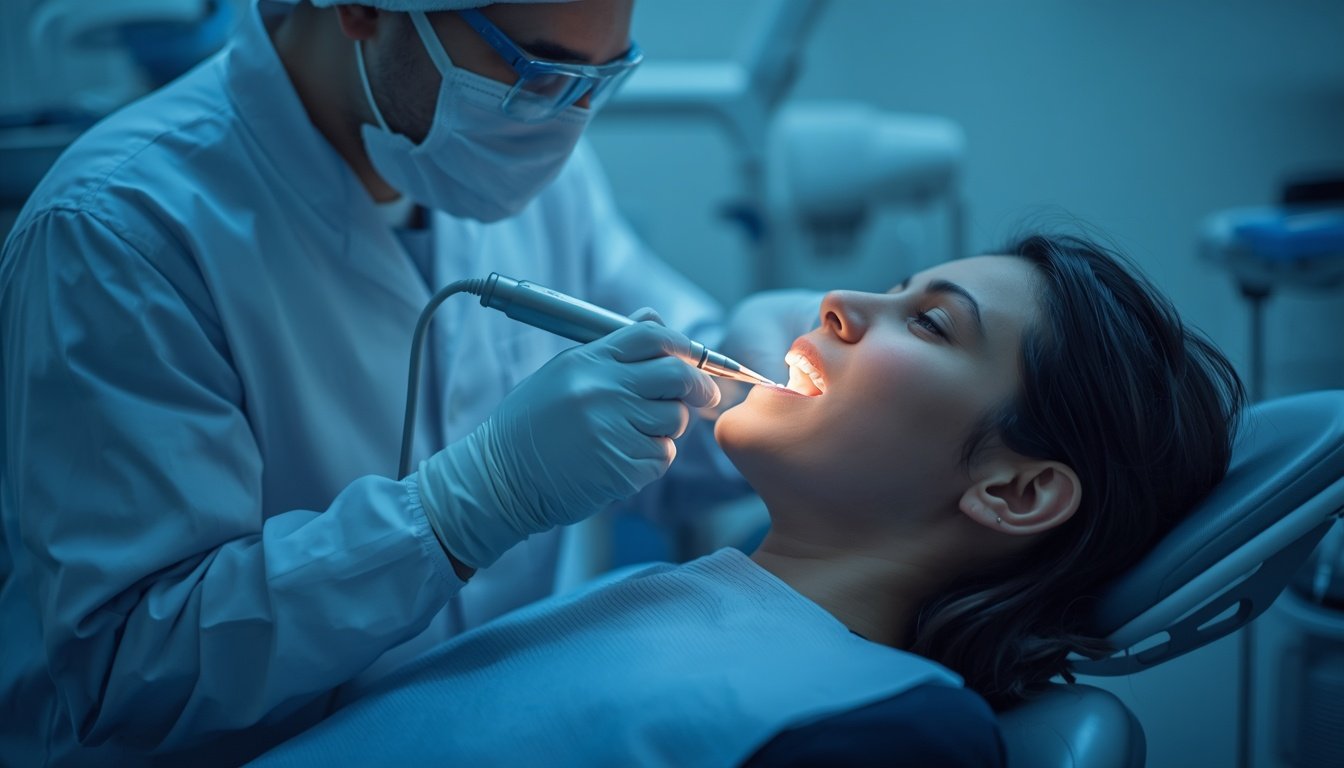
If you are searching for laser dental treatment near Sector 78 Noida, you may already have been advised to consider laser dentistry for a gum, tooth, root canal, or other oral-health concern. While laser technology can make certain dental procedures more precise and comfortable, good preparation is still an important part of the treatment process.
Before undergoing laser dental treatment, patients should understand what the procedure involves, whether any special preparation is required, what they should tell their dentist, and what to expect during and after treatment.
What Is Laser Dental Treatment?
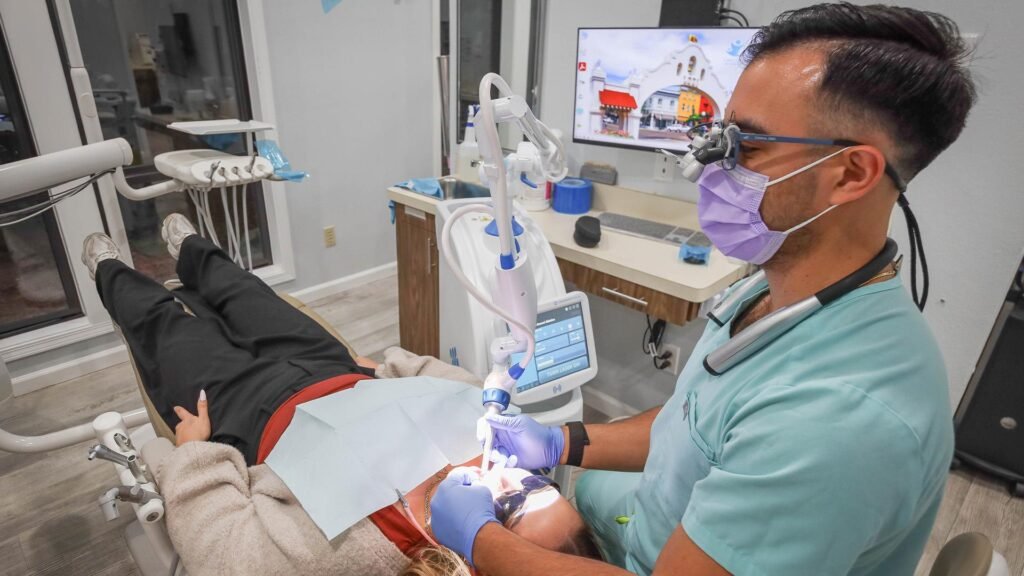
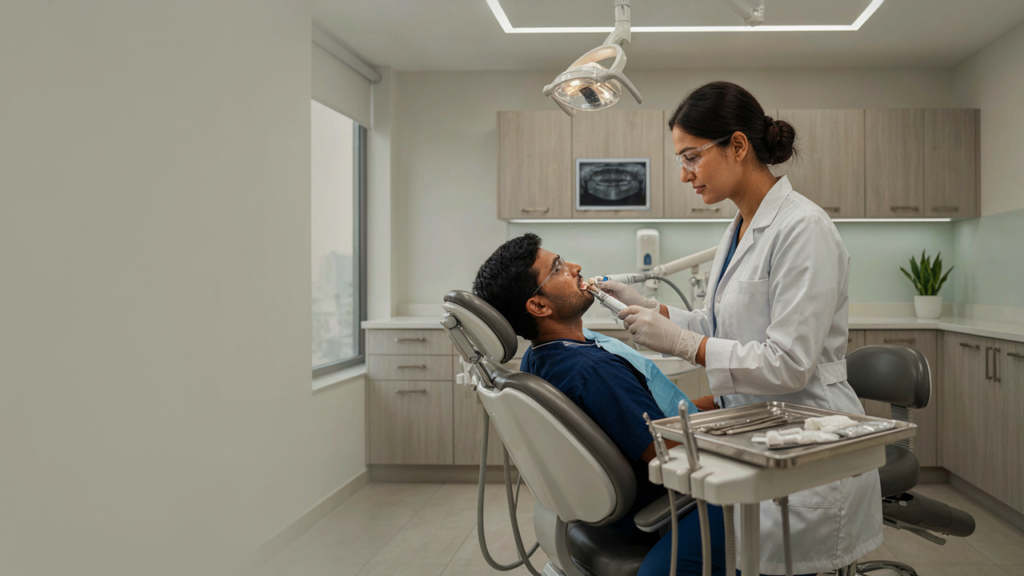
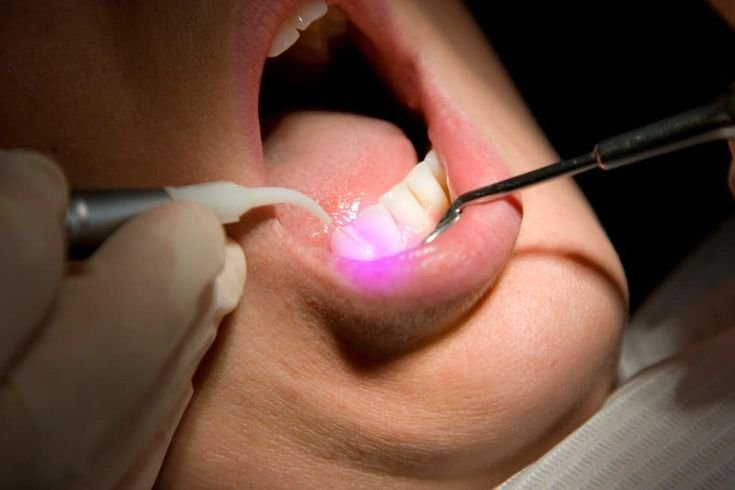
Laser dentistry uses concentrated light energy to treat selected dental conditions involving the teeth, gums and other oral tissues.
According to Cleveland Clinic, dental lasers can be used for several applications, including selected gum treatments, cavity treatment, root canal disinfection, tooth-sensitivity management, soft-tissue procedures and certain restorative treatments. Laser technology generally complements conventional dental instruments rather than completely replacing them.
This means that laser dentistry is not a single treatment. The type of laser and treatment approach depends on the patient’s dental condition and the procedure being performed.
Do You Need to Prepare Before Laser Dental Treatment?
In many cases, preparation for laser dental treatment is relatively straightforward. However, the exact instructions depend on the procedure, your oral-health condition and your dentist’s treatment plan.
Your dentist may recommend:
- A complete dental examination
- Dental X-rays or other imaging when required
- Cleaning or treatment of existing oral infections
- Discussion of your medical and dental history
- Information about medications and allergies
- Instructions regarding food or drinks before a specific procedure
- Special instructions for gum or surgical procedures
- Arranging transportation if sedation or another procedure makes driving unsuitable
The most important preparation is understanding why laser treatment has been recommended and what alternative treatments may be available.
Step 1: Have a Dental Examination First
Do not assume that every dental problem requires laser treatment.
Your dentist should first examine your teeth, gums and surrounding oral tissues. Depending on your symptoms, dental imaging may also be required.
An examination helps determine:
- What is causing your dental problem
- Whether laser treatment is appropriate
- Which type of laser may be required
- Whether conventional dental instruments are also needed
- Whether another treatment would be more suitable
- What type of aftercare you may need
The American Dental Association describes evidence-based dentistry as combining relevant scientific evidence with clinical expertise and the patient’s individual condition, needs and preferences.
Step 2: Tell Your Dentist About Your Medical History
Before your laser dental treatment, provide your dentist with accurate information about your health history.
Tell your dentist about:
- Current medications
- Known allergies
- Previous dental procedures
- Previous reactions to anesthesia
- Existing medical conditions
- Any ongoing dental pain or swelling
- Pregnancy, if applicable
- Previous oral surgeries
Even when a procedure appears simple, your medical and dental history can help your dentist plan treatment safely.
Do not stop taking prescribed medication simply because you are having dental treatment. If you are unsure about a medication, ask your dentist or prescribing doctor before making any change.
Step 3: Ask Which Laser Procedure You Are Having
The term laser dentistry covers several different procedures.
For example, dental lasers may be used for selected:
- Gum treatments
- Soft-tissue procedures
- Cavity-related procedures
- Root canal disinfection
- Tooth-sensitivity treatments
- Gum reshaping
- Certain restorative procedures
- Oral soft-tissue treatments
Cleveland Clinic notes that different dental lasers are designed for different applications, including soft-tissue and hard-tissue treatment.
Before treatment, ask your dentist:
“What exactly will the laser be used for in my treatment?”
This simple question can help you understand what to expect.
Step 4: Ask Whether Anesthesia Is Required
One common question patients have before laser dentistry is whether they will need anesthesia.
The answer depends on the procedure.
Some laser procedures may require little or no local anesthesia, while others may still require numbing medication. Cleveland Clinic explains that dental laser treatment can still involve numbing medicine depending on the procedure being performed.
Therefore, it is better to ask your dentist about your specific procedure rather than assuming laser treatment will always be completely painless.
Step 5: Follow Your Dentist’s Food and Drink Instructions
For many routine dental laser procedures, patients may not need major dietary preparation.
However, instructions can vary depending on the procedure.
Your dentist may advise you to:
- Eat normally before a routine appointment
- Avoid very heavy meals immediately before treatment
- Follow specific instructions for surgical procedures
- Follow fasting instructions if sedation is planned
Never follow generic internet advice instead of the instructions provided by your dental clinic.
If you are unsure, contact the clinic before your appointment.
Step 6: Maintain Good Oral Hygiene Before Treatment
Good oral hygiene is important before and after dental treatment.
Continue your normal brushing and flossing routine unless your dentist has given you different instructions.
Before your appointment:
- Brush your teeth gently.
- Clean between your teeth as usual.
- Avoid aggressively brushing irritated gums.
- Inform your dentist if brushing causes bleeding or significant pain.
Maintaining oral hygiene can help keep your mouth cleaner and support your overall dental health.
Step 7: Wear Comfortable Clothing
Laser dental treatment generally takes place in a dental chair, so comfortable clothing can make your appointment easier.
You may want to avoid clothing that is extremely tight around your neck or uncomfortable while reclining.
If you have a longer procedure planned, comfort can be particularly useful.
Step 8: Ask About Eye Protection
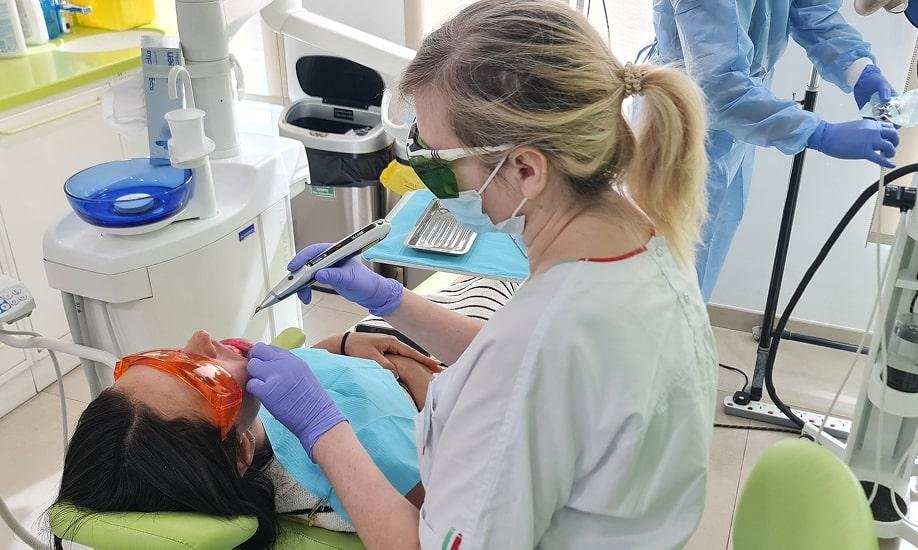
Laser procedures involve concentrated light energy, so appropriate safety measures are important.
Depending on the laser system and procedure, your dental team may provide protective eyewear.
Laser safety is an important part of professional dental laser use. The ADA’s educational material on dental laser technology includes laser safety, training, infection control and equipment management among key considerations for dental professionals.
If you have questions about protective eyewear, ask your dentist before treatment begins.
Step 9: Tell Your Dentist If You Have Dental Anxiety
If you feel nervous about laser dental treatment, tell your dentist before the procedure.
Dental anxiety is common, and discussing your concerns can help the dental team explain:
- What will happen
- How long the procedure may take
- Whether you will receive local anesthesia
- What sensations you may experience
- What you can do if you feel uncomfortable
Understanding the procedure beforehand can make the appointment feel more predictable.
What Happens During Laser Dental Treatment?
The exact process depends on the treatment being performed.
A typical appointment may involve:
1. Examination
The dentist checks the treatment area and confirms the planned procedure.
2. Preparation
The treatment area is cleaned and prepared. Protective measures may be used depending on the procedure.
3. Numbing
Local anesthesia may be administered when appropriate.
4. Laser Treatment
The dentist directs the appropriate laser toward the treatment area.
5. Conventional Dental Instruments
Depending on the procedure, the dentist may use traditional dental instruments together with the laser.
6. Post-Treatment Instructions
Your dentist explains how to care for the treated area at home.
Laser dentistry should therefore be viewed as a technology used as part of a broader treatment plan, rather than as a replacement for every conventional dental procedure.
Is Laser Dental Treatment Painful?
Many laser dental procedures can be comfortable, but laser dentistry should not automatically be described as completely painless for every patient.
The amount of discomfort can depend on:
- The procedure being performed
- The area being treated
- Your dental condition
- Your sensitivity level
- Whether local anesthesia is required
- Whether conventional instruments are also used
Your dentist can explain what you are likely to experience during your particular procedure.
What Should You Do After Laser Dental Treatment?
After your treatment, follow the instructions given by your dentist.
Depending on the procedure, you may be advised to:
- Avoid touching the treated area unnecessarily
- Follow recommended oral-hygiene instructions
- Eat softer foods temporarily if advised
- Avoid extremely hot or irritating foods if recommended
- Take prescribed medication according to instructions
- Attend a follow-up appointment if required
Your post-treatment instructions can vary considerably depending on whether you received gum treatment, soft-tissue treatment, root canal-related laser treatment or another procedure.
When Should You Contact Your Dentist After Treatment?
Contact your dental clinic if you experience symptoms that concern you or if your dentist specifically asked you to report certain changes.
Examples can include:
- Persistent or increasing pain
- Significant swelling
- Continuous bleeding
- Fever
- Difficulty opening your mouth
- Difficulty swallowing
- Any unexpected reaction after treatment
For severe or rapidly worsening symptoms, seek urgent medical or dental care.
How Do You Choose Laser Dentistry Near Sector 78 Noida?
If you live in Sector 78 Noida, you do not necessarily need to choose a clinic based only on the word “laser” in its advertising.
Consider asking the clinic:
Does the dentist examine me before recommending laser treatment?
A proper diagnosis should come before treatment planning.
What type of laser will be used?
Different lasers have different applications.
Why is laser treatment suitable for my condition?
Ask the dentist to explain the clinical reason.
Will conventional dental treatment also be required?
Laser technology may complement traditional dental instruments.
What should I do before the appointment?
Ask about food, medication, oral hygiene and any other preparation specific to your procedure.
What will recovery be like?
Understanding aftercare before treatment can help you plan your schedule.
Why Patients From Sector 78 Noida May Consider The Dental Crowns
For patients searching for laser dental treatment near Sector 78 Noida, The Dental Crowns provides laser dentistry along with other dental services.
The clinic is located at Civitech Stadia, Sector 79, Noida, making it accessible for patients from Sector 78 and surrounding Noida sectors. The clinic’s website lists Laser Dentistry among its dental services.
Before starting treatment, patients can discuss their dental condition with the dental team and determine whether laser treatment is appropriate for their specific needs.
Frequently Asked Questions
1. What should I do before laser dental treatment near Sector 78 Noida?
Start with a dental examination and follow the specific instructions provided by your dentist. Tell your dentist about your medications, allergies, medical history and previous dental experiences.
2. Can I eat before laser dental treatment?
For many routine procedures, patients may eat normally, but instructions vary. If sedation or a specific surgical procedure is planned, your dentist may provide different instructions.
3. Do I need anesthesia for laser dentistry?
It depends on the procedure. Some treatments may require little or no anesthesia, while others may require local anesthesia.
4. Is laser dentistry completely painless?
Not necessarily. Some procedures can be very comfortable, but discomfort varies depending on the treatment, dental condition and individual sensitivity.
5. Is laser dentistry suitable for everyone?
No. Laser treatment is appropriate for selected dental conditions and procedures. A dentist should determine whether it is suitable for you.
6. Can laser dentistry replace a root canal?
Laser technology may be used as part of root canal-related treatment, such as disinfection, but it does not mean every root canal can be replaced by laser treatment. Your dentist should determine the appropriate treatment.
7. Can laser treatment be used for gum problems?
Yes. Depending on the diagnosis and laser technology available, lasers may be used for selected gum treatments.
8. Do dental lasers replace drills?
Not always. Dental lasers can complement conventional dental instruments, and many procedures still require traditional instruments.
9. Is laser dental treatment safe?
Dental lasers can be used safely when appropriate equipment, training and safety procedures are followed. Your dentist can explain the specific risks and precautions associated with your treatment.
10. Where can patients from Sector 78 Noida get laser dentistry?
Patients searching for laser dentistry near Sector 78 can consult dental clinics in and around Sectors 78 and 79. The Dental Crowns offers Laser Dentistry at its clinic in Civitech Stadia, Sector 79, Noida.
Final Thoughts
Preparing for laser dental treatment near Sector 78 Noida does not have to be complicated. The most important step is to have your dental condition properly evaluated before treatment.
Ask questions about the recommended procedure, laser technology, anesthesia, preparation, possible alternatives, recovery and aftercare. A personalized treatment plan can help you understand what to expect and make your dental appointment more comfortable.
If you are considering laser dentistry, you can explore Advanced Clinical Laser Dentistry at The Dental Crowns or contact the clinic for an individual assessment.