Have you noticed that your teeth look longer than before, or that your gums are gradually pulling away from your teeth? These could be signs of gum recession, a common dental concern that can lead to tooth sensitivity, exposed tooth roots and an increased risk of other oral health problems.
Many people living in Sector 78, Sector 77, Sector 76 and nearby areas of Noida look for comfortable and effective ways to manage gum problems. With advancements in modern dentistry, laser dentistry for receding gums near Sector 78 Noida is becoming an important treatment option worth discussing with a dental professional.
Dental lasers can assist with selected gum procedures and periodontal treatments. However, the right approach depends on the underlying cause and severity of gum recession. In some cases, conventional gum treatment or gum grafting may be more appropriate.
At The Dental Crowns, patients can explore modern dental treatment options and receive guidance based on their individual oral health requirements.
What Is Gum Recession?
Gum recession is a dental condition in which the gum tissue surrounding a tooth gradually moves away from the tooth surface, exposing more of the tooth or its root.
Healthy gums normally cover and protect the roots of your teeth. When gum tissue recedes, the exposed root surface can become sensitive to hot, cold, sweet or acidic foods and drinks.
People searching for gum recession treatment near Sector 78 Noida should understand that early diagnosis is important for protecting their natural teeth.
What Are the Common Causes of Receding Gums?
Several factors can contribute to gum recession. Identifying the cause helps a dentist recommend the most appropriate treatment.
1. Gum Disease
Periodontal disease is one of the important causes of gum recession. Bacterial plaque can trigger inflammation and damage the tissues supporting the teeth.
Common warning signs include:
- Red or swollen gums.
- Bleeding while brushing or flossing.
- Persistent bad breath.
- Gum tenderness.
- Teeth appearing longer.
- Loose teeth in advanced cases.
2. Aggressive Tooth Brushing
Brushing your teeth with excessive pressure or using a hard-bristled toothbrush can gradually damage gum tissue.
A soft-bristled toothbrush and gentle brushing technique can help protect your gums.
3. Poor Oral Hygiene
Inadequate brushing and flossing can allow plaque to accumulate around the gumline. Over time, plaque can harden into tartar and contribute to gum inflammation.
4. Genetics
Some people naturally have thinner gum tissue, making them more susceptible to gum recession even when they maintain good oral hygiene.
5. Teeth Grinding
Excessive pressure from clenching or grinding your teeth may contribute to damage to the supporting structures of the teeth.
6. Tobacco Use
Smoking and other forms of tobacco use can negatively affect gum health and increase the risk of periodontal disease.
Can Laser Dentistry Help Treat Receding Gums?
Yes, laser dentistry can be used in selected periodontal and gum-related procedures, depending on the patient’s condition.
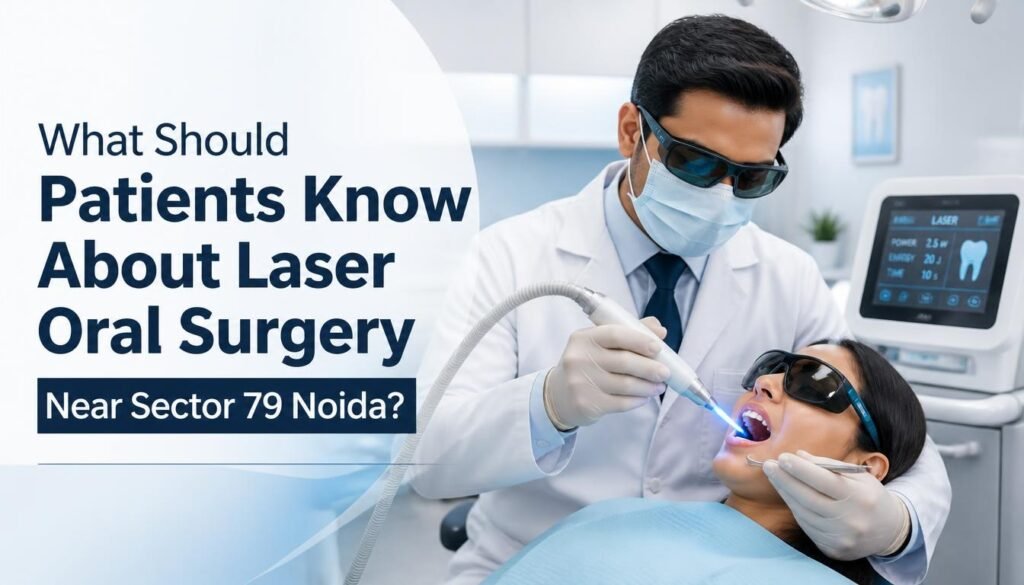
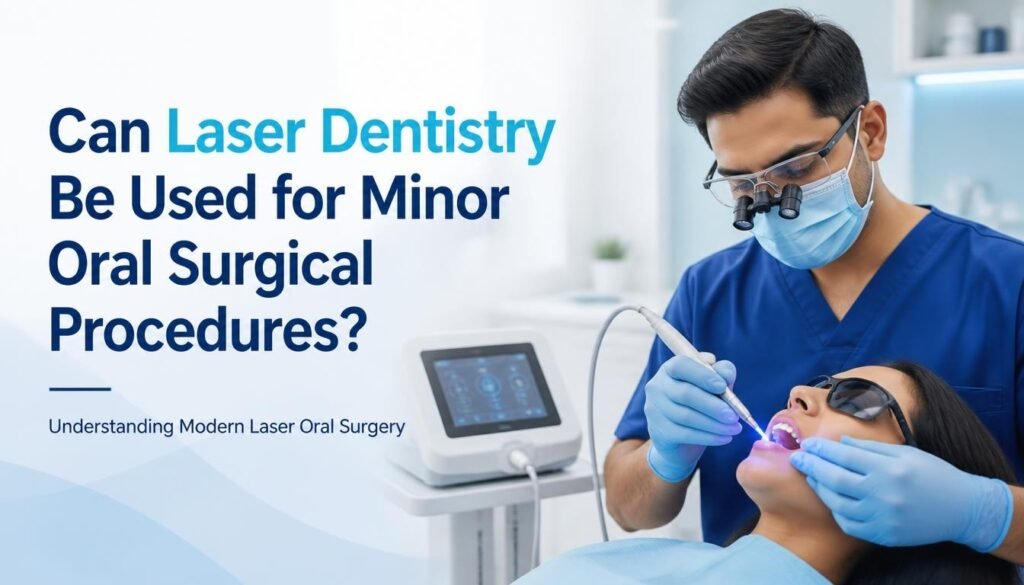
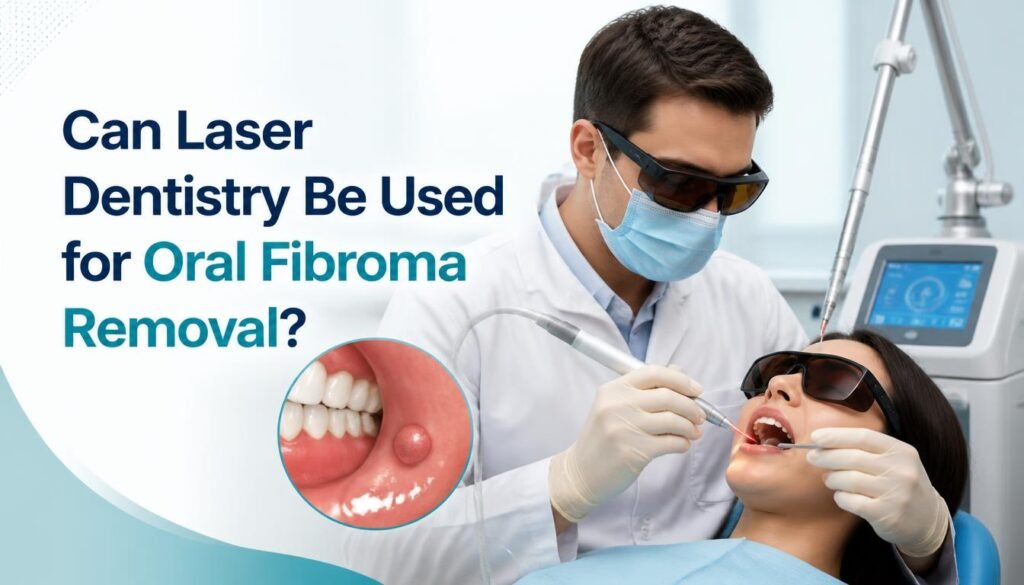
Dental lasers use concentrated light energy to target specific tissues. In appropriate cases, they can help dentists remove selected diseased tissue, manage infected areas and perform certain soft-tissue procedures.
For patients considering laser dentistry near Sector 78 Noida, it is important to understand that laser treatment does not automatically restore gum tissue that has already receded.
If gum recession is associated with active periodontal disease, the first priority is controlling the infection and stabilising gum health.
Depending on the diagnosis, treatment may involve:
- Professional scaling and root planing.
- Laser-assisted periodontal treatment in selected cases.
- Gum surgery.
- Gum grafting for suitable recession defects.
- Regular periodontal maintenance.
Therefore, laser treatment should be recommended based on clinical suitability rather than simply because it uses advanced technology.
How Does Laser Gum Treatment Work?
If your dentist determines that laser-assisted gum treatment is suitable, the procedure generally involves several stages.
Step 1: Initial Dental Examination
The dentist examines your gums, teeth and surrounding tissues to identify the extent of gum recession.
The examination may include measuring periodontal pockets, checking gum bleeding and evaluating supporting bone through dental X-rays when required.
Step 2: Identifying the Underlying Problem
The dentist determines whether gum recession is associated with periodontal disease, brushing habits, thin gum tissue or another dental condition.
This step is essential because different causes require different treatments.
Step 3: Treatment Planning
Based on your dental condition, the dentist explains whether laser treatment, conventional periodontal therapy or another procedure is appropriate.
The treatment plan may also include professional cleaning and oral hygiene recommendations.
Step 4: Laser-Assisted Treatment
When indicated, a suitable dental laser may be used to assist with the treatment of diseased gum tissue or other selected periodontal procedures.
The dentist carefully controls the laser settings and treatment area to avoid unnecessary damage to surrounding healthy tissues.
Some procedures may require local anaesthesia depending on their complexity.
Step 5: Recovery and Follow-Up
After the procedure, patients receive personalised instructions regarding oral hygiene, diet and follow-up appointments.
Regular dental check-ups help monitor gum health and reduce the risk of recurring periodontal problems.
Benefits of Laser Dentistry for Gum Treatment
Laser technology offers several potential advantages for selected dental procedures.
1. Greater Precision
Dental lasers allow dentists to target specific areas during suitable soft-tissue procedures.
This can help limit unnecessary treatment of surrounding tissues.
2. Reduced Bleeding in Selected Procedures
Laser energy can help control bleeding during certain gum procedures, making it easier for the dentist to manage the treatment area.
3. Potentially Improved Treatment Comfort
Some laser procedures may cause less tissue trauma than certain conventional techniques. This may improve comfort for selected patients.
However, laser dentistry is not completely painless in every situation.
4. Reduced Tissue Trauma
When appropriately used, certain laser procedures can be less invasive than some traditional soft-tissue techniques.
5. Suitable for Selected Gum Procedures
Laser technology can assist with certain periodontal treatments, gum reshaping and other soft-tissue procedures.
The benefits depend on the type of laser, the dentist’s expertise and the patient’s dental condition.
Laser Gum Treatment vs Traditional Gum Treatment
Both laser-assisted and conventional dental treatments have important roles in managing gum problems.
| Feature | Laser-Assisted Treatment | Conventional Treatment |
|---|---|---|
| Precision | Targeted treatment in suitable cases | Depends on technique |
| Bleeding | May reduce bleeding in selected procedures | Varies by procedure |
| Comfort | May improve comfort in some cases | Depends on treatment |
| Gum disease management | Selected applications | Established treatment options |
| Gum recession restoration | Does not automatically restore lost tissue | Gum grafting may restore coverage in suitable cases |
| Applicability | Specific procedures | Broad range of gum treatments |
The best treatment is not necessarily the most technologically advanced one. It is the treatment that addresses the underlying dental problem effectively.
Does Laser Dentistry Regrow Receding Gums?
This is one of the most important questions patients ask.
The answer is that laser dentistry does not automatically regrow gums that have already receded.
Laser treatment may help manage selected periodontal conditions, but lost gum tissue generally does not grow back naturally.
For patients with significant gum recession, a dentist may recommend a gum grafting procedure.
During gum grafting, tissue is placed over an exposed tooth root to improve gum coverage and protect the affected area.
The suitability of gum grafting depends on the type and severity of recession, the condition of the surrounding tissues and the patient’s overall oral health.
A professional dental examination is necessary before choosing between laser treatment and gum grafting.
How Much Does Laser Dentistry for Receding Gums Cost Near Sector 78 Noida?
The cost of laser gum treatment in Noida depends on several factors.
There is no fixed price for every patient because gum conditions and treatment requirements vary.
Some factors affecting the overall cost include:
- Severity of gum recession.
- Presence of periodontal disease.
- Number of teeth requiring treatment.
- Type of laser procedure.
- Whether scaling and root planing are required.
- Whether gum surgery or grafting is necessary.
- Diagnostic tests and follow-up appointments.
Patients searching for affordable laser dentistry near Sector 78 Noida should first schedule a consultation to understand their treatment requirements.
The dentist can provide an appropriate cost estimate after examining the gums and identifying the required procedure.
How to Prevent Gum Recession
Although not every case of gum recession can be prevented, maintaining good oral hygiene can reduce several risk factors.
Follow these practical recommendations:
- Brush twice daily using a soft-bristled toothbrush.
- Avoid applying excessive pressure while brushing.
- Floss regularly to remove plaque between teeth.
- Schedule routine dental check-ups.
- Get professional cleaning when recommended.
- Avoid smoking and tobacco products.
- Seek treatment for persistent gum bleeding or swelling.
- Consult your dentist if you grind or clench your teeth.
Taking care of your gums early can help prevent more serious dental complications.
Why Visit The Dental Crowns for Laser Dentistry Near Sector 78 Noida?
Choosing the right dental clinic is an important step when dealing with gum recession or periodontal problems.
The Dental Crowns, located at Civitech Stadia, Sector 79, Noida, provides dental care for patients from Sector 78 and neighbouring residential areas.
The clinic offers laser dentistry alongside other dental treatments, allowing patients to discuss their oral health concerns and available treatment options.
Patients can benefit from:
- Dental consultations and treatment planning.
- Laser dentistry for selected dental procedures.
- Assessment of gum and periodontal problems.
- Guidance on conventional and modern treatment options.
- Personalised recommendations based on dental condition.
Whether you are experiencing bleeding gums, tooth sensitivity or visible gum recession, a professional examination can help identify the cause and determine the appropriate treatment.
Clinic Address: Shop No. 16, 1st Floor, Civitech Stadia, Sector 79, Noida, Uttar Pradesh 201301.
Phone: +91 89202 71787
If you live in Sector 78, Sector 77, Sector 76 or Sector 79 Noida, you can contact The Dental Crowns to discuss your dental concerns and schedule a consultation.
Frequently Asked Questions (FAQs)
1. Can laser dentistry treat receding gums?
Laser dentistry can assist with selected gum and periodontal procedures. However, it does not automatically restore gum tissue that has already receded. Treatment depends on the underlying cause and severity.
2. Is laser gum treatment painful?
Some laser procedures may be more comfortable than certain conventional techniques. However, discomfort varies depending on the procedure, and local anaesthesia may still be necessary.
3. How do I know if I have receding gums?
Common signs include teeth appearing longer, exposed tooth roots, increased sensitivity, visible changes in the gumline and occasional gum bleeding.
4. Can receding gums grow back naturally?
In most cases, lost gum tissue does not grow back naturally. Professional treatments, including gum grafting in suitable cases, may help restore gum coverage.
5. Is laser dentistry better than traditional gum treatment?
Not necessarily. Laser dentistry can provide benefits for selected procedures, but conventional periodontal treatments remain important and effective. Your dentist should recommend the most appropriate approach.
6. What is the difference between laser gum treatment and gum grafting?
Laser gum treatment uses concentrated light energy to assist with selected gum procedures. Gum grafting is a surgical procedure that places tissue over exposed tooth roots to improve gum coverage.
7. Can gum disease cause receding gums?
Yes. Periodontal disease can damage the tissues and bone supporting your teeth, resulting in gum recession and, in advanced cases, loose teeth.
8. How long does laser gum treatment take?
The duration depends on the procedure, the number of teeth involved and the severity of the condition. Your dentist can provide an estimated treatment time after examination.
9. Where can I find laser dentistry near Sector 78 Noida?
Patients from Sector 78 Noida can visit The Dental Crowns at Civitech Stadia, Sector 79, Noida, for dental consultation and information about laser dentistry.
10. When should I visit a dentist for receding gums?
You should consult a dentist if you notice exposed tooth roots, persistent sensitivity, bleeding gums, swelling or teeth appearing longer. Early assessment can help prevent further damage.
Conclusion
Gum recession should not be ignored, particularly when it is accompanied by bleeding, sensitivity or other signs of periodontal disease.
Laser dentistry for receding gums near Sector 78 Noida can be a useful option for selected gum procedures, but the right treatment depends on the cause and extent of the condition.
Whether you require periodontal cleaning, laser-assisted treatment or gum grafting, an accurate diagnosis is the first step towards maintaining healthy gums.
If you are experiencing gum-related problems, consult The Dental Crowns in Sector 79, Noida, to understand your treatment options and take the next step towards better oral health.
Book your dental consultation today.
Call: +91 89202 71787
Website: https://thedentalcrowns.in/