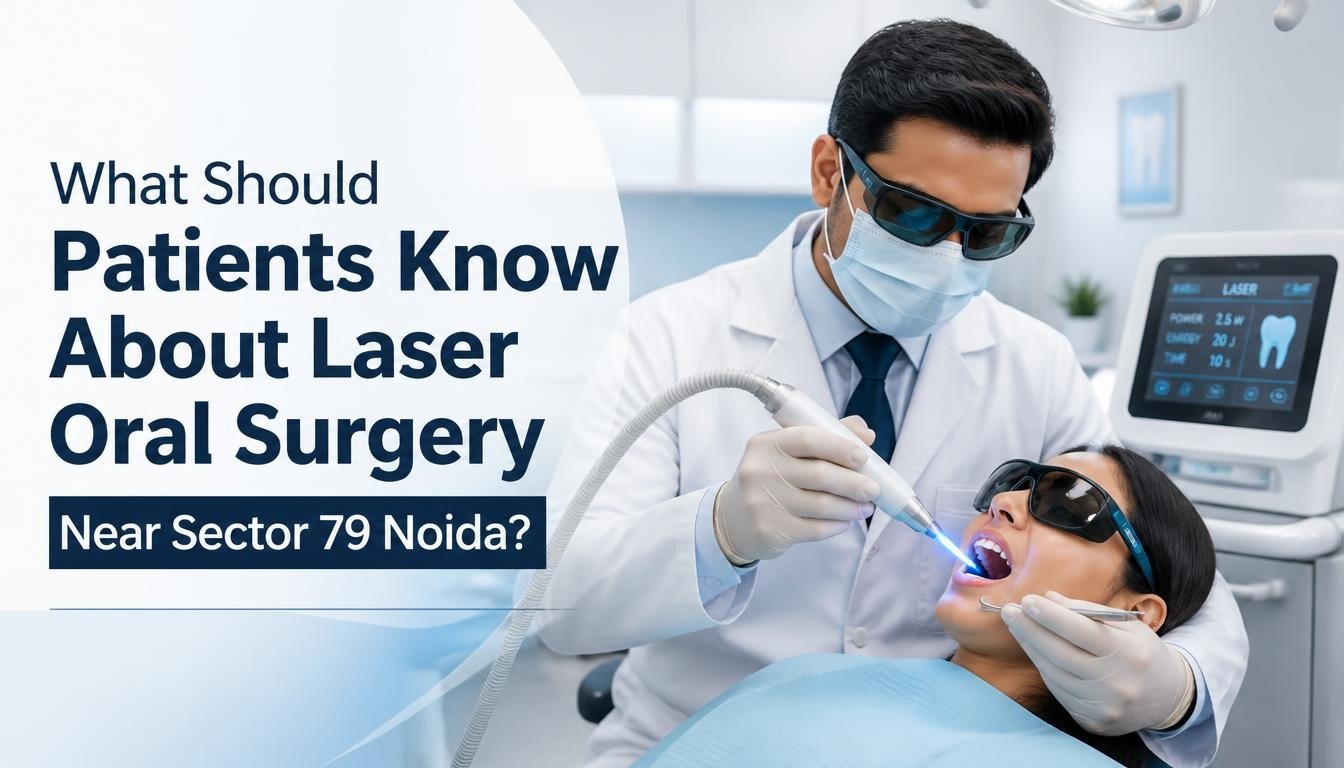
Oral health problems such as gum infections, damaged soft tissues, dental lesions and certain complex dental conditions may sometimes require surgical treatment. However, many patients feel anxious about oral surgery because they are concerned about pain, bleeding, recovery time and discomfort during the procedure.
With advancements in modern dentistry, laser technology has become an additional treatment option for selected dental and oral surgical procedures. Patients looking for laser oral surgery near Sector 79 Noida can benefit from understanding how this technology works, which procedures may involve dental lasers and what to expect before and after treatment.
Laser dentistry uses concentrated light energy to treat specific areas of the mouth. Depending on the type of laser and the dental condition, it may help dentists perform selected procedures involving gum tissues, oral soft tissues and certain dental structures.
If you are considering laser dental treatment, knowing its applications, benefits and limitations can help you make an informed decision.
What Is Laser Oral Surgery?
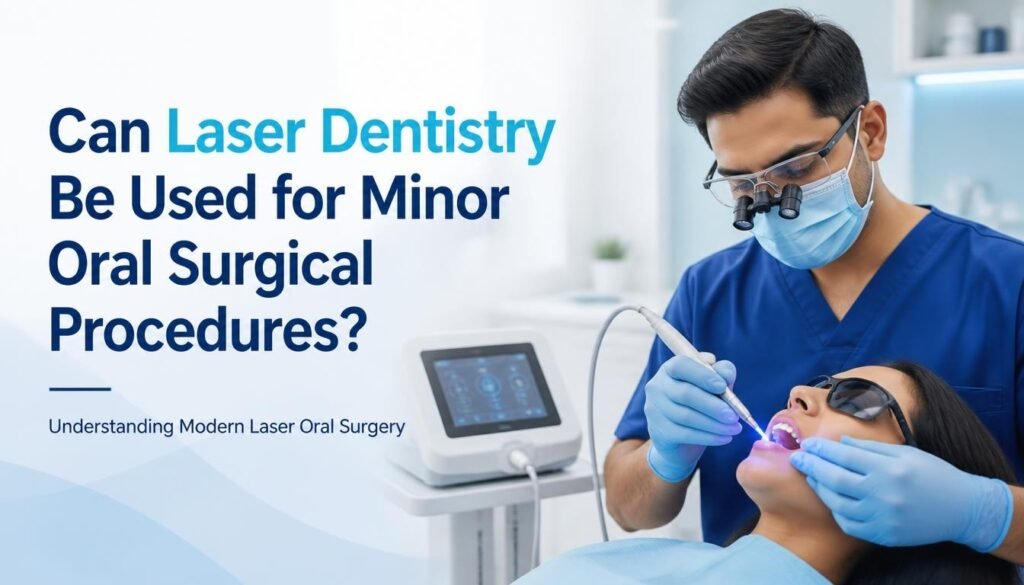
Laser oral surgery involves using focused light energy during selected surgical procedures involving the mouth, gums and surrounding oral tissues.
Unlike conventional surgical instruments that physically cut or remove tissue, dental lasers use concentrated light energy to interact with the targeted area. Different laser systems are designed for different purposes, including soft-tissue and hard-tissue applications.
Dentists may use laser technology for certain procedures, such as:
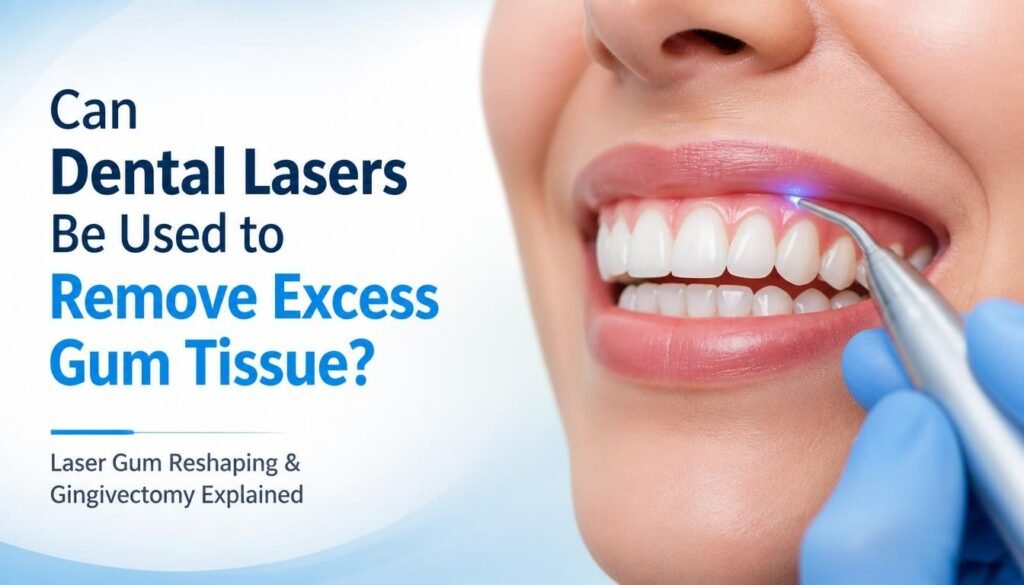
- Gum tissue reshaping and contouring.
- Treatment of selected gum-related conditions.
- Frenectomy (removal or release of restrictive oral tissue).
- Removal of certain soft-tissue lesions.
- Selected periodontal procedures.
- Supporting disinfection during certain root canal procedures.
It is important to understand that laser technology does not replace every traditional dental instrument. The dentist determines whether laser-assisted treatment or a conventional surgical approach is more appropriate for the patient’s condition.
How Does Laser Oral Surgery Work?
Laser oral surgery works by directing a concentrated beam of light energy towards a specific treatment area.
The laser interacts with the targeted tissue, allowing the dentist to perform a particular procedure with controlled energy delivery.
The treatment process generally involves the following steps:
1. Initial Dental Examination
The dentist examines your teeth, gums and oral tissues to understand the underlying problem. Your medical and dental history is also considered.
2. Diagnosis and Treatment Planning
Depending on your condition, the dentist may recommend dental X-rays or other diagnostic investigations. These help determine the extent of the problem and the most suitable treatment approach.
3. Preparation Before the Procedure
The treatment area is prepared according to the procedure. Local anaesthesia may be administered when required.
Protective eyewear is also important during laser treatment because dental lasers can pose eye-injury risks without appropriate precautions.
4. Laser-Assisted Treatment
The dentist uses an appropriate laser system to perform the planned procedure. The type of laser, settings and treatment duration depend on the condition being treated.
5. Post-Treatment Instructions
After the procedure, the dentist provides instructions regarding oral hygiene, eating habits, medication (if prescribed) and follow-up appointments.
What Are the Benefits of Laser Oral Surgery?
Laser technology offers several potential advantages in selected dental procedures. However, the actual benefits depend on the type of treatment, the patient’s oral health and the dentist’s clinical assessment.
Here are some potential benefits patients should understand.
1. Greater Precision in Selected Procedures
Dental lasers can target specific tissues, helping dentists work on the intended treatment area while limiting unnecessary interaction with surrounding tissues.
This can be particularly useful during certain soft-tissue procedures.
2. Reduced Bleeding in Certain Treatments
Some dental lasers can help control bleeding by sealing small blood vessels during selected soft-tissue procedures.
This may make certain gum-related procedures more comfortable and easier to manage.
3. Potentially Less Postoperative Discomfort
Some patients may experience less discomfort after selected laser-assisted procedures compared with certain conventional techniques.
However, this is not guaranteed. Pain and sensitivity depend on the nature and extent of the procedure.
4. Minimally Invasive Treatment Options
For appropriate conditions, laser technology may allow dentists to perform certain procedures with less tissue disruption.
The treatment approach should always be selected according to the patient’s diagnosis rather than simply choosing laser technology because it is newer.
5. Potentially Faster Recovery
Some laser-assisted procedures may involve less tissue trauma, which can contribute to a smoother recovery.
Nevertheless, healing time varies from person to person. The size of the treated area, underlying infection and individual health factors can influence recovery.
Which Dental Conditions May Be Treated Using Laser Technology?
One of the most common questions patients ask is whether lasers can treat every dental problem.
The answer is no. Dental lasers are useful for selected procedures, but their applications depend on the laser system and the condition being treated.
Some possible applications include:
Laser Gum Surgery
A dentist may consider laser-assisted treatment for specific periodontal conditions after evaluating gum health and the severity of the problem.
Laser Frenectomy
A frenectomy involves releasing or removing a restrictive tissue attachment, such as the tissue connecting the upper lip to the gums or the underside of the tongue.
In suitable cases, laser technology can be used for this procedure.
Treatment of Selected Oral Lesions
Certain benign soft-tissue lesions or abnormal tissue growths may require removal or further investigation.
Laser technology can be used in selected cases, but any suspicious oral lesion should receive appropriate clinical evaluation and diagnosis. A tissue biopsy may still be necessary.
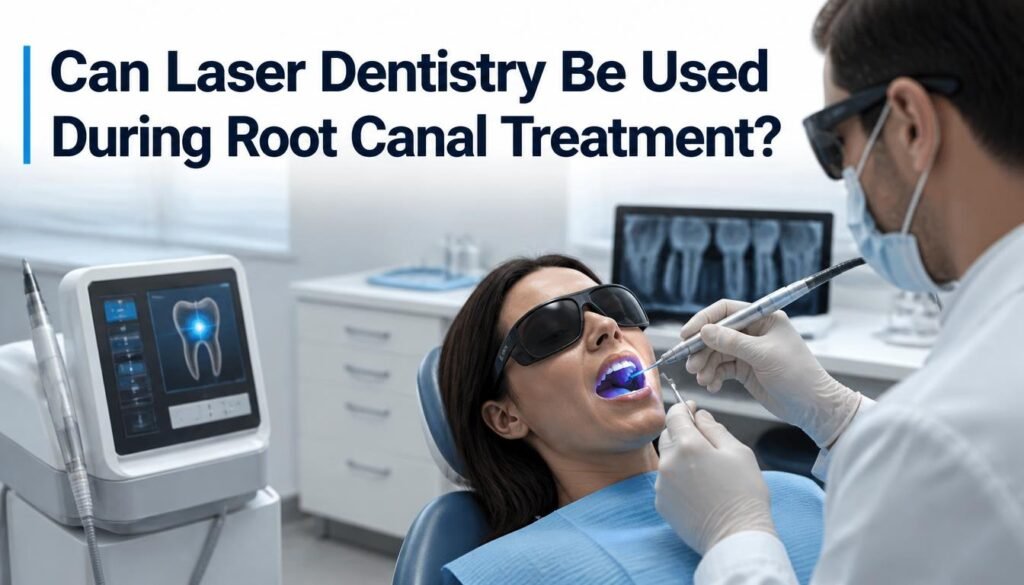
Laser-Assisted Root Canal Treatment
Some dental laser systems may help with additional disinfection during root canal procedures.
However, lasers do not automatically replace conventional root canal cleaning, shaping and sealing techniques.
Patients experiencing severe toothache or infection should seek an appropriate dental examination rather than delaying treatment.
Is Laser Oral Surgery Better Than Traditional Oral Surgery?
Laser oral surgery is not automatically better than conventional surgery. Both approaches have specific applications, advantages and limitations.
The most suitable method depends on the patient’s dental condition and the procedure being performed.
Consider the following comparison:
| Factor | Laser-assisted surgery | Conventional surgery |
|---|---|---|
| Treatment method | Focused light energy | Conventional surgical instruments |
| Precision | Useful for selected targeted procedures | Depends on surgical technique |
| Bleeding | May reduce bleeding in some soft-tissue procedures | Bleeding varies by procedure |
| Discomfort | May reduce discomfort in selected cases | Depends on the procedure |
| Healing | May support recovery in selected cases | Depends on the extent of surgery |
| Applications | Specific soft- and hard-tissue procedures | Broad range of surgical procedures |
The important thing is not whether a procedure uses a laser or conventional instruments. What matters most is accurate diagnosis, appropriate treatment selection and the experience of the dental professional.
Is Laser Oral Surgery Safe?
Laser oral surgery can be performed safely when appropriate equipment, settings, clinical training and safety protocols are followed.
However, like every medical or dental procedure, it has potential risks.
Possible concerns include:
- Temporary soreness or sensitivity.
- Swelling or discomfort.
- Bleeding in certain procedures.
- Injury to surrounding tissues if the laser is used incorrectly.
- Delayed healing or infection in some cases.
Protective eyewear, appropriate equipment maintenance and proper clinical protocols are important parts of laser safety.
Patients should always discuss their medical history, existing medications, allergies and concerns with their dentist before treatment.
What Should Patients Expect During Recovery?
Recovery after laser oral surgery depends on the specific procedure performed.
Some minor soft-tissue treatments may have a relatively short recovery period, while more extensive oral surgical procedures can require additional healing time.
Patients should follow their dentist’s individual instructions. General recovery recommendations may include:
- Avoid touching or irritating the treated area.
- Eat soft foods if recommended by your dentist.
- Avoid very hot, hard or spicy foods when they may irritate the treatment site.
- Maintain oral hygiene according to the instructions provided.
- Avoid smoking and tobacco during healing.
- Take prescribed medications only as directed.
- Attend scheduled follow-up appointments.
If you notice increasing pain, excessive bleeding, worsening swelling, fever or other unusual symptoms, contact your dental professional promptly.
For additional guidance, read our related article: Laser Dentistry Aftercare: What Patients Near Sector 79 Noida Should Remember.
How Much Does Laser Oral Surgery Cost Near Sector 79 Noida?
The cost of laser oral surgery in Noida varies depending on the procedure, complexity of the condition, technology used and the number of treatment sessions required.
For example, a minor soft-tissue procedure may involve a different treatment cost compared with more extensive gum surgery.
Factors that can influence the total cost include:
- Type of dental laser procedure.
- Severity of the dental or gum condition.
- Diagnostic tests and investigations.
- Experience and expertise of the treating dentist.
- Number of appointments required.
- Additional treatments needed alongside laser surgery.
Patients should request a personalised treatment estimate after a dental examination instead of relying on a general online price.
How to Choose the Right Dental Clinic for Laser Oral Surgery Near Sector 79 Noida?
Choosing a dental clinic is an important decision, particularly when surgical treatment is involved.
Before selecting a clinic, consider these factors:
Check the Dentist’s Qualifications
Ask about the dentist’s qualifications, clinical experience and training relevant to the proposed surgical procedure.
Understand the Technology Being Used
Different dental lasers have different applications. Ask which type of laser will be used and why it is suitable for your condition.
Ask About Treatment Alternatives
A responsible dental professional should explain whether laser-assisted treatment, conventional surgery or another approach is more appropriate.
Review Safety and Sterilisation Practices
The clinic should follow appropriate infection-control, equipment-maintenance and laser-safety protocols.
Discuss Recovery and Follow-Up Care
Before starting treatment, understand the expected recovery period, possible complications and follow-up requirements.
Why Consider The Dental Crowns for Laser Dentistry Near Sector 79 Noida?
Patients searching for advanced dental treatment near Sector 79 Noida often look for a clinic that offers appropriate technology, professional guidance and personalised dental care.
The Dental Crowns is located at Civitech Stadia, Sector 79, Noida, Uttar Pradesh.
The clinic offers a range of dental services, including:
- Laser Dentistry.
- Dental Implants.
- Root Canal Treatment.
- Dental Crowns and Bridges.
- Wisdom Tooth Extraction.
- Cosmetic Dentistry.
- General Dental Care.
The clinic focuses on patient-centred dental care, treatment planning and providing guidance according to individual oral health requirements.
Patients should undergo a consultation to determine whether laser-assisted treatment is suitable for their specific condition.
You can also explore The Dental Crowns’ dental services to learn more about available treatment options.
Frequently Asked Questions About Laser Oral Surgery Near Sector 79 Noida
1. Is laser oral surgery painful?
Some laser-assisted procedures may involve less discomfort than certain conventional techniques. However, pain levels vary according to the treatment, the affected area and individual sensitivity. Local anaesthesia may be used when necessary.
2. Is laser dentistry suitable for everyone?
No. Laser dentistry is suitable for selected dental conditions. A dentist must examine the patient and determine whether laser treatment is appropriate.
3. Can laser technology be used for gum surgery?
Yes. Dental lasers may be used for selected gum-related procedures, including certain soft-tissue and periodontal treatments. The suitability depends on the condition and treatment goals.
4. Does laser oral surgery require stitches?
Not always. Some minor laser-assisted soft-tissue procedures may not require stitches, but the requirement depends on the type and extent of surgery.
5. How long does laser oral surgery take?
Treatment duration varies according to the procedure, the affected area and the complexity of the condition. Some minor treatments may take less time than extensive surgical procedures.
6. Is laser oral surgery better than traditional surgery?
Not necessarily. Laser technology offers advantages in selected procedures, but conventional surgical instruments remain essential for many dental treatments. The appropriate method depends on the diagnosis.
7. Can laser dentistry treat infected gums?
Laser technology may be used as part of selected periodontal treatments. However, gum infections require proper diagnosis and a treatment plan that addresses the underlying cause.
8. How long does it take to recover from laser gum surgery?
Recovery depends on the extent of treatment and individual healing. Your dentist can provide a more accurate recovery estimate after examining your gums.
9. Is laser-assisted root canal treatment possible?
Yes. Certain laser systems may be used as an additional method for disinfection during root canal treatment. They do not necessarily replace conventional root canal procedures.
10. Where can I find laser dentistry near Sector 79 Noida?
The Dental Crowns is located at Shop No. 16, First Floor, Civitech Stadia, Sector 79, Noida, Uttar Pradesh 201301. The clinic lists laser dentistry among its dental services.
Final Thoughts
Laser oral surgery represents an additional advancement in modern dentistry, offering useful treatment options for selected gum, soft-tissue and other oral conditions.
However, the success of any dental procedure depends on proper diagnosis, suitable treatment planning, clinical expertise and appropriate aftercare.
If you are experiencing gum problems, oral tissue concerns or another dental condition, do not delay professional evaluation.
For patients searching for laser oral surgery near Sector 79 Noida, The Dental Crowns offers a range of dental services, including laser dentistry, at its Civitech Stadia location.
Schedule a dental consultation to understand your treatment options and determine whether laser-assisted dentistry is right for your oral health needs.
The Dental Crowns
Address: Shop No. 16, 1st Floor, Civitech Stadia, Sector 79, Noida, Uttar Pradesh 201301.
Phone: +91 89202 71787.
Website: https://thedentalcrowns.in/