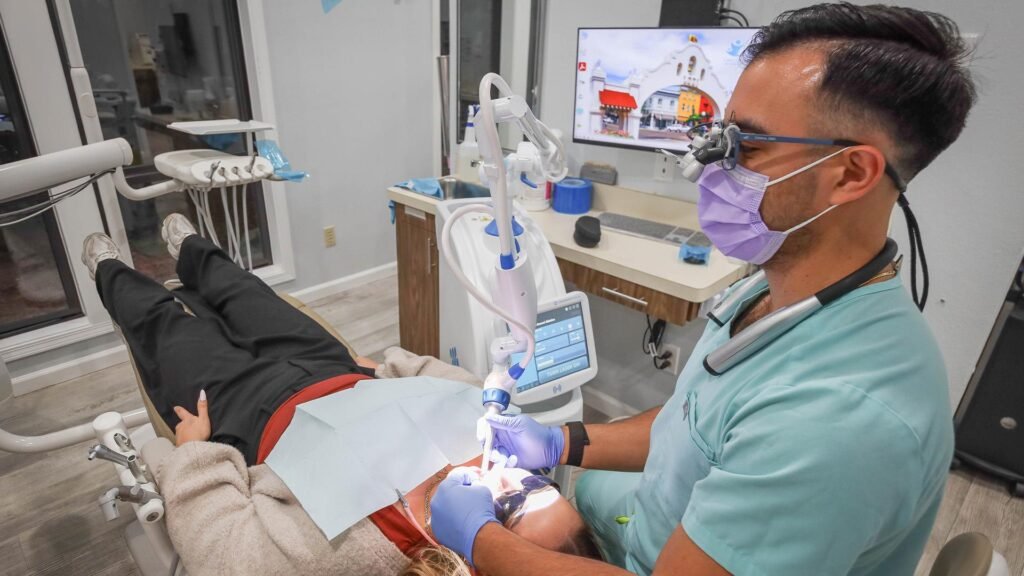
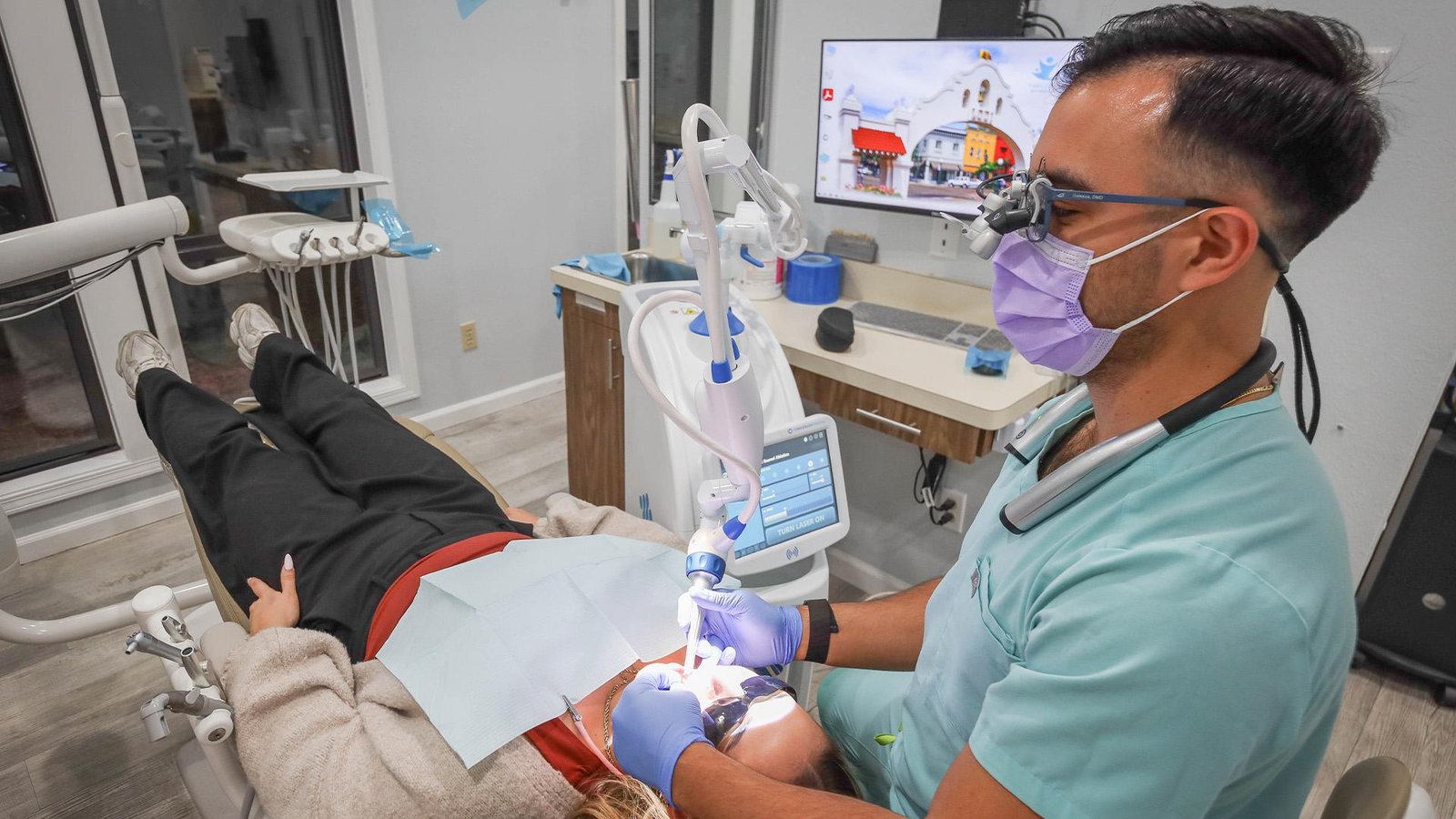
If you have recently undergone laser dentistry near Sector 79 Noida, proper aftercare can help you stay comfortable and support normal recovery. Although laser dentistry can be used for selected dental procedures involving the gums, teeth and other oral tissues, aftercare depends on the specific treatment performed, the area treated and your dentist’s instructions.
Patients searching for laser dentistry in Sector 79 Noida often want to know what they should eat, how they should brush, whether they can return to work, and which symptoms require a dental check-up.
This guide explains the general laser dentistry aftercare steps patients should know after treatment.
Important: Laser dentistry is not one single procedure. Your dentist may use different types of lasers for different clinical applications. Therefore, your personalised post-treatment instructions should always take priority over general advice.
What Is Laser Dentistry?
Laser dentistry uses concentrated light energy for selected dental procedures. Depending on the laser and the condition being treated, it may be used for certain gum procedures, soft-tissue treatments, selected cavity procedures, root canal-related applications and other dental treatments.
At The Dental Crowns in Sector 79, Noida, Laser Dentistry is listed as one of the clinic’s surgical dental services alongside dental implants and other treatments.
If you are researching treatment options before your appointment, you can learn more about the clinic’s Laser Dentistry service.
Why Is Laser Dentistry Aftercare Important?
Aftercare gives the treated tissues an opportunity to recover and helps you identify anything that may require professional attention.
The American Dental Association notes that patients should understand their role and responsibilities in post-treatment care and that written post-procedure instructions may be appropriate after certain dental procedures.
Your recovery may vary depending on:
- The type of laser used
- Whether gum, tooth or soft tissue was treated
- The extent of the procedure
- Whether conventional dental treatment was performed at the same appointment
- Your individual oral-health condition
- Your dentist’s treatment protocol
For this reason, there is no single aftercare routine that applies to every laser dental procedure.
10 Laser Dentistry Aftercare Tips for Patients
1. Follow Your Dentist’s Instructions First
The most important rule after laser dental treatment is to follow the instructions provided by your dentist.
Your dentist knows which tissue was treated, what type of procedure was performed and whether additional treatment was completed during the appointment.
Do not replace personalised instructions with generic advice found online.
If your dentist has recommended a particular mouth rinse, medication, brushing technique or follow-up appointment, follow those directions carefully.
2. Be Careful With Food Immediately After Treatment
Your dentist may recommend avoiding food or drinks for a specific period depending on the procedure and whether local anaesthesia was used.
If your mouth is numb, be especially careful. Eating while numb can accidentally cause you to bite your cheek, lip or tongue.
Once you are permitted to eat, softer foods may be more comfortable if the treated area feels sensitive.
Depending on your procedure, you may choose foods such as:
- Soft rice
- Khichdi
- Dal
- Yogurt
- Soft vegetables
- Eggs
- Oatmeal
- Smooth soups that are not extremely hot
- Other foods recommended by your dentist
Avoid unnecessarily irritating the treated area.
3. Avoid Extremely Hot or Spicy Foods if the Area Feels Sensitive
Some patients may experience temporary sensitivity after dental treatment.
If your mouth feels tender, very hot, spicy, acidic or hard foods may be uncomfortable.
Choose foods at a comfortable temperature and avoid repeatedly irritating the treated area.
The exact dietary restrictions, if any, depend on the procedure you received.
4. Maintain Oral Hygiene—But Be Gentle
Maintaining good oral hygiene remains important after dental treatment.
The American Dental Association recommends brushing twice daily with fluoride toothpaste as part of general oral care, while also noting that oral-care recommendations may need to be personalised according to the patient’s needs.
After laser dentistry, ask your dentist whether you should:
- Brush normally around the treated area
- Use a softer toothbrush temporarily
- Avoid directly brushing a particular site
- Use a prescribed mouth rinse
- Modify flossing around the treated area
Do not aggressively brush or scrub a recently treated area unless your dentist specifically tells you to do so.
5. Do Not Smoke or Use Tobacco During Recovery
Smoking and tobacco use can interfere with oral healing and may increase the risk of complications after some dental procedures.
If your dentist has instructed you to avoid smoking or tobacco during recovery, follow that recommendation carefully.
Even when a patient feels comfortable shortly after treatment, the treated tissues may still be recovering.
6. Avoid Touching or Picking the Treated Area
It can be tempting to examine the treated area with your finger or repeatedly touch it with your tongue.
Try to leave the area alone.
Repeated touching can irritate healing tissues and make it more difficult for the area to recover comfortably.
If something feels unusual, contact your dentist instead of trying to remove or manipulate the area yourself.
7. Take Medication Only as Directed
Some dental procedures may involve medication for pain, inflammation or infection management.
Take prescribed medicines exactly as instructed by your dentist.
Do not increase the dosage because you are experiencing discomfort, and do not take someone else’s prescription.
The American Dental Association maintains evidence-based guidance on managing acute dental pain, but medication choices should be individualised according to the patient’s circumstances and the procedure performed.
8. Give Your Mouth Time to Recover
You may feel ready to return to your normal routine quickly, but recovery depends on the procedure.
For a minor soft-tissue procedure, normal activities may resume relatively quickly. More extensive dental treatment may require additional precautions.
Ask your dentist:
- When can I return to work?
- Can I exercise today?
- When can I resume my normal diet?
- When can I brush normally?
- Do I need a follow-up appointment?
- Are there activities I should temporarily avoid?
Following personalised instructions is more important than comparing your recovery with another patient’s experience.
9. Attend Your Follow-Up Appointment
Do not skip a recommended follow-up appointment simply because you feel fine.
A follow-up allows your dentist to evaluate healing and determine whether any additional treatment or oral-care changes are necessary.
The ADA specifically highlights follow-up communication and post-treatment care as important parts of managing patients after dental procedures.
10. Watch for Symptoms That Need Professional Attention
Some temporary sensitivity or discomfort may occur after dental treatment. However, persistent, worsening or unusual symptoms should be discussed with your dentist.
Contact your dental clinic if you experience:
- Increasing pain rather than gradual improvement
- Significant or persistent swelling
- Unusual bleeding
- Fever
- Pus or discharge
- Difficulty swallowing
- Difficulty breathing
- A worsening bad taste or odour
- Symptoms that concern you after treatment
Difficulty breathing or severe difficulty swallowing should be treated as an urgent medical concern.
Can I Brush My Teeth After Laser Dentistry?
In many situations, maintaining oral hygiene remains important, but how you clean the treated area depends on the procedure.
Do not assume that aggressive brushing will clean the treatment site better.
Your dentist may recommend temporarily modifying your brushing or flossing technique around the treated area.
If you are unsure, ask your dentist:
“Should I brush directly over the area treated with the laser?”
That simple question can help you avoid accidentally irritating the treated tissue.
What Can I Eat After Laser Dental Treatment?
There is no universal laser-dentistry diet because different procedures affect different tissues.
If your dentist has not given you specific dietary restrictions and you are permitted to eat, comfortable foods may include:
- Soft rice and dal
- Khichdi
- Yogurt
- Eggs
- Oatmeal
- Soft cooked vegetables
- Pasta
- Soft fruits
- Lukewarm soups
Avoid foods that are excessively hard, sharp, extremely hot or irritating if they cause discomfort.
If you received treatment involving a particular tooth, gum area or surgical site, ask your dentist whether you need additional dietary precautions.
How Long Does Laser Dentistry Recovery Take?
Recovery time varies.
A small soft-tissue procedure may have a different recovery pattern from laser-assisted periodontal treatment or laser use as part of root canal treatment.
This is why it is better to ask your dentist for a procedure-specific recovery estimate rather than relying on a fixed number of days.
Research into laser applications in dentistry covers different technologies and treatment protocols, and the benefits and recovery experience can vary according to the clinical application.
Is Mild Pain Normal After Laser Dentistry?
Some discomfort can occur after dental treatment, but the amount varies significantly between patients and procedures.
Laser treatment should not automatically be described as completely painless.
For example, research examining laser applications during endodontic treatment has found mixed results depending on the laser modality and treatment protocol, highlighting why patient expectations should be based on the specific procedure rather than the word “laser” alone.
If pain becomes severe, persists longer than expected or gets worse instead of improving, contact your dentist.
When Should You Contact a Dentist After Laser Treatment?
You should contact your dental clinic if you are concerned about your recovery or notice symptoms that are unusual for your procedure.
Seek professional advice particularly if you develop:
Severe or Increasing Pain
Pain that is becoming progressively worse should be evaluated.
Persistent Swelling
Swelling that is significant or worsening should be reported to your dentist.
Unusual Bleeding
If bleeding does not settle according to the instructions provided by your dentist, contact the clinic.
Fever or Signs of Infection
Fever, pus, worsening swelling or other infection-related symptoms should not be ignored.
Difficulty Swallowing or Breathing
These symptoms require urgent medical attention.
Laser Dentistry Aftercare: What Patients Near Sector 79 Noida Should Remember
If you are searching for laser dentistry near Sector 79 Noida, remember that aftercare is not simply about what you should eat or whether you can brush your teeth.
The most important steps are:
- Follow your dentist’s personalised instructions.
- Protect the treated area from unnecessary irritation.
- Maintain oral hygiene as instructed.
- Avoid smoking and tobacco during recovery.
- Take prescribed medication only as directed.
- Attend your recommended follow-up.
- Contact your dentist if symptoms worsen or seem unusual.
Patients in nearby areas such as Sector 74, Sector 75, Sector 76, Sector 77 and Sector 78 Noida can also consider Sector 79 when looking for dental treatment and follow-up care.
The Dental Crowns is located at Shop No. 16, 1st Floor, Civitech Stadia, Sector 79, Noida, Uttar Pradesh 201301. The clinic lists Laser Dentistry, Painless Root Canal Treatment, Dental Implants and other dental services.
You can explore the clinic’s complete dental services before scheduling a consultation.
Frequently Asked Questions
1. What should I avoid after laser dentistry?
Avoid anything your dentist has specifically restricted after your procedure. Depending on the treatment, this may include smoking, tobacco, very hot foods, hard foods or irritating the treated area.
2. Can I eat normally after laser dentistry?
It depends on the procedure and whether your mouth is numb. Your dentist will tell you when you can eat and whether you need temporary dietary modifications.
3. Can I brush after laser dental treatment?
Usually, oral hygiene remains important, but you may need to modify how you clean the treated area. Follow your dentist’s instructions.
4. Is laser dentistry completely painless?
No dental procedure can be guaranteed to be completely painless for every patient. Comfort varies according to the procedure, treatment area and individual sensitivity.
5. How long does laser dentistry take to heal?
Recovery varies according to the procedure performed. Ask your dentist for a procedure-specific recovery timeline.
6. Can I smoke after laser dentistry?
It is generally sensible to avoid tobacco during oral healing, particularly when your dentist has specifically advised you to do so.
7. Should I attend a follow-up after laser dentistry?
If your dentist recommends a follow-up, you should attend it even if you feel comfortable.
8. Can laser dentistry be used for root canal treatment?
Laser technology may be used as an adjunct to selected root canal procedures, including applications involving disinfection. It does not necessarily replace the conventional steps of root canal treatment.
9. Where can I get laser dentistry near Sector 79 Noida?
The Dental Crowns lists Laser Dentistry among its services and is located at Civitech Stadia, Sector 79, Noida. Patients should first undergo a dental evaluation to determine whether laser treatment is appropriate for their condition.
Final Takeaway
Good laser dentistry aftercare starts with understanding that every procedure is different.
If you have undergone laser treatment near Sector 79 Noida, follow the instructions provided by your dentist, maintain appropriate oral hygiene, protect the treated area and monitor your recovery.
If pain, swelling or other symptoms become severe or progressively worse, contact your dental professional rather than attempting to manage the problem yourself.
For patients looking for laser dentistry in Sector 79 Noida, The Dental Crowns provides laser dentistry along with root canal treatment, dental implants, dental crowns and other dental services.
The Dental Crowns
Shop No. 16, 1st Floor, Civitech Stadia
Sector 79, Noida, Uttar Pradesh – 201301
Phone: +91 89202 71787