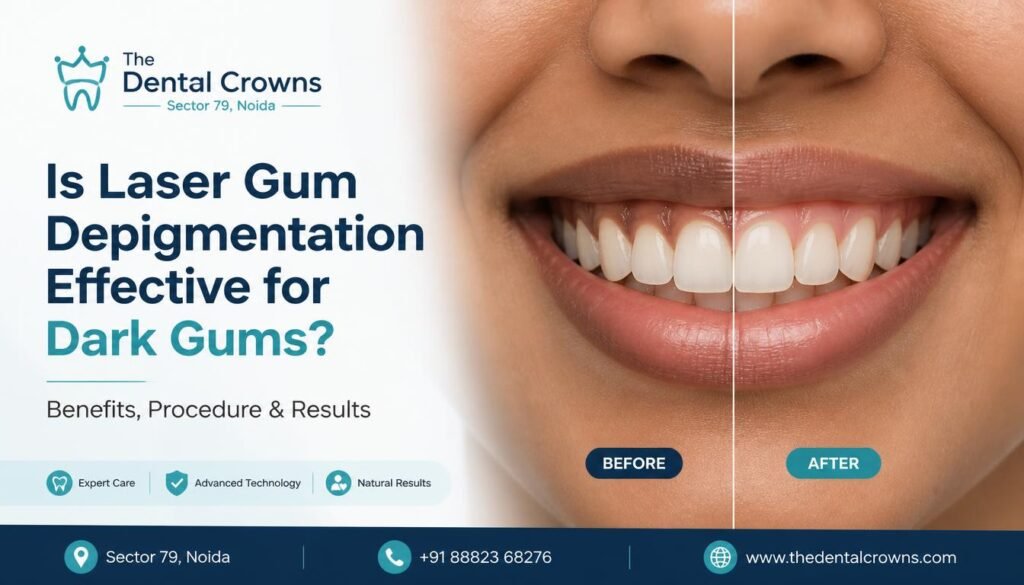
Laser dentistry has become an increasingly popular option for patients looking for precise and minimally invasive dental treatment. Dental lasers may be used for selected procedures involving the gums, teeth, root canal disinfection, soft tissues and other oral conditions.
But one question many patients ask before choosing this technology is: What are the side effects of laser dentistry?
The answer depends on the type of laser, the dental procedure being performed, the treatment area and the patient’s individual oral health. Although laser dentistry can offer advantages such as precision, reduced bleeding and potentially greater comfort for selected procedures, it is not completely risk-free.
Understanding the possible side effects and knowing what is normal after treatment can help you make a more informed decision.
What Is Laser Dentistry?
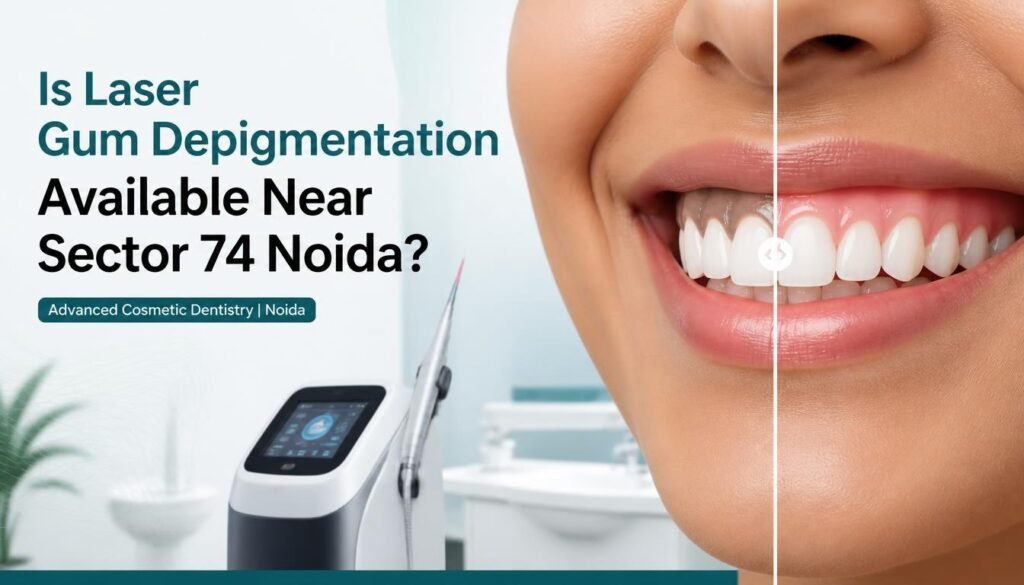
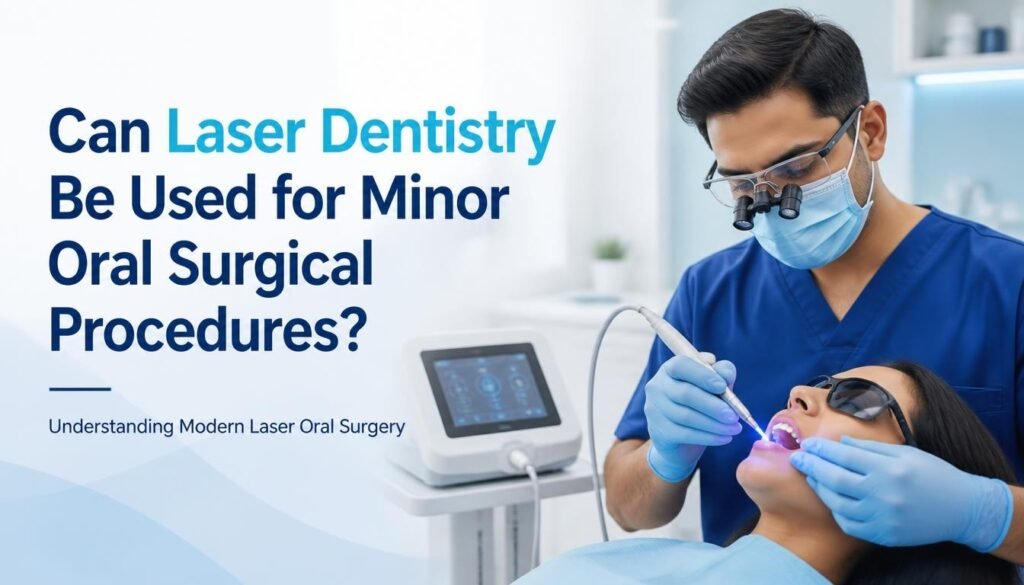
Laser dentistry uses concentrated light energy to treat or modify selected tissues inside the mouth. Depending on the laser and procedure, dentists may use lasers on soft tissues such as gums or for selected hard-tissue and therapeutic applications.
Dental lasers can be used for procedures such as:
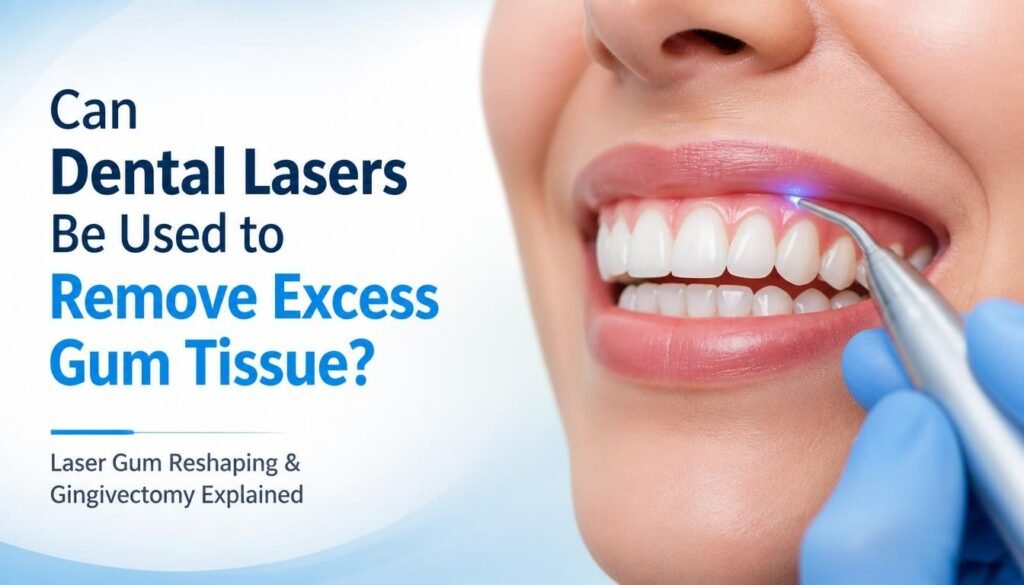
- Gum treatment and reshaping
- Selected cavity treatments
- Root canal disinfection
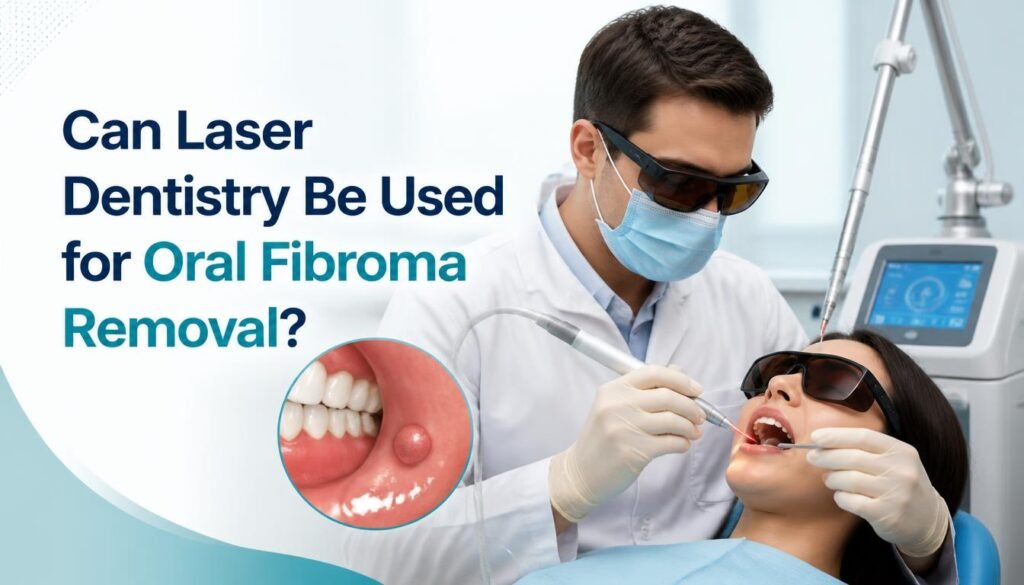
- Treatment of certain soft-tissue conditions
- Frenectomy procedures
- Management of tooth sensitivity in selected cases
- Certain cosmetic dental procedures
Laser dentistry does not necessarily mean that conventional dental instruments are completely eliminated. In many cases, laser technology is used alongside traditional dental techniques.
If you want to understand how laser treatment is used at The Dental Crowns, you can explore our Laser Dentistry service.
What Are the Side Effects of Laser Dentistry?
For appropriate procedures performed by a trained dental professional, serious complications are uncommon. However, patients can experience temporary side effects depending on the procedure.
1. Temporary Gum Sensitivity
Some patients may notice increased sensitivity in the gums or treated area after a laser procedure.
This can happen because the treatment may temporarily irritate or stimulate the tissues being treated. Sensitivity is generally related to the specific procedure rather than laser dentistry as a whole.
Your dentist may recommend specific aftercare depending on the treatment performed.
2. Mild Swelling
Mild swelling can occur after procedures involving the gums or other soft tissues.
Swelling is part of the body’s normal response to treatment and may gradually improve as the area heals.
If swelling continues to increase, becomes severe or is accompanied by significant pain, fever or discharge, contact your dentist.
3. Temporary Discomfort
Although laser dentistry is often promoted as a comfortable alternative for certain procedures, laser treatment does not guarantee a completely pain-free experience.
The level of discomfort can depend on:
- The type of procedure
- The location being treated
- The severity of the dental problem
- Existing inflammation or infection
- Individual pain sensitivity
- Type and settings of the laser
Some procedures may require little or no local anesthesia, while others may still require anesthesia.
4. Tissue Irritation
Laser energy is precisely controlled, but incorrect settings or technique can potentially cause unwanted thermal or tissue injury.
This is why dental laser treatment should be performed by an appropriately trained dental professional using suitable equipment and settings.
The goal is to treat the intended area while protecting surrounding tissues.
5. Temporary Changes in Sensitivity
Patients undergoing certain dental laser procedures may experience temporary changes in tooth or gum sensitivity.
For example, if treatment involves areas close to sensitive tooth structures or inflamed gums, the treated area may feel different for a short period.
Your dentist can determine whether the sensitivity is a normal part of healing or requires further evaluation.
6. Bleeding or Minor Bleeding
One potential advantage of some soft-tissue laser procedures is reduced bleeding compared with certain conventional techniques. However, laser dentistry does not mean that bleeding is impossible.
Minor bleeding may occur depending on the type of procedure and the tissues involved.
If bleeding is persistent or difficult to control after treatment, contact your dental clinic for advice.
7. Infection Is Still Possible
Laser treatment may help reduce bacteria in certain dental procedures, but it does not make infection impossible.
The risk depends on the underlying dental condition, the procedure, oral hygiene and aftercare.
Patients should follow all post-treatment instructions provided by their dentist.
If you develop worsening pain, significant swelling, fever, pus or a persistent unpleasant taste after treatment, seek professional dental evaluation.
8. Heat-Related Tissue Damage
Dental lasers work by delivering concentrated energy. Because energy can generate heat, inappropriate laser settings or technique can potentially damage tissue.
This is one reason why laser dentistry requires proper training and treatment planning.
Patients should not choose a dental clinic simply because it advertises the latest laser technology. The dentist’s training, diagnosis and treatment plan are equally important.
Is Laser Dentistry Safe?
Laser dentistry can be safe when the appropriate laser, settings and clinical technique are used for the right dental procedure.
However, safe does not mean risk-free.
The American Dental Association discusses safety considerations surrounding light-based dental technologies, including the importance of appropriate eye protection and controlling exposure. Professional laser procedures similarly require suitable safety protocols.
Research also continues to evaluate where laser-assisted procedures provide meaningful advantages over conventional dental techniques.
This means the most important question is not simply:
“Is laser dentistry safe?”
A better question is:
“Is laser dentistry appropriate and beneficial for my particular dental problem?”
Your dentist can answer this after examining your teeth and gums.
Who May Not Be an Ideal Candidate for Laser Dentistry?
Laser dentistry is not a single treatment. Different lasers are used for different purposes, so suitability depends on the procedure.
A dentist may recommend another treatment approach if:
- The dental problem cannot be effectively treated with the available laser
- Conventional treatment provides a better clinical outcome
- The condition requires a procedure for which laser treatment is not appropriate
- The patient has an underlying condition that needs special consideration
- The required treatment involves areas or tissues not suitable for the selected laser
Therefore, patients should avoid choosing laser dentistry solely because it sounds newer or more advanced.
Laser Dentistry vs Traditional Dental Treatment
A common misconception is that laser dentistry completely replaces drills, scalpels or other conventional dental instruments.
That is not necessarily true.
Laser technology can be an additional tool that dentists use for selected procedures. Conventional dental treatment continues to have an important role in modern dentistry.
The right choice depends on:
- Your diagnosis
- The affected tooth or tissue
- The severity of the condition
- The type of procedure required
- The available technology
- Your dentist’s clinical assessment
For example, laser technology may be useful for selected gum procedures, while another dental problem may be better treated using conventional techniques.
How Long Do Laser Dentistry Side Effects Last?
The recovery period depends on the procedure.
Some patients may return to their normal routine quickly, while procedures involving gum tissue or more extensive treatment may require additional recovery time.
Temporary symptoms can include:
- Mild sensitivity
- Tenderness
- Minor swelling
- Temporary discomfort
- Slight changes in the treated tissue
Your dentist should provide specific aftercare instructions based on the procedure performed.
Avoid assuming that a particular recovery time applies to every type of laser dental treatment.
How Can You Reduce the Risk of Side Effects?
Choosing the right dentist and following post-treatment instructions can help support a smooth recovery.
Before treatment:
- Tell your dentist about existing medical conditions.
- Inform the dentist about medications you take.
- Explain previous dental treatment or complications.
- Ask which type of laser will be used.
- Ask why laser treatment is recommended.
- Ask about alternative treatment options.
- Discuss expected recovery and possible side effects.
After treatment:
- Follow your dentist’s instructions carefully.
- Maintain good oral hygiene as advised.
- Avoid foods your dentist recommends avoiding.
- Do not irritate or repeatedly touch the treated area.
- Attend recommended follow-up appointments.
- Contact your dentist if symptoms become worse instead of improving.
When Should You Contact a Dentist After Laser Treatment?
Some mild discomfort or sensitivity can be expected after certain dental procedures.
However, you should contact your dentist if you experience:
- Severe or worsening pain
- Significant swelling
- Persistent bleeding
- Fever
- Pus or discharge
- Increasing difficulty opening your mouth
- Difficulty swallowing or breathing
- Symptoms that do not improve as expected
These symptoms should not simply be assumed to be normal laser side effects.
Can Laser Dentistry Cause Permanent Damage?
Permanent complications are not an expected outcome of properly performed laser dentistry, but inappropriate use of dental lasers can cause tissue injury.
The possibility of complications depends on the laser type, wavelength, energy settings, treatment technique, location and patient factors.
This is why laser dentistry should be considered a clinical treatment rather than simply a technology upgrade.
Proper diagnosis and treatment planning remain essential.
Does Laser Dentistry Hurt Less Than Traditional Dentistry?
In some procedures, laser treatment may provide a more comfortable experience and may reduce bleeding or the need for anesthesia.
However, this does not mean every laser dental procedure is painless.
The American Dental Association has reported research examining laser-assisted approaches in endodontic treatment, with findings that benefits can vary depending on the laser application and treatment stage.
Therefore, patients should have realistic expectations rather than assuming that every laser procedure will be completely pain-free.
Why Choose a Professional Dental Clinic for Laser Treatment?
Laser dentistry requires more than having a dental laser in the clinic.
A proper treatment plan should consider:
- Accurate diagnosis
- The patient’s oral health
- Appropriate laser selection
- Correct energy settings
- Protection of surrounding tissues
- Appropriate safety measures
- Post-treatment care
At The Dental Crowns in Noida, laser dentistry is offered as part of a broader range of dental treatments. Patients can discuss their condition with the dental team to determine whether laser-assisted treatment is suitable for their specific needs.
You can also explore related treatments such as root canal treatment, dental implants and dental crowns when recommended as part of your treatment plan.
Frequently Asked Questions About Laser Dentistry Side Effects
Is laser dentistry completely safe?
Laser dentistry can be safely performed for appropriate dental procedures when used by a trained dental professional with suitable equipment and safety protocols. However, like other dental treatments, it is not completely risk-free.
What are the most common side effects of laser dentistry?
Depending on the procedure, possible temporary effects can include sensitivity, tenderness, mild swelling, discomfort or minor bleeding.
Does laser dentistry cause pain?
Some laser procedures can be very comfortable and may require less anesthesia, but pain levels vary according to the procedure, treatment area and individual patient.
How long does sensitivity last after laser dental treatment?
It depends on the procedure and the patient’s condition. Your dentist can provide a more accurate recovery expectation after examining the treated area.
Can laser dentistry damage gums?
Improper use of a dental laser can potentially cause tissue injury. Appropriate laser selection, settings, technique and safety precautions are therefore important.
Can laser dentistry cause infection?
Infection is still possible after dental treatment, although appropriate treatment and aftercare can help reduce risks. Increasing pain, swelling, fever or discharge should be evaluated by a dentist.
Is laser dentistry better than traditional dentistry?
Not necessarily. Laser technology can offer advantages for selected procedures, but traditional dental techniques remain important and may be more appropriate for certain conditions.
Should I choose laser dentistry for every dental problem?
No. Laser dentistry is appropriate for selected clinical situations. Your dentist should recommend the treatment based on your diagnosis rather than simply choosing a procedure because it uses a laser.
Final Takeaway: What Are the Side Effects of Laser Dentistry?
So, what are the side effects of laser dentistry?
Depending on the procedure, patients may experience temporary sensitivity, tenderness, mild swelling, discomfort or minor bleeding. More significant complications are uncommon when appropriate equipment, settings and clinical techniques are used, but laser dentistry is not completely risk-free.
The best approach is to discuss your specific dental condition with a qualified dentist and understand why laser treatment is being recommended.
If you are considering laser dentistry in Noida, The Dental Crowns can evaluate your dental condition and explain whether laser-assisted treatment is appropriate for you.
A personalized dental examination is the best first step toward choosing a safe and effective treatment option for your oral health.