If you have recently undergone a root canal treatment, one of the first questions you may have is: Can you eat normally after root canal treatment?
The good news is that most people can gradually return to their usual eating habits after root canal treatment. However, you may need to be careful immediately after the procedure, especially while your mouth is numb or if your tooth has a temporary filling.
Your recovery also depends on the condition of the treated tooth, the amount of natural tooth structure remaining, and whether your dentist has placed the permanent filling or recommended a dental crown.
In this guide, we explain when you can eat after root canal treatment, which foods are best during recovery, what you should avoid, and how to protect your treated tooth.
Can You Eat Normally After Root Canal Treatment?
Yes, you can generally return to normal eating after root canal treatment, but not necessarily immediately after the procedure.
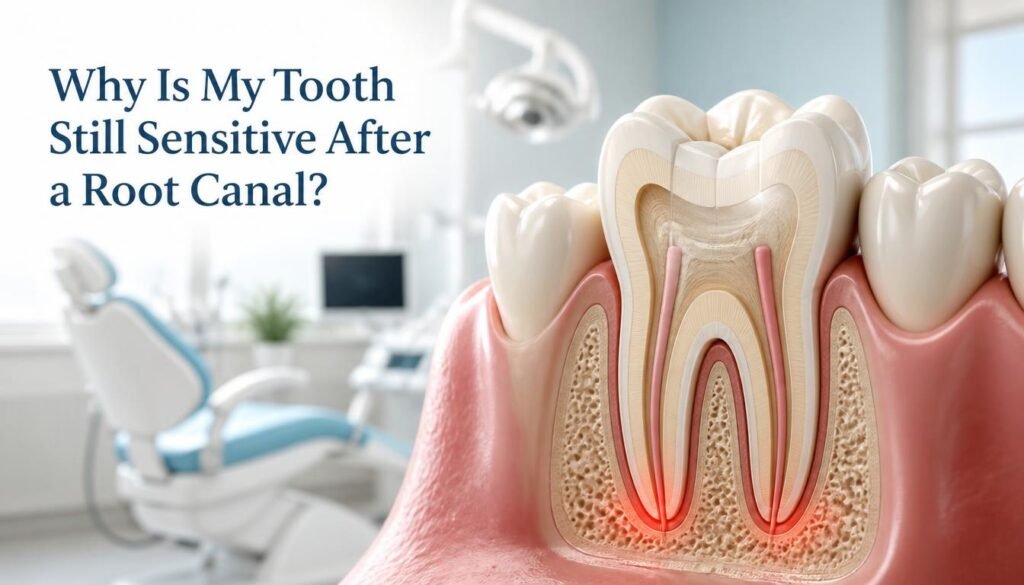
Root canal treatment, also called RCT, involves removing infected or inflamed tissue from inside the tooth, cleaning the root canals, and sealing them. The treated tooth may still need a permanent restoration to restore its strength and function.
Follow these general guidelines:
- Immediately after treatment: Avoid eating until the numbness from local anaesthesia has completely worn off.
- During the first day: Choose soft foods and avoid putting unnecessary pressure on the treated tooth.
- While a temporary filling is in place: Avoid chewing hard or sticky foods on that tooth.
- After the permanent restoration: You can generally resume normal eating as advised by your dentist, provided the tooth is comfortable and the restoration is functioning properly.
These are general recommendations. Your dentist may give you different instructions depending on your individual treatment.
When Can You Eat After a Root Canal?
The timing depends on the type of restoration placed and whether local anaesthesia is still active.
1. Immediately After Root Canal Treatment
Your mouth may remain numb for a few hours after the procedure. During this period, chewing can cause you to accidentally bite your cheek, tongue, or lips.
It is best to wait until normal sensation returns before eating.
If you need to take medication or have specific dietary requirements, follow your dentist’s instructions.
2. During the First 24 Hours
Once the numbness has worn off, soft foods are generally a sensible choice, particularly if your tooth feels tender.
You can try foods that require minimal chewing and avoid placing pressure on the treated tooth.
Some tenderness when biting or mild soreness around the tooth can occur after treatment. However, severe or worsening pain should not be ignored.
3. Before Your Permanent Filling or Crown Is Placed
A root canal-treated tooth may initially have a temporary filling. Depending on how much tooth structure remains, your dentist may subsequently recommend a permanent filling, an onlay, or a dental crown.
Until the final restoration is completed, avoid chewing hard foods on the treated tooth. This is particularly important if the tooth has extensive decay, a large filling, or weakened remaining structure.
Read our guide on whether you need a dental crown after root canal treatment to understand when additional protection may be recommended.
4. After Your Permanent Restoration
Once your dentist confirms that the final restoration is properly placed and your bite feels comfortable, you can generally return to your usual diet.
However, avoid excessive force on the treated tooth. Very hard foods can damage a tooth or its restoration, particularly if the tooth was already weakened.
What Can You Eat After Root Canal Treatment?
Choosing the right foods can make eating more comfortable while your tooth recovers.
Here are some suitable options.
1. Soft Rice and Khichdi
Soft rice, khichdi, and well-cooked grains are convenient options because they require relatively little chewing.
Allow hot foods to cool to a comfortable temperature before eating, especially if the tooth or surrounding tissues feel sensitive.
2. Curd and Yogurt
Plain curd and yogurt provide protein and calcium and generally require no chewing.
Choose a temperature that feels comfortable for you, particularly if you experience sensitivity.
3. Soft-Cooked Vegetables
Steamed or boiled vegetables that are easy to mash can be a good choice during recovery.
Avoid crunchy raw vegetables until you can chew comfortably and your dentist has confirmed that it is appropriate to do so.
4. Eggs
Scrambled eggs or soft omelettes are easy-to-chew sources of protein.
Prepare them with a soft texture and avoid adding hard or crunchy ingredients.
5. Dal and Soft Lentils
Well-cooked dal and lentils are suitable options for many people recovering from dental treatment.
They provide protein and can be eaten with soft rice or other foods that require minimal chewing.
6. Bananas and Soft Fruits
Ripe bananas and other naturally soft fruits can be easy to eat.
Avoid biting directly into firm apples or other hard fruits with the treated tooth. Choose softer alternatives or cut food into small pieces when appropriate.
7. Soft Pasta and Well-Cooked Noodles
Soft pasta and noodles can be comfortable options when you do not want to chew extensively.
Avoid adding hard toppings or ingredients that require forceful biting.
Tip: Eat slowly, take smaller bites, and chew on the opposite side of your mouth if your dentist has advised you to protect the treated tooth.
What Should You Avoid Eating After Root Canal Treatment?
Some foods can put excessive pressure on the treated tooth or interfere with a temporary restoration.
1. Hard Foods
Avoid foods such as:
- Hard nuts
- Ice cubes
- Hard candies
- Popcorn kernels
- Very hard biscuits
- Foods that require forceful biting
These foods may increase the risk of damaging a weakened tooth or its temporary restoration.
2. Sticky Foods
Caramel, toffee, chewing gum, and other sticky foods may pull at or dislodge a temporary filling.
It is particularly important to be cautious while your permanent restoration is pending.
3. Very Hot or Very Cold Foods
Some patients experience temporary sensitivity after root canal treatment. Extremely hot or cold foods and drinks may feel uncomfortable.
Choose moderate temperatures until sensitivity improves.
Persistent temperature sensitivity should be assessed by your dentist, as the cause may vary.
4. Crunchy Foods
Chips, hard crackers, and crunchy snacks can require significant biting force.
Choose softer alternatives while the tooth is tender or awaiting its final restoration.
5. Chewing Directly on the Treated Tooth
Even if you feel little or no pain, the treated tooth may need additional protection.
Avoid testing the tooth by deliberately biting hard objects or foods. Follow your dentist’s instructions about when to resume chewing on that side.
Why Is It Important to Protect Your Tooth After RCT?
Root canal treatment addresses the tissue inside the tooth, but it does not automatically restore all the natural tooth structure lost through decay, cracks, or previous dental work.
A tooth that has lost a significant amount of structure may be more vulnerable to fracture. This is one reason dentists sometimes recommend a crown after root canal treatment.
A dental crown covers the visible portion of the prepared tooth and can help restore its shape and chewing function while protecting the remaining structure.
However, not every root-canal-treated tooth requires a crown. The recommendation depends on factors such as the tooth’s location, the amount of remaining healthy structure, the existing restoration, and your bite.
If your dentist has recommended a crown, ask whether it is necessary before returning to unrestricted chewing.
Learn more about dental crown treatment near Noida and discuss the most appropriate restoration for your tooth with a dental professional.
Is Pain While Eating Normal After Root Canal Treatment?
Mild tenderness when chewing can occur for a short period after root canal treatment. The tissues surrounding the treated tooth may remain irritated while they recover.
However, pain should generally improve rather than progressively worsen.
Contact your dentist if you experience:
- Severe or increasing pain
- Pain that persists or returns after initially improving
- Swelling of the gums or face
- A bite that feels unusually high or uneven
- A temporary filling or crown that becomes loose or falls out
- A return of the symptoms that led to treatment
Seek urgent dental care for significant swelling, particularly if it is spreading. Difficulty breathing or swallowing requires emergency medical attention.
Do not assume that persistent pain is normal simply because the root canal has been completed.
Tips for a Smooth Recovery After Root Canal Treatment
Following a few simple precautions can help protect your treated tooth.
1. Follow your dentist’s instructions. Your treatment plan may include specific dietary restrictions, medication instructions, and a follow-up appointment.
2. Maintain oral hygiene. Continue brushing twice daily with fluoride toothpaste and cleaning between your teeth carefully. Avoid irritating the treated area.
3. Avoid hard chewing until advised otherwise. Protect the tooth while a temporary restoration is in place or if your dentist has advised you to avoid chewing on it.
4. Complete your final restoration. If a permanent filling or crown has been recommended, arrange the follow-up rather than leaving the tooth temporarily restored for longer than advised.
5. Attend follow-up appointments. Your dentist can check the tooth, assess your symptoms, and determine whether the restoration is functioning correctly.
For more information about the procedure, read our guide to root canal treatment in Noida.
Frequently Asked Questions
1. Can I eat immediately after a root canal?
It is best to wait until the numbness from local anaesthesia has worn off before eating. Once normal sensation returns, choose soft foods if the tooth is tender and follow your dentist’s instructions.
2. Can I eat rice after root canal treatment?
Yes. Soft, well-cooked rice and khichdi are generally suitable options. Avoid hard or crunchy additions and do not put unnecessary pressure on the treated tooth.
3. Can I drink tea or coffee after an RCT?
You can generally drink tea or coffee once the numbness has worn off, provided the temperature is comfortable. Avoid very hot drinks if your mouth is still numb or the area feels sensitive.
4. Can I eat with a temporary filling after a root canal?
Usually, but you should be cautious. Avoid hard and sticky foods and do not chew forcefully on the treated tooth. Follow the specific instructions provided by your dentist.
5. How long should I eat soft foods after root canal treatment?
There is no fixed duration for everyone. You may prefer soft foods during the first day or while tenderness persists. Your dentist may recommend a longer period of caution if the tooth is weakened or has a temporary restoration.
6. Can I chew on the treated side after RCT?
Avoid chewing on that side if your dentist has advised you to protect the tooth, particularly before the final restoration is placed. Resume normal chewing according to your dentist’s guidance.
7. Do I always need a crown after root canal treatment?
No. Some teeth can be restored with a filling or another restoration, while others benefit from a crown. Your dentist will assess the remaining tooth structure, tooth location, and risk of fracture before recommending treatment.
8. What happens if I eat hard food after a root canal?
Hard food may cause discomfort or damage a weakened tooth or temporary restoration. If you experience sudden pain, notice a crack, or lose a filling, contact your dentist for an assessment.
Conclusion
So, can you eat normally after root canal treatment? Yes, in most cases, but you should protect your tooth during the initial recovery and until its final restoration is complete.
Wait for the anaesthesia to wear off, choose soft foods when needed, avoid hard and sticky foods, and follow your dentist’s instructions. If a permanent crown or filling is recommended, completing the restoration is an important part of protecting your tooth.
If you have recently undergone RCT or are experiencing discomfort while eating, a dental professional can help you understand the next steps.
At The Dental Crowns, patients in Sector 79, Noida, and nearby areas can explore root canal treatment and restorative dental care. Visit our root canal treatment page to learn more and arrange a consultation.
Disclaimer: This article is for general educational purposes only and does not replace a professional dental examination or personalized medical advice.