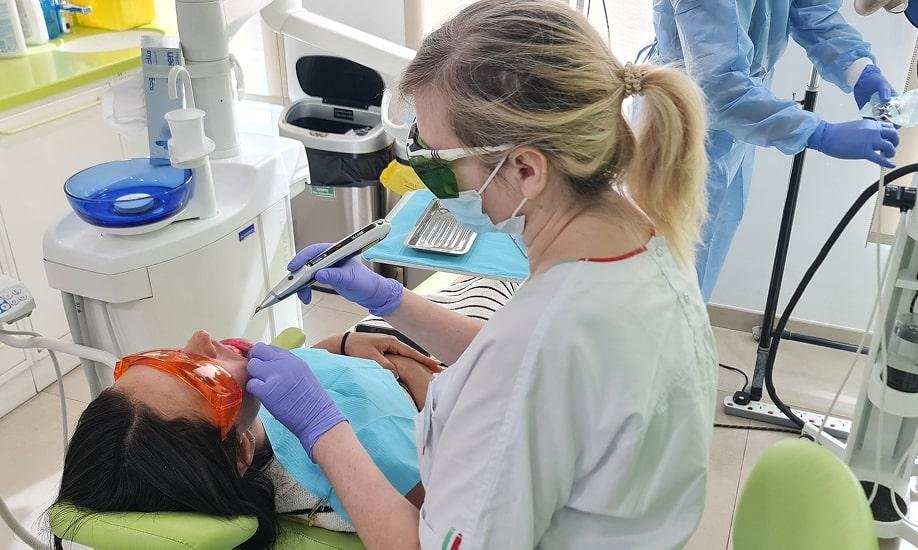
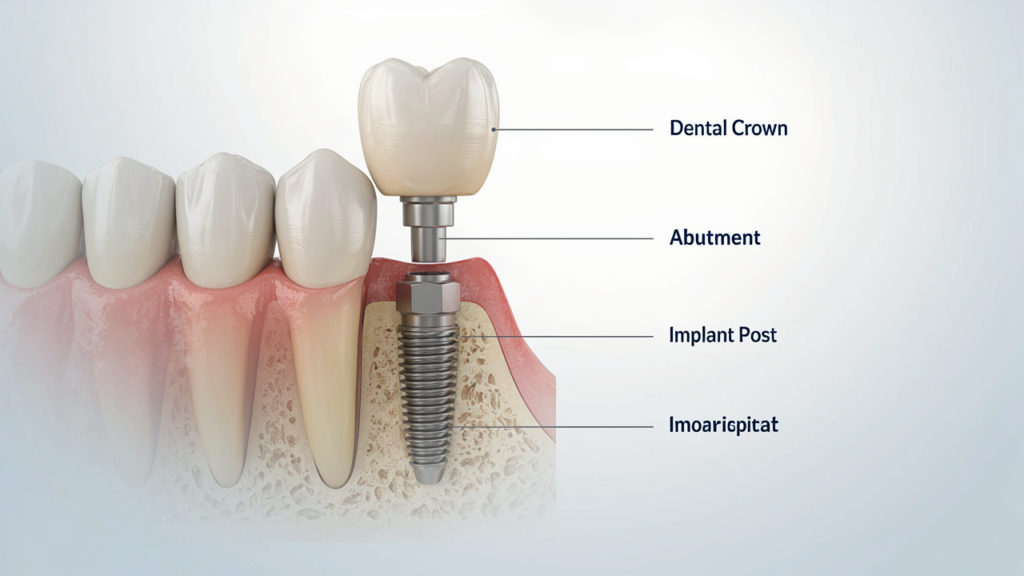
Missing teeth can affect more than just your appearance. They can make chewing difficult, affect your speech and gradually impact your confidence. Fortunately, dental implants offer a modern solution for replacing missing teeth and restoring their function.
With advancements in dental technology, implant treatment has become more sophisticated through digital planning and computer-guided techniques. If you are searching for guided dental implant surgery near Sector 76 Noida, understanding how this procedure works can help you make a more informed decision.
Guided dental implant surgery uses digital imaging, computer-assisted planning and specially designed surgical guides to help dentists position dental implants according to an individual patient’s treatment plan.
For patients living in Sector 76, Sector 75, Sector 77, Sector 78 and nearby areas of Noida, understanding this technology can be an important first step towards choosing suitable tooth replacement treatment.
At The Dental Crowns, located in Sector 79, Noida, patients can explore dental implant treatment and discuss their individual requirements with the dental team.
What Is Guided Dental Implant Surgery?
Guided dental implant surgery is a digitally planned approach to placing dental implants. It involves using diagnostic images and specialised software to plan the implant’s position before the actual procedure.
Unlike conventional implant placement, where the dentist primarily relies on clinical examination and available imaging during treatment, guided surgery uses a pre-planned surgical guide to help transfer the digital plan to the patient’s mouth.
The process generally involves:
- Digital examination of the patient’s teeth and gums.
- Three-dimensional imaging when clinically indicated.
- Computer-based implant positioning.
- Designing a customised surgical guide.
- Using the guide during implant placement.
The objective is to help the dentist plan the implant’s position in relation to the available bone, surrounding teeth and important anatomical structures.
However, guided surgery does not eliminate surgical risks or guarantee a perfect result. Clinical expertise, proper diagnosis and individual treatment planning remain essential.
How Does 3D Guided Dental Implant Surgery Work?
Patients searching for 3D guided dental implant surgery in Noida often want to understand what happens before, during and after the procedure.
Here is a step-by-step explanation.
1. Initial Dental Examination
The first step involves a comprehensive dental examination.
The dentist evaluates:
- The number of missing teeth.
- The condition of the gums.
- Available jawbone support.
- Surrounding teeth.
- Existing dental problems.
- Overall oral health.
Your medical and dental history is also reviewed to identify factors that could influence implant treatment.
2. CBCT Scan and 3D Imaging
A Cone Beam Computed Tomography (CBCT) scan may be recommended when three-dimensional imaging is required for implant planning.
Unlike conventional dental X-rays, CBCT provides detailed 3D information about the jawbone and surrounding anatomical structures.
It can help the dentist assess:
- Jawbone height and width.
- Bone volume at the implant site.
- The location of nerves.
- The relationship between the implant site and nearby structures.
- Whether additional procedures, such as bone grafting, may be needed.
CBCT is not automatically necessary for every patient. The dentist determines whether it is appropriate based on the clinical examination and individual diagnostic requirements.
3. Digital Implant Planning
Once the necessary diagnostic information is available, specialised software can be used to plan the implant position digitally.
The dentist evaluates the proposed implant’s:
- Position.
- Angle.
- Depth.
- Relationship with neighbouring teeth.
- Available bone support.
This planning stage helps visualise the proposed implant placement before surgery.
4. Customised Surgical Guide Preparation
A surgical guide is a customised device designed to help guide implant placement according to the approved digital treatment plan.
It may contain sleeves that help control the direction and positioning of surgical instruments during the procedure.
The guide is designed according to the patient’s individual anatomy and the selected surgical approach.
5. Dental Implant Placement
During surgery, the dentist uses the surgical guide where appropriate to help position the implant according to the planned position.
The exact surgical technique depends on the patient’s bone condition, implant requirements and the dentist’s clinical judgement.
Some cases may be suitable for minimally invasive or flapless techniques, while others require conventional surgical access.
6. Healing and Final Dental Crown Placement
After implant placement, the surrounding bone needs time to heal and integrate with the implant.
This process is known as osseointegration.
The treatment timeline varies depending on the patient’s bone condition, healing response and whether additional procedures are required.
What Are the Benefits of Guided Dental Implant Surgery?
Guided dental implant surgery offers several potential advantages when used in appropriately selected cases.
1. Better Pre-Surgical Planning
Digital planning allows dentists to evaluate the implant position before beginning surgery. It provides an opportunity to assess the available bone and important anatomical structures.
2. More Controlled Implant Positioning
A customised surgical guide helps transfer the planned implant position to the surgical site. This can improve placement accuracy under suitable clinical conditions.
3. Improved Understanding of Treatment
Digital images and planning tools can help patients understand their proposed treatment. Dentists can use these visual resources to explain the procedure and discuss alternatives.
4. Potentially Less Invasive Treatment
In selected cases, guided implant surgery may support flapless or minimally invasive placement.
However, not every patient qualifies for this approach. The surgical method depends on bone availability, gum condition and other clinical factors.
5. Individualised Treatment Planning
Every patient’s jaw structure and dental requirements are different. Guided planning helps develop a treatment approach based on individual anatomical information.
Important: Guided dental implant surgery is a planning and placement aid, not a guarantee of pain-free treatment, faster healing or complication-free results.
Who Is a Suitable Candidate for Guided Dental Implant Surgery?
Guided dental implant surgery may be considered for patients who:
- Have lost one or more teeth.
- Have sufficient jawbone support or are suitable for additional bone treatment.
- Have healthy gums or manageable gum conditions.
- Need carefully planned implant positioning.
- Want to explore digitally planned tooth replacement options.
However, certain factors can affect implant suitability, including:
- Uncontrolled diabetes.
- Active gum disease.
- Smoking and tobacco use.
- Insufficient bone volume.
- Certain medications or medical conditions.
- Poor oral hygiene.
These factors do not automatically exclude every patient from implant treatment. A dentist must evaluate the individual’s condition before recommending a procedure.
Guided vs Conventional Dental Implant Surgery: What Is the Difference?
Both approaches can successfully restore missing teeth when properly planned and performed.
| Feature | Guided Implant Surgery | Conventional Implant Surgery |
|---|---|---|
| Planning | Digital planning may be used | Clinical planning and appropriate imaging |
| Imaging | CBCT may be used | Imaging selected according to clinical needs |
| Surgical guide | Customised guide is used | May be performed without a customised guide |
| Implant positioning | Guide assists planned positioning | Dentist uses clinical judgement and surgical techniques |
| Suitability | Depends on individual requirements | Suitable for many implant cases |
| Treatment approach | May support minimally invasive placement | Depends on surgical requirements |
The best approach is not necessarily the most technologically advanced one. It is the approach that is clinically appropriate for your dental condition.
Is Guided Dental Implant Surgery Painful?
One of the most common concerns among patients considering dental implants is whether the procedure will hurt.
Dental implant placement is generally performed under local anaesthesia, which helps numb the treatment area during surgery.
Patients may experience some discomfort, swelling, bruising or tenderness after the procedure. These symptoms usually improve as healing progresses.
Your dentist may recommend appropriate medication and aftercare instructions to manage post-operative discomfort.
The level of discomfort varies depending on the number of implants, surgical complexity and individual healing response.
How Long Does Recovery Take After Guided Dental Implant Surgery?
Recovery depends on several factors, including bone quality, implant location, surgical complexity and the patient’s general health.
Some patients resume routine activities relatively quickly, while others may need additional recovery time.
Here are some general aftercare recommendations:
- Follow all post-operative instructions provided by your dentist.
- Avoid disturbing the surgical site.
- Choose soft foods during the initial recovery period as advised.
- Maintain oral hygiene according to your dentist’s instructions.
- Avoid smoking and tobacco products.
- Attend scheduled follow-up appointments.
- Contact your dentist if you experience increasing pain, persistent swelling, fever or unusual discharge.
Remember that initial gum healing and complete implant integration with the jawbone are different stages. Your dentist will determine when the implant is ready for its final restoration.
How Much Does Guided Dental Implant Surgery Cost Near Sector 76 Noida?
The cost of guided dental implant surgery in Noida varies according to the patient’s dental condition and treatment requirements.
There is no single price that applies to every patient.
Factors that may influence the total treatment cost include:
- Number of implants required.
- Type and brand of implant system.
- CBCT imaging and digital planning requirements.
- Surgical guide fabrication.
- Need for bone grafting or other additional procedures.
- Type of final dental crown.
- Complexity of the surgical procedure.
- Follow-up and maintenance requirements.
Before starting treatment, ask your dentist for a detailed estimate covering the implant, surgical procedure, additional investigations and final crown.
It is better to compare complete treatment plans rather than choosing a clinic based only on the lowest advertised implant price.
How to Choose a Dental Implant Clinic Near Sector 76 Noida?
Choosing the right dental clinic is an important part of your implant journey.
Before proceeding, consider the following:
- Check the dentist’s qualifications and relevant clinical experience.
- Ask about their experience with dental implant procedures.
- Understand whether CBCT-based planning is appropriate for your case.
- Ask whether guided implant surgery is available and indicated.
- Discuss alternative treatment options.
- Understand the implant system being recommended.
- Request a transparent breakdown of treatment costs.
- Ask about the final crown and expected treatment timeline.
- Check the clinic’s sterilisation and infection-control practices.
- Understand the follow-up and maintenance arrangements.
A good treatment decision should be based on professional assessment, transparent communication and your individual dental needs.
Why Consider The Dental Crowns for Dental Implants Near Sector 76 Noida?
If you are searching for dental implants near Sector 76 Noida, The Dental Crowns is located at Civitech Stadia, Sector 79, Noida, and serves patients from nearby residential sectors.
The clinic offers dental implant treatment along with restorative, cosmetic and general dental services.
Patients can discuss their missing-tooth concerns, understand available treatment options and receive guidance regarding the next steps for implant treatment.
The dental team can help you understand the diagnostic and treatment requirements for your individual case. If you are specifically considering computer-guided implant placement, ask the clinic whether this technique is available and suitable for your treatment.
Clinic Details:
The Dental Crowns
Shop No. 16, 1st Floor, Civitech Stadia,
Sector 79, Noida, Uttar Pradesh – 201301.
Phone: +91 89202 71787
Website: https://thedentalcrowns.in/
Patients from Sector 76, Sector 75, Sector 77, Sector 78 and other nearby areas can contact the clinic to arrange a consultation.
Frequently Asked Questions (FAQs)
1. What is guided dental implant surgery?
Guided dental implant surgery is a digitally planned implant placement technique that uses diagnostic imaging, computer software and a customised surgical guide to help position dental implants according to a pre-planned treatment approach.
2. Is guided dental implant surgery better than conventional implant surgery?
Both methods can provide successful outcomes. Guided surgery offers additional digital planning and positioning assistance, but the most appropriate technique depends on the patient’s anatomy and clinical requirements.
3. Is a CBCT scan necessary before guided dental implant surgery?
CBCT imaging is commonly used when three-dimensional information is needed for implant planning. However, the dentist determines whether it is necessary based on the patient’s individual condition.
4. Can guided dental implants be placed in one day?
Implant placement may be completed in a single surgical appointment in selected cases. However, receiving the final permanent crown on the same day is not suitable for everyone. Immediate loading depends on several clinical factors.
5. How long does a guided dental implant procedure take?
The duration depends on the number of implants, surgical complexity and whether additional procedures are required. Your dentist can provide a more accurate estimate after examination.
6. Is guided implant surgery suitable for older adults?
Age alone does not determine implant suitability. Jawbone condition, gum health, general medical condition and healing capacity are important considerations.
7. Does guided implant surgery eliminate the risk of complications?
No. Guided surgery can assist with planning and implant positioning, but complications can still occur. Proper diagnosis, surgical expertise and regular follow-up remain important.
8. Where can I find dental implant treatment near Sector 76 Noida?
The Dental Crowns, located in Sector 79, Noida, offers dental implant treatment and serves patients from nearby areas, including Sector 76. Contact the clinic for an individual assessment and treatment consultation.
Final Thoughts
Guided dental implant surgery represents an important advancement in modern implant dentistry by combining digital imaging, computer-assisted planning and customised surgical guides.
For patients considering dental implants near Sector 76 Noida, understanding the procedure, its potential benefits, limitations and recovery requirements can help them make informed decisions.
However, successful implant treatment depends on more than technology. A detailed dental examination, appropriate treatment planning, clinical expertise and consistent aftercare are equally important.
If you have a missing tooth and want to explore dental implant treatment, schedule a consultation with The Dental Crowns in Sector 79, Noida, to discuss your dental condition and available treatment options.
Book your dental implant consultation today.
Medical Disclaimer: This article is intended for educational purposes only and should not be considered a substitute for professional dental advice, diagnosis or treatment. Dental implant suitability and surgical techniques must be determined by a qualified dental professional following an individual clinical examination.