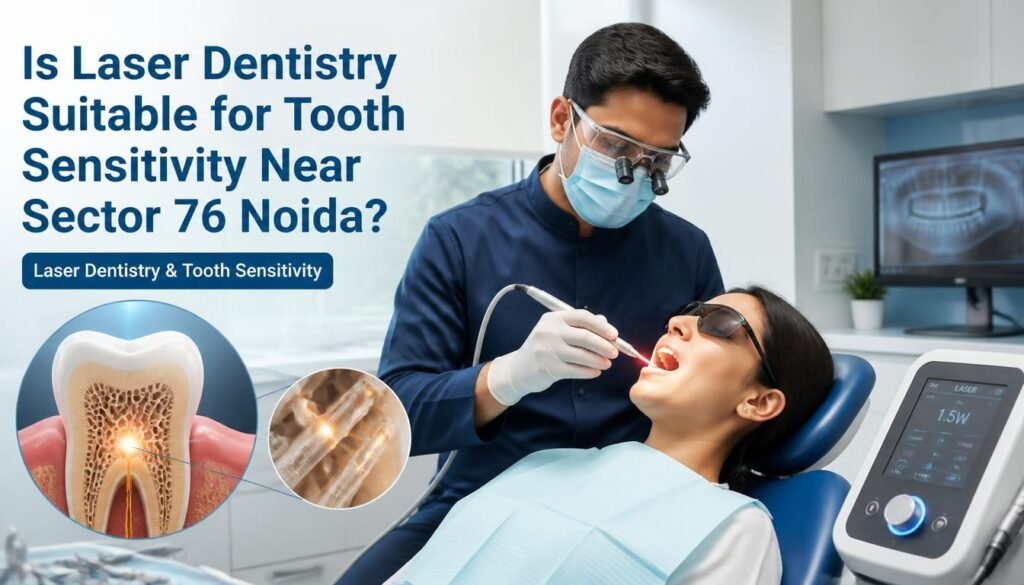
If you live in Sector 76 Noida and are looking for a dental treatment option that may offer greater precision and comfort for certain procedures, you may have come across laser dentistry.
But is laser dentistry suitable for everyone?
Not necessarily.
Dental lasers are specialized tools that can be used for selected procedures involving the gums, teeth and other oral tissues. They can complement conventional dental instruments rather than completely replace them.
For patients searching for laser dentistry near Sector 76 Noida, the most important question is therefore not simply whether laser treatment is available, but whether it is appropriate for their particular dental condition.
At The Dental Crowns, laser dentistry is one of the surgical dental services offered, along with treatments such as dental implants, painless tooth extraction and wisdom tooth extraction.
What Is Laser Dentistry?
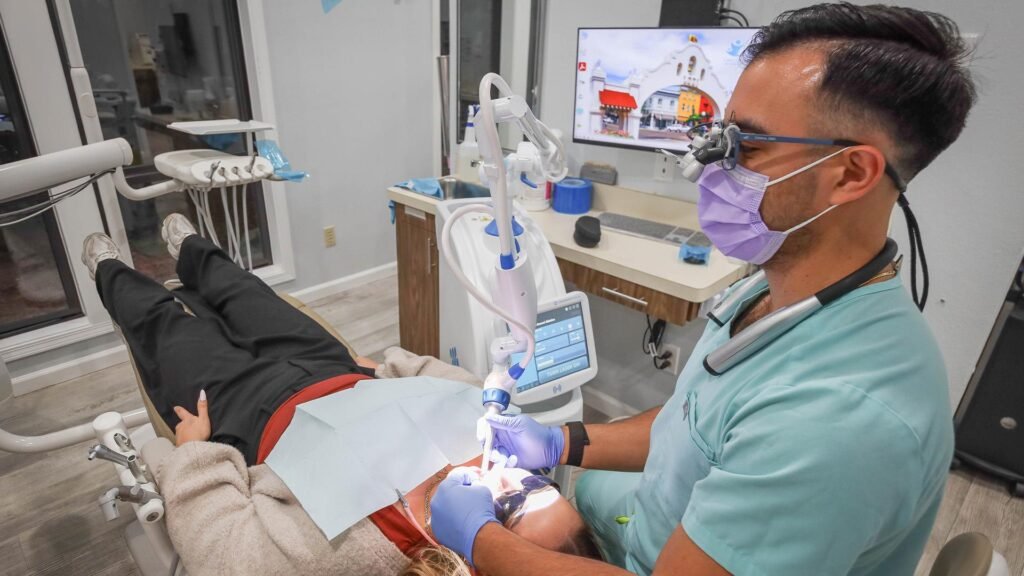
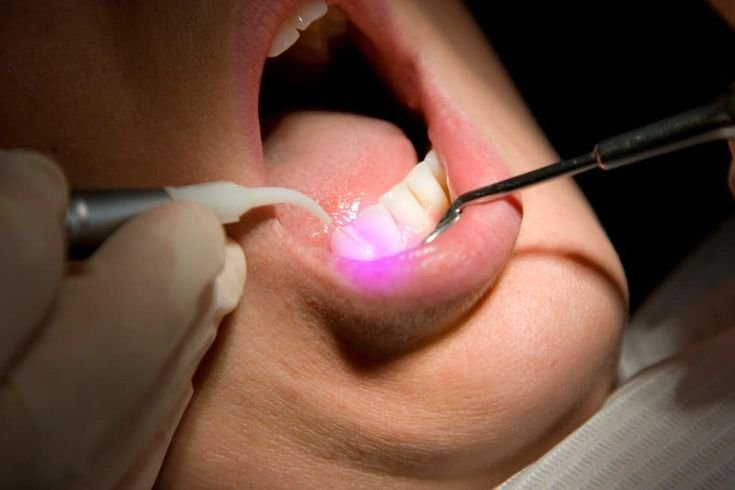
Laser dentistry uses concentrated light energy during selected dental procedures.
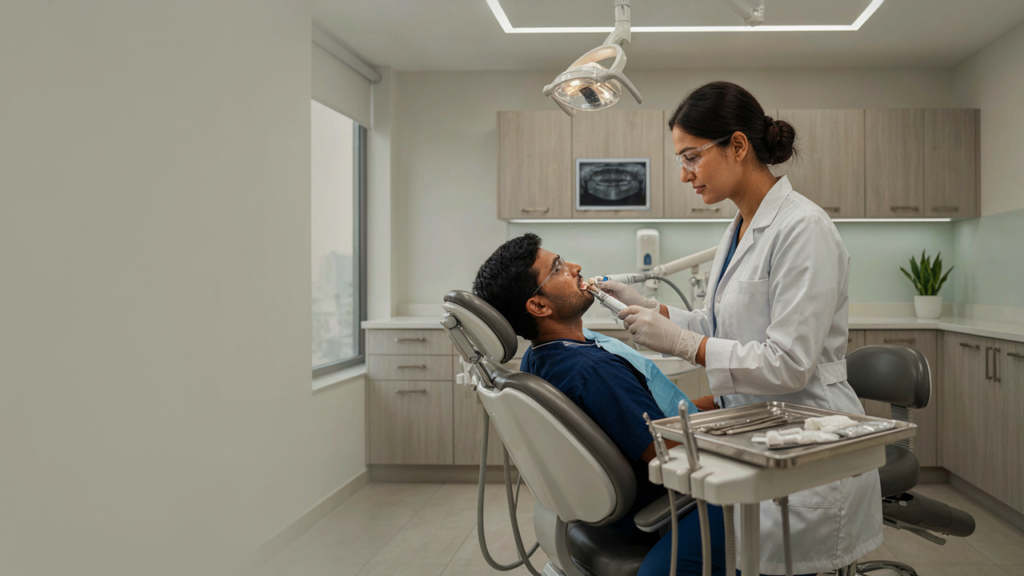
Depending on the laser technology and treatment, dentists may use lasers on soft tissues such as gums, hard tissues such as teeth, or both. Cleveland Clinic explains that dental lasers can complement traditional dental instruments and may be used in procedures involving gums, cavities, root-canal disinfection and certain restorative treatments.
Laser dentistry may be considered for procedures such as:
- Selected gum treatments
- Gum reshaping and contouring
- Certain soft-tissue procedures
- Selected cavity treatments
- Root-canal-related procedures
- Frenectomy procedures
- Treatment of certain oral lesions
- Selected restorative procedures
- Certain cosmetic dental procedures
The exact application depends on the patient’s diagnosis and the type of laser available.
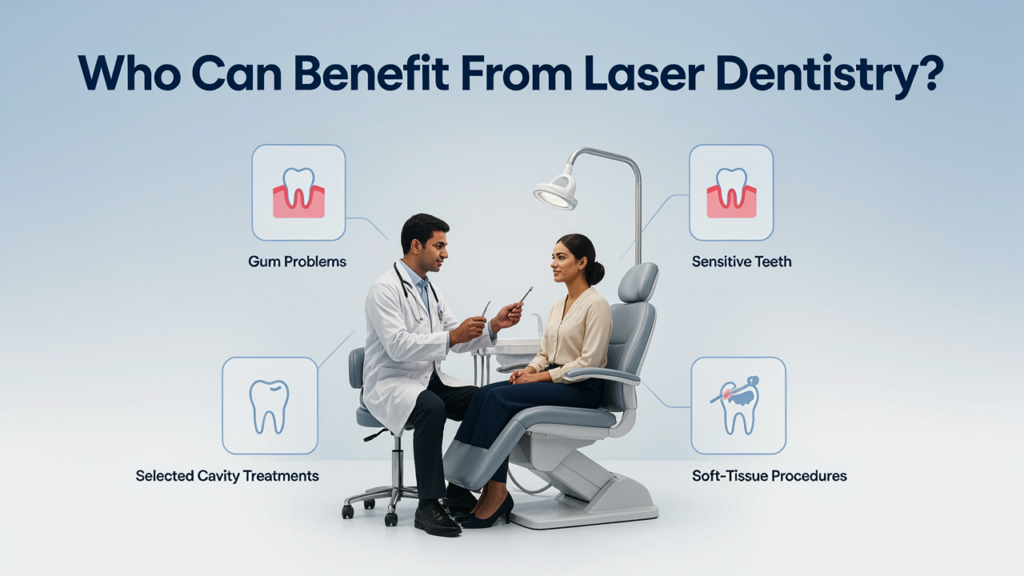
Who May Benefit From Laser Dentistry Near Sector 76 Noida?
Laser dentistry isn’t appropriate for every dental problem. However, certain patients may benefit from discussing laser treatment with their dentist.
1. Patients With Certain Gum Problems
People experiencing red, swollen or bleeding gums may need a professional examination to determine whether gum disease is present.
Periodontal disease affects the tissues supporting the teeth and can cause symptoms such as bleeding gums, swelling, tenderness, bad breath and loose teeth.
Depending on the diagnosis and treatment plan, laser technology may be considered for selected periodontal procedures.
However, laser treatment should not be viewed as a replacement for proper diagnosis, professional cleaning, periodontal treatment or daily oral hygiene.
2. People Who Feel Anxious About Dental Treatment
Dental anxiety is common, particularly among people who associate dental appointments with drills, vibration, injections or surgical instruments.
For suitable procedures, laser technology can reduce reliance on some conventional instruments. This may make treatment more comfortable for certain patients.
Cleveland Clinic notes that dental lasers may also help reduce anxiety associated with procedures involving dental drills.
However, laser dentistry does not automatically mean completely painless treatment. The amount of discomfort depends on the procedure, the patient’s sensitivity and the condition being treated.
If dental anxiety is stopping you from getting necessary treatment, discuss your concerns with your dentist before the procedure.
3. Patients Looking for a Minimally Invasive Treatment Option
Some patients specifically ask about minimally invasive dentistry because they want to understand whether their treatment can be performed with less disruption to surrounding tissues.
For selected procedures, lasers can provide controlled treatment of targeted areas.
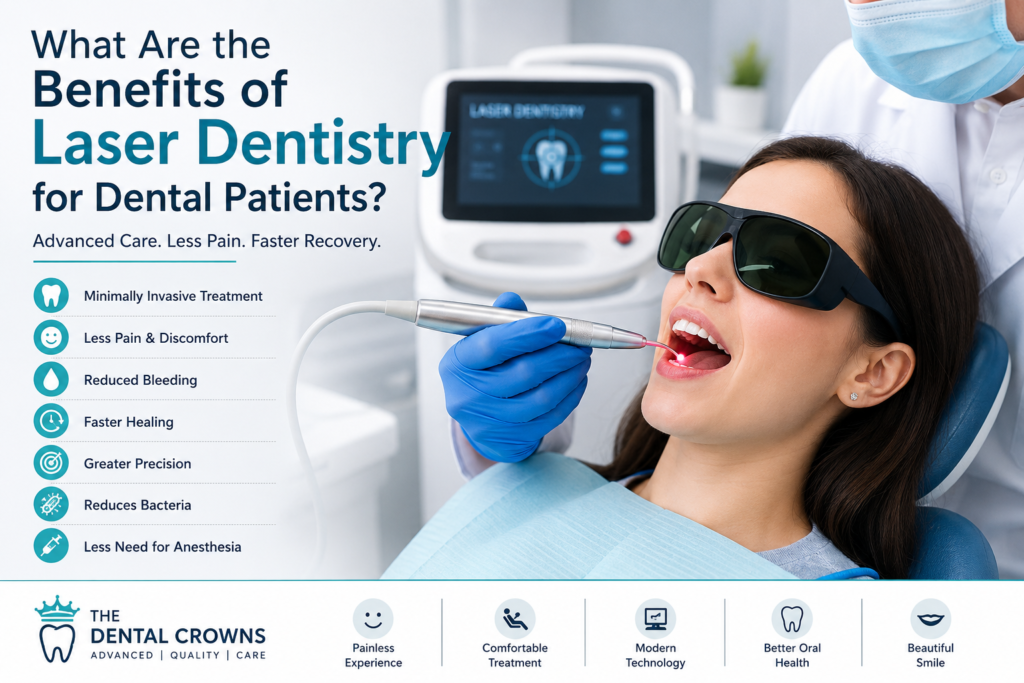
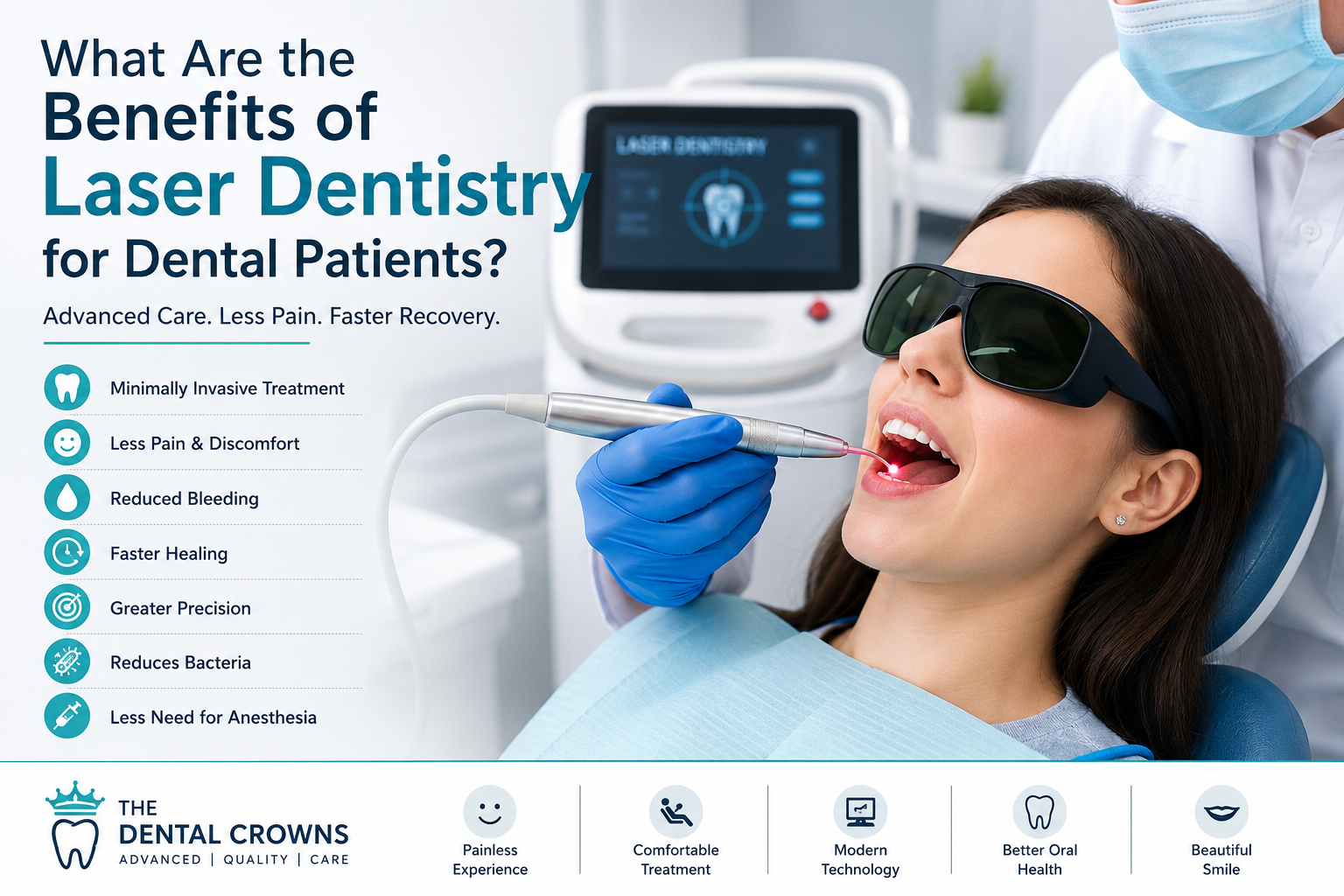
Potential advantages may include:
- Precise treatment
- Reduced bleeding in some procedures
- Less tissue trauma in selected applications
- Potentially improved healing
- Reduced need for some conventional instruments
These benefits vary depending on the procedure and should not be assumed for every laser treatment.
4. Patients Requiring Selected Soft-Tissue Procedures
Dental lasers can be particularly useful for certain procedures involving the soft tissues of the mouth.
For example, dentists may use appropriate laser systems for selected procedures involving:
- Gum reshaping
- Gum contouring
- Frenectomy
- Certain oral soft-tissue lesions
- Other selected gum procedures
The dentist needs to examine the affected area before deciding whether laser treatment is appropriate.
5. Patients With Certain Tooth Sensitivity Problems
Tooth sensitivity can occur for different reasons, including exposed dentin, gum recession, enamel wear or other dental conditions.
In selected cases, laser technology may be used as part of sensitivity management.
However, sensitivity is a symptom rather than a diagnosis. A dentist should first identify why the tooth is sensitive.
For example, sensitivity could sometimes be associated with:
- Tooth decay
- Gum recession
- Worn enamel
- Cracked teeth
- Existing dental restorations
- Other underlying dental problems
Treating the underlying cause is more important than simply treating the sensitivity.
6. Patients Who Need Certain Root Canal-Related Procedures
Laser technology can have selected applications in endodontic treatment.
Cleveland Clinic notes that dental lasers may be used to help disinfect areas during root canal treatment.
However, laser technology does not mean that every root canal requires a laser.
If you have severe tooth pain, prolonged sensitivity, swelling or a damaged tooth, your dentist may recommend an examination and appropriate diagnostic imaging before deciding on treatment.
Can Children Benefit From Laser Dentistry?
In some situations, children may be candidates for laser treatment when the procedure is clinically appropriate.
One potential reason is that certain laser procedures can reduce reliance on conventional instruments.
However, children require a treatment plan based on their:
- Age
- Dental development
- Oral condition
- Cooperation level
- Type of dental procedure required
Parents should not choose laser dentistry simply because it is marketed as a modern technology. The dentist should determine whether it is suitable for the child’s specific dental needs.
Can Older Adults Benefit From Laser Dentistry?
Older adults may experience multiple oral-health concerns, including gum disease, tooth loss, sensitivity and restorative needs.
Laser dentistry may be considered for selected procedures, but age alone does not determine whether someone is a candidate.
The dentist may need to consider:
- Existing dental conditions
- Gum health
- Medications
- Medical history
- Previous dental treatments
- The procedure required
A personalized dental assessment is therefore important before selecting laser treatment.
What About Patients With Diabetes?
People with diabetes have a higher risk of periodontal disease, and diabetes can also affect healing.
If you have diabetes and are experiencing gum bleeding, swelling, bad breath or loose teeth, a dental examination is important.
Laser dentistry may or may not be appropriate depending on the condition being treated.
Patients with diabetes should tell their dentist about their medical history and medications so that their dental treatment can be planned appropriately.
Who May Not Need Laser Dentistry?
Laser dentistry is not automatically better for every dental problem.
You may not need laser treatment when:
- Conventional treatment is more appropriate
- Your condition does not require laser technology
- The particular procedure cannot be effectively performed with the available laser
- Another treatment provides a more suitable solution
- Your dentist determines that conventional instruments are preferable
Cleveland Clinic similarly explains that lasers are an additional tool and do not replace traditional dental instruments for most dental procedures.
The goal should always be appropriate dental treatment, rather than choosing a technology simply because it is newer.
What Should You Ask Before Choosing Laser Dentistry Near Sector 76 Noida?
Before undergoing laser dental treatment, ask your dentist:
1. Is laser treatment suitable for my condition?
The treatment should be based on your diagnosis.
2. What type of laser will be used?
Different lasers have different applications.
3. Will I still need conventional dental instruments?
In many cases, lasers are used together with conventional dental techniques.
4. What are the expected benefits?
Ask specifically how laser technology could help with your procedure, rather than relying on general claims.
5. What will recovery be like?
Recovery depends on the treatment performed and your individual oral health.
6. Are there alternative treatments?
Understanding your available treatment options can help you make an informed decision with your dentist.
Why Choose The Dental Crowns for Laser Dentistry Near Sector 76 Noida?
If you’re searching for laser dentistry near Sector 76 Noida, The Dental Crowns provides advanced clinical laser dentistry as part of its broader dental treatment services.
The clinic is located at Civitech Stadia, Sector 79, Noida, making it a nearby option for patients from Sector 76 and surrounding Noida sectors. The clinic lists laser dentistry alongside general, cosmetic, restorative and surgical dental services.
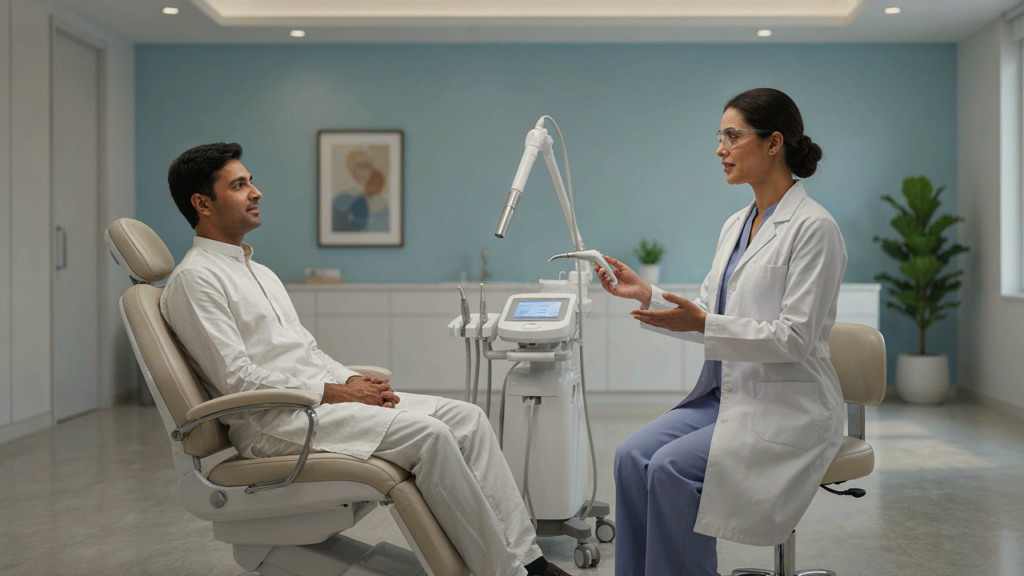
Patients can discuss their dental concerns with the dental team and determine whether laser treatment is appropriate for their particular condition.
Laser Dentistry Near Sector 76 Noida: What Patients Should Remember
Laser dentistry can be a useful addition to modern dental care, particularly for selected gum, soft-tissue, endodontic, restorative and other dental procedures.
It may be worth discussing with your dentist if you:
- Have certain gum problems
- Experience dental anxiety
- Need selected soft-tissue treatment
- Want to explore minimally invasive treatment options
- Have certain tooth-sensitivity concerns
- Require selected root-canal-related procedures
- Want to understand whether advanced dental technology is suitable for your treatment
But laser dentistry isn’t a one-size-fits-all solution.
The right treatment depends on your diagnosis, oral health, the procedure required and your dentist’s clinical assessment.
If you live in or around Sector 76 Noida and want to know whether laser dentistry is suitable for your dental concern, a professional dental consultation is the appropriate first step.
FAQs: Laser Dentistry Near Sector 76 Noida
Is laser dentistry suitable for everyone?
No. Laser dentistry is appropriate for selected procedures and patients. Your dentist should determine whether laser technology is suitable for your particular condition.
Who may benefit from laser dentistry near Sector 76 Noida?
Patients with certain gum problems, selected soft-tissue conditions, dental anxiety, specific sensitivity concerns and certain restorative or endodontic needs may benefit from discussing laser dentistry with their dentist.
Is laser dentistry completely painless?
Not necessarily. Some laser procedures may involve less discomfort, but the experience depends on the treatment and individual patient.
Can lasers replace dental drills?
No. Dental lasers complement conventional dental instruments and do not replace them for every procedure.
Can laser dentistry treat gum disease?
Laser technology may be used in selected periodontal procedures. However, gum disease requires professional diagnosis and a treatment plan based on its severity.
Is laser dentistry available near Sector 76 Noida?
The Dental Crowns offers advanced clinical laser dentistry at its clinic in Sector 79, Noida, serving patients from nearby areas including Sector 76.
How can I know whether I need laser dental treatment?
The best way is to schedule a dental examination. Your dentist can assess your teeth and gums and explain whether laser treatment or conventional treatment is more appropriate.