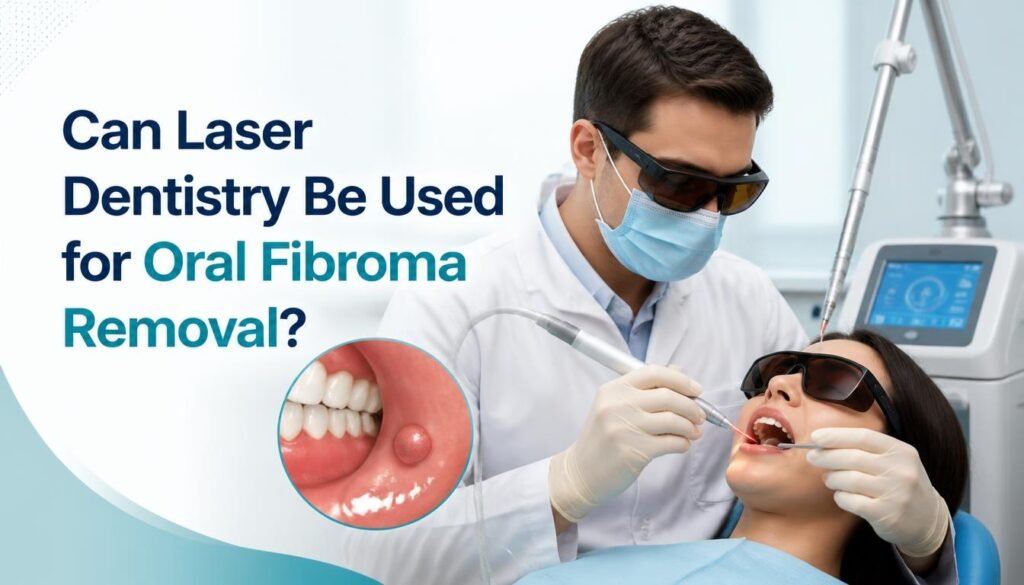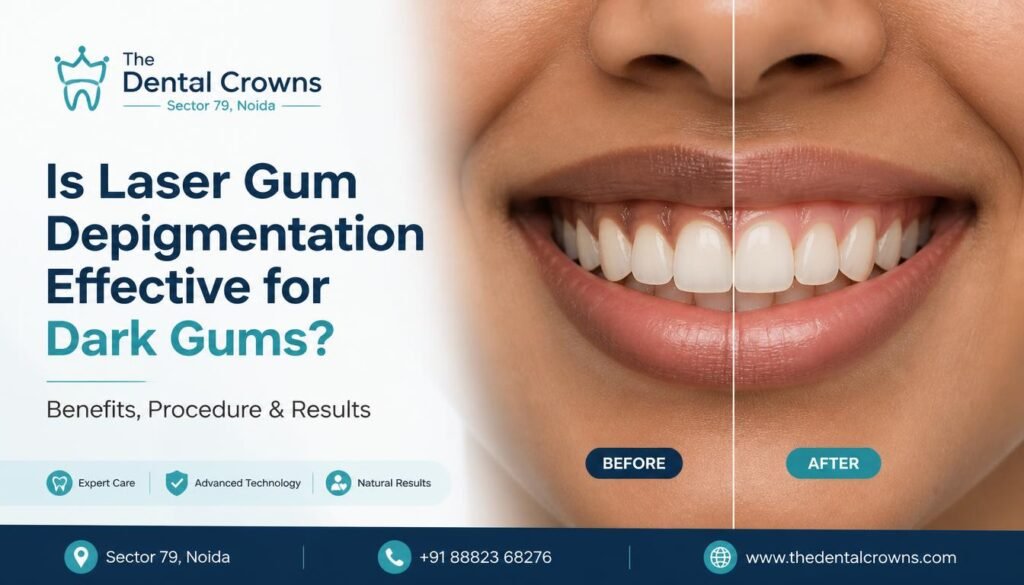

If the thought of dental drills, injections, bleeding, or lengthy recovery makes you nervous about visiting a dentist, laser dentistry can offer a more comfortable approach for certain dental procedures. Modern dental lasers use concentrated light energy to treat selected soft and hard tissues with a high degree of precision.
For patients looking for comfortable and minimally invasive dental treatment, laser dentistry can provide several potential advantages, including reduced bleeding, less tissue trauma, improved precision, and potentially faster healing in suitable procedures.
At The Dental Crowns in Noida, advanced laser dentistry is offered as part of a comprehensive range of general, cosmetic, restorative, and surgical dental treatments. The clinic is located at Civitech Stadia, Sector 79, Noida, and serves patients from nearby areas of Noida as well.
But what exactly makes laser dentistry different from conventional dental treatment? And what benefits can patients expect?
Let’s explore the major benefits of laser dentistry and when it may be suitable for your dental needs.
What Is Laser Dentistry?
Laser dentistry is a dental treatment technique that uses concentrated light energy to perform or assist with certain dental procedures. Depending on the type of laser being used, it can be suitable for treating soft tissues such as gums, hard tissues such as teeth, or both.
Laser technology does not completely replace conventional dental instruments. Instead, dentists may use lasers alongside traditional techniques when they are clinically appropriate.
Modern laser dentistry can be used for selected procedures involving:
- Gum disease treatment
- Gum reshaping
- Soft-tissue procedures
- Cavity treatment
- Root canal disinfection
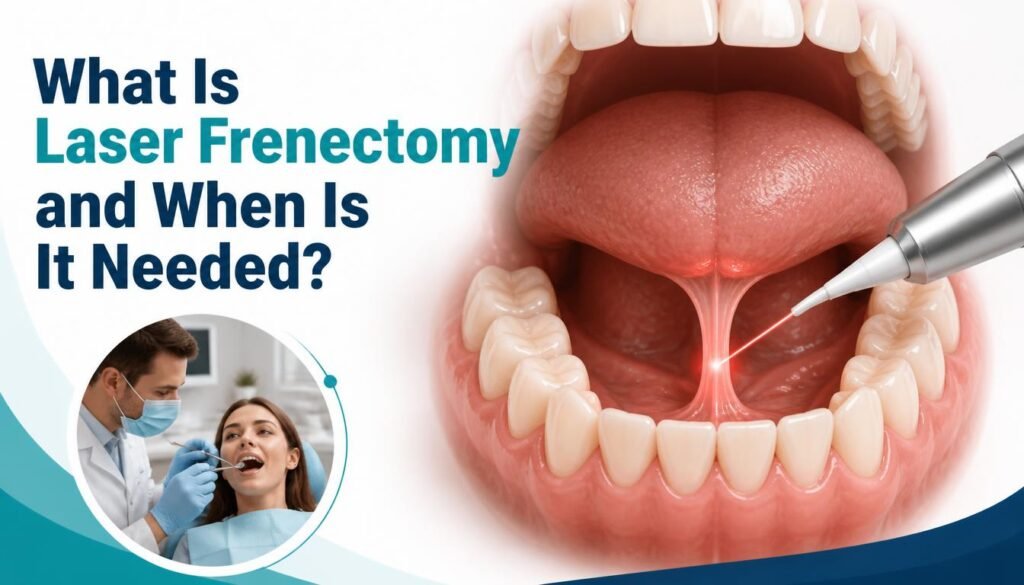
- Frenectomy procedures
- Treatment of certain oral lesions
- Preparation of tissues for restorative procedures
- Certain cosmetic dental procedures
For patients interested in advanced dental treatment, laser technology can be an important addition to a dentist’s treatment options.
8 Major Benefits of Laser Dentistry for Dental Patients
1. More Comfortable Dental Procedures
One of the biggest reasons patients consider laser dentistry is comfort.
Traditional dental procedures can sometimes involve drills, scalpels, vibrations, pressure, or injections. Depending on the procedure, laser technology may reduce the need for some conventional instruments and may reduce the amount of anesthesia required.
However, laser treatment is not automatically painless for every procedure. The level of discomfort depends on the treatment being performed, the patient’s sensitivity, and the condition being treated.
For patients who experience dental anxiety, a quieter and less invasive procedure can make the overall dental experience more comfortable.
“comfortable dental treatment“
2. Greater Precision During Treatment
Precision is an important advantage of modern dental technology.
A dental laser can deliver controlled energy to a targeted area. This allows the dentist to work carefully on the required tissue while minimizing unnecessary disturbance to surrounding areas.
This can be particularly useful when treating delicate gum tissue or working around areas where precision is important.
A dentist will determine the appropriate laser settings and treatment approach according to the patient’s individual dental condition.
3. Less Bleeding During Certain Procedures
Some laser procedures involving soft tissue may result in less bleeding compared with certain conventional techniques.
Laser energy can help coagulate small blood vessels while treating tissue. This may make selected gum procedures easier to manage and can improve visibility for the dentist during treatment.
Reduced bleeding can also be beneficial for patients during the immediate post-treatment period.
It is important to remember that bleeding varies according to the procedure and the patient’s oral health. Laser dentistry does not guarantee a completely blood-free treatment.
4. Minimally Invasive Treatment
Another potential benefit of laser dentistry is that selected procedures can be performed with less tissue disruption.
When appropriate, lasers can allow dentists to target specific tissues without relying entirely on conventional cutting instruments.
A minimally invasive approach may help reduce tissue trauma and make recovery more comfortable for suitable patients.
This is one reason laser technology has become an increasingly useful tool in modern dentistry.
5. Potentially Faster Healing
Depending on the procedure, laser treatment may support a quicker recovery by reducing tissue trauma and controlling bleeding.
Some laser applications are designed to work precisely on the treatment area, potentially allowing the surrounding tissue to remain less disturbed.
However, healing time varies from patient to patient. Factors such as the type of treatment, oral hygiene, general health, extent of the dental problem, and adherence to post-treatment instructions all influence recovery.
Your dentist can explain the expected healing time before beginning treatment.
6. Helps Reduce Bacteria in Certain Dental Procedures
Lasers can also have antibacterial effects in selected dental applications.
For example, laser technology may be used as an adjunct during certain procedures where bacterial reduction is important. It can also be used to assist with root canal disinfection.
This can be particularly relevant when treating dental infections or gum-related problems.
However, laser treatment should not be viewed as a replacement for proper diagnosis, cleaning, conventional treatment, or good daily oral hygiene.
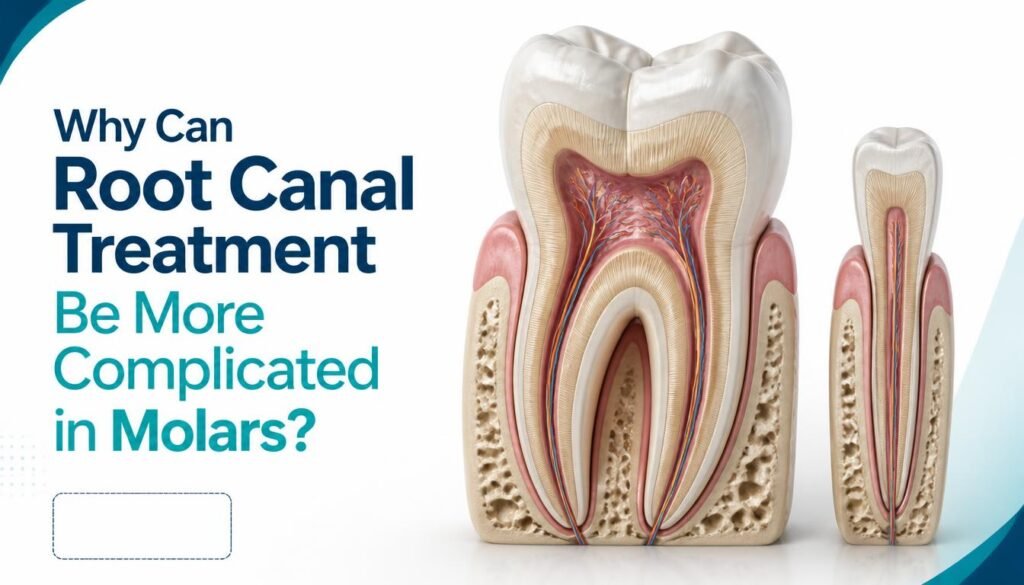
Patients may also need treatments such as root canal therapy when the dental pulp is infected or damaged.
7. Less Noise and Vibration Than Traditional Drills in Some Procedures
The sound and vibration of a dental drill are among the most common reasons patients feel nervous about dental treatment.
Laser dentistry can eliminate the conventional drill in certain procedures or reduce reliance on it, depending on the treatment.
This can create a quieter treatment experience for eligible patients.
For individuals with dental anxiety, children, or patients who are particularly sensitive to dental sounds and vibrations, this can be an important consideration.
However, traditional dental instruments may still be required depending on the treatment.
8. Useful for Several Types of Dental Treatments
Laser dentistry is not limited to one specific procedure.
Depending on the type of laser and the dentist’s training, it may be used as part of treatments involving:
- Gum disease
- Gum reshaping
- Soft-tissue surgery
- Cavity treatment
- Root canal disinfection
- Frenectomy
- Certain oral lesions
- Dental restoration preparation
- Selected cosmetic procedures
This versatility makes dental lasers a useful tool when incorporated into a comprehensive treatment plan.
Who Can Benefit From Laser Dentistry?
Laser dentistry may be worth discussing with your dentist if you:
- Have gum-related problems
- Experience dental anxiety
- Need certain soft-tissue procedures
- Require selected periodontal treatments
- Need treatment around delicate gum tissue
- Want to explore minimally invasive treatment options
- Need certain restorative or cosmetic procedures
- Are looking for advanced dental technology
Laser treatment may also be considered for children or patients who are particularly nervous about traditional dental instruments when the procedure is clinically suitable.
However, not every patient or dental condition requires laser treatment.
The best treatment option should always be selected after a proper dental examination.
Is Laser Dentistry Better Than Traditional Dentistry?
This is one of the most common questions patients ask.
The answer is: not necessarily for every dental procedure.
Laser dentistry has several potential benefits, but conventional dental instruments remain highly effective and necessary for many treatments.
For some procedures, a laser may provide advantages such as precision, reduced bleeding, less tissue trauma, and improved patient comfort.
For other procedures, conventional instruments may be the more appropriate option.
The goal should not be to choose the most technologically advanced treatment simply because it uses a laser. Instead, the goal should be to choose the treatment that is most appropriate for your dental condition.
A qualified dentist can evaluate your teeth and gums and determine whether laser dentistry is suitable for you.
Laser Dentistry for Gum Problems
One of the important applications of dental lasers is the treatment of selected gum conditions.
Healthy gums are essential for maintaining healthy teeth. Gum disease can cause symptoms such as:
- Red or swollen gums
- Bleeding while brushing
- Persistent bad breath
- Gum tenderness
- Receding gums
- Loose teeth in advanced cases
Depending on the severity of the condition, treatment may include professional cleaning, periodontal therapy, medication, conventional procedures, laser-assisted treatment, or a combination of approaches.
Laser technology may be used to target diseased gum tissue and assist with bacterial reduction in appropriate cases.
Early diagnosis remains extremely important because untreated gum disease can progress over time.
Can Laser Dentistry Be Used With Root Canal Treatment?
Yes, laser technology can be used as an adjunct in certain root canal procedures.
During root canal treatment, the dentist needs to clean and disinfect the infected root canal system before sealing the tooth.
Dental lasers may assist with bacterial reduction and disinfection in selected cases.
However, laser technology does not mean that every root canal procedure is performed entirely with a laser.
If you have severe toothache, prolonged sensitivity, swelling, or pain while biting, consult a dentist for an examination rather than delaying treatment.
“painless root canal treatment in Noida“
Is Laser Dental Treatment Completely Painless?
Laser dentistry is often described as painless dentistry, but it is important to have realistic expectations.
Many laser procedures can be more comfortable than conventional techniques, and some may require less anesthesia. However, whether you experience discomfort depends on:
- The type of procedure
- The location being treated
- Your individual pain sensitivity
- The severity of the dental problem
- Whether soft or hard tissue is involved
- Your overall oral health
A dentist should explain the procedure and expected sensations before treatment.
At The Dental Crowns, patient comfort is an important part of the clinic’s approach to advanced laser dentistry.
What Happens During a Laser Dentistry Appointment?
A typical laser dentistry appointment may involve several steps.
Step 1: Dental Examination
Your dentist first examines your teeth, gums, and overall oral condition.
Step 2: Diagnosis
Depending on your symptoms, the dentist may recommend dental X-rays or other diagnostic procedures.
Step 3: Treatment Planning
Your dentist explains whether laser dentistry is suitable and discusses alternative treatment options where necessary.
Step 4: Laser Treatment
If laser treatment is appropriate, the dentist uses the relevant laser technology according to the procedure being performed.
Step 5: Post-Treatment Instructions
You receive instructions regarding oral hygiene, food, medication, and follow-up care.
The exact process varies according to the dental procedure.
What Is the Recovery Like After Laser Dentistry?
Recovery depends on the treatment performed.
Some patients may experience minimal discomfort following selected laser procedures, while others may need several days for the treated area to heal.
Your dentist may recommend:
- Maintaining gentle oral hygiene
- Avoiding very hot or spicy foods temporarily
- Eating softer foods when necessary
- Taking prescribed medication if required
- Following specific mouth-rinse instructions
- Attending a follow-up appointment if recommended
Do not assume that laser treatment means you can ignore post-treatment care. Proper aftercare remains essential for successful healing.
Why Choose The Dental Crowns for Laser Dentistry in Noida?
If you are searching for laser dentistry in Noida, choosing a clinic with modern technology and a patient-focused approach can make an important difference.
The Dental Crowns offers advanced laser dentistry along with a comprehensive range of dental treatments.
The clinic’s laser dentistry service focuses on:
- Patient comfort
- Precision
- Minimally invasive techniques where appropriate
- Reduced bleeding for selected procedures
- Advanced dental technology
- Personalized treatment planning
The clinic is located at Civitech Stadia, Sector 79, Noida, making it accessible to patients from Sector 76, Sector 77, Sector 78, Sector 79, and nearby Noida areas.
Patients can also explore other dental treatments such as dental implants, dental crowns, root canal treatment, tooth-coloured restorations, braces, veneers, and teeth whitening depending on their individual needs.
When Should You Visit a Dentist?
You should not wait for severe pain before getting a dental check-up.
Consider scheduling a dental consultation if you experience:
- Persistent tooth pain
- Bleeding gums
- Gum swelling
- Tooth sensitivity
- Bad breath that does not improve
- Loose teeth
- Pain while chewing
- A broken or cracked tooth
- Swelling around a tooth
- Repeated dental infections
Early diagnosis can help your dentist identify the problem and recommend an appropriate treatment before it becomes more complicated.
Frequently Asked Questions About Laser Dentistry
Is laser dentistry safe?
Laser dentistry can be safe when performed by a properly trained dental professional using appropriate equipment and protocols. The suitability of laser treatment depends on the patient’s condition and the procedure being performed.
Does laser dentistry hurt?
Many laser procedures can be comfortable and may require less anesthesia, but discomfort varies according to the treatment and individual patient.
Is laser dentistry better than normal dentistry?
Laser dentistry can offer advantages for selected procedures, but it is not universally better than conventional dentistry. Your dentist should choose the technique based on your specific dental needs.
Can lasers treat cavities?
Certain dental lasers can be used for selected hard-tissue procedures, including treatment of some cavities. Whether a laser is appropriate depends on the tooth and the extent of decay.
Can laser dentistry treat gum disease?
Lasers may be used as part of treatment for certain gum conditions. The appropriate treatment depends on the severity and type of gum disease.
Can laser dentistry be used during root canal treatment?
Yes. In selected cases, lasers may assist with root canal disinfection and bacterial reduction. They are generally used as an adjunct rather than a complete replacement for conventional root canal techniques.
Is laser dentistry suitable for children?
Some laser procedures may be suitable for children, depending on the dental problem, age, cooperation level, and treatment required. A pediatric dental evaluation is recommended.
How long does laser dental treatment take?
Treatment time depends on the procedure, the number of teeth involved, and the patient’s dental condition. Some treatments may be completed relatively quickly, while more complex procedures require additional appointments.
How much does laser dentistry cost in Noida?
The cost of laser dentistry in Noida varies depending on the procedure, complexity of the case, number of teeth involved, diagnostic requirements, and treatment plan. A consultation is the best way to receive an accurate estimate.
Final Thoughts
Laser dentistry has become an important part of modern dental care because it can provide dentists with another precise tool for treating selected dental conditions.
For suitable procedures, potential benefits can include improved precision, reduced bleeding, less tissue trauma, greater comfort, and potentially faster recovery.
However, laser dentistry is not a universal replacement for conventional dental treatment. The right approach depends on your oral health, diagnosis, treatment goals, and your dentist’s clinical recommendation.
If you are considering laser dentistry in Noida and want to know whether it is suitable for your dental condition, a professional consultation is the best place to start.
The Dental Crowns provides advanced dental care in Sector 79, Noida, including laser dentistry and a range of general, cosmetic, restorative, and surgical dental treatments.
Schedule a consultation to discuss your dental concerns and explore the treatment options suitable for your smile.