
Dental implants are a popular solution for replacing missing teeth, but patients with diabetes often have an important question: Can diabetes affect dental implant treatment?
The answer is yes, diabetes can influence dental implant healing and long-term success, particularly when blood sugar levels are poorly controlled. However, having diabetes does not automatically mean that you cannot get dental implants.
With proper blood sugar management, a detailed dental examination, good oral hygiene and regular follow-up appointments, many people with diabetes can successfully undergo dental implant treatment.
In this guide, we explain how diabetes affects dental implants, why blood sugar control matters, what precautions diabetic patients should take and when to consult a dentist.
What Are Dental Implants?
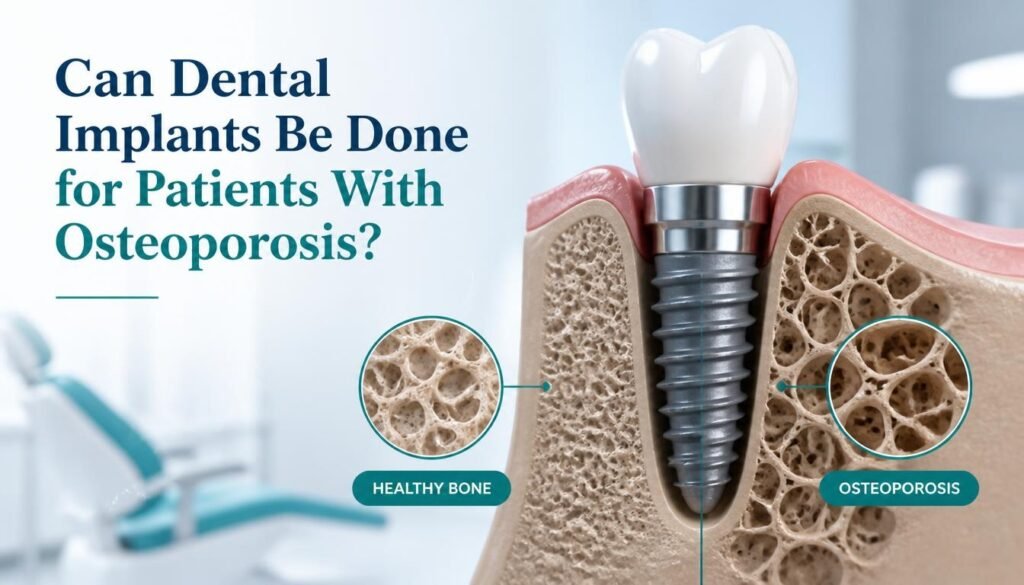
Dental implants are artificial tooth roots, usually made from biocompatible materials such as titanium, that are placed into the jawbone to support replacement teeth.
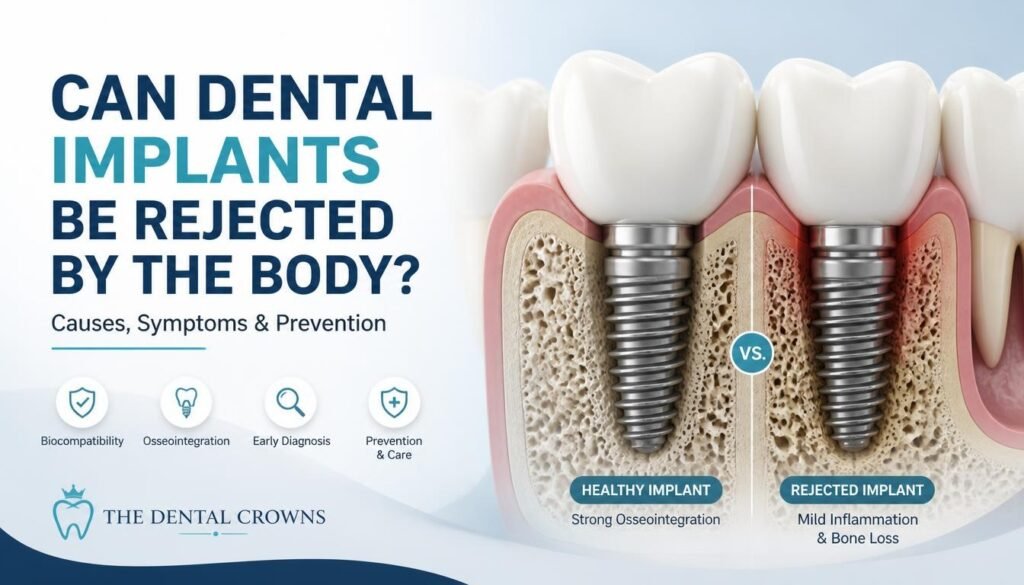
Once the implant integrates with the surrounding bone, it can support a dental crown, bridge or denture. This process is called osseointegration.
Dental implants can help restore chewing function, improve the appearance of your smile and replace missing teeth without relying on a conventional tooth-supported bridge.
However, successful implant treatment depends on several factors, including gum health, jawbone quality, oral hygiene, general health and the body’s ability to heal after surgery.
Can Diabetes Affect Dental Implant Treatment?
Yes, diabetes can affect dental implant treatment because elevated blood glucose levels may interfere with the body’s normal healing response.
Poorly controlled diabetes can affect blood circulation, immune function and the body’s response to infection. These changes may make it more difficult for the surgical site to heal properly and for the implant to integrate with the jawbone.
Research reviews have found that patients with poorly controlled diabetes may have a higher risk of implant-related inflammation, bone loss around implants and long-term implant failure. Outcomes can be much more favourable when diabetes is well managed.
A systematic review published in the International Journal of Implant Dentistry concluded that dental implants can be a suitable treatment option for patients with diabetes when appropriate precautions and clinical care are provided.
The key takeaway: Diabetes is not an automatic reason to avoid dental implants. Your blood sugar control, oral health and individual medical circumstances are important when determining whether treatment is appropriate.
How Does Diabetes Affect Dental Implant Healing?
Diabetes can influence several stages of the dental implant process.
1. Delayed Wound Healing
After implant surgery, the gums and surrounding tissues need time to recover. Persistently high blood sugar can impair normal healing processes and increase the possibility of postoperative complications.
As a result, some diabetic patients may require closer monitoring or additional time for the surgical site to heal.
2. Increased Risk of Infection
Diabetes, particularly when poorly controlled, can affect the body’s ability to respond to infection.
This may increase the risk of complications following implant surgery. Maintaining good oral hygiene and following your dentist’s postoperative instructions are therefore especially important.
3. Difficulty With Osseointegration
Osseointegration occurs when the implant integrates with the surrounding jawbone.
Elevated blood glucose levels may negatively influence bone metabolism and the biological processes involved in integration. Poorly controlled diabetes can therefore make successful healing less predictable.
4. Higher Risk of Gum Inflammation Around Implants
Patients with diabetes may be more vulnerable to periodontal disease and inflammation around dental implants.
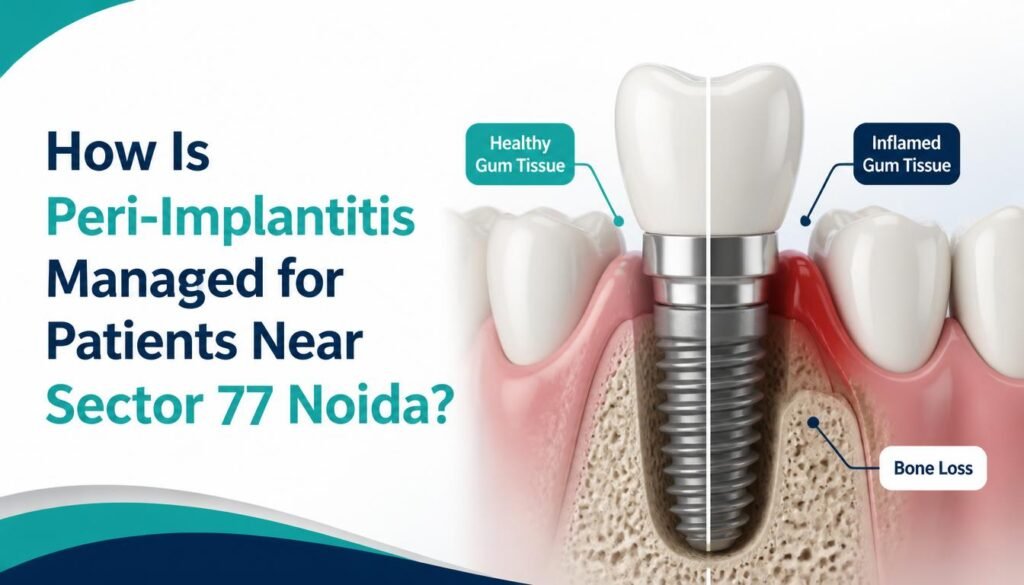
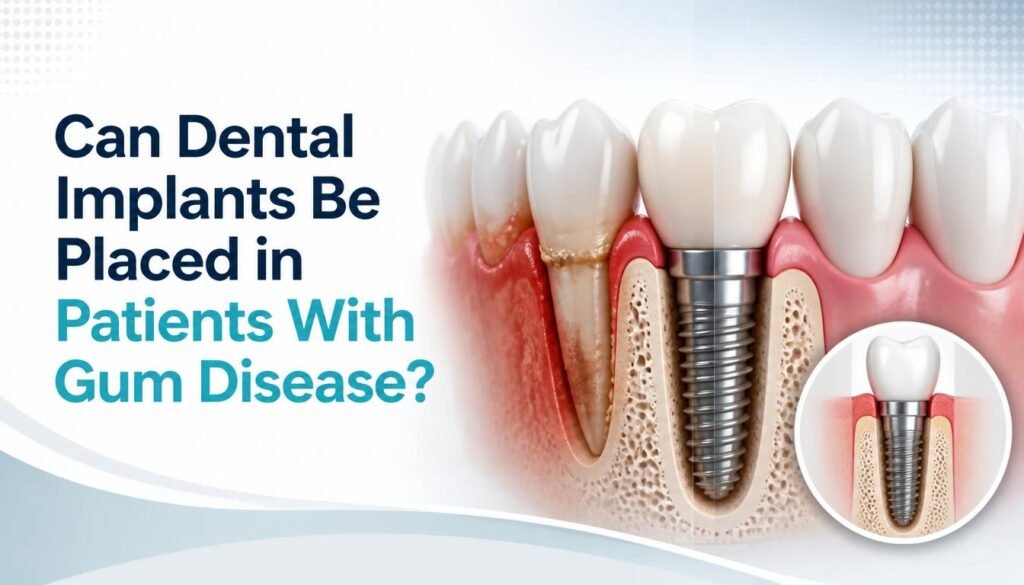
One important complication is peri-implantitis, an inflammatory condition that affects the tissues surrounding an implant and can lead to progressive bone loss if not treated.
Regular dental check-ups and professional maintenance can help identify early signs of inflammation and protect the long-term health of an implant.
Can a Diabetic Patient Get Dental Implants?
Yes, many diabetic patients can receive dental implants, provided their overall health and oral condition are suitable for surgery.
Your dentist will consider several factors before recommending treatment:
- Whether your blood glucose levels are reasonably controlled.
- Your recent HbA1c result, when clinically relevant.
- The condition of your gums and remaining teeth.
- The amount and quality of jawbone available.
- Whether you have an active oral infection.
- Your medications, other medical conditions and previous healing problems.
- Your ability to maintain oral hygiene and attend follow-up appointments.
Patients with well-controlled diabetes may have implant outcomes comparable to those of people without diabetes in some studies. However, results vary between individuals, and no dentist can guarantee implant success.
If your diabetes is poorly controlled, your dentist may recommend coordinating with your physician to improve glucose management before proceeding with elective implant surgery.
What HbA1c Level Is Required for Dental Implants?
HbA1c is a blood test that reflects your average blood glucose level over approximately the previous two to three months. It can help your dental and medical teams understand how well your diabetes has been controlled.
There is no single HbA1c cut-off that applies to every dental implant patient. The decision depends on your medical history, the complexity of the procedure, your current health and the dentist’s clinical assessment.
For context, an HbA1c below 7% is a common treatment goal for many non-pregnant adults with diabetes, although individual targets differ. This is a general diabetes-management goal, not a universal dental implant eligibility requirement.
If your HbA1c is elevated, your dentist may discuss the potential risks, consult your treating physician and decide whether treatment should proceed or be postponed.
Never change diabetes medication or attempt to lower your blood sugar rapidly without medical guidance just to qualify for implant surgery.
What Precautions Should Diabetic Patients Take Before Dental Implant Surgery?
Taking the right precautions before surgery can help improve treatment planning and reduce avoidable risks.
1. Inform Your Dentist About Your Diabetes
Tell your dentist whether you have type 1 or type 2 diabetes, how you manage it, which medicines you take and whether you have experienced complications.
Share recent blood glucose and HbA1c results if available.
2. Get Your Oral Health Evaluated
A comprehensive examination helps identify gum disease, untreated decay, infections and other problems that could affect implant treatment.
Your dentist may also recommend dental imaging to evaluate your jawbone and plan implant placement.
3. Coordinate With Your Physician
If your blood sugar is unstable or you have other medical concerns, your dentist may coordinate with your physician before surgery.
Your medical team can advise you about medication management, meal timing and glucose monitoring around the procedure.
4. Follow a Personalised Treatment Plan
Your dentist will determine the appropriate timing of surgery, implant placement approach, healing schedule and follow-up care based on your circumstances.
Antibiotics should only be used when prescribed by your clinician; they are not a substitute for good glucose control or proper surgical care.
5. Maintain Good Oral Hygiene
Brush twice daily with fluoride toothpaste, clean between your teeth as advised and follow any additional instructions provided by your dental team.
Treating existing gum disease before implant placement may be an important part of preparing for treatment.
How Long Does a Dental Implant Take to Heal in Diabetic Patients?
Dental implant healing varies from person to person. In many cases, the implant needs several months to integrate with the jawbone before the final restoration is fitted.
People with well-controlled diabetes may heal within a timeframe similar to that of other patients. However, poorly controlled diabetes or other health complications may delay healing or increase the risk of postoperative problems.
Your dentist will monitor the surgical site and determine when the implant is sufficiently stable for the next stage of treatment.
Avoid comparing your recovery with someone else’s timeline. Follow your own treatment plan and attend all scheduled appointments.
What Can Diabetic Patients Do After Dental Implant Surgery?
Postoperative care is essential for protecting the implant and supporting healing.
Here are some practical steps to follow:
- Monitor blood sugar: Follow your usual medical plan and any additional instructions given by your healthcare team.
- Follow medication instructions: Take prescribed medicines as directed and do not change your diabetes treatment independently.
- Choose suitable foods: Follow your dentist’s advice about soft foods and avoid putting unnecessary pressure on the surgical area during early healing.
- Keep your mouth clean: Clean your teeth carefully and use any recommended mouth rinse as instructed.
- Avoid smoking: Smoking can compromise healing and increase the risk of implant complications.
- Attend follow-up appointments: Your dentist needs to assess healing and check for signs of inflammation or infection.
- Report unusual symptoms: Contact your dentist promptly if you develop increasing pain, swelling, discharge, fever or other concerning symptoms.
If you experience severe symptoms or significant problems controlling your blood sugar, seek appropriate medical attention.
Are Dental Implants Safe for People With Type 1 and Type 2 Diabetes?
Both type 1 and type 2 diabetes can influence oral health and wound healing, particularly when blood glucose levels remain elevated.
However, the diagnosis alone does not determine whether dental implants are suitable.
Your dentist will assess your glucose control, medical history, gum health, bone condition and any additional risks before recommending treatment.
People with either type of diabetes may be candidates for dental implants when their health is appropriately managed. Those with unstable glucose levels or significant complications may need additional medical assessment or a delay in elective treatment.
When Should a Diabetic Patient Delay Dental Implant Treatment?
Dental implant surgery may need to be postponed when proceeding would create an avoidable risk.
Examples include:
- Persistently high or unstable blood glucose levels.
- An active oral infection that needs treatment.
- Uncontrolled gum disease.
- Medical conditions that require further assessment.
- Other factors that could significantly affect healing or surgical safety.
Postponing treatment does not necessarily mean that you will never be eligible for dental implants. It may provide an opportunity to improve your health and prepare for a safer procedure.
Your dentist and physician can help determine the appropriate next steps.
Where Can You Get Dental Implant Treatment in Noida?
If you are considering dental implants and have diabetes, it is important to choose a dental team that evaluates both your oral health and relevant medical factors before recommending treatment.
At The Dental Crowns in Sector 79, Noida, patients can explore dental implant treatment and discuss their tooth-replacement options with the dental team.
The clinic’s dental implant service provides further information about the treatment process and personalised planning.
If you have diabetes, bring your recent HbA1c results, medication list and relevant medical records to your consultation. This information can help your dentist assess your needs and determine whether additional medical coordination is advisable.
To learn more, visit Dental Implant Treatment at The Dental Crowns.
Frequently Asked Questions
1. Can I get dental implants if I have diabetes?
Yes. Many people with diabetes can receive dental implants, particularly when their blood glucose levels are well managed. Your dentist will evaluate your medical history, gum health and jawbone condition before recommending treatment.
2. Does high blood sugar affect dental implant success?
Yes. Persistently elevated blood sugar can impair healing and increase the risk of inflammation, infection and implant-related complications. Your dental team may recommend improving glucose control before elective surgery.
3. What HbA1c level is considered safe for dental implants?
There is no universally accepted HbA1c threshold for every implant patient. Your dentist and physician will consider your individual glucose control, medical history, procedure complexity and overall health.
4. Do diabetic patients take longer to recover after dental implant surgery?
Not always. Patients with well-controlled diabetes may heal similarly to other patients. Poorly controlled diabetes and other health conditions can delay healing, so individual monitoring is important.
5. Can diabetes cause dental implants to fail?
Poorly controlled diabetes can increase the risk of implant failure, although failure is not inevitable. Proper treatment planning, glucose management, oral hygiene and ongoing dental maintenance can help improve the chances of success.
6. Should I stop taking my diabetes medicine before dental implant surgery?
No. Do not stop or change prescribed medication without medical guidance. Ask your dentist and treating physician for instructions about medicines, meals and blood glucose monitoring before surgery.
7. How can I protect my dental implants if I have diabetes?
Maintain good blood sugar control, brush and clean between your teeth daily, avoid smoking, follow your dentist’s aftercare instructions and attend regular maintenance appointments.
Conclusion
Diabetes can affect dental implant treatment by influencing wound healing, bone integration and the risk of inflammation around implants. However, it does not automatically prevent you from replacing missing teeth with dental implants.
Good glucose management, careful treatment planning, healthy gums and consistent follow-up care are important factors in achieving a favourable outcome.
If you have diabetes and are considering dental implants, arrange a professional assessment to understand your individual risks and treatment options.
Considering dental implants in Noida? Contact The Dental Crowns to discuss your oral health and find out whether implant treatment may be appropriate for you.
Medical disclaimer: This article is for general educational purposes and does not replace an individual dental or medical consultation. Treatment decisions should be made with qualified healthcare professionals.