Teeth clenching may seem like a harmless habit, especially when it happens during sleep. However, repeated pressure on the teeth and jaw can affect your oral health and may create additional challenges if you are considering dental implant treatment. If you have missing teeth and are planning to replace them with implants, understanding the connection between teeth clenching and dental implants is an important step towards protecting your smile.
At The Dental Crowns in Noida, patients considering dental implants should discuss their oral health, bite alignment, and any history of teeth grinding or clenching with a qualified dentist. With appropriate assessment and treatment planning, many people who clench their teeth can still be candidates for dental implants.
In this guide, we explain how teeth clenching affects dental implant treatment, the potential complications, warning signs, and practical ways to protect your dental implants.
What Is Teeth Clenching or Bruxism?
Teeth clenching is the habit of pressing the upper and lower teeth firmly together. When it occurs repeatedly or alongside grinding, it is commonly associated with a condition called bruxism.
Bruxism can occur in two main forms:
- Sleep bruxism: Clenching or grinding your teeth while sleeping.
- Awake bruxism: Holding your teeth together or tightening your jaw while awake, often without realising it.
Stress, anxiety, sleep-related factors, and certain lifestyle habits may contribute to bruxism. Some people experience symptoms without being aware of the habit.
Common signs include jaw stiffness, headaches on waking, worn or chipped teeth, facial muscle discomfort, and increased tooth sensitivity.
How Does Teeth Clenching Affect Dental Implant Treatment?
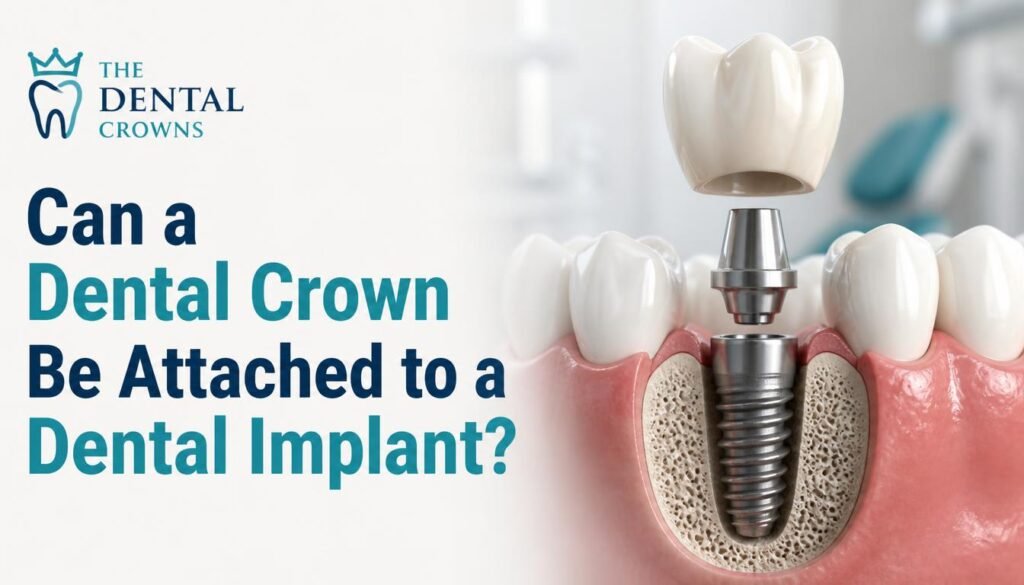
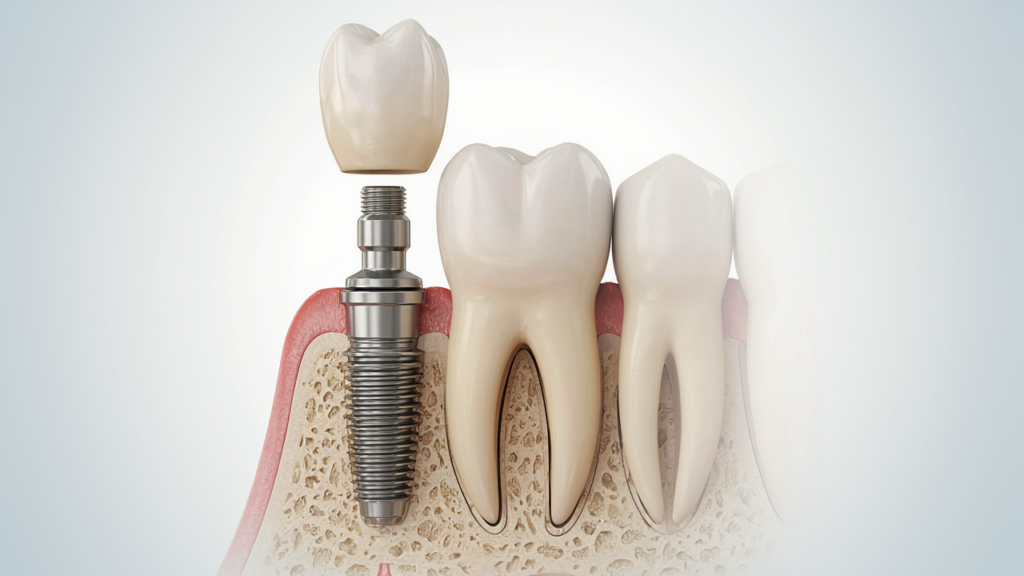
Dental implants are designed to replace missing tooth roots. The implant is placed in the jawbone, where it integrates with the surrounding bone. A connecting component and a crown are then used to restore the appearance and function of the missing tooth.
Although dental implants are strong and durable, they are not immune to excessive biting forces. Repeated clenching can place additional pressure on the implant and its restoration.
1. It Can Increase the Risk of Implant Failure
One of the most important concerns is the possibility of dental implant failure.
A systematic review and meta-analysis published in the Journal of Oral Rehabilitation found that patients with probable bruxism had a higher risk of implant failure than patients without bruxism. This does not mean that every person who clenches their teeth will experience implant failure, but the habit should be considered during treatment planning.
Excessive forces may be particularly concerning while an implant is healing and integrating with the jawbone.
Read the published research on bruxism and dental implants for further information.
2. It Can Damage the Dental Implant Crown
The visible crown attached to a dental implant must withstand daily chewing forces. Persistent clenching can place additional stress on this restoration.
Possible complications include:
- Chipping of porcelain or ceramic.
- Cracks or fractures in the implant crown.
- Loosening of screws or other connecting components.
- Wear or damage to the restorative material.
The implant itself may remain stable even when its crown or connecting components develop problems. Regular dental check-ups can help identify these issues before they become more serious.
Learn more about dental crown treatment and restorative options.
3. It May Place Excessive Stress on the Implant and Jawbone
Natural teeth have a periodontal ligament that helps cushion biting forces. Dental implants integrate directly with the jawbone and do not have the same ligament.
As a result, the way forces are transmitted through an implant differs from the way they are transmitted through a natural tooth.
Repeated, excessive clenching may increase mechanical stress around the implant and its supporting components. However, the relationship between clenching and bone loss around implants is not fully established, and bone changes can have several causes.
Your dentist will consider your bite, bone quality, implant position, gum health, and other risk factors when evaluating your suitability for treatment.
4. It Can Cause Jaw Pain and Muscle Discomfort
Teeth clenching can overwork the muscles responsible for chewing. Some patients experience jaw soreness, facial tension, headaches, or discomfort when opening their mouths.
These symptoms may continue after dental implant treatment if the underlying clenching habit remains unmanaged.
A dentist can assess whether the symptoms are related to bruxism, the bite, or another dental or jaw condition and recommend appropriate management.
5. It May Require Additional Treatment Planning
If you have a history of teeth grinding or clenching, your dentist may adapt your implant treatment plan to reduce excessive forces.
Depending on your individual needs, this may involve evaluating the number and position of implants, choosing suitable restorative materials, adjusting the bite, and considering a protective night guard.
The aim is not necessarily to avoid implants altogether. Instead, it is to identify potential risks and manage them before and after treatment.
Can You Get Dental Implants If You Clench Your Teeth?
Yes, many people with bruxism can still receive dental implants. Teeth clenching is a risk factor that requires careful assessment, rather than an automatic reason to rule out treatment.
Before recommending implants, your dentist may:
- Examine your teeth for signs of wear, cracks, and previous restoration damage.
- Assess your bite and jaw muscles.
- Review your medical and dental history, including sleep-related symptoms.
- Evaluate your jawbone and gum health using appropriate examinations and imaging.
- Develop an individualised treatment and follow-up plan.
Your suitability depends on the severity of the clenching, the condition of your teeth and jawbone, your overall oral health, and other clinical factors.
If you are considering tooth replacement, arrange a consultation with a dentist experienced in implant assessment.
Explore The Dental Crowns’ dental care services to learn more about available treatment options.
How Can You Protect Dental Implants If You Clench Your Teeth?
Managing bruxism before and after implant treatment may help reduce avoidable mechanical complications.
Wear a Dentist-Prescribed Night Guard
A custom-made occlusal splint or night guard may help protect implant crowns and other teeth from direct grinding and clenching forces. Your dentist will determine whether one is appropriate and ensure that it fits your implant-supported restoration correctly.
A night guard does not necessarily stop bruxism itself, and it cannot eliminate every implant-related risk.
Manage Stress and Jaw Tension
Stress management, relaxation exercises, and awareness of daytime jaw clenching may help some people reduce their symptoms.
During the day, practise keeping your jaw relaxed, with your teeth apart when you are not eating or speaking. If you frequently clench your jaw, consider discussing behavioural approaches with your dentist or another appropriate healthcare professional.
Attend Regular Dental Check-Ups
Routine examinations allow your dentist to check the implant crown, connecting components, bite, gums, and surrounding tissues.
Seek an appointment if you notice a loose crown, a change in your bite, persistent discomfort, swelling, or difficulty chewing. Do not attempt to tighten or repair implant components yourself.
Follow Your Dentist’s Post-Treatment Instructions
Follow your clinician’s advice about eating, cleaning, medication, and follow-up appointments after implant surgery. Avoid putting unnecessary pressure on the implant during healing, and contact your dentist if symptoms worsen.
Treat Related Dental Problems
Damaged teeth, gum disease, and an uneven bite may require attention as part of your overall treatment plan. Managing these conditions can support oral health, although no single intervention can guarantee long-term implant success.
What Happens If Teeth Clenching Is Left Untreated After Implant Treatment?
If persistent clenching is not recognised or managed, it may contribute to repeated mechanical problems with an implant-supported crown or other restorations.
Potential warning signs include:
- Frequent chipping or cracking of a crown.
- Repeated loosening of restorative screws.
- Jaw soreness or morning headaches.
- Changes in how your teeth meet.
- Discomfort while chewing.
These symptoms do not automatically mean that a dental implant is failing. Nevertheless, they should be assessed promptly so that your dentist can identify the cause and recommend suitable treatment.
When Should You See a Dentist in Noida?
Consider a dental assessment if you have missing teeth and notice signs of clenching, or if you already have dental implants and experience recurring discomfort or restoration damage.
At The Dental Crowns, patients can discuss their tooth replacement needs and learn about suitable dental treatment options. An individual assessment is important because the best approach depends on your oral health and clinical findings.
To arrange a consultation, visit The Dental Crowns website or explore the clinic’s dental services in Noida.
Frequently Asked Questions
1. Does teeth clenching cause dental implant failure?
Teeth clenching may increase the risk of dental implant failure and mechanical complications, but it does not mean failure is inevitable. Your dentist can assess the risk and plan appropriate preventive measures.
2. Can I get dental implants if I grind my teeth at night?
Yes, many people with sleep bruxism can receive dental implants. The dentist may recommend additional monitoring, bite adjustments, or a custom night guard depending on the severity of the condition.
3. Is a night guard necessary after dental implant treatment?
A night guard may be recommended for patients who clench or grind their teeth. Whether you need one depends on your symptoms, bite, restoration design, and dentist’s assessment.
4. Can teeth clenching damage an implant crown?
Yes. Excessive or repeated forces can contribute to ceramic chipping, crown fractures, and loosening of connecting components. Regular dental check-ups can help detect these problems.
5. Does bruxism affect dental implant healing?
Excessive loading during the healing period may be a concern because the implant needs to integrate with the jawbone. Your dentist will advise you on suitable healing precautions and follow-up care.
6. How do I know if I clench my teeth while sleeping?
Possible signs include morning jaw stiffness, headaches, worn teeth, or a partner hearing grinding sounds during sleep. A dental assessment can help determine whether bruxism is likely.
7. Can stress-related clenching be managed before getting dental implants?
Yes. Depending on the cause and severity, management may include stress-reduction techniques, behavioural approaches, a protective oral appliance, and treatment of related dental or sleep problems.
Conclusion
Teeth clenching can make dental implant treatment more complex by increasing the risk of crown damage, loose components, and potentially implant failure. However, many patients with bruxism can still benefit from dental implants when their individual risk factors are assessed and managed appropriately.
If you are planning dental implant treatment or already have an implant and suspect that you clench your teeth, do not ignore the warning signs. A professional dental assessment can help you understand your options and develop a plan for protecting your smile.
Looking for dental implant guidance in Noida? Visit The Dental Crowns to learn about dental services and arrange a consultation.
Medical note: This article is for educational purposes only and is not a substitute for an individual examination or professional dental advice.