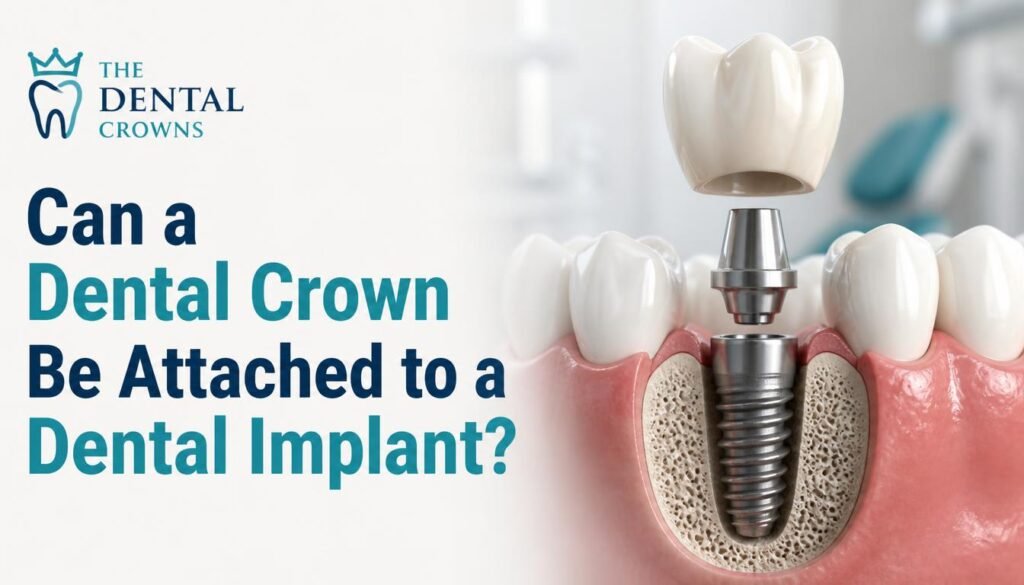
Have you lost a tooth and are considering dental implants? One of the first questions that may come to mind is: What is the success rate of dental implants in India?
Dental implants have become a popular and reliable solution for replacing missing teeth. They are designed to look, feel, and function much like natural teeth. With advancements in dental technology, implant dentistry has made significant progress in improving patient comfort, treatment planning, and long-term outcomes.
Research suggests that dental implants generally have a high long-term survival rate, with many studies reporting approximately 95% or higher survival over 10 years. However, the actual success of dental implant treatment depends on several factors, including bone health, oral hygiene, the patient’s medical condition, the dentist’s expertise, and regular follow-up care.
In this blog, we will explore the dental implant success rate in India, factors affecting implant longevity, the procedure, recovery, potential complications, and how to maintain your implants for years to come.
What Is the Success Rate of Dental Implants in India?
The success rate of dental implants in India is generally considered high when the procedure is performed following proper diagnosis, treatment planning, surgical protocols, and post-treatment care.
International clinical studies have reported dental implant survival rates of approximately 95%–98% over 5–10 years, although the outcomes vary depending on the patient population, implant system, study design, and follow-up period.
A large clinical cohort study involving 10,871 dental implants reported an implant-level survival rate of approximately:
- 98.5% after 5 years
- 96.8% after 10 years
- 94% after 15 years
These findings demonstrate that dental implants can provide a reliable long-term tooth replacement option.
However, it is important to understand that implant survival and implant success are not exactly the same. An implant may remain in the mouth but still experience gum inflammation, bone loss, or other complications. Therefore, long-term implant health is equally important.
Important: These are research-based estimates, not a guaranteed success rate for every patient or a specific dental clinic in India. Your individual outcome depends on your oral and overall health.
What Does Dental Implant Success Actually Mean?
When discussing the success rate of dental implants, dentists generally evaluate two important outcomes.
1. Dental Implant Survival
Implant survival refers to whether the implant remains in the jawbone and continues to function over time.
A surviving implant may support a dental crown, bridge, or implant-supported denture without requiring removal.
2. Dental Implant Success
Implant success involves more than simply keeping the implant in place. It includes:
- Healthy gums surrounding the implant
- Stable supporting bone
- Absence of persistent pain or infection
- Proper chewing function
- Stability of the implant and restoration
- Good aesthetic appearance
- No significant biological or mechanical complications
This distinction is important because a successful dental implant should provide both long-term stability and healthy oral function.
How Long Do Dental Implants Last in India?
Dental implants are designed to be a long-lasting solution for missing teeth. With proper placement and maintenance, the implant fixture may last for decades.
However, the implant-supported crown may need maintenance, repair, or replacement over time because it experiences regular chewing forces.
Here is a general overview based on published clinical research:
| Duration | Reported implant survival |
|---|---|
| 5 years | Approximately 98% in some studies |
| 10 years | Approximately 95%–97% |
| 15 years | Approximately 94% in some clinical cohorts |
| 20 years | Long-term survival remains possible, but outcomes vary considerably |
These figures are based on clinical research and should not be interpreted as a prediction for an individual patient.
The longevity of dental implants depends on proper treatment planning, healthy surrounding tissues, daily oral hygiene, and regular professional monitoring.
8 Factors That Affect the Success Rate of Dental Implants
Although dental implants have a high success rate, certain factors can influence how well they heal and function over time.
1. Jawbone Quality and Quantity
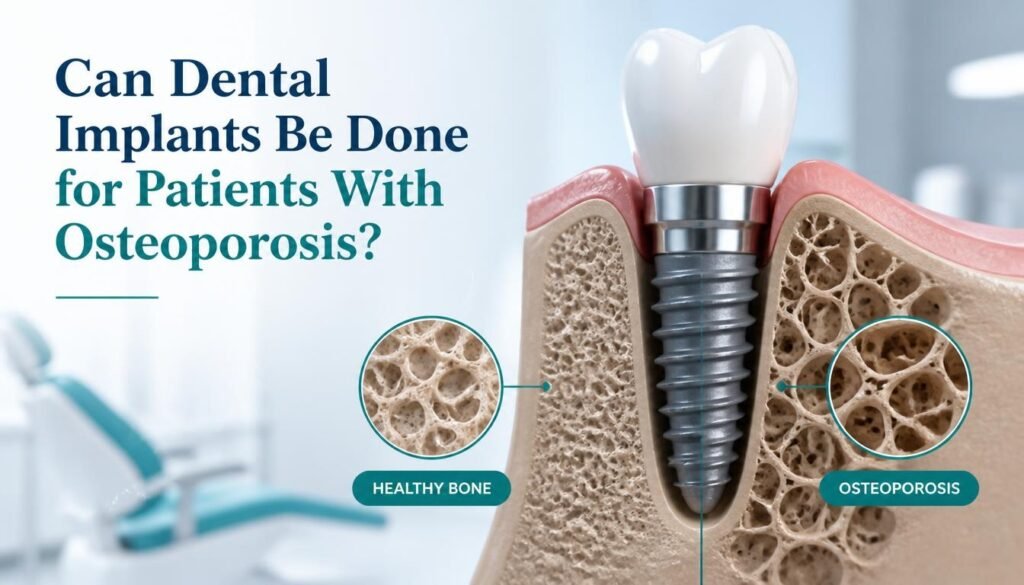
Dental implants require adequate bone to support the implant and allow it to integrate with the surrounding tissues.
If the jawbone has insufficient height, width, or density, the dentist may recommend additional procedures such as bone grafting or other augmentation techniques.
A proper assessment helps determine whether the implant can be placed safely and predictably.
2. Gum Health and Oral Hygiene
Healthy gums are essential for maintaining dental implants.
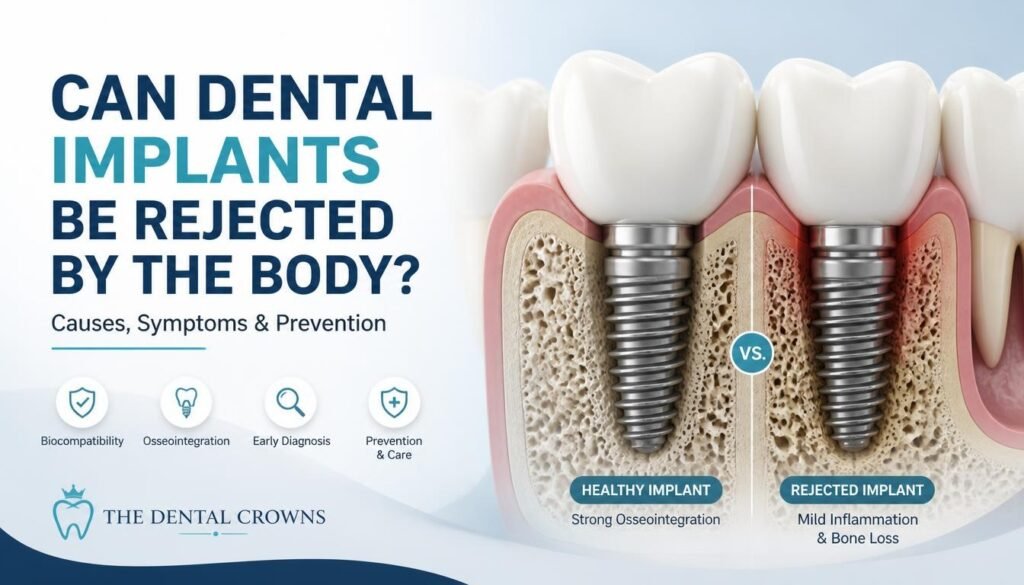
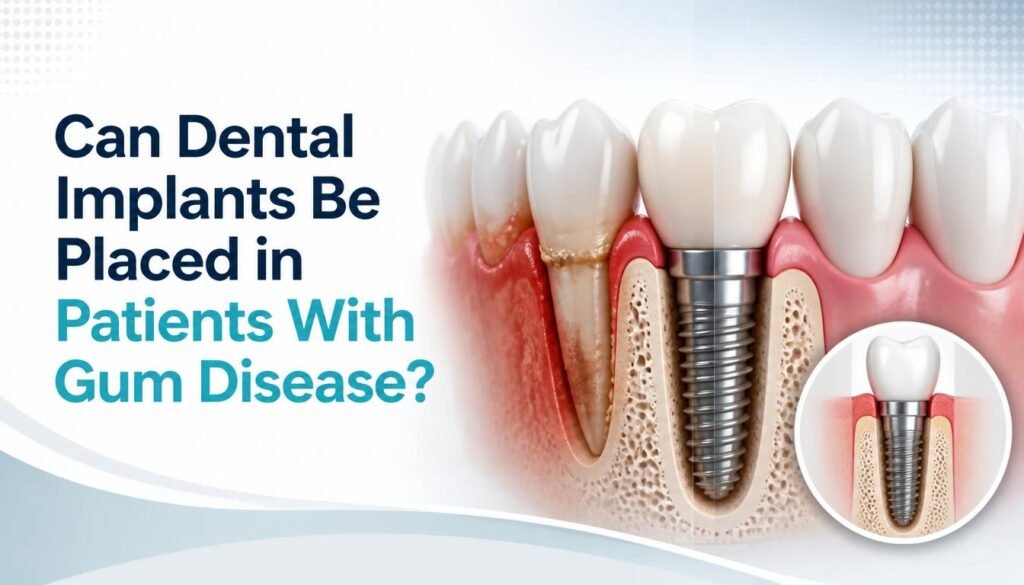
Poor oral hygiene can allow plaque and bacteria to accumulate around the implant, potentially leading to inflammation known as peri-implant mucositis.
If the condition progresses, it may cause peri-implantitis, which involves inflammation and supporting bone loss.
Maintaining healthy gums through daily cleaning and professional dental care can help reduce these risks.
3. Smoking and Tobacco Consumption
Smoking can negatively affect healing and increase the risk of implant-related complications.
Tobacco use may interfere with blood supply, tissue healing, and the process of osseointegration, in which the implant integrates with the jawbone.
Patients who smoke should discuss the associated risks with their dentist before undergoing implant surgery.
4. Diabetes and Other Medical Conditions
Certain medical conditions can influence healing and implant outcomes.
For example, uncontrolled diabetes may affect wound healing and increase the risk of infection.
Patients with diabetes are not automatically unsuitable for dental implants. However, their medical condition should be evaluated and appropriately managed before treatment.
5. Dentist’s Experience and Treatment Planning
Accurate diagnosis and careful surgical planning play an important role in implant success.
The dentist evaluates the location of the missing tooth, bone availability, nearby nerves and anatomical structures, bite alignment, and the appropriate implant position.
A well-planned procedure can help reduce complications and improve the functional and aesthetic outcome.
6. Implant Quality and Materials
Dental implants are commonly made from biocompatible materials such as titanium or titanium alloys. Zirconia implants are also available in selected cases.
The implant system, material, design, and clinical suitability should be considered when planning treatment.
Patients should ask their dentist about the implant system being used and the documentation or warranty information available.
7. Bite Alignment and Chewing Pressure
Excessive chewing forces or an uneven bite can affect the implant-supported restoration.
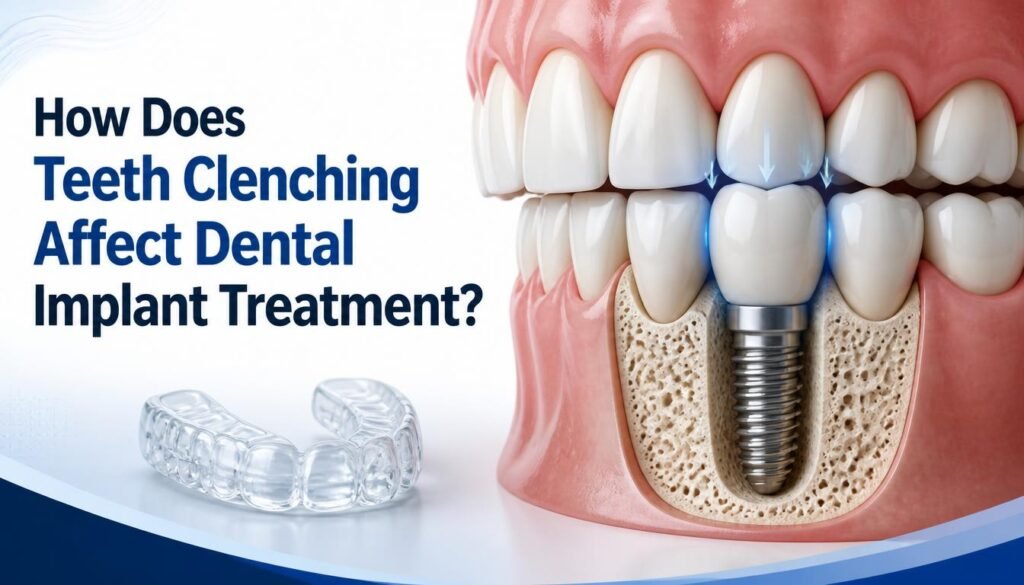
Patients who grind or clench their teeth may experience additional stress on the implant crown or other components.
A dentist may evaluate bite alignment and recommend protective measures, such as a night guard, when appropriate.
8. Regular Dental Checkups
Dental implants require ongoing care even after the crown has been placed.
Regular checkups allow the dentist to assess gum health, bone stability, bite alignment, and the condition of the implant restoration.
Early detection of potential complications can help prevent more serious problems.
What Is the Dental Implant Procedure in India?
Dental implant treatment usually involves several stages. The exact process and timeline depend on the patient’s oral condition and treatment requirements.
Step 1: Initial Dental Consultation
The dentist examines the missing tooth area, surrounding gums, and overall oral health.
Diagnostic imaging, such as dental X-rays or CBCT scans, may be recommended to evaluate the jawbone and nearby anatomical structures.
Step 2: Treatment Planning
Based on the examination, the dentist develops a personalised treatment plan.
This may include deciding the implant position, implant size, type of restoration, and whether additional procedures are necessary.
Step 3: Dental Implant Placement
The implant is surgically placed into the jawbone under appropriate local anaesthesia.
The procedure is planned to minimise discomfort while ensuring accurate placement.
Step 4: Healing and Osseointegration
After implant placement, the implant needs time to integrate with the surrounding bone.
This process is known as osseointegration and may take several weeks to a few months, depending on the individual case.
Step 5: Placement of the Dental Crown
Once healing and implant stability are satisfactory, the dentist places the final implant-supported crown.
The crown is designed to restore the missing tooth’s appearance, shape, and chewing function.
Step 6: Follow-Up and Maintenance
After the final restoration, regular follow-up appointments help monitor the implant and surrounding tissues.
Your dentist will provide instructions on brushing, flossing, and cleaning around the implant.
Are Dental Implants Safe in India?
Dental implant treatment is widely performed in India and is considered a predictable tooth replacement option when appropriate clinical protocols are followed.
Like any surgical procedure, dental implants involve certain risks.
Possible complications include:
- Infection around the implant site
- Delayed healing
- Failure of osseointegration
- Gum inflammation
- Bone loss around the implant
- Nerve-related complications in certain locations
- Sinus-related complications in upper jaw implant cases
- Loosening, chipping, or damage to the implant-supported crown
The likelihood of these complications varies from patient to patient.
A detailed consultation with a qualified dental professional helps you understand the potential risks, benefits, alternatives, and expected treatment outcomes.
What Happens if a Dental Implant Fails?
Although dental implants have a high success rate, failure can occur in some cases.
Implant failure may happen during the early healing stage or after the implant has been functioning for several years.
Early Implant Failure
Early failure generally occurs when the implant does not integrate properly with the surrounding bone.
Possible contributing factors include infection, inadequate bone quality, excessive movement during healing, or other biological and surgical factors.
Late Implant Failure
Late failure may occur after the implant has successfully integrated and been restored.
Potential causes include peri-implantitis, excessive chewing forces, poor oral hygiene, smoking, or mechanical complications.
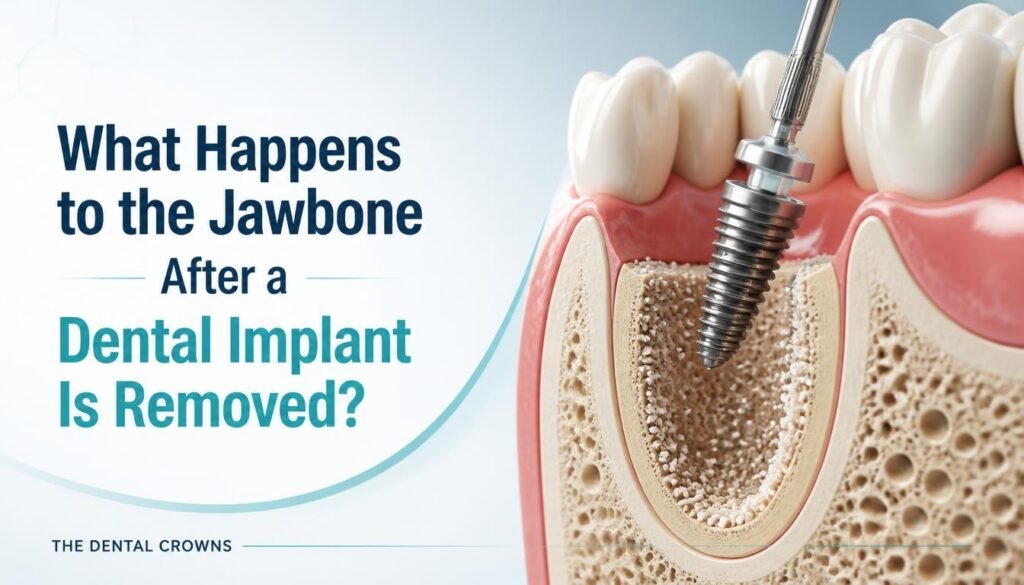
If an implant fails, the dentist will assess the affected area and determine whether treatment, removal, healing, or another implant placement may be appropriate.
How Can You Improve the Success Rate of Dental Implants?
Patients play an important role in maintaining the health and longevity of dental implants.
Here are some important practices to follow:
Maintain Daily Oral Hygiene
Brush twice daily using a soft-bristled toothbrush and fluoride toothpaste.
Clean between your teeth and around the implant using floss or interdental cleaning aids recommended by your dentist.
Avoid Smoking
Avoid tobacco consumption, particularly during the healing period. Discuss additional support for quitting smoking if required.
Follow Post-Surgical Instructions
Follow your dentist’s recommendations regarding food, medication, oral hygiene, and activity during the healing period.
Avoid putting excessive pressure on the implant before your dentist confirms that it is ready for normal function.
Attend Regular Dental Checkups
Schedule professional dental examinations and implant maintenance appointments as advised.
Protect Your Implants from Excessive Pressure
If you grind or clench your teeth, inform your dentist. A protective appliance may be recommended in certain cases.
Seek Treatment for Gum Problems Early
Persistent bleeding, swelling, discomfort, or changes around the implant should not be ignored.
Early professional assessment can help identify the cause and determine appropriate treatment.
Dental Implants vs Dental Bridges: Which Is Better?
Dental implants and dental bridges are both options for replacing missing teeth, but they differ in their design and treatment requirements.
| Feature | Dental Implants | Dental Bridges |
|---|---|---|
| Support | Jawbone | Adjacent teeth |
| Procedure | Surgical placement | Restoration of supporting teeth |
| Bone support | May help preserve bone at the implant site | Does not directly replace the missing tooth root |
| Adjacent teeth | Usually do not require preparation | May require preparation |
| Treatment time | May require several months | Often completed sooner |
| Maintenance | Requires implant-specific cleaning | Requires cleaning around and beneath the bridge |
Neither treatment is automatically better for every patient.
Your dentist can recommend an appropriate tooth replacement option after evaluating your oral health, bone condition, neighbouring teeth, treatment preferences, and budget.
What Is the Cost of Dental Implants in India?
The cost of dental implants in India varies depending on the clinic, implant system, treatment complexity, and additional procedures required.
Factors affecting the overall cost include:
- Type and brand of dental implant
- Number of implants required
- Type of implant-supported crown
- Diagnostic imaging and investigations
- Bone grafting or sinus lift, if necessary
- Complexity of surgery
- Follow-up and maintenance requirements
It is important to ask for a detailed treatment estimate that explains what is included, such as the implant fixture, abutment, crown, diagnostic tests, and any additional procedures.
A dental consultation is the most reliable way to understand the cost of your individual treatment.
Why Choose The Dental Crowns for Dental Implant Treatment in Noida?
If you are looking for dental implants in Noida, choosing a dental clinic that prioritises careful diagnosis, personalised treatment planning, patient education, and follow-up care is important.
At The Dental Crowns, patients can explore dental implant treatment designed to restore missing teeth and improve oral function.
The clinic offers dental services with a patient-focused approach and emphasises personalised treatment planning, modern dental technology, and comprehensive dental care.
Patients can discuss their oral health concerns, explore available treatment options, and understand the expected stages of dental implant treatment before proceeding.
Dental Implant Treatment at The Dental Crowns
Learn more about the clinic’s dental implant services:
Explore all available dental treatments:
For patients with missing teeth, a consultation can help determine whether dental implants are an appropriate option based on their oral health and individual needs.
Frequently Asked Questions About Dental Implant Success Rate in India
1. What is the average success rate of dental implants in India?
Dental implants generally have a high success rate. Many clinical studies report approximately 95%–98% survival over 5–10 years. Individual results depend on oral health, bone quality, treatment planning, and maintenance.
2. Can dental implants last a lifetime?
Dental implants can last for decades, but lifetime survival cannot be guaranteed. The implant-supported crown may require repair or replacement over time, and regular professional maintenance is essential.
3. Are dental implants successful for older adults?
Age alone does not necessarily prevent someone from receiving dental implants. Overall health, bone condition, medications, and healing ability are more important considerations.
4. Can dental implants fail after 10 years?
Yes. Although dental implants can remain functional for many years, late complications such as peri-implantitis, bone loss, and mechanical problems can occur. Regular dental checkups are important even after long-term success.
5. Does smoking reduce the success rate of dental implants?
Smoking may increase the risk of healing complications and implant failure. Patients should discuss their tobacco use with their dentist before treatment.
6. Is bone grafting necessary for dental implants?
Not always. Bone grafting may be recommended if the jawbone does not have sufficient volume or density to support an implant. The need depends on the clinical examination and diagnostic imaging.
7. Are dental implants better than dentures?
Dental implants provide a fixed tooth replacement option, while conventional dentures are removable. Both have advantages and limitations. The most suitable option depends on the patient’s oral health, preferences, and treatment requirements.
8. How long does dental implant healing take?
Healing and osseointegration may take several weeks to a few months. The timeline depends on the implant location, bone quality, overall health, and whether additional procedures are required.
Conclusion: Are Dental Implants Worth It?
Dental implants are one of the most reliable modern solutions for replacing missing teeth. Research indicates that they generally have a high long-term survival rate, with many studies reporting approximately 95% or higher survival over 10 years.
However, the success of dental implant treatment depends on much more than the implant itself. Proper diagnosis, healthy gums, adequate bone support, careful treatment planning, good oral hygiene, and regular dental checkups all contribute to long-term outcomes.
If you are considering dental implants in India, the best first step is to consult a qualified dentist who can evaluate your oral health and explain the treatment options suitable for you.
Restore Your Smile with The Dental Crowns
If you have missing teeth and want to explore dental implant treatment in Noida, schedule a consultation with The Dental Crowns to understand your treatment options.
Website: https://thedentalcrowns.in/
Location: Civitech Stadia, Sector 79, Noida, Uttar Pradesh
Phone: +91 89202 71787
References and Authoritative Outbound Links