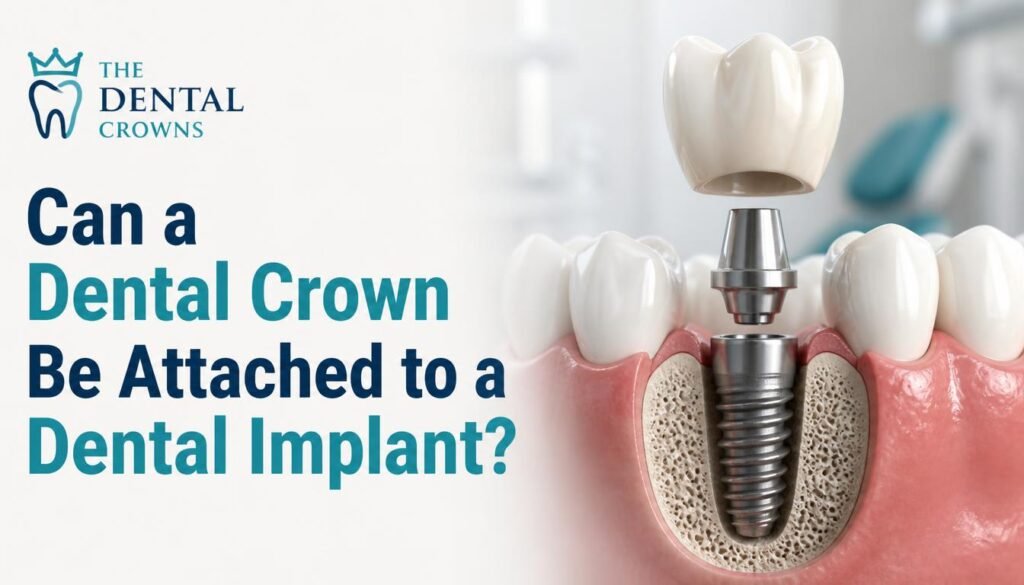
Dental implants are a popular option for replacing missing teeth, helping restore chewing function, smile appearance and confidence. However, just like natural teeth, dental implants require consistent oral hygiene and professional monitoring. One condition that can threaten their long-term stability is peri-implantitis, an inflammatory disease that affects the gums and bone surrounding a dental implant.
If you live in Sector 77 Noida or nearby areas and have noticed bleeding gums, swelling, discomfort or persistent bad breath around a dental implant, understanding the available treatment options is important. Early professional assessment can help identify the problem and determine the most appropriate treatment.
At The Dental Crowns, patients seeking information about dental implants can learn about implant maintenance, warning signs and the importance of timely dental evaluation. This guide explains how peri-implantitis is diagnosed, managed and monitored.
What Is Peri-Implantitis?
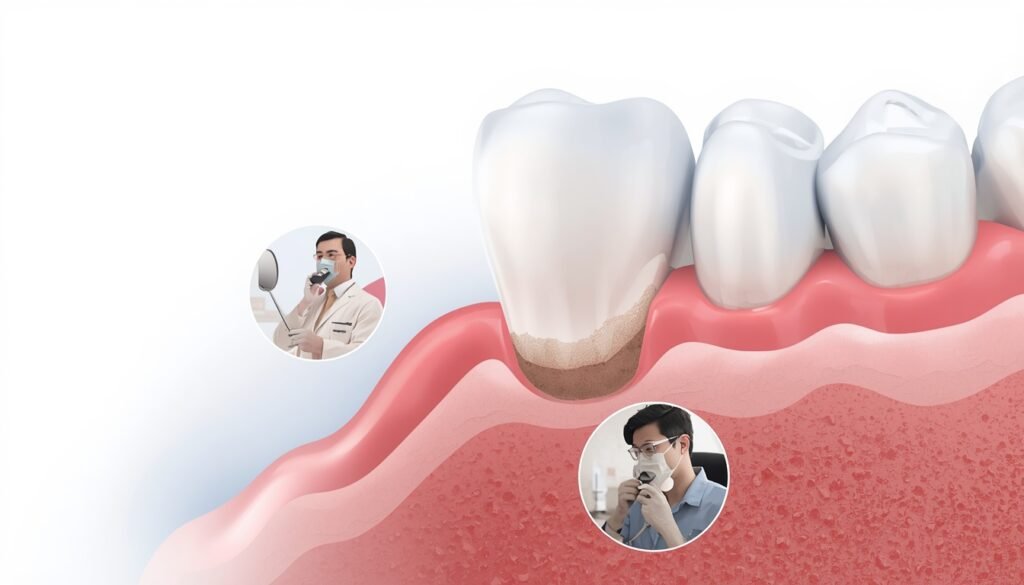
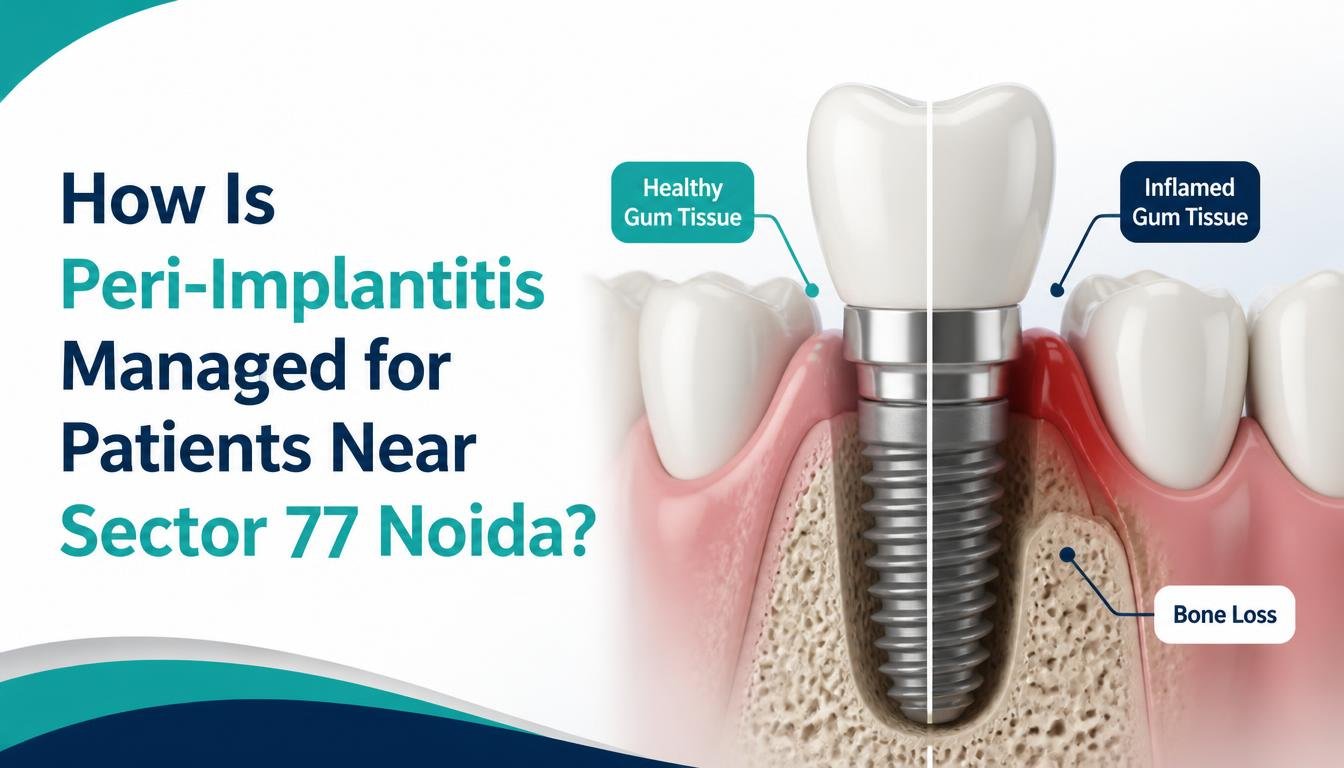
Peri-implantitis is an inflammatory condition affecting the soft tissues and supporting bone around a dental implant. It is commonly associated with bacterial plaque accumulating around the implant, leading to gum inflammation and progressive bone loss.
It is different from peri-implant mucositis, an earlier condition in which inflammation affects the soft tissue without additional bone loss attributable to the disease. If mucositis is not managed, it may progress to peri-implantitis.
According to the European Federation of Periodontology (EFP), poor oral hygiene, a history of gum disease and smoking are among the important risk factors for peri-implant disease.
Because the bone supports the implant, progressive bone loss can eventually compromise its stability. Recognising the warning signs and arranging an examination promptly can help prevent further damage.
What Are the Common Symptoms of Peri-Implantitis?
Patients looking for peri-implantitis treatment near Sector 77 Noida should watch for changes around an existing implant, including:
- Bleeding gums: Blood around the implant during brushing or interdental cleaning.
- Swollen or red gums: The gum tissue around the implant may appear irritated or tender.
- Bad breath or an unpleasant taste: These symptoms may occur when bacterial deposits and inflammation are present.
- Pus around the implant: Discharge can indicate infection and requires prompt dental evaluation.
- Gum recession: The gum may move away from the implant restoration.
- Increasing discomfort: Pain or tenderness around the implant may indicate a problem, although peri-implantitis can also develop without obvious pain.
- Implant or crown mobility: A loose implant, bridge or crown should be examined as soon as possible. A loose crown does not necessarily mean the implant itself has failed.
These symptoms do not confirm peri-implantitis on their own. A dental professional must assess the implant and surrounding tissues to establish the cause.
How Is Peri-Implantitis Diagnosed?
Before recommending peri-implantitis treatment, a dentist or appropriately trained implant specialist needs to determine the severity of inflammation and whether supporting bone has been lost.
1. Clinical examination
The dentist examines the gum tissue for redness, swelling, bleeding, discharge and recession. The condition of the crown, bridge or other implant-supported restoration is also assessed.
2. Periodontal probing
A periodontal probe is used to assess the space between the gum and implant. Increased probing depth, bleeding or suppuration may indicate disease, particularly when compared with previous examinations.
3. Dental X-rays
Radiographs help assess the bone surrounding the implant. Comparing current images with earlier records can help identify bone loss beyond the normal changes that may occur during initial healing.
4. Assessment of contributing factors
The dentist may examine oral hygiene, the fit and cleanability of the restoration, residual dental cement, previous gum disease, smoking and medical conditions such as diabetes.
The findings help determine whether non-surgical treatment is appropriate or whether a surgical assessment is needed.
How Is Peri-Implantitis Managed for Patients Near Sector 77 Noida?
Peri-implantitis treatment depends on the amount of inflammation, the extent of bone loss, the implant’s stability and the patient’s overall oral health. Treatment generally begins with controlling bacterial deposits and improving oral hygiene. More advanced cases may require surgery.
1. Professional cleaning around the implant
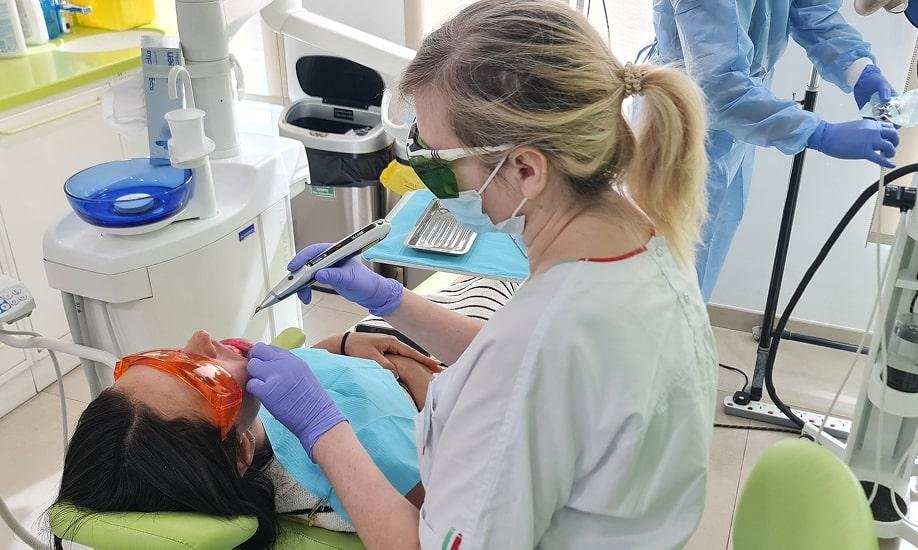
The initial stage often involves professional mechanical removal of plaque and calculus from around the implant. The dental professional selects instruments appropriate for the implant surface and surrounding tissues.
The dentist may also examine the implant-supported crown or bridge to determine whether its shape or position makes cleaning difficult. In some cases, modifying or temporarily removing the restoration may improve access.
Professional cleaning can help reduce inflammation, but established peri-implantitis with supporting bone loss may not resolve with cleaning alone.
2. Improving daily oral hygiene
Home care is an essential part of managing peri-implantitis and preventing recurrence. Your dentist may recommend:
- Brushing twice daily with a soft-bristled toothbrush.
- Cleaning between teeth and around the implant with suitable interdental brushes or implant-specific cleaning aids.
- Using floss designed for implants when appropriate.
- Following personalised instructions for cleaning beneath bridges or other implant-supported restorations.
- Avoiding smoking and seeking support to quit if necessary.
Mouth rinses or other antimicrobial products may be recommended in selected situations, but they should not replace professional treatment. Do not start antibiotics or prescription mouthwash without dental advice.
3. Re-evaluation after initial treatment
After initial treatment, the dentist reassesses the gum tissue, bleeding, probing depths and other clinical findings. The timing depends on the condition and treatment plan; a review may be scheduled within several weeks.
If inflammation improves and the disease can be controlled, the patient may move to a tailored maintenance programme.
If deep pockets, bleeding, pus or evidence of ongoing bone loss persist, further treatment may be necessary. The dentist may refer the patient to a periodontist or implant specialist.
4. Surgical treatment for advanced peri-implantitis
When non-surgical treatment does not adequately control the disease, surgery may be considered.
Depending on the bone defect, implant position and overall prognosis, possible procedures include:
Access-flap surgery: The gum is carefully lifted to allow better access to the affected area for cleaning and assessment of the implant surface.
Resective surgery: In selected cases, the dentist reshapes certain areas of the supporting bone or surrounding tissues to improve access and cleanability.
Regenerative treatment: Where the defect is suitable, bone graft materials and, in some cases, barrier membranes may be used to attempt to regenerate lost supporting tissue.
Implant surface decontamination: The clinician selects an appropriate method to clean the affected implant surface during treatment.
Not every patient is suitable for regenerative surgery, and treatment cannot guarantee complete restoration of lost bone or lifelong implant survival.
5. Deciding whether an implant can be retained
An important treatment goal is to control disease and preserve a functional implant when this is clinically reasonable. However, the prognosis depends on factors such as the amount of remaining bone, implant stability, the ability to clean the restoration and the patient’s response to treatment.
If the implant is severely compromised or cannot be maintained in a healthy condition, removal may need to be discussed. The dentist should explain the available options, expected outcomes and possible alternatives before treatment.
Can Peri-Implantitis Be Treated Without Surgery?
Some patients may improve with professional non-surgical treatment, particularly when inflammation is addressed early. However, established peri-implantitis involves supporting bone loss, so non-surgical treatment alone may not achieve adequate disease control in every case.
A dentist will assess the response to initial treatment before deciding whether additional intervention is needed. Surgical treatment may be recommended if disease activity persists.
Laser treatment and antibiotics are not universal solutions. Current clinical guidance does not recommend routinely adding lasers or systemic antibiotics to every peri-implantitis treatment plan. Their use, if considered at all, should depend on the clinical circumstances and evidence supporting the specific approach.
For more detail, see the EFP clinical guideline on the treatment of peri-implant diseases.
What Causes Peri-Implantitis?
Several factors may increase the likelihood of inflammation around a dental implant:
- Inadequate plaque removal: Bacterial deposits can accumulate around the implant and beneath the gumline.
- Previous periodontal disease: A history of gum disease increases the risk of complications.
- Smoking: Tobacco use can negatively affect gum health and healing.
- Uncontrolled diabetes: Poor glycaemic control may contribute to periodontal and peri-implant complications.
- Difficult-to-clean restorations: Crowns or bridges that restrict access for cleaning can allow plaque to accumulate.
- Residual cement: Cement left beneath the gum after crown placement can contribute to inflammation.
- Irregular maintenance: Skipping dental check-ups may allow problems to progress before they are identified.
Having one or more risk factors does not mean peri-implantitis will definitely develop. A personalised prevention plan can help manage these risks.
How Can Patients Near Sector 77 Noida Prevent Peri-Implantitis?
Prevention requires a combination of home care and professional monitoring.
Maintain daily cleaning habits. Brush thoroughly and clean the spaces around the implant using tools recommended by your dentist.
Attend regular implant check-ups. Your dentist can assess the soft tissues, restoration, plaque control and supporting bone when clinically indicated. Recall intervals should be based on individual risk rather than a fixed schedule for everyone.
Manage existing gum disease. Periodontal problems should be addressed before implant placement and monitored afterwards.
Control contributing health factors. If you smoke or have diabetes, discuss practical steps to reduce your risk with your healthcare professionals.
Report changes early. Bleeding, swelling, pus, persistent bad taste or a loose restoration should not be ignored.
For patients living in Sector 77 and neighbouring parts of Noida, choosing a dental provider who can assess implant health and arrange appropriate follow-up is an important part of long-term care.
When Should You See a Dentist?
Arrange a dental appointment promptly if you notice bleeding, persistent swelling, discharge, gum recession or discomfort around an implant.
Seek urgent dental assessment if there is significant swelling, worsening pain, fever or signs of spreading infection. Difficulty breathing or swallowing, or rapidly spreading facial or neck swelling, requires emergency medical care.
Do not wait for severe pain before seeking an assessment. Peri-implantitis can progress with few noticeable symptoms, and early evaluation may help prevent further damage.
Peri-Implantitis Treatment Near Sector 77 Noida: What Should You Expect?
If you are concerned about a dental implant, the first step is a proper clinical examination rather than choosing a treatment based on symptoms alone.
At The Dental Crowns, you can explore information about dental implants near Noida Sector 77 and dental implant treatment in Sector 77 Noida.
During a consultation, ask about the condition of your implant, the extent of any bone loss, available treatment options, expected outcomes and the follow-up schedule. The appropriate plan should be based on your clinical findings and individual needs.
Do not delay an assessment if you suspect an infection around your implant. Timely professional care can help determine whether the implant can be maintained and which treatment approach is most appropriate.
Frequently Asked Questions
1. What is the best treatment for peri-implantitis?
Treatment depends on the severity of the disease. Professional cleaning and improved oral hygiene are usually initial steps. Persistent inflammation or supporting bone loss may require surgical treatment or specialist care.
2. Can peri-implantitis cause dental implant failure?
Yes. If inflammation and bone loss progress, the implant may lose supporting bone and become unstable. Early diagnosis and ongoing maintenance can help reduce the risk.
3. Is peri-implantitis painful?
Not always. Some patients experience discomfort, swelling or tenderness, while others have bleeding or bone loss without significant pain. Regular implant examinations are important even when symptoms are absent.
4. Can peri-implantitis be cured without removing the implant?
In some cases, treatment can control the disease and allow the implant to remain in place. The outcome depends on the severity of bone loss, implant stability, oral hygiene and response to treatment. Some implants cannot be predictably retained.
5. Are antibiotics necessary for peri-implantitis?
Not routinely. Antibiotics are not a substitute for cleaning and controlling the underlying cause. A dental professional should decide whether they are appropriate for a particular patient.
6. How often should dental implants be checked?
The interval depends on your risk factors, gum health, restoration design and previous treatment. Many patients benefit from reviews every six months or sooner when clinically indicated, but your dentist should set your individual schedule.
7. Where can patients near Sector 77 Noida seek advice about dental implants?
Patients can contact The Dental Crowns to enquire about available dental implant assessment and treatment services. A clinical examination is necessary to establish the cause of symptoms and determine the appropriate care.
Conclusion
Peri-implantitis is a potentially serious inflammatory condition that can damage the gum tissue and bone supporting a dental implant. Its management may involve professional mechanical cleaning, improved home care, correction of contributing factors, surgical treatment and long-term maintenance.
For anyone searching for peri-implantitis treatment near Sector 77 Noida, the most important step is to seek a timely dental evaluation and follow an individualised treatment plan. With appropriate care and regular monitoring, many patients can improve the health of the tissues around their implants and reduce the risk of further complications.
Medical disclaimer: This article is for general educational purposes only and is not a substitute for an individual dental examination, diagnosis or treatment plan.