
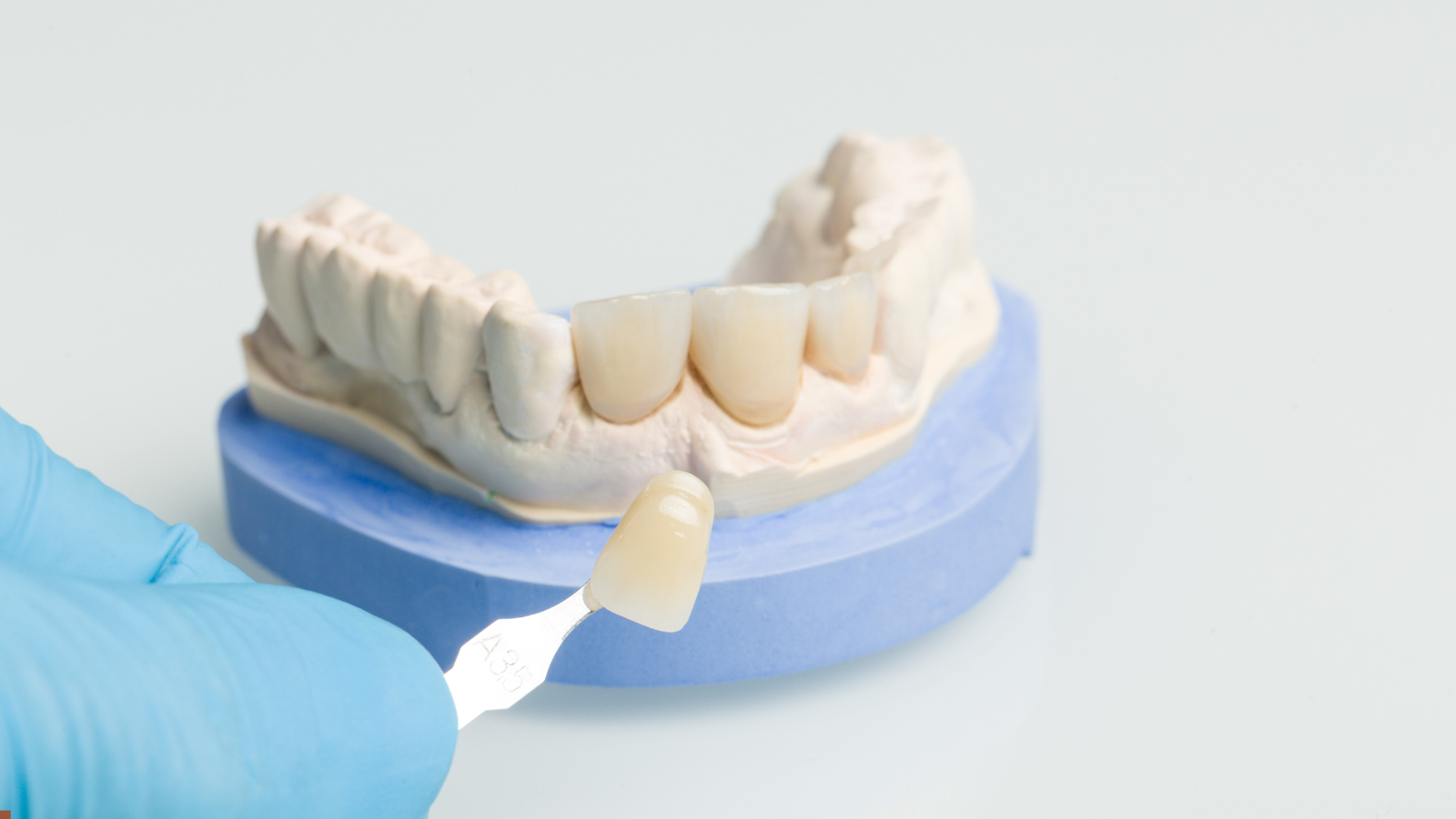
Missing one or more teeth can affect much more than your smile. It may make chewing uncomfortable, affect speech, change your bite, and influence your confidence. For many patients, dental implants can be an effective option for replacing missing teeth.
But are dental implants suitable for everyone?
Not necessarily.
If you are searching for dental implants near Noida Sector 74, the most important step is not simply finding the lowest-cost treatment. Your dentist needs to evaluate your gums, jawbone, oral hygiene, general health, bite, smoking habits, and overall treatment goals before recommending an implant.
According to the American Academy of Periodontology, ideal implant candidates generally have good overall and oral health, adequate jawbone to support the implant, and healthy gum tissues.
At The Dental Crowns, patients from Sector 74 and nearby Noida areas can discuss their missing-tooth concerns and explore personalized implant treatment options.
You can also explore the clinic’s complete Dental Services before scheduling a consultation.
What Are Dental Implants?
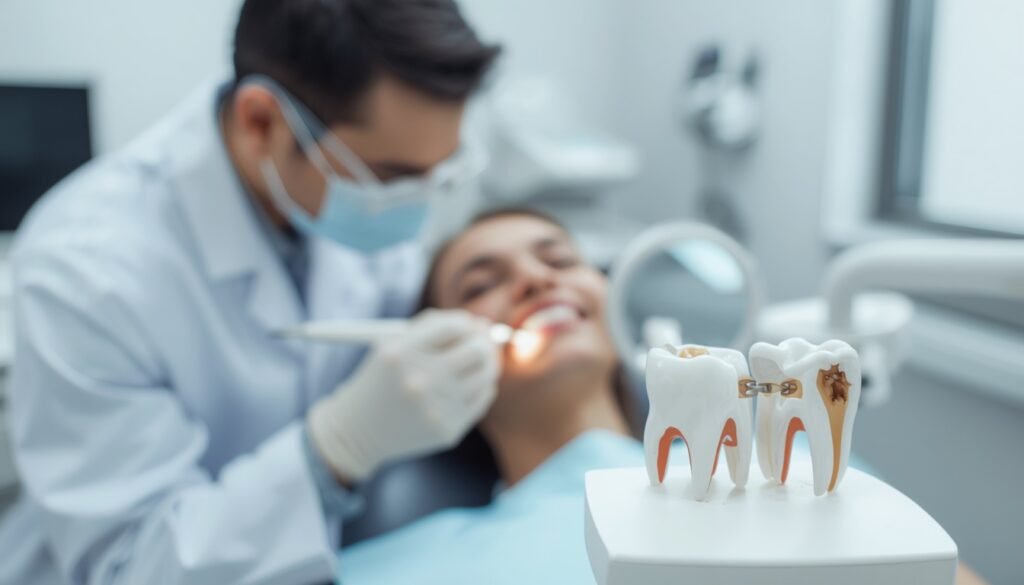
A dental implant is a tooth-replacement system designed to replace the root portion of a missing tooth. The implant is placed into the jawbone and can later support a dental crown, bridge, or other restoration.
Unlike a conventional removable denture, an implant is anchored within the jawbone.
A typical implant restoration may involve:
- Implant: The component placed into the jawbone.
- Abutment: The connector between the implant and replacement tooth.
- Dental crown: The visible tooth-shaped restoration.
The exact treatment depends on the number of missing teeth, bone condition, gum health, bite, and overall oral health.
The FDA recommends discussing the potential benefits, risks, healing time, implant system, and individual candidacy with your dental provider before treatment.
Who Is a Good Candidate for Dental Implants Near Noida Sector 74?
There is no single checklist that guarantees implant eligibility. However, several factors can indicate that you may be a suitable candidate.
1. You Have One or More Missing Teeth
The most obvious reason to consider dental implants is tooth loss.
You may be considering implants if you have:
- One missing tooth
- Multiple missing teeth
- Teeth lost because of decay
- Teeth lost because of gum disease
- Teeth lost due to an accident or injury
- Severely damaged teeth that cannot be saved
- Difficulty wearing conventional dentures
Dental implants can be used in different treatment situations, including individual tooth replacement and more extensive tooth-replacement plans.
However, your dentist needs to determine whether an implant is the best solution for your particular case.
If you have recently lost a tooth, getting an evaluation sooner rather than later can help your dentist assess the available bone and discuss suitable replacement options.
2. You Have Adequate Jawbone
Jawbone health is one of the most important factors in dental implant treatment.
An implant needs sufficient bone support for stability and integration.
If a tooth has been missing for a long period, the surrounding bone can change. This does not automatically mean that you cannot have an implant, but additional treatment may sometimes be necessary.
Depending on the individual case, your dentist may discuss procedures such as:
- Bone grafting
- Ridge preservation
- Sinus augmentation
- Other preparatory procedures
The American Academy of Implant Dentistry notes that insufficient bone does not necessarily end the possibility of implant treatment because bone grafting may sometimes be used to create a suitable foundation.
Therefore, low bone volume does not automatically mean you are not a candidate.
A professional examination and appropriate dental imaging are necessary to determine whether your jaw can adequately support an implant.
3. Your Gums Are Healthy or Can Be Treated
Healthy gums are extremely important for implant treatment.
Untreated gum disease can affect the tissues supporting your teeth and may create an unfavorable environment for an implant.
Before implant placement, your dentist may check for:
- Gum inflammation
- Periodontal disease
- Bleeding gums
- Gum recession
- Infection
- Plaque and tartar accumulation
- Bone loss
The American Academy of Periodontology specifically identifies healthy gum tissues free of periodontal disease as one of the characteristics of an ideal dental implant candidate.
If you currently have gum disease, your dentist may recommend periodontal treatment first.
That means having gum disease today does not necessarily mean you can never receive dental implants. The goal is to establish a healthier oral environment before proceeding whenever clinically appropriate.
4. You Maintain Good Oral Hygiene
Dental implants are not a replacement for regular oral hygiene.
Even though an implant-supported crown itself cannot develop tooth decay in the same way as a natural tooth, the surrounding gums and tissues still need proper care.
A good implant candidate should be willing to:
- Brush regularly
- Clean between the teeth
- Clean around the implant
- Attend regular dental check-ups
- Follow professional cleaning recommendations
- Follow post-treatment instructions
The American Academy of Implant Dentistry emphasizes the importance of proper oral hygiene and regular dental visits for people receiving implants.
The FDA also recommends carefully following oral hygiene instructions after implant treatment because maintaining the implant and surrounding teeth is important for long-term health.
If you are not currently consistent with oral hygiene, your dentist may recommend improving your routine before implant placement.
5. Your Overall Health Is Suitable for Treatment
Your general health can influence implant treatment and healing.
Certain medical conditions do not automatically prevent dental implants. However, they may require additional assessment or better control before elective implant surgery.
For example, diabetes deserves particular attention.
The American Dental Association states that dental implants can generally be safe and predictable for people with properly controlled diabetes, while poorly controlled diabetes may increase risks related to healing and implant prognosis.
Your dentist should therefore know about:
- Existing medical conditions
- Current medications
- Previous surgeries
- Healing problems
- Relevant allergies
- Any condition that could affect oral surgery or healing
Never stop or change prescribed medication simply because you are considering dental implants. Discuss your medical history with your dentist and physician when appropriate.
6. You Are Willing to Stop or Reduce Smoking
Smoking can negatively affect the environment around a dental implant.
Tobacco can affect blood flow, oxygen delivery, immune response, and healing. The American Academy of Implant Dentistry notes that smoking can increase complications and reduce implant success.
The FDA similarly warns that smoking may affect healing and decrease the long-term success of dental implants.
This does not mean every smoker is automatically rejected for implant treatment.
Instead, your dentist may discuss smoking cessation or reduction as part of your treatment planning.
If you smoke, be completely honest with your dentist. Accurate information helps the dental team assess your individual risk and plan treatment more safely.
7. You Have Realistic Expectations
Dental implants can provide excellent tooth replacement, but they are not a magic solution.
A good candidate understands that implant treatment may involve:
- Consultation
- Dental examination
- Imaging
- Treatment planning
- Possible tooth extraction or preparatory treatment
- Implant placement
- Healing and integration
- Abutment/restoration
- Follow-up care
The timeline varies significantly between patients.
Some cases are relatively straightforward, while others require additional procedures before the implant can be restored.
Your dentist should explain the expected treatment sequence, possible alternatives, potential risks, and maintenance requirements before you make a decision.
Who May Need Additional Treatment Before Dental Implants?
Not being immediately ready for an implant does not necessarily mean implants are impossible.
Your dentist may first recommend treatment if you have:
- Active gum disease
- Untreated dental infection
- Insufficient bone
- Poor oral hygiene
- Poorly controlled diabetes
- Significant smoking or tobacco use
- Certain medical conditions affecting healing
- Inadequate space for the planned restoration
For example, bone grafting may sometimes be considered when there is insufficient bone for conventional implant placement.
The correct approach is to treat the underlying problem first and then reassess implant suitability.
Can Diabetic Patients Get Dental Implants?
Yes, some patients with diabetes can receive dental implants, particularly when their diabetes is well controlled.
The American Dental Association reports that implant treatment can be safe and predictable in appropriately controlled diabetic patients. Poorly controlled diabetes, however, can increase the risk of delayed healing and complications.
Therefore, diabetes should be viewed as a factor requiring careful assessment rather than an automatic “no.”
Your dentist may consider your medical history and relevant health measurements when determining whether implant treatment is appropriate.
Can Smokers Get Dental Implants?
Smoking does not necessarily mean that implant treatment is impossible, but it can make treatment less favorable.
Smoking has been associated with impaired healing and increased implant-related risks.
If you smoke and are considering dental implants near Noida Sector 74, tell your dentist how frequently you smoke and whether you use cigarettes or other tobacco products.
Your dental team can then discuss realistic risks and smoking-cessation strategies.
What Tests Are Done Before Dental Implant Treatment?
A dental implant consultation is more than simply looking at the missing tooth.
Your dentist may evaluate:
Oral Examination
Your teeth, gums, bite, and existing dental restorations may be examined.
Dental Imaging
X-rays or other imaging may be recommended to assess:
- Jawbone height
- Bone width
- Tooth roots
- Anatomical structures
- Potential infection
- Implant positioning
Medical History
Your dentist may ask about:
- Diabetes
- Medications
- Smoking
- Previous surgeries
- Healing problems
- Relevant medical conditions
Treatment Planning
Your dentist will then determine whether you are a candidate and which tooth-replacement option is appropriate.
The FDA recommends discussing overall health, risks, benefits, healing, and candidacy with your dental provider before choosing implants.
Dental Implants vs Dental Bridges: Which Is Better?
Dental implants are not the only way to replace missing teeth.
Depending on your situation, your dentist may discuss:
| Option | May Be Considered For |
|---|---|
| Dental Implant | Replacement of one or more missing teeth |
| Dental Bridge | Replacing a missing tooth using adjacent teeth for support |
| Denture | Replacing multiple or complete sets of missing teeth |
| Implant-Supported Restoration | Certain multiple-tooth or full-arch cases |
There is no universally “best” option.
Your choice depends on:
- Number of missing teeth
- Bone condition
- Gum health
- Adjacent teeth
- Budget
- Treatment preferences
- Overall health
- Long-term maintenance
For another useful comparison, read Dental Implants vs Bridges: Which Is Better for a Missing Tooth? on The Dental Crowns website.
What Makes The Dental Crowns a Convenient Option Near Sector 74?
If you are searching for dental implants near Noida Sector 74, location is only one part of the decision.
The Dental Crowns is located at:
Shop No. 16, 1st Floor, Civitech Stadia, Sector 79, Noida, Uttar Pradesh 201301.
The clinic provides implant treatment along with general, cosmetic, restorative, and surgical dental services.
The clinic’s website identifies Dr. Anubhav Kesari, BDS, MDS, Associate Professor & Maxillofacial Prosthodontist & Oral Implantologist, as its founder.
If you are located in Sector 74 or nearby areas, you can contact the clinic to discuss whether an implant consultation is appropriate for you.
Phone: +91 89202 71787
You can also visit the Contact Us page to enquire about an appointment.
Medical References:
- American Dental Association – Diabetes and Dental Care
- American Academy of Periodontology – Dental Implant Procedures
- FDA – Dental Implants: What You Should Know
- American Academy of Implant Dentistry – Dental Implant Information
- AAID – Smoking and Dental Implants
- AAID – Dental Implant Candidate Characteristics