
If you are searching for root canal treatment near Noida Sector 78, one of the first questions you may have is: “Is root canal treatment painful?”
The good news is that modern root canal treatment is designed to keep patients comfortable. With local anaesthesia, advanced dental techniques, and proper treatment planning, most patients experience little to no pain during the procedure. You may experience some mild soreness or sensitivity afterward, but this usually improves as the treated tooth and surrounding tissues recover.
At The Dental Crowns, patients from Noida Sector 78 and nearby sectors can access painless root canal treatment at the clinic in nearby Sector 79. The clinic offers root canal treatment along with dental crowns, implants, laser dentistry, and other dental services.
If you are experiencing persistent toothache, sensitivity, swelling, or pain while chewing, a dental examination can help determine whether root canal treatment is necessary.
Is Root Canal Treatment Painful?
The short answer is usually no.
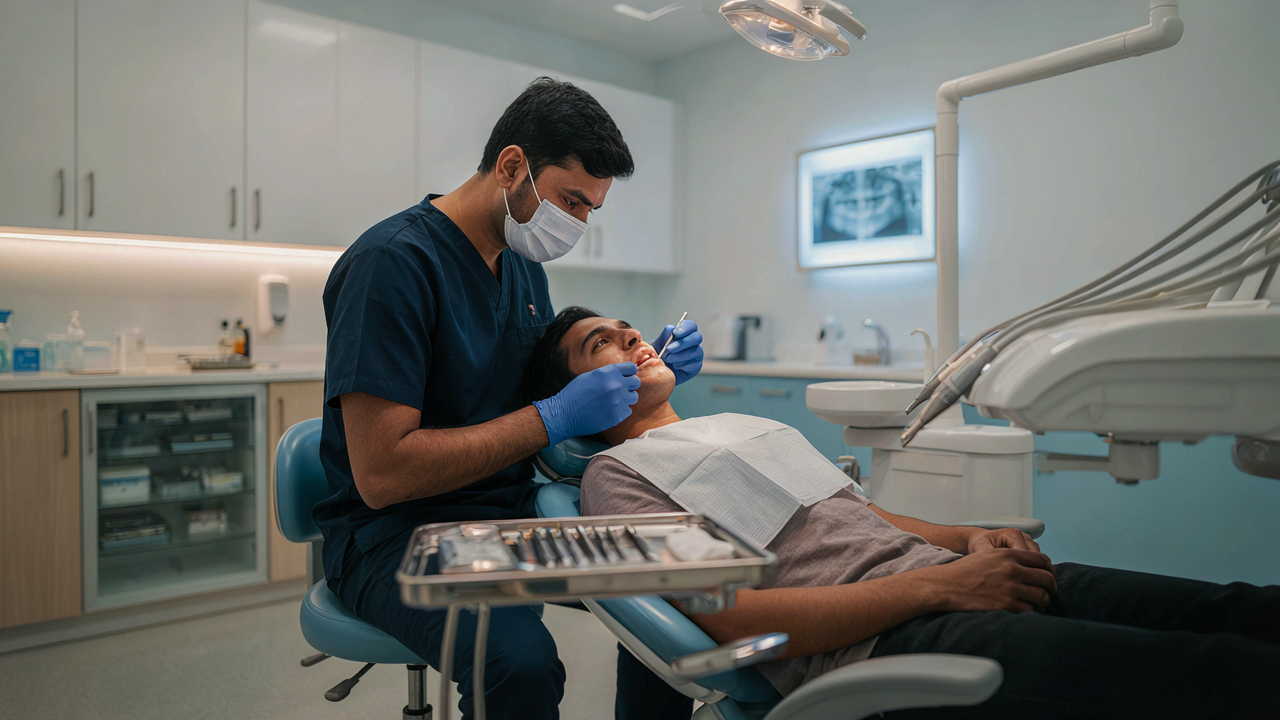
Before starting root canal treatment, your dentist generally uses local anaesthesia to numb the tooth and surrounding area. This means you should remain awake during the procedure but should not feel significant pain.
The NHS explains that local anaesthetic is normally used during root canal treatment so that the patient does not feel pain while the dentist works on the tooth.
Some patients may feel:
- Mild pressure during treatment
- Vibration from dental instruments
- Slight discomfort from keeping the mouth open
- Mild soreness after the anaesthesia wears off
However, severe pain during a properly anaesthetised root canal procedure is not expected. If you feel discomfort during treatment, tell your dentist immediately so additional anaesthesia or other comfort measures can be provided.
Why Do People Think Root Canal Treatment Hurts?
The fear surrounding root canal treatment often comes from the fact that the tooth requiring treatment may already be extremely painful.
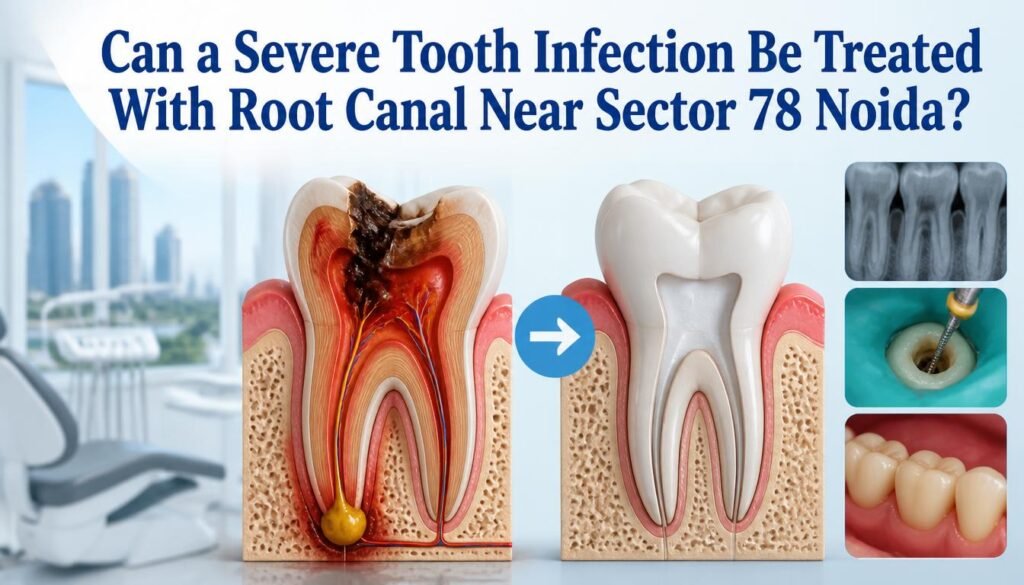
An infected or inflamed dental pulp can cause:
- Severe or throbbing toothache
- Sensitivity to hot or cold foods
- Pain while chewing
- Tender gums
- Swelling
- Tooth discoloration
- Pain that spreads toward the jaw, ear, or face
In many cases, the infection is responsible for the pain—not the root canal procedure itself.
A root canal removes the infected or inflamed pulp from inside the tooth, cleans and disinfects the root canals, and seals the tooth. This helps eliminate the source of infection and allows the natural tooth to be preserved.
According to Cleveland Clinic, root canals are commonly performed to remove infected pulp and save the natural tooth. Modern anaesthesia also makes the procedure generally no more uncomfortable than receiving a filling.
What Happens During Root Canal Treatment?
Understanding the procedure can make it much less intimidating.
1. Dental Examination
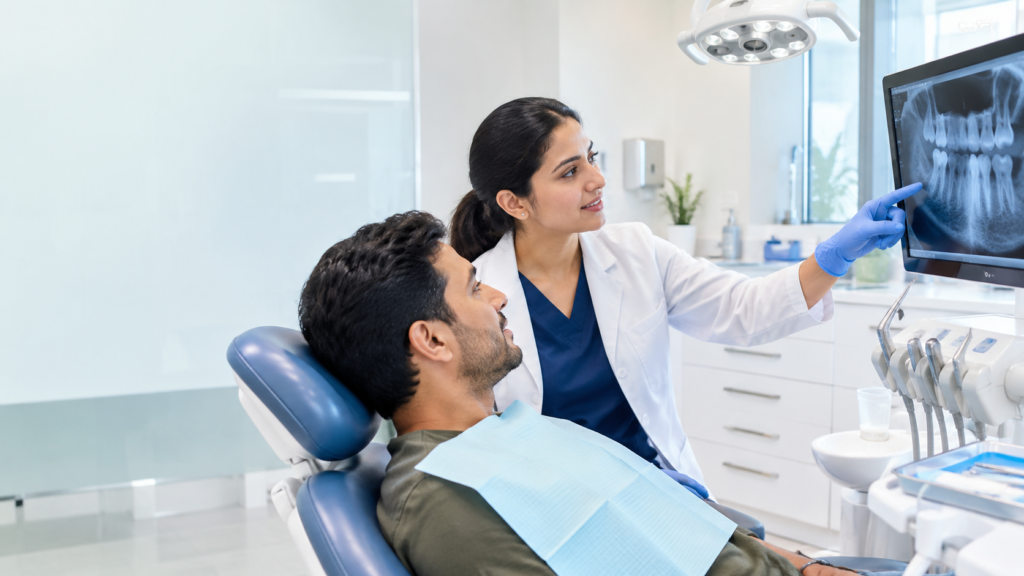
Your dentist first examines the tooth and may take an X-ray or perform other diagnostic tests. This helps determine the extent of infection and whether root canal treatment is appropriate.
2. Local Anaesthesia
The affected area is numbed using local anaesthesia. This is an important step in making the procedure comfortable.
3. Accessing the Tooth
A small opening is made in the tooth to reach the infected or inflamed pulp.
4. Removing the Infection
The damaged pulp is carefully removed from inside the tooth.
5. Cleaning and Shaping the Canals
The root canals are cleaned, disinfected, and shaped so that bacteria and infected material can be removed as effectively as possible.
6. Filling and Sealing
The cleaned canals are filled and sealed to help prevent further infection.
7. Final Restoration
Depending on the amount of tooth structure remaining, your dentist may recommend a permanent filling or a dental crown to protect the tooth and restore its function.
You can explore the painless root canal treatment service at The Dental Crowns to learn more about the clinic’s approach.
Can Root Canal Treatment Be Painless?
Yes. Modern dentistry has several ways of improving patient comfort during root canal treatment.
At The Dental Crowns, the clinic describes its painless root canal approach as incorporating advanced techniques and laser technology to improve precision and patient comfort.
The goal of painless dentistry is not simply to remove pain during treatment but also to make the overall dental experience less stressful.
Important factors include:
- Effective local anaesthesia
- Careful diagnosis
- Gentle dental techniques
- Modern instruments
- Appropriate infection control
- Proper treatment planning
- Communication between dentist and patient
Every case is different, so your dentist should determine which techniques are appropriate for your tooth.
Does Root Canal Treatment Hurt After the Procedure?
Some patients experience mild soreness or sensitivity after root canal treatment.
This can happen because the tissues around the treated tooth may remain irritated for a short period after the procedure.
You may notice:
- Mild tenderness when biting
- Slight gum soreness
- Temporary sensitivity
- A feeling of pressure around the tooth
This discomfort generally improves as the area heals.
The NHS notes that the area around a treated tooth can feel swollen or sore after treatment and that this should improve during recovery.
However, if you experience severe, worsening, or persistent pain, significant swelling, fever, or other concerning symptoms, contact your dentist promptly.
How Long Does Root Canal Treatment Take?
The duration of root canal treatment depends on the tooth and the complexity of the infection.
A simple case may be completed relatively quickly, while a molar can require more time because it usually has multiple canals and more complicated anatomy.
Factors that can influence treatment time include:
- Number of root canals
- Shape and curvature of the canals
- Severity of infection
- Tooth location
- Previous root canal treatment
- Presence of an abscess
- Complexity of the tooth
- Need for additional restoration
Some suitable cases may be completed in a single sitting, while others may require multiple appointments.
Therefore, if you are searching for single-sitting root canal treatment near Noida Sector 78, remember that the number of appointments should be based on the clinical condition of your tooth rather than simply choosing the fastest treatment.
Who May Need Root Canal Treatment?
Root canal treatment may be recommended when the pulp inside a tooth becomes infected or severely inflamed.
Common causes include:
Deep Tooth Decay
Untreated cavities can progress deep into the tooth and eventually affect the pulp.
Cracked or Broken Teeth
A crack can allow bacteria to reach the inner part of the tooth.
Dental Trauma
An injury can damage the pulp even when the outside of the tooth does not appear severely damaged.
Repeated Dental Procedures
Repeated treatment on the same tooth can sometimes affect the pulp.
Dental Infection or Abscess
A bacterial infection can cause an abscess, swelling, and significant pain.
If you have symptoms such as persistent toothache, swelling, or sensitivity, it is better to get the tooth examined instead of waiting for the symptoms to disappear.
What Are the Signs You May Need a Root Canal?
Not every toothache requires root canal treatment. A dentist needs to diagnose the underlying cause.
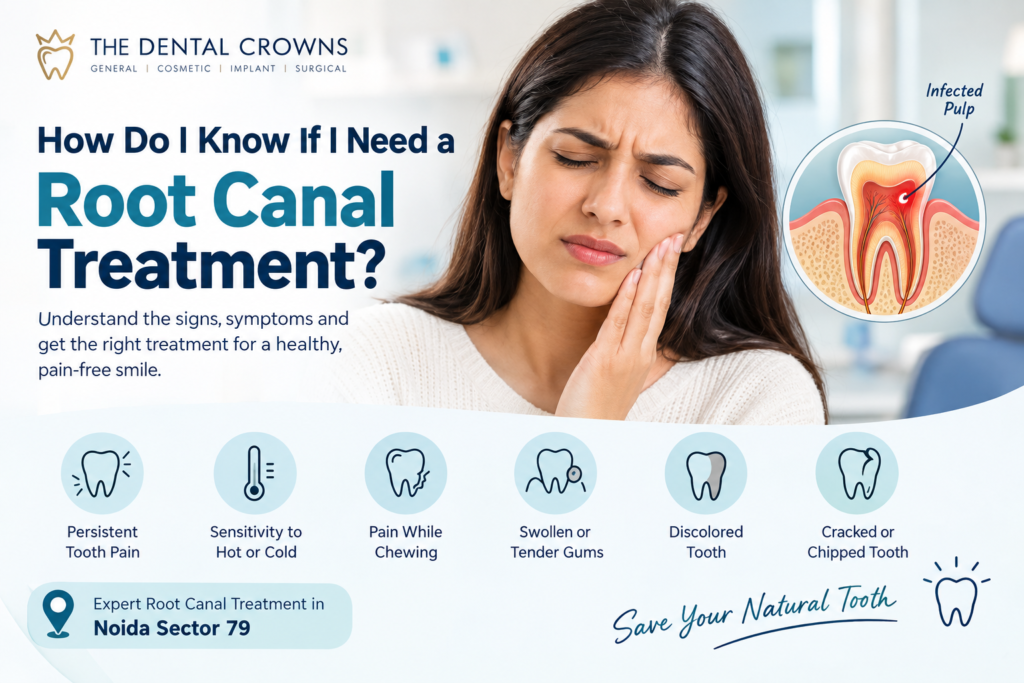
However, possible warning signs include:
- Persistent tooth pain
- Severe sensitivity to hot or cold
- Pain when biting or chewing
- Swelling around the tooth
- Tender or swollen gums
- A recurring pimple or boil on the gums
- Darkening of a tooth
- Pain that radiates toward the jaw or face
- An unpleasant taste caused by drainage
According to Cleveland Clinic, symptoms such as swelling, pain when chewing, gum tenderness, tooth discoloration, and drainage can occur with an infected tooth.
Early dental evaluation can help identify the problem before the infection causes further damage.
What Happens If You Delay Root Canal Treatment?
Ignoring persistent tooth pain does not necessarily mean the problem has gone away.
If the pulp is infected, the infection may continue spreading inside or around the tooth. In some situations, untreated infection can result in an abscess or damage to surrounding tissues.
The NHS explains that an infected tooth may eventually require extraction if root canal treatment is not performed when necessary.
Getting professional dental advice early can therefore help determine whether the tooth can be saved.
Will I Need a Dental Crown After Root Canal Treatment?
A crown may be recommended after root canal treatment, particularly when a significant amount of tooth structure has been lost.
A root canal treats the infection inside the tooth, while a crown can help restore and protect the remaining tooth structure.
Whether you need a crown depends on factors such as:
- Which tooth was treated
- Amount of remaining tooth structure
- Size of the previous filling
- Tooth strength
- Location of the tooth
- Your dentist’s clinical assessment
If your dentist recommends a crown, you can learn more about dental crown treatment at The Dental Crowns
Why Choose a Dental Clinic Near Noida Sector 78?
Convenience matters when you need dental treatment.
Patients living in Sector 78 may prefer a clinic that is easily accessible from nearby residential areas and sectors. The Dental Crowns is located at Civitech Stadia, Sector 79, Noida, making it a nearby option for patients searching for dental treatment around Sector 78.
The clinic’s listed dental services include painless root canal treatment, dental crowns, implants, laser dentistry, tooth-coloured restorations, bridges, dentures, and other dental treatments.
Before choosing any dental clinic, consider:
- Dentist’s qualifications and experience
- Diagnostic facilities
- Infection-control practices
- Treatment technology
- Explanation of treatment options
- Post-treatment care
- Patient comfort
- Overall treatment plan
The goal should not simply be to find the cheapest or fastest root canal. It should be to receive appropriate treatment that helps preserve your natural tooth.
How Can You Prepare for Root Canal Treatment?
If you have an upcoming root canal appointment, a few simple steps can make the experience easier.
Tell Your Dentist About Your Symptoms
Explain when the pain started, what triggers it, and whether you have swelling or sensitivity.
Ask Questions
Do not hesitate to ask your dentist how many appointments may be required and what type of restoration you may need afterward.
Follow Pre-Treatment Instructions
If your dentist provides specific instructions, follow them carefully.
Discuss Anxiety
If you are nervous about dental treatment, tell your dentist before the procedure. Knowing that you are anxious allows the dental team to take additional steps to make you comfortable.
How Can You Care for Your Tooth After RCT?
After root canal treatment, follow your dentist’s instructions carefully.
General precautions may include:
- Avoid chewing hard foods on the treated tooth until advised
- Maintain regular brushing and flossing
- Attend follow-up appointments
- Get the recommended permanent restoration
- Avoid delaying a recommended crown
- Contact your dentist if pain becomes severe or continues to worsen
The treated tooth still requires proper oral hygiene. Root canal treatment removes infection from inside the tooth, but the surrounding teeth and gums still need regular care.
Root Canal Treatment Near Noida Sector 78: Is It Worth Getting?
If your tooth has an infection or damaged pulp, root canal treatment can be an effective way to treat the problem while preserving your natural tooth.
And the answer to the most common question—“Is root canal treatment painful?”—is generally reassuring.
With modern local anaesthesia and appropriate dental techniques, most patients should not experience significant pain during the procedure. Some mild soreness afterward can occur, but it is generally temporary.
If you live in or around Noida Sector 78 and have persistent tooth pain, swelling, sensitivity, or discomfort while chewing, consider getting the tooth professionally evaluated rather than delaying treatment.
The Dental Crowns provides painless root canal treatment in nearby Sector 79, Noida, along with other restorative and general dental services.
Frequently Asked Questions
Is root canal treatment painful?
Root canal treatment is generally performed under local anaesthesia, so patients should not feel significant pain during the procedure. Mild soreness or sensitivity can occur afterward.
Is painless root canal treatment available near Noida Sector 78?
Yes. Patients in Sector 78 can consider dental clinics in nearby areas, including The Dental Crowns in Sector 79, Noida.
How many sittings are required for RCT?
It depends on the tooth, infection, canal anatomy, and treatment complexity. Some cases can be completed in one sitting, while others may require multiple appointments.
Can I eat normally after root canal treatment?
Your dentist may recommend avoiding chewing on the treated tooth until the permanent restoration is completed. Follow the specific instructions provided after treatment.
Do I need a crown after root canal treatment?
Not every tooth requires the same restoration. A crown may be recommended when substantial tooth structure has been lost or when additional protection is needed.
How do I know if I need a root canal?
Persistent toothache, pain while chewing, prolonged hot or cold sensitivity, swelling, tenderness, or tooth discoloration can be warning signs. A dentist needs to examine the tooth to confirm the diagnosis.
Final Takeaway
Root canal treatment near Noida Sector 78 does not have to be a painful experience.
Modern anaesthesia and dental techniques can make the procedure comfortable for most patients. The bigger concern is often delaying treatment when an infected tooth needs attention.
If you are experiencing ongoing dental pain, sensitivity, swelling, or pain while chewing, schedule a dental examination and discuss your treatment options with a qualified dentist.
For patients around Sector 78, The Dental Crowns in nearby Sector 79, Noida, offers painless root canal treatment and a range of restorative and general dentistry services.