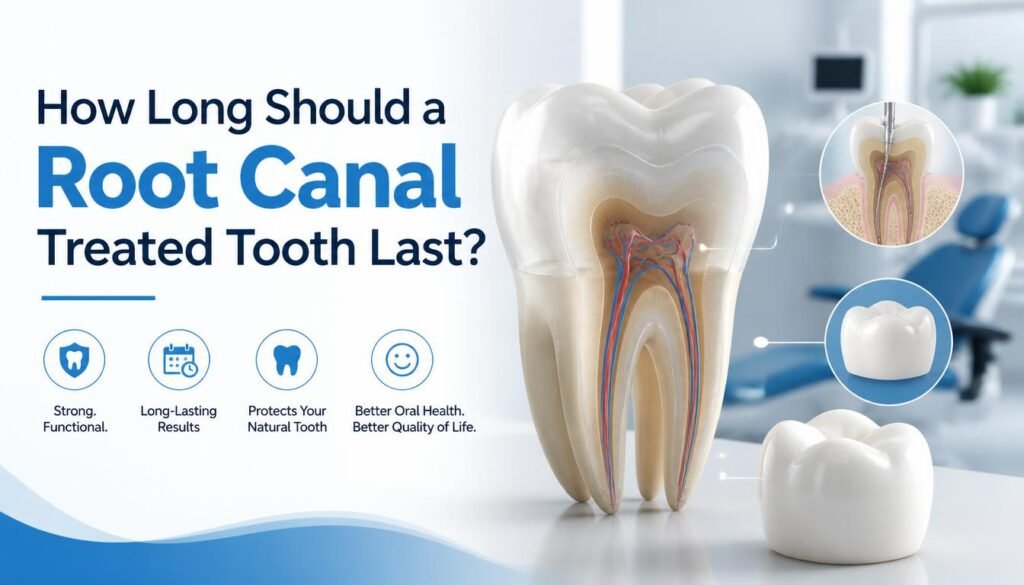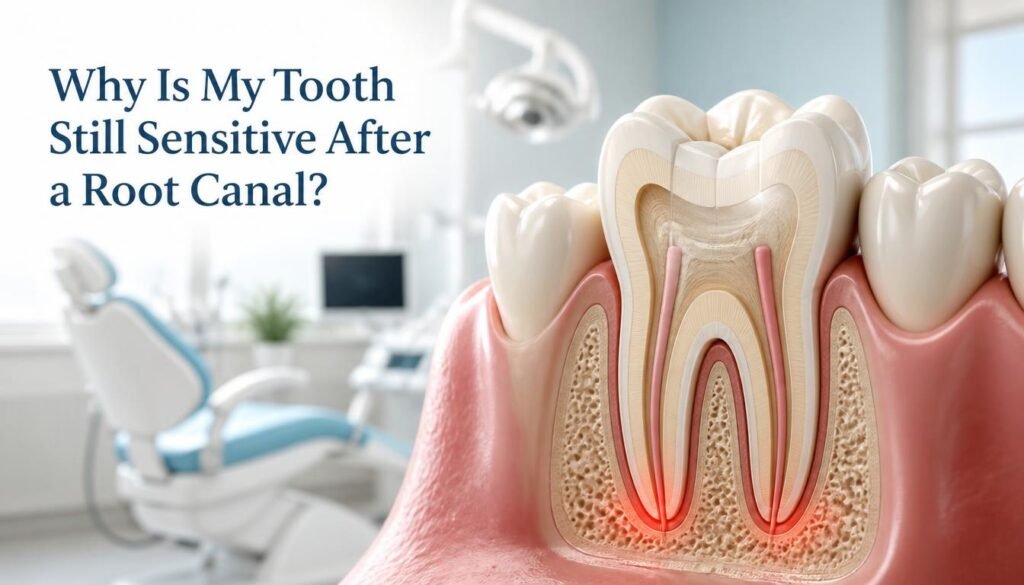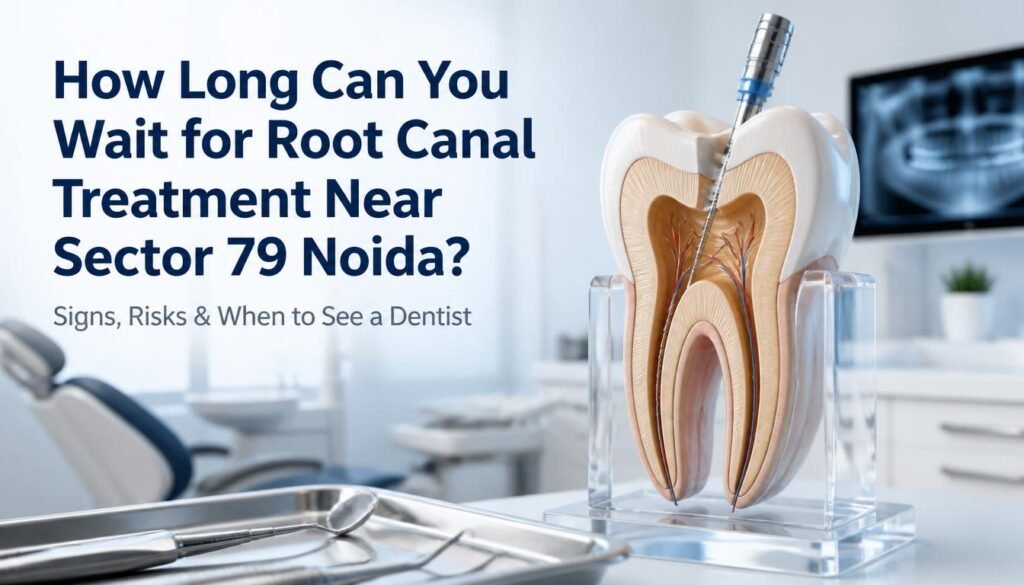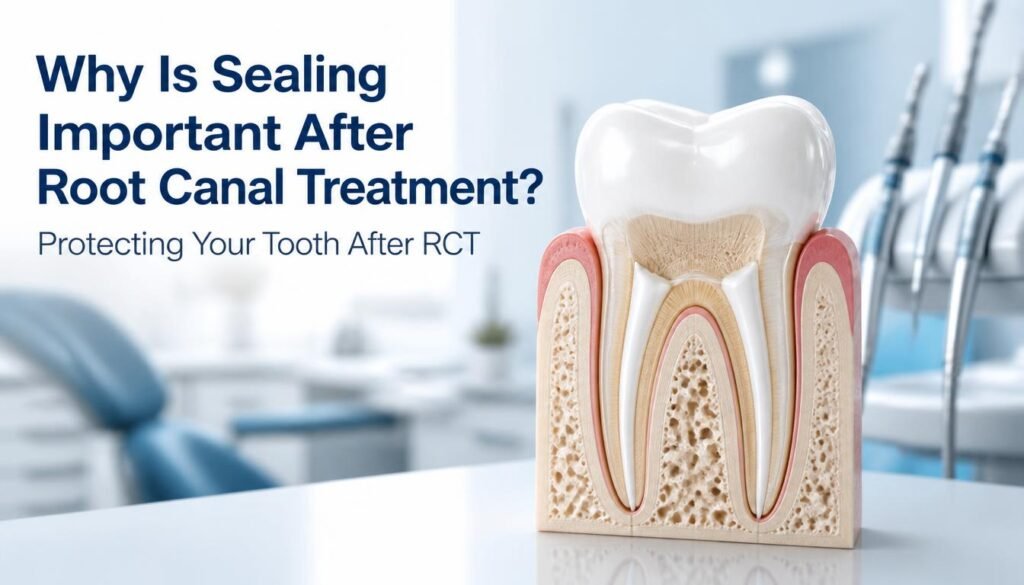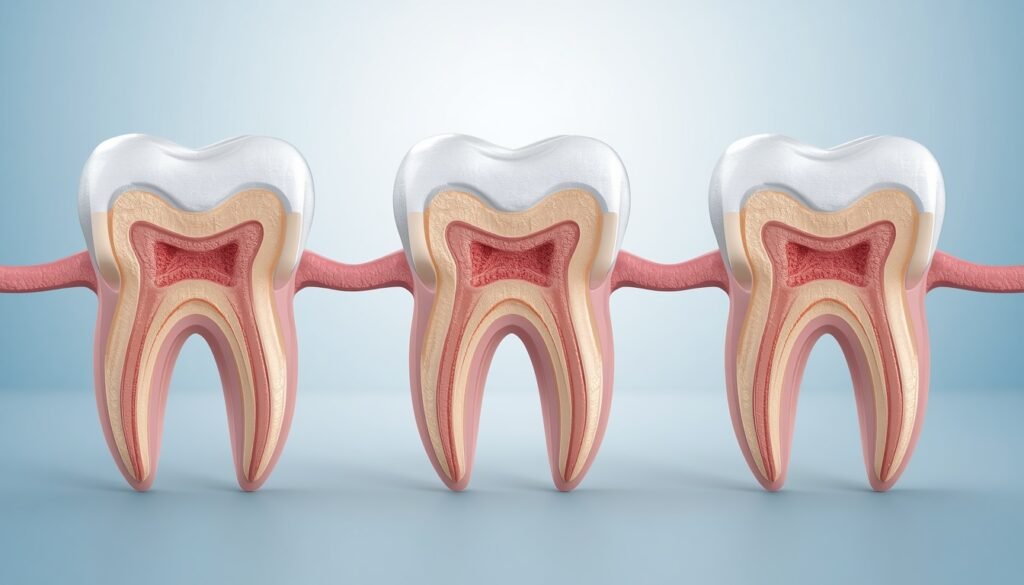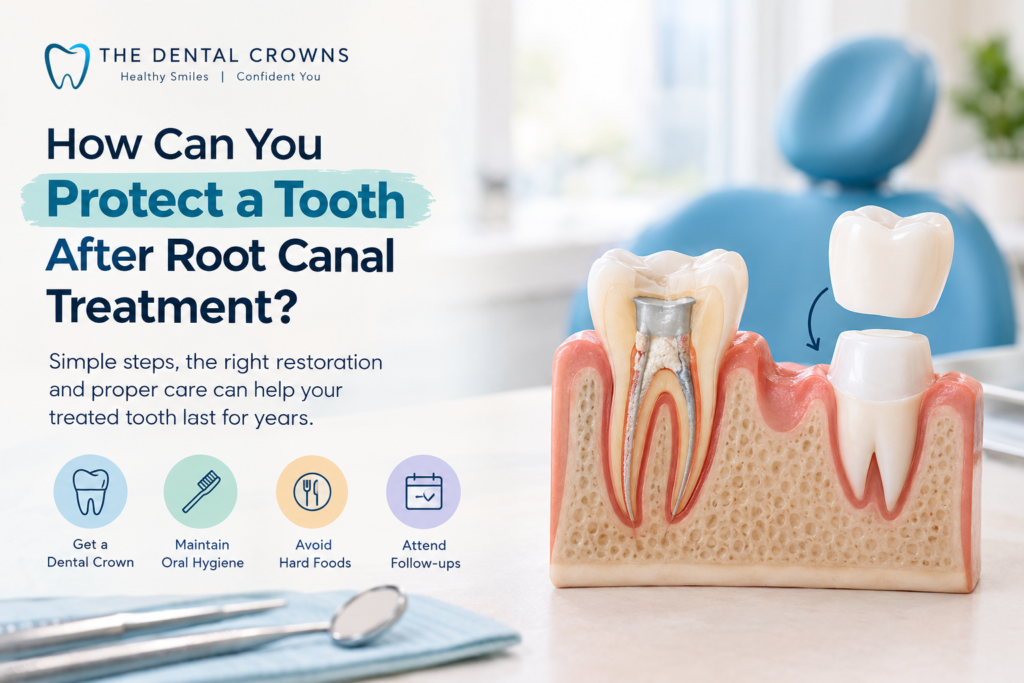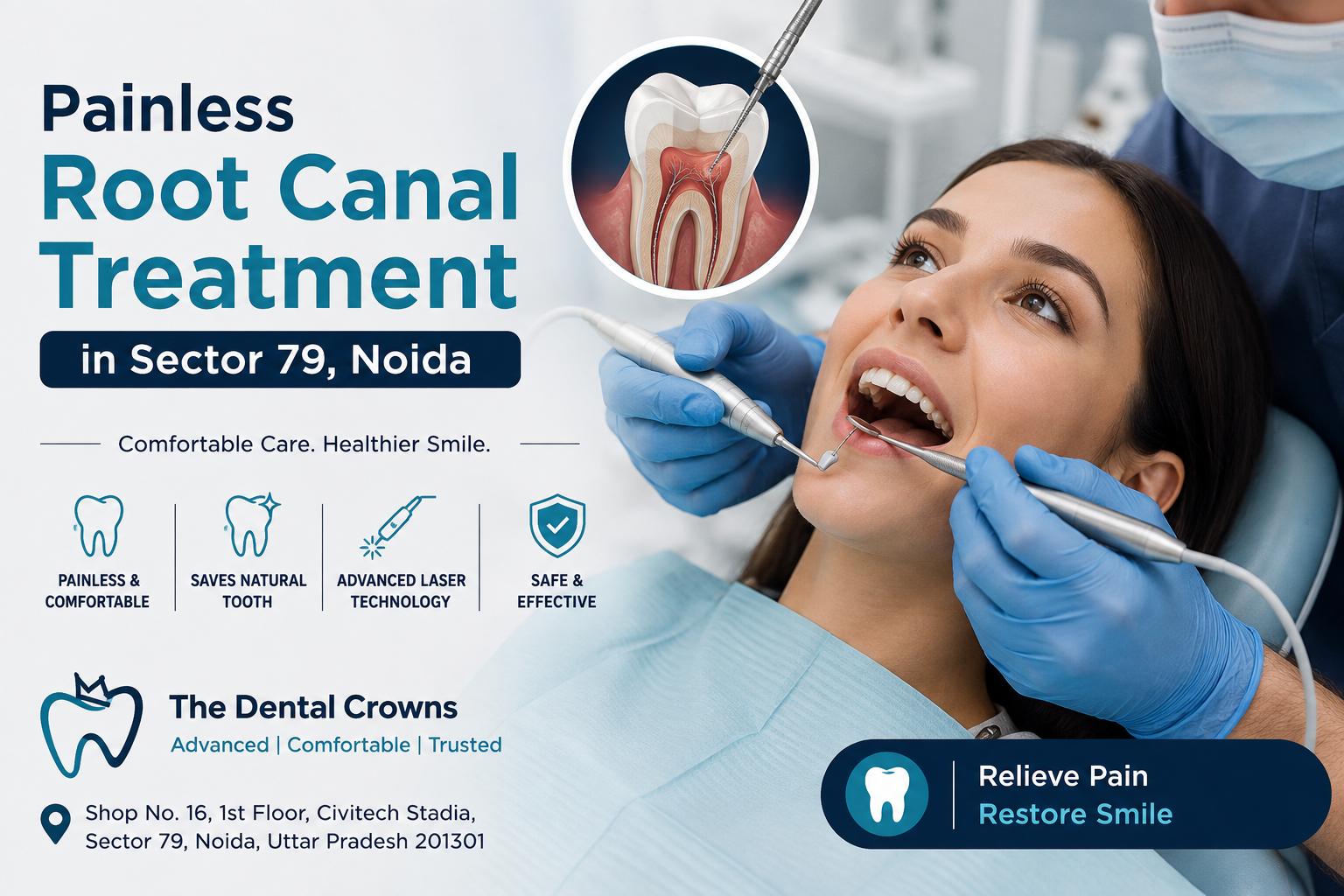
A root canal treatment is designed to remove infected or inflamed pulp from inside a tooth, clean and seal the root canal system, and help preserve the natural tooth. But completing the root canal is not always the final step.
Root canal restoration near Sector 79 Noida usually refers to the restorative stage that follows endodontic treatment. Depending on how much healthy tooth structure remains, your dentist may recommend a filling, onlay, dental crown, or another suitable restoration to protect the tooth and restore normal function.
If you have recently undergone root canal treatment or are planning your restoration, understanding what happens afterward can help you take better care of your treated tooth.
What Happens After Root Canal Treatment?
After the root canal procedure, the tooth may need time to settle. It is common for the tissues around the treated tooth to feel mildly tender or sensitive for some time.
Your dentist may place a temporary filling if the permanent restoration is scheduled for a later appointment. The exact restoration and timing depend on the condition of the tooth, the amount of remaining tooth structure, your bite, and other clinical factors.
The goal of restoration is to help seal and protect the treated tooth while allowing you to return to normal chewing and oral hygiene.
Why Is Root Canal Restoration Important?
A tooth that has undergone root canal treatment may still have significant structural damage from decay, cracks, previous fillings, or the treatment itself.
A proper restoration can help:
- Protect the remaining tooth structure
- Restore the tooth’s shape
- Improve chewing function
- Seal the tooth from the oral environment
- Support long-term maintenance of the treated tooth
- Improve appearance when an appropriate tooth-coloured restoration is selected
The American Association of Endodontists notes that delaying placement of a crown or other restoration can be one factor associated with problems after root canal treatment.
Do You Always Need a Dental Crown After Root Canal Treatment?
Not necessarily.
Whether a crown is appropriate depends on several factors, including:
- Which tooth was treated
- How much natural tooth structure remains
- Whether the tooth has already been heavily restored
- The amount of chewing pressure the tooth receives
- The presence of cracks or other structural problems
- Your dentist’s assessment of the tooth
Back teeth often experience significant chewing forces, so a dentist may recommend a crown when additional protection is appropriate.
For some teeth, another type of restoration may be suitable.
If you are considering a crown, you can learn more about dental crown treatment in Noida Sector 79 and discuss which restoration is appropriate for your tooth.
What Is the Process of Root Canal Restoration?
The restoration process can vary from patient to patient, but it commonly involves several stages.
1. Examination of the Treated Tooth
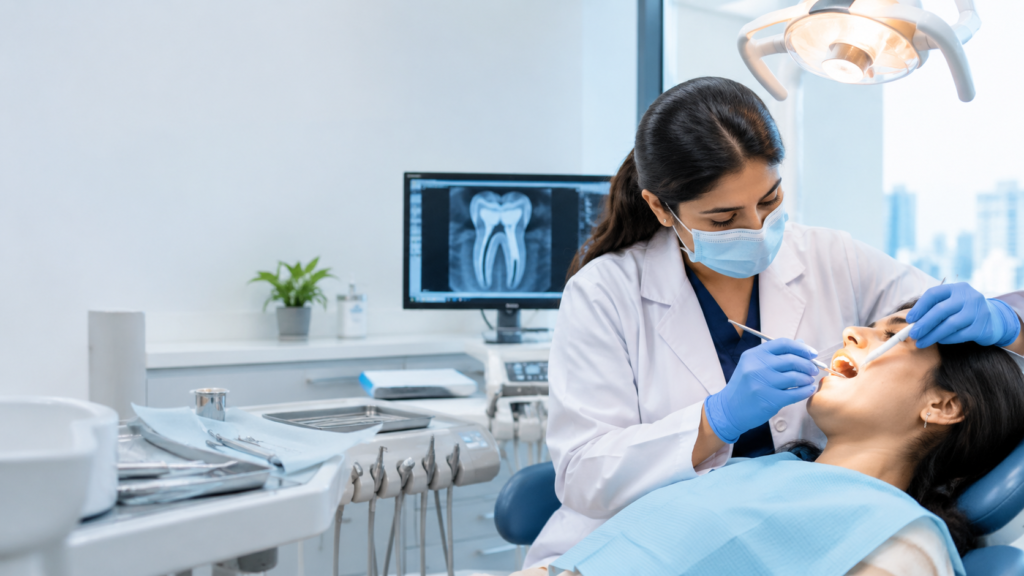
Your dentist first evaluates the root-canal-treated tooth. The examination may include checking the tooth, surrounding gums, bite and available tooth structure.
In some cases, dental X-rays or other diagnostic information may be considered.
2. Planning the Permanent Restoration
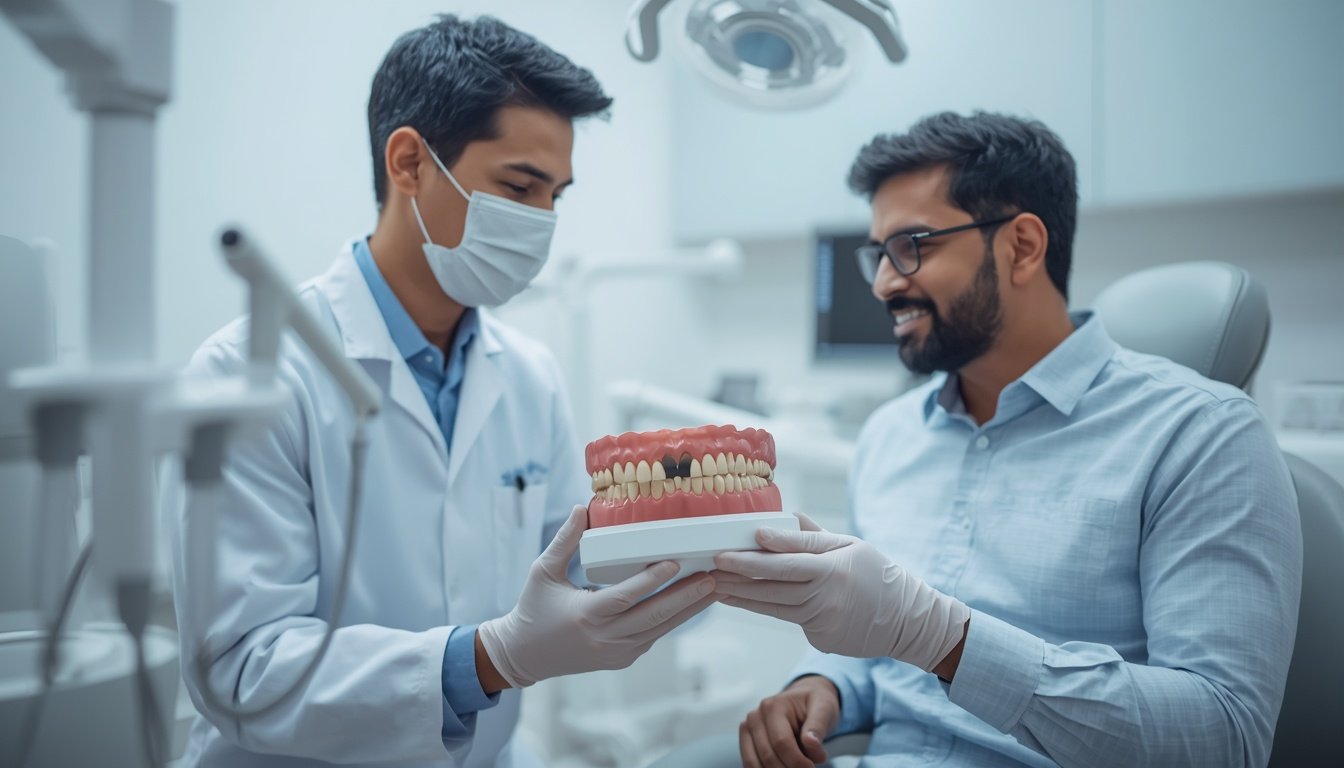
Once the dentist determines the condition of the tooth, they can discuss the most appropriate restoration.
Depending on the situation, this may involve a:
- Dental filling
- Onlay
- Dental crown
- Other restorative option
The choice should be based on the clinical condition of the tooth rather than simply selecting the most expensive option.
3. Tooth Preparation
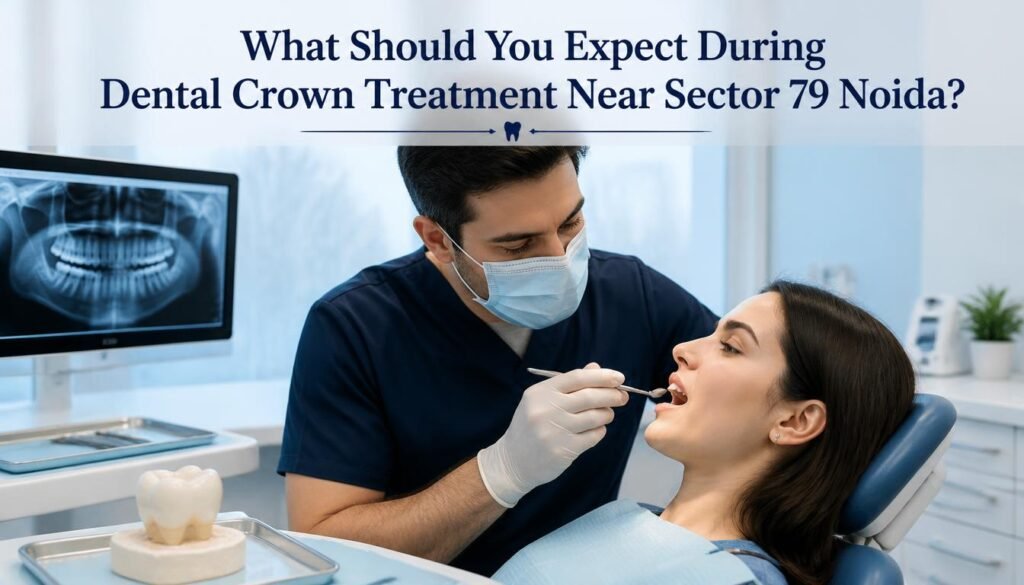
If a crown is recommended, the dentist prepares the remaining tooth structure so the restoration can fit properly.
The amount of preparation varies according to the tooth and restoration being used.
4. Impression or Digital Scan
Your dentist may take a traditional impression or use a digital scanning system to create an accurate model of the tooth.
This information is used to fabricate the customized restoration.
5. Temporary Restoration
In some cases, a temporary restoration is placed while the permanent restoration is being prepared.
During this period, following your dentist’s instructions is particularly important.
6. Permanent Restoration Placement
Once the final restoration is ready, your dentist checks its fit, shape, contacts and bite before securing it to the tooth.
A properly fitting restoration should allow comfortable function and support normal oral hygiene.
How Long Does It Take to Recover After Root Canal Restoration?
Recovery varies depending on the individual tooth and the procedures performed.
After root canal treatment, mild soreness around the treated tooth can occur. The NHS notes that the area may feel swollen or sore but should improve as the tissues recover.
If a permanent restoration has been placed, your dentist may give you specific instructions about eating, brushing and flossing.
Avoid putting unnecessary stress on the treated tooth until your dentist confirms that it is ready for normal use.
What Should You Eat After Root Canal Treatment?
Your dentist may recommend being cautious with chewing immediately after treatment, particularly if the tooth has a temporary filling.
Generally, it can be sensible to:
- Choose softer foods if the tooth is tender
- Avoid chewing hard foods directly on the treated tooth
- Avoid biting hard objects such as ice or pens
- Follow any specific dietary instructions provided by your dentist
Once the permanent restoration is properly placed and your dentist confirms that the tooth can be used normally, you can generally return to your regular diet.
How Should You Care for a Root-Canal-Treated Tooth?
A root-canal-treated tooth still requires regular oral hygiene.
Continue to:
Brush Twice a Day
Use a fluoride toothpaste and brush gently around the treated tooth and gumline.
Clean Between Your Teeth
Floss or use another dentist-recommended interdental cleaning method to remove plaque from areas a toothbrush cannot reach.
Attend Dental Checkups
Regular dental examinations can help your dentist monitor the restoration, gums and surrounding teeth.
Protect the Restoration
Avoid habits such as biting fingernails, opening packages with your teeth, or chewing extremely hard objects.
Complete the Restoration
If your dentist has recommended a permanent crown or another restoration after root canal treatment, do not unnecessarily postpone the appointment.
Is Some Pain Normal After Root Canal Restoration?
Some tenderness or sensitivity can occur following dental treatment.
However, persistent, severe or worsening pain should not simply be ignored.
Contact your dentist if you experience symptoms such as:
- Increasing pain rather than gradual improvement
- Significant swelling
- A recurring or persistent abscess
- Pain when biting that does not settle
- A loose or damaged restoration
- A feeling that the restored tooth hits first when you bite
- New symptoms developing around a previously treated tooth
A dentist can examine the tooth and determine whether further treatment is required.
What If a Root-Canal-Treated Tooth Starts Hurting Again?
A tooth that previously received root canal treatment can sometimes develop problems months or even years later.
According to the American Association of Endodontists, possible reasons include untreated or complicated canal anatomy, persistent infection, inadequate sealing, or problems associated with delayed or unsuccessful restoration.
This does not automatically mean that the tooth needs to be removed.
Depending on the cause, your dentist or endodontist may evaluate options such as nonsurgical retreatment, surgical endodontic treatment, or another restorative approach.
Can a Dental Crown Fail After Root Canal Treatment?
Like any dental restoration, a crown can develop problems.
Possible issues may include:
- Chipping or fracture
- Loosening
- Recurrent decay around the restoration
- Gum problems
- Bite-related discomfort
- Fracture of the underlying tooth
Good oral hygiene, regular dental examinations and avoiding damaging habits can help maintain the restoration.
If you notice that your crown feels loose, cracked or uncomfortable, arrange a dental examination rather than trying to repair it yourself.
When Should You Schedule a Root Canal Restoration?
The timing depends on the condition of your tooth and your dentist’s treatment plan.
If you have completed root canal treatment but are still waiting for the permanent restoration, ask your dentist when it should be completed.
This is particularly important when the tooth has substantial structural loss and requires additional protection.
Root Canal Restoration Near Sector 79 Noida
If you live in Sector 79 Noida, having your follow-up restoration performed conveniently can make it easier to attend examinations and complete the treatment plan.
The Dental Crowns is located at Civitech Stadia, Sector 79, Noida, and provides dental services including root canal treatment and dental crown treatment.
Patients from nearby areas can consult the dental team for an examination and discuss suitable restoration options based on their individual dental condition.
Frequently Asked Questions
What happens after a root canal?
After root canal treatment, the tooth is usually restored with a suitable filling, crown, onlay or another restoration depending on its condition. Follow-up care is important to monitor healing and protect the tooth.
How soon should a crown be placed after root canal treatment?
There is no single timeline that applies to every patient. Your dentist will determine when the permanent restoration should be completed based on the tooth’s condition and treatment plan.
Can I eat normally after a root canal?
You may need to avoid chewing heavily on the treated tooth while it is numb or has a temporary restoration. Follow your dentist’s specific instructions.
Is sensitivity normal after root canal treatment?
Some tenderness or sensitivity can occur after treatment. However, severe, persistent or worsening symptoms should be evaluated by a dentist.
Can a root-canal-treated tooth last for many years?
With appropriate treatment, restoration and ongoing oral care, a root-canal-treated tooth can function for many years. However, no dental treatment can guarantee a specific lifespan.
What happens if I delay my dental crown after a root canal?
Delaying the final restoration may leave the tooth more vulnerable depending on its condition. The American Association of Endodontists identifies delayed restoration as one factor that can be associated with problems after root canal treatment.
Do all root-canal-treated teeth require crowns?
No. The need for a crown depends on the tooth, remaining structure, chewing forces and other clinical factors. Your dentist can determine which restoration is appropriate.
Final Thoughts
Root canal treatment is an important step toward preserving a natural tooth, but restoration and follow-up care are also important parts of the overall treatment plan.
If you have recently completed root canal treatment near Sector 79 Noida, ask your dentist about the appropriate permanent restoration, expected recovery, oral hygiene routine and follow-up schedule.
If you are experiencing new pain, swelling, discomfort while biting or problems with an existing restoration, arrange a dental examination rather than waiting for the symptoms to worsen.
For patients looking for root canal restoration near Sector 79 Noida, The Dental Crowns at Civitech Stadia, Sector 79, Noida, offers dental care including root canal treatment and dental crown services.
Book a dental consultation to have your tooth examined and discuss the restoration option suitable for your individual condition.