Have you ever experienced a sharp, uncomfortable sensation in your teeth while drinking cold water, eating sweets, or enjoying a hot cup of tea? If this discomfort continues for days or keeps returning, it may be more than just ordinary tooth sensitivity.
Persistent tooth sensitivity is a common dental concern among people of different age groups. For residents of Sector 77, Noida, understanding its underlying causes is essential to protecting their oral health and preventing minor discomfort from developing into a more serious dental problem.
At The Dental Crowns, we believe that identifying the cause of tooth sensitivity is the first step toward effective and long-lasting relief.
What Is Persistent Tooth Sensitivity?
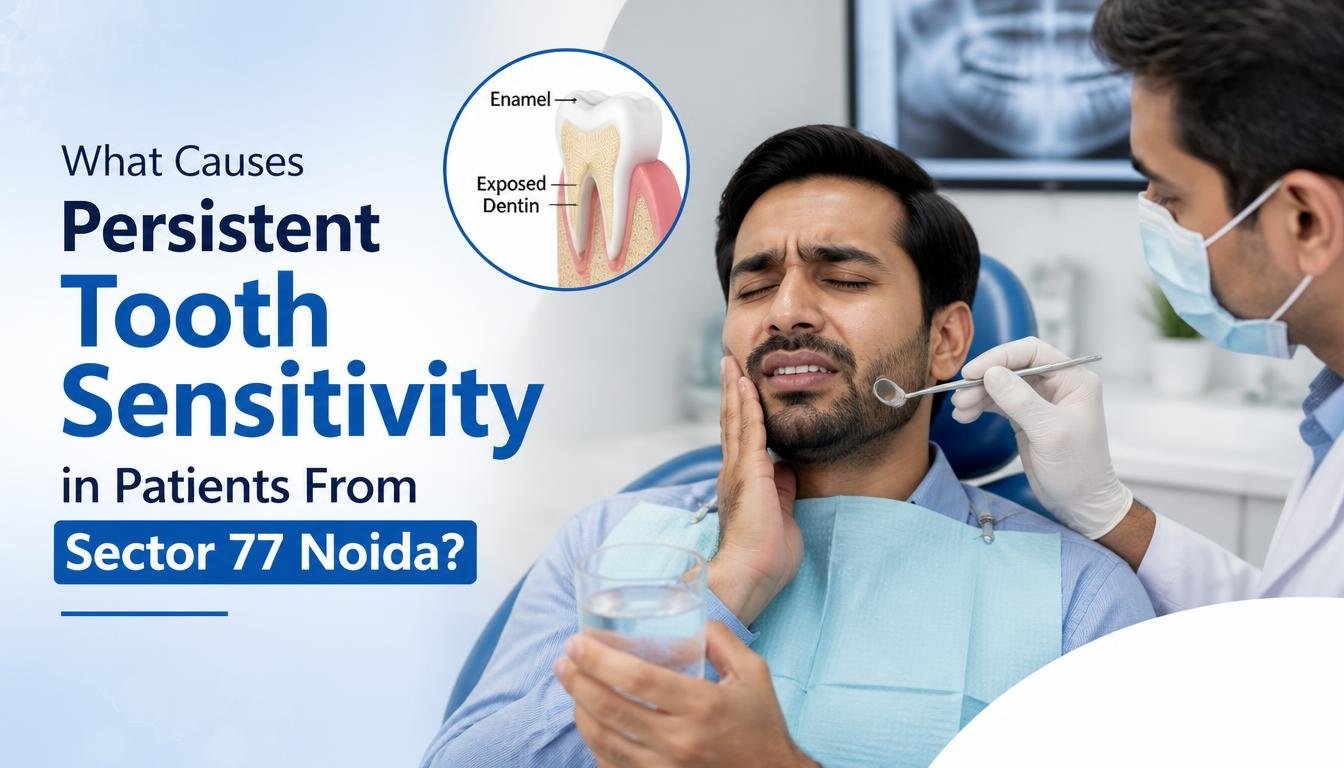
Tooth sensitivity, medically known as dentin hypersensitivity, is a condition in which teeth experience discomfort or sharp pain in response to external triggers such as hot, cold, sweet, sour, or acidic foods and beverages.
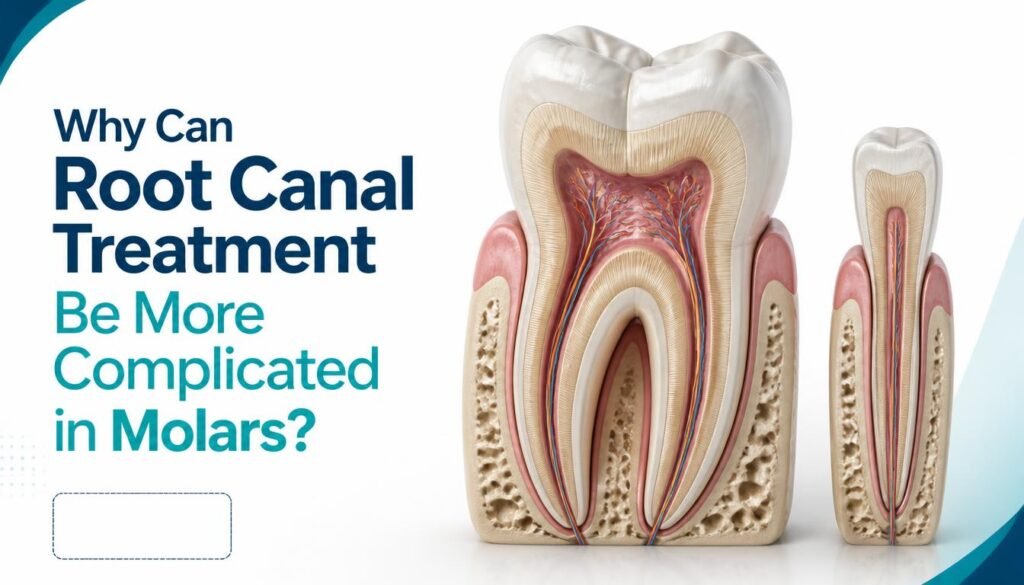
The outer surface of a tooth is protected by enamel. Beneath it lies dentin, which contains microscopic channels connected to the inner pulp of the tooth. When enamel wears down or gums recede, dentin becomes exposed, allowing external stimuli to trigger sensitivity.
Occasional sensitivity may be temporary. However, persistent tooth sensitivity that continues, worsens, or repeatedly affects the same tooth should be evaluated by a dentist.
What Causes Persistent Tooth Sensitivity in Sector 77 Noida?
Several dental and lifestyle factors can contribute to long-lasting tooth sensitivity. Here are the most common causes to understand.
1. Enamel Erosion Due to Acidic Foods and Drinks
Frequent consumption of acidic foods and beverages can gradually weaken the protective enamel layer of teeth.
Common sources include:
- Carbonated soft drinks
- Citrus fruits and lemon water
- Packaged fruit juices
- Vinegar-based foods
- Frequent acidic snacks
Once enamel becomes thinner, the underlying dentin may become exposed, making teeth increasingly sensitive.
2. Gum Recession and Exposed Tooth Roots
Gum recession occurs when the gum tissue gradually moves away from the tooth surface, exposing the roots.
Unlike the crown of a tooth, its root surface does not have protective enamel. As a result, exposed roots can become particularly sensitive to cold beverages, brushing, and temperature changes.
Gum recession may be associated with aggressive brushing, gum disease, plaque accumulation, or other periodontal problems.
3. Tooth Decay and Cavities
One of the important causes of persistent tooth sensitivity is untreated tooth decay.
When bacteria produce acids that damage the tooth structure, cavities may develop. These cavities can expose sensitive inner layers of the tooth and cause discomfort while eating or drinking.
If decay progresses toward the dental pulp, sensitivity may become more intense and prolonged.
Learn more about dental crown treatment and how damaged teeth may be restored after professional evaluation.
4. Cracked, Chipped, or Damaged Teeth
A small crack in a tooth may not always be visible, but it can allow external stimuli to reach sensitive internal structures.
Patients may notice:
- Sharp pain while biting or chewing
- Sensitivity when releasing biting pressure
- Discomfort while eating hard foods
- Pain triggered by cold drinks
Cracked teeth require timely dental evaluation because untreated damage can worsen over time.
5. Teeth Grinding and Clenching
Bruxism refers to the habit of grinding or clenching teeth, often during sleep or periods of stress.
Repeated pressure can wear down enamel, create microscopic cracks, and increase tooth sensitivity. Some individuals may also experience jaw discomfort, headaches, or facial muscle soreness.
A dentist may recommend a night guard or other appropriate treatment depending on the severity of the condition.
6. Worn-Out Fillings or Previous Dental Treatments
Sensitivity may sometimes develop around an existing filling, crown, or other dental restoration.
Possible contributing factors include:
- Worn or damaged fillings
- Improperly fitting restorations
- Tooth cracks around previous fillings
- Changes in the bite
- Temporary sensitivity following dental procedures
If sensitivity persists after treatment instead of gradually improving, a dental examination is recommended.
7. Gum Disease and Plaque Accumulation
Plaque and tartar buildup around the gumline can contribute to gum inflammation and periodontal disease.
As gum disease progresses, gum tissue and supporting structures may become damaged, exposing sensitive root surfaces.
Maintaining regular professional dental cleaning and appropriate oral hygiene can help reduce the risk of gum-related sensitivity.
8. Recent Teeth Whitening Procedures
Some patients experience temporary sensitivity after professional or at-home teeth whitening.
Whitening products may temporarily affect the tooth’s response to temperature changes. However, prolonged or severe discomfort should not automatically be considered a normal side effect.
Consult your dentist before continuing whitening treatments if sensitivity persists.
How Can You Identify the Cause of Tooth Sensitivity?
The symptoms you experience can offer clues, but they cannot confirm a diagnosis on their own.
| Symptoms | Possible cause |
|---|---|
| Sharp pain while drinking cold water | Exposed dentin or enamel erosion |
| Pain while eating sweets | Tooth decay or exposed dentin |
| Sensitivity while biting | Cracked tooth or bite-related problem |
| Pain that lingers after hot or cold drinks | Possible pulp inflammation |
| Bleeding gums with sensitivity | Gum inflammation or periodontal disease |
| Sensitivity around an existing filling | Worn restoration or underlying tooth damage |
A dentist may recommend a clinical examination, sensitivity testing, bite assessment, or dental X-rays to identify the underlying problem.
When Should You Visit a Dentist for Persistent Tooth Sensitivity?
You should consider professional dental evaluation if you experience:
- Tooth sensitivity that continues for several days or repeatedly returns.
- Pain that lasts after the hot or cold stimulus is removed.
- Severe sensitivity affecting eating, drinking, or brushing.
- Pain while biting or chewing food.
- Visible cavities, cracks, or damaged fillings.
- Swollen gums, bleeding, or persistent bad breath.
- Spontaneous toothache without an obvious trigger.
Important: Facial swelling, fever, pus, or difficulty swallowing or breathing may indicate a serious dental infection. Seek urgent medical or dental attention, especially if breathing or swallowing is affected.
What Are the Treatment Options for Persistent Tooth Sensitivity?
The appropriate treatment depends on what is causing the sensitivity. A dentist may recommend one or more of the following options.
Desensitizing Toothpaste
Specialized toothpaste containing desensitizing ingredients may help reduce sensitivity by blocking pain signals or protecting exposed dentin.
Consistent use as directed is important. However, toothpaste alone may not resolve sensitivity caused by cavities, cracks, or infection.
Professional Fluoride Treatment
Dentists may apply fluoride varnish or other professionally administered desensitizing agents to strengthen tooth surfaces and reduce discomfort.
This option may be helpful for patients experiencing sensitivity due to enamel wear or exposed dentin.
Dental Fillings or Bonding
If sensitivity is caused by cavities, minor cracks, or exposed tooth structure, dental fillings or bonding may help restore and protect the affected area.
Dental Crowns
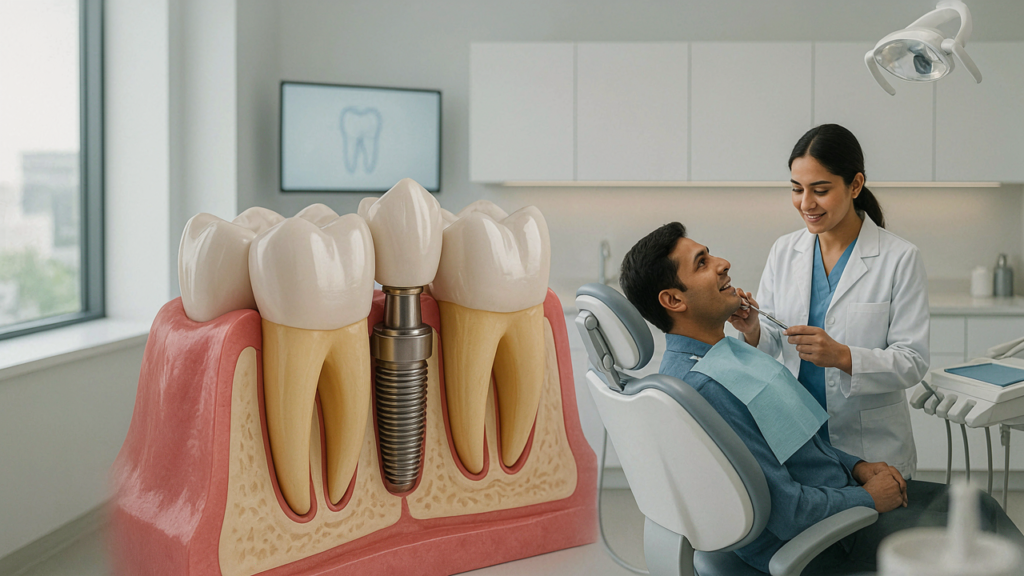
When a tooth has significant structural damage, a dental crown may be recommended to cover and protect it.
A crown may be suitable for certain extensively damaged, weakened, or previously treated teeth, depending on the clinical findings.
Root Canal Treatment
If the tooth pulp becomes irreversibly inflamed or infected, root canal treatment may be necessary.
This procedure involves removing the affected pulp tissue, cleaning the root canals, and sealing the tooth. The dentist may subsequently recommend a crown to protect the treated tooth when appropriate.
Gum Treatment
How Can Residents of Sector 77 Noida Prevent Tooth Sensitivity?
Maintaining healthy oral hygiene habits can help reduce the risk of sensitivity and protect teeth from further damage.
Follow These Preventive Tips
- Brush twice daily using a soft-bristled toothbrush.
- Avoid brushing aggressively or applying excessive pressure.
- Use fluoride toothpaste and ask your dentist about desensitizing toothpaste if needed.
- Reduce frequent consumption of acidic foods and beverages.
- Rinse your mouth with water after consuming acidic drinks.
- Avoid brushing immediately after an acidic meal or beverage; allow time for saliva to neutralize acids.
- Wear a dentist-recommended night guard if you grind your teeth.
- Schedule regular dental checkups to identify problems early.
- Maintain healthy gums through proper brushing and flossing.
- Avoid self-medicating or ignoring persistent tooth pain.
Looking for a Dentist Near Sector 77 Noida for Tooth Sensitivity?
If you are experiencing persistent tooth sensitivity, consulting an experienced dental professional can help you identify its cause and receive appropriate treatment.
At The Dental Crowns, our approach focuses on evaluating your dental condition and recommending treatment according to your oral health needs.
Explore our dental services to learn more about the treatments available for maintaining healthy teeth and gums.
Frequently Asked Questions (FAQs)
1. Why are my teeth sensitive for a long time?
Persistent sensitivity may result from enamel erosion, gum recession, tooth decay, cracked teeth, worn fillings, or inflammation of the dental pulp. A dental examination can help identify the cause.
2. Can persistent tooth sensitivity indicate a cavity?
Yes. Tooth decay can expose sensitive inner tooth structures and cause discomfort when eating or drinking. Some cavities may initially cause little or no pain, so professional evaluation is important.
3. Is tooth sensitivity a sign of a root canal problem?
Not necessarily. Sensitivity can have several causes. However, prolonged pain, spontaneous toothache, or sensitivity that lingers after temperature changes may indicate pulp inflammation that requires dental assessment.
4. Can sensitive teeth become normal again?
In many cases, sensitivity can be reduced or managed with appropriate treatment. The outcome depends on the underlying cause and whether the tooth structure or gums have been damaged.
5. Does brushing too hard cause tooth sensitivity?
Yes. Aggressive brushing can contribute to enamel wear and gum recession, exposing sensitive dentin. Using a soft-bristled toothbrush and gentle brushing technique can help prevent further damage.
6. Which toothpaste is best for persistent tooth sensitivity?
A fluoride-containing desensitizing toothpaste may help. The best choice depends on your symptoms and dental condition. Consult your dentist if sensitivity continues despite regular use.
7. Can gum recession cause permanent tooth sensitivity?
Gum recession can expose the tooth roots and cause sensitivity. Although the lost gum tissue does not always grow back naturally, professional treatments may help protect exposed roots and reduce discomfort.
8. Why do my teeth hurt when I drink cold water?
Cold water can stimulate exposed dentin or an irritated tooth pulp. If the pain is severe, prolonged, or repeatedly affects the same tooth, consult a dentist.
9. Can a dental crown help with sensitive teeth?
A dental crown may help when sensitivity is caused by significant tooth damage, cracks, or structural weakness. It is not necessary for every case of tooth sensitivity.
10. Where can I consult a dentist for persistent tooth sensitivity near Sector 77 Noida?
Residents of Sector 77 Noida can consult The Dental Crowns for a dental evaluation and guidance on appropriate treatment options. Visit the clinic’s website to explore available services and appointment information.
Conclusion
Persistent tooth sensitivity should never be ignored, particularly when it interferes with eating, drinking, or everyday activities. Although enamel erosion and exposed dentin are common causes, cavities, cracked teeth, gum disease, and pulp inflammation may also contribute to the discomfort.
For residents of Sector 77 Noida, seeking timely dental evaluation can help identify the actual cause, prevent further damage, and improve long-term oral health.
Experiencing persistent tooth sensitivity? Visit The Dental Crowns to learn more about your dental care options and take the first step toward healthier, more comfortable teeth.
Disclaimer: This article is intended for educational and informational purposes only. It does not replace professional dental diagnosis, examination, or treatment advice.