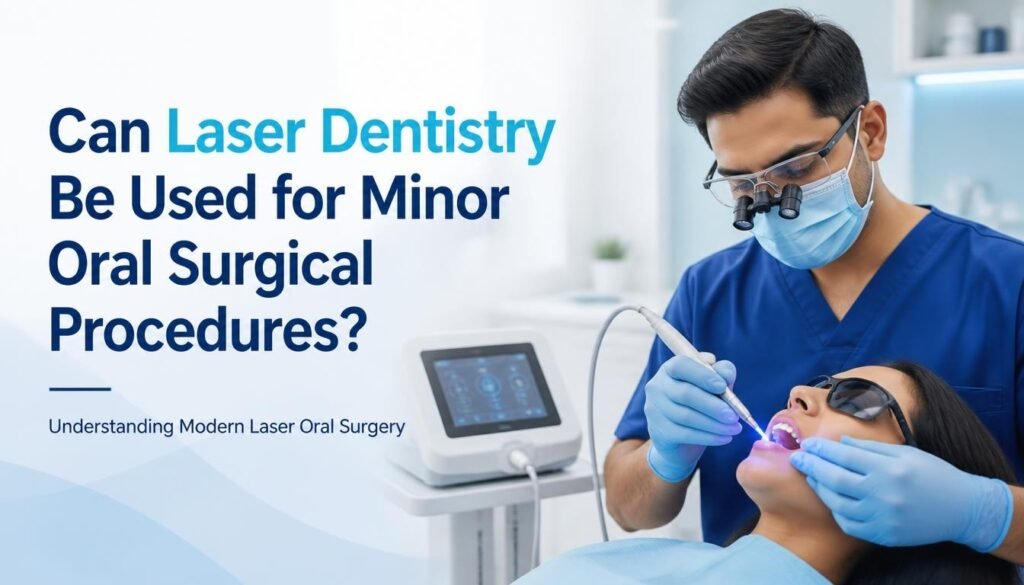

Laser dentistry is used for selected dental procedures involving the gums, teeth and other oral tissues. While this technology can offer precision in appropriate cases, protecting the eyes is an essential part of laser safety. Many patients considering laser dental treatment wonder whether the laser can harm their eyes and what precautions dentists take to prevent accidental exposure.
Dentists protect the eyes during laser dental treatment by using wavelength-appropriate protective eyewear, following laser safety protocols, controlling access to the treatment area and operating the equipment according to the manufacturer’s instructions. The type of protection required depends on the laser system, its wavelength and the procedure being performed.
If you are considering laser dentistry, understanding these precautions can help you feel more informed and confident before your appointment.
Why Is Eye Protection Important During Laser Dental Treatment?
Dental lasers produce concentrated light energy that interacts with specific tissues. Depending on the laser’s wavelength and operating characteristics, accidental exposure to a direct or reflected beam can injure the eyes.
The eye can focus incoming laser energy onto sensitive internal structures. Some laser wavelengths may affect the retina, while others can damage the cornea or other parts of the eye. Certain infrared wavelengths may be invisible, so the absence of a visible beam does not necessarily mean that exposure is safe.
According to the US Food and Drug Administration (FDA), laser beams can present serious eye hazards when used improperly.
For this reason, dentists must identify the laser-related risks and use appropriate protective measures before starting treatment.
1. Dentists Use Specialised Laser Safety Glasses
One of the most important precautions is providing protective eyewear specifically designed for the laser being used.
Ordinary sunglasses, prescription glasses and generic safety glasses should not be assumed to provide adequate laser protection. Laser safety glasses are selected according to the wavelength and required level of protection.
Depending on the equipment, these glasses may use specialised filters that reduce the transmission of potentially harmful laser energy.
The dental team should check that the eyewear is appropriate for the device, fits correctly and is in good condition.
Why does the correct eyewear matter?
Different dental lasers operate at different wavelengths. Glasses that protect against one laser may not adequately protect against another. Choosing eyewear based only on its colour or appearance is therefore not a reliable safety measure.
Patients should wear the protective eyewear provided or recommended by their dental professional and should not remove it during treatment unless instructed to do so.
2. The Dentist Selects Protection for the Specific Laser
Not all dental lasers work in the same way. Different systems may be used for selected soft-tissue procedures, periodontal treatment, endodontic applications and other dental procedures.
Each laser has specific operating characteristics and safety requirements.
Before treatment, the dental team should identify the equipment being used and select suitable protective eyewear for everyone who may be exposed to the laser.
The dentist or trained laser operator should follow the manufacturer’s instructions, including requirements for eye protection, equipment setup and safe operation.
This step is important because there is no single pair of laser safety glasses that is automatically suitable for every dental laser.
3. Patients and Dental Staff Receive Appropriate Eye Protection
Eye safety is not limited to the dentist. The patient, dental assistant and other staff members who may be exposed to laser energy must also follow the applicable safety precautions.
Patients are generally provided with appropriate protective eyewear when required for the procedure. Dental professionals use eyewear suited to the laser system and their role in the treatment.
Prescription glasses and contact lenses should not be considered substitutes for laser-specific protective eyewear.
The American Dental Association (ADA) also advises dental practices to provide suitable protective eyewear for patients during procedures where eye protection is needed. Laser procedures require protection selected for the particular equipment involved.
If you wear prescription glasses, tell your dentist before treatment so the team can determine how to provide suitable protection.
4. Dentists Control Access to the Treatment Area
Protecting the eyes also involves controlling the environment in which the laser is operated.
Depending on the laser system and its classification, appropriate precautions may include:
- Restricting access to the treatment room while the laser is operating.
- Informing the dental team when laser use is about to begin.
- Displaying appropriate laser warning signs.
- Keeping unnecessary personnel away from the treatment area.
- Avoiding unintended exposure from direct or reflected laser beams.
- Following the clinic’s established laser safety procedures.
These precautions help reduce the risk of accidental exposure by people who are not directly involved in the procedure.
The precise requirements depend on the equipment, its classification and applicable safety standards.
5. Dentists Position and Operate the Laser Carefully
Correct operation of the laser is another important part of eye protection.
The dentist directs the laser toward the intended treatment site and uses settings appropriate to the procedure. The equipment should be operated only by a suitably trained professional who understands its functions and safety requirements.
The dental team should also follow the manufacturer’s instructions for handling the laser handpiece, activating the device and preventing unintended exposure.
Laser safety does not depend on protective glasses alone. Proper training, controlled operation, equipment maintenance and a suitable clinical environment all contribute to reducing risk.
6. Protective Eyewear Is Checked Before Treatment
Protective eyewear must be suitable and usable, not merely available in the clinic.
Before a procedure, the dental team should check that the eyewear is appropriate for the laser, fits the wearer and has no damage that could compromise protection.
Scratched, cracked or otherwise damaged eyewear should not be used if its protective performance may be affected. The equipment should be maintained and used according to the manufacturer’s instructions.
Patients should tell the dentist if their protective glasses feel loose, are damaged or do not fit comfortably.
Never substitute ordinary sunglasses for the protective eyewear recommended for the laser system.
7. Dentists Explain the Safety Measures Before Treatment
A good dental consultation gives patients an opportunity to understand the procedure and ask questions.
Before laser dental treatment, your dentist should explain the purpose of the laser, why it is appropriate for your condition and what safety precautions will be used.
You can ask questions such as:
- What type of dental laser will be used?
- Will I need protective glasses during the procedure?
- Are these glasses designed for the laser being used?
- What precautions are taken to protect the dental team?
- What are the potential risks and alternatives to this treatment?
These questions can help you understand the procedure and make an informed decision about your dental care.
Can Laser Dental Treatment Damage Your Eyes?
Laser dental treatment can pose an eye-injury risk if the laser is used incorrectly or appropriate safety precautions are not followed. However, the risk can be reduced through suitable protective eyewear, trained operation and adherence to the equipment’s safety requirements.
It is important to understand that the risk depends on several factors, including the wavelength, power, exposure conditions and type of laser.
Patients should not assume that every dental laser presents the same level of risk. Equally, they should not assume that a laser is harmless simply because its beam is difficult to see.
If you experience unexpected eye pain, visual changes or other concerning symptoms after a dental procedure, seek prompt medical assessment.
Are Regular Glasses Enough to Protect Your Eyes During Laser Dentistry?
No. Regular prescription glasses and sunglasses are not designed to provide protection against every dental laser wavelength.
Laser safety eyewear is selected according to the specific laser and its required protection level. It may look different from ordinary glasses, and its suitability cannot be determined by appearance alone.
If you normally wear glasses or contact lenses, inform your dentist before treatment. The dental team can advise you on the appropriate protective eyewear for the procedure.
Is Laser Dentistry Safe?
Laser dentistry can be used for selected dental procedures when the equipment is appropriate, the clinician is trained and safety precautions are followed.
However, laser treatment is not automatically the best option for every dental problem. Its suitability depends on your diagnosis, the tissue being treated, the laser system and the expected benefits compared with other treatment options.
Before proceeding, ask your dentist to explain the potential benefits, limitations, risks and alternatives. This will help you understand whether laser treatment is appropriate for your individual needs.
If you are exploring laser dentistry in Noida, arrange a consultation with a qualified dental professional to discuss your condition and treatment options.
What Should You Remember About Eye Protection During Laser Dental Treatment?
Dentists protect the eyes during laser dental treatment by combining appropriate protective eyewear with safe equipment operation and controlled clinical procedures.
The most important precautions include:
- Using laser safety glasses suitable for the specific wavelength.
- Providing appropriate protection for patients and exposed staff.
- Checking that protective eyewear is in good condition.
- Following the manufacturer’s operating and safety instructions.
- Controlling access to the treatment area when necessary.
- Ensuring that laser procedures are performed by trained professionals.
The key takeaway: Eye protection is an essential part of responsible laser dentistry. Before treatment begins, ask your dentist what type of laser will be used and how your eyes will be protected.
At The Dental Crowns, patients can discuss their dental concerns with a dental professional and understand the treatment options appropriate to their needs.
Frequently Asked Questions
1. Why do patients wear protective glasses during laser dental treatment?
Protective glasses help reduce exposure to potentially harmful laser energy. The eyewear must be appropriate for the wavelength and operating characteristics of the laser being used.
2. Can dental lasers cause eye damage?
Yes. Accidental exposure to certain direct or reflected laser beams can injure the eyes. Appropriate protective eyewear and safe operating procedures help reduce this risk.
3. Can I wear my regular prescription glasses during laser dentistry?
Prescription glasses alone should not be considered sufficient laser protection. Ask your dentist to provide or recommend suitable eyewear for the specific laser system.
4. Do dentists also need to wear laser safety glasses?
Yes. Dental professionals and other people who may be exposed to laser energy need appropriate protection based on the equipment and their exposure risk.
5. Are all dental laser safety glasses the same?
No. Different lasers operate at different wavelengths and require appropriate protective eyewear. Glasses suitable for one system may not be suitable for another.
6. Is laser dentistry completely risk-free?
No dental procedure is completely risk-free. Laser dentistry requires appropriate case selection, trained operation and relevant safety precautions. Your dentist can explain the risks and alternatives for your specific treatment.
7. Should I ask about eye protection before laser treatment?
Yes. Ask which laser will be used, what protective eyewear is required and what safety procedures the dental team follows. Your dentist can address any concerns before treatment begins.
Final Thoughts
Understanding how dentists protect the eyes during laser dental treatment can make it easier to prepare for your appointment. Specialised laser safety glasses, appropriate equipment settings, trained professionals and a controlled treatment environment all contribute to safer laser use.
If you are considering laser dentistry, speak with your dentist about the procedure, its benefits, possible risks and the precautions used to protect your eyes.