Healthy teeth are essential for comfortable eating, clear speech and maintaining a confident smile. However, cavities, tooth fractures, gum problems, infections and missing teeth can affect your oral health over time. Fortunately, modern dentistry offers several restorative solutions that help repair damaged teeth, replace missing teeth and restore normal oral function.
If you are exploring restorative dental options in Sector 79 Noida, understanding the available treatments can help you make informed decisions about your dental health.
At The Dental Crowns, patients can explore various general, cosmetic and restorative dental treatments tailored to their individual dental concerns. Whether you have a small cavity, a severely damaged tooth or missing teeth, the appropriate treatment depends on your oral examination, the condition of your teeth and your long-term dental goals.
What Is Restorative Dentistry?
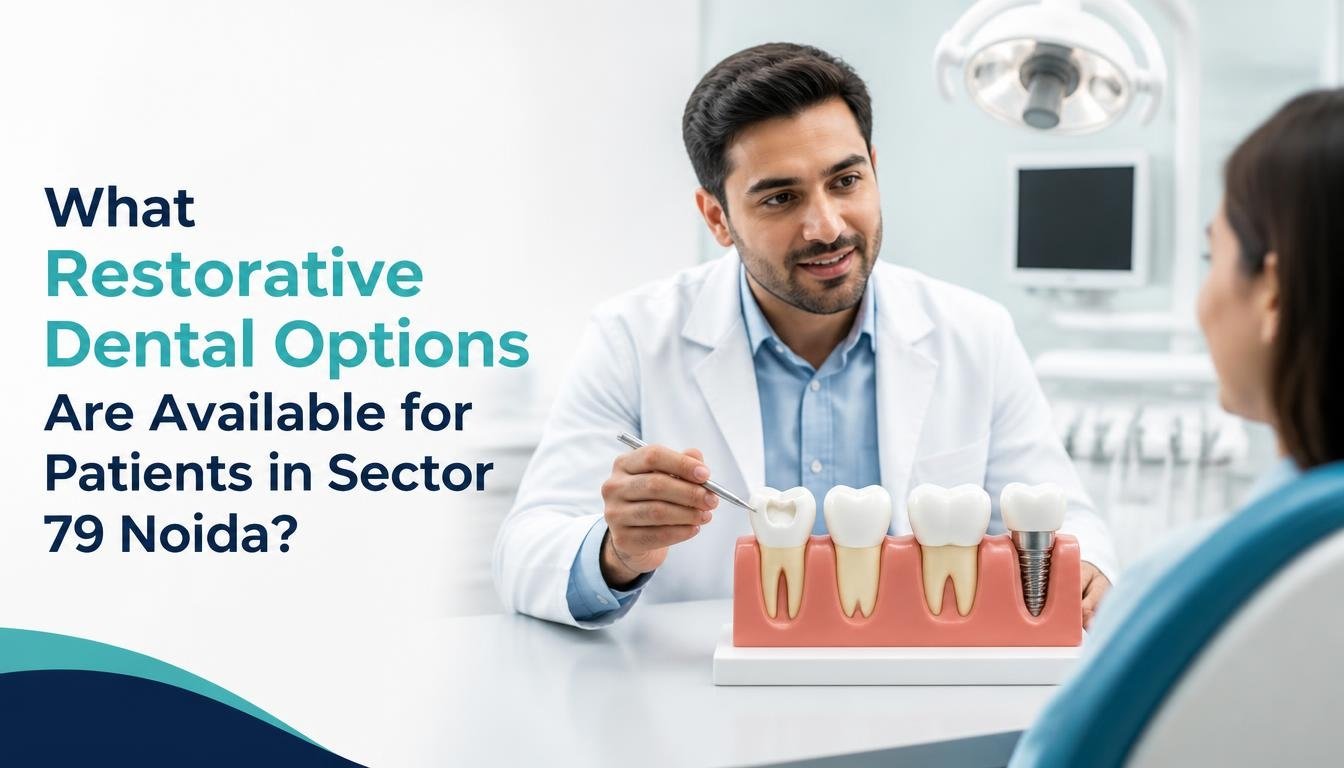
Restorative dentistry is a branch of dental care focused on repairing damaged, decayed or missing teeth. Its primary objective is to restore the natural function, strength and structure of teeth while supporting overall oral health.
Restorative procedures can also improve the appearance of your smile by using materials that closely resemble natural tooth enamel.
Common reasons patients may require restorative dentistry include:
- Tooth decay and cavities
- Chipped, cracked or broken teeth
- Large or damaged existing fillings
- Severe tooth wear
- Persistent tooth pain or infection
- Missing one or more teeth
- Weak teeth requiring additional protection
- Difficulty chewing comfortably
According to Cleveland Clinic’s guide to restorative dentistry, dental restorations may include fillings, crowns, bridges, implants, dentures and other procedures designed to repair or replace teeth.
7 Restorative Dental Options Available in Sector 79 Noida
The right treatment depends on the extent of tooth damage, the number of missing teeth, your gum health, bite alignment and personal preferences. Here are some commonly recommended restorative dental options.
1. Tooth-Coloured Dental Fillings
Dental fillings are among the most common restorative treatments for patients with cavities or minor tooth damage.
When tooth decay creates a cavity, the dentist removes the affected portion and restores the area using a suitable filling material. Composite resin fillings are particularly popular because they closely match the natural colour of teeth.
Benefits of tooth-coloured fillings
- Restore teeth affected by small or moderate cavities
- Blend naturally with surrounding teeth
- Help preserve healthy tooth structure
- Restore chewing function
- Repair certain minor chips and fractures
Composite fillings may be suitable for both front and back teeth, depending on the size and location of the restoration.
Patients looking for natural-looking dental fillings can explore Tooth-Coloured Restorations at The Dental Crowns.
2. Dental Crowns for Damaged or Weak Teeth
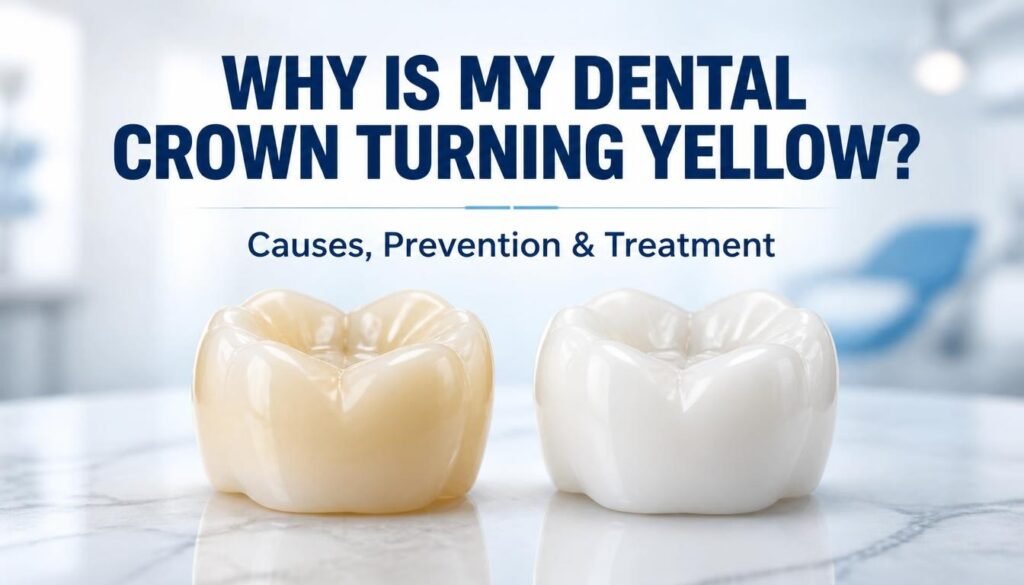
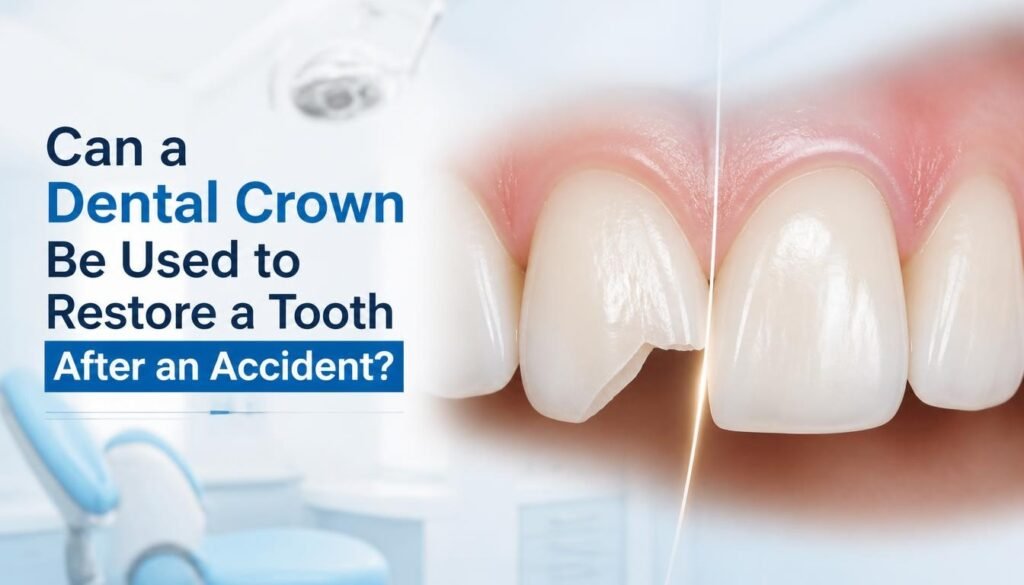
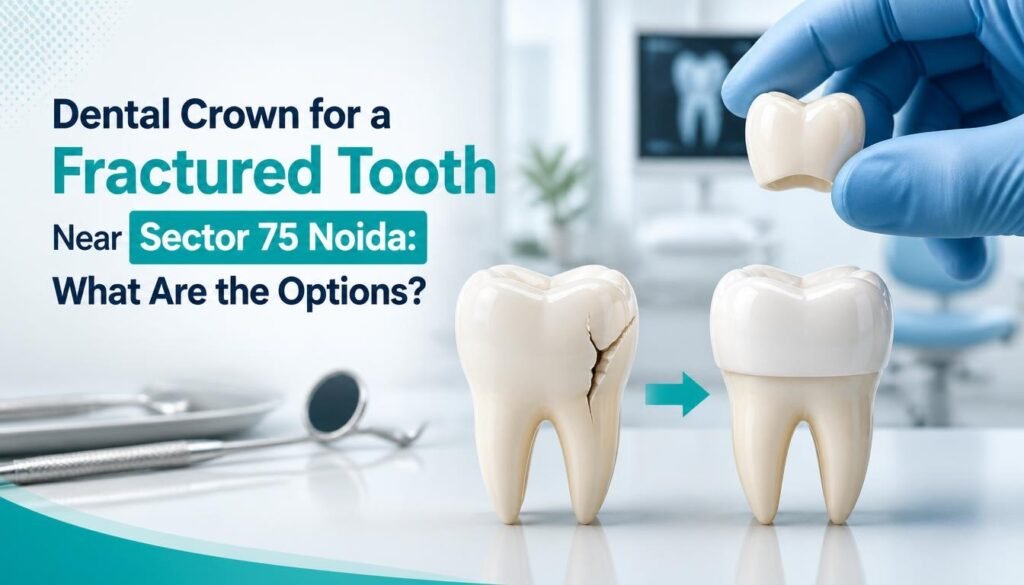
A dental crown, commonly called a dental cap, is a custom-made restoration that covers the visible portion of a tooth.
Dentists may recommend crowns when a tooth is severely decayed, cracked, broken, weakened or extensively restored. Crowns can also provide additional protection to certain teeth after root canal treatment.
Types of dental crowns
Depending on your dental condition, your dentist may discuss:
- Porcelain crowns: A natural-looking option for patients prioritising aesthetics.
- Zirconia crowns: Known for their strength and durability in suitable cases.
- Porcelain-fused-to-metal crowns: Combine a metal framework with a tooth-coloured exterior.
- Metal crowns: May be considered for certain teeth where durability is a priority.
When might you need a dental crown?
A dental crown may be recommended if you have:
- A significantly broken or cracked tooth
- A large cavity that cannot be adequately restored with a filling
- A weakened tooth after root canal treatment
- A severely worn-down tooth
- A damaged existing crown requiring replacement
The appropriate crown material depends on the tooth’s location, remaining structure, bite forces and aesthetic requirements.
Learn more about Porcelain Dental Crowns at The Dental Crowns.
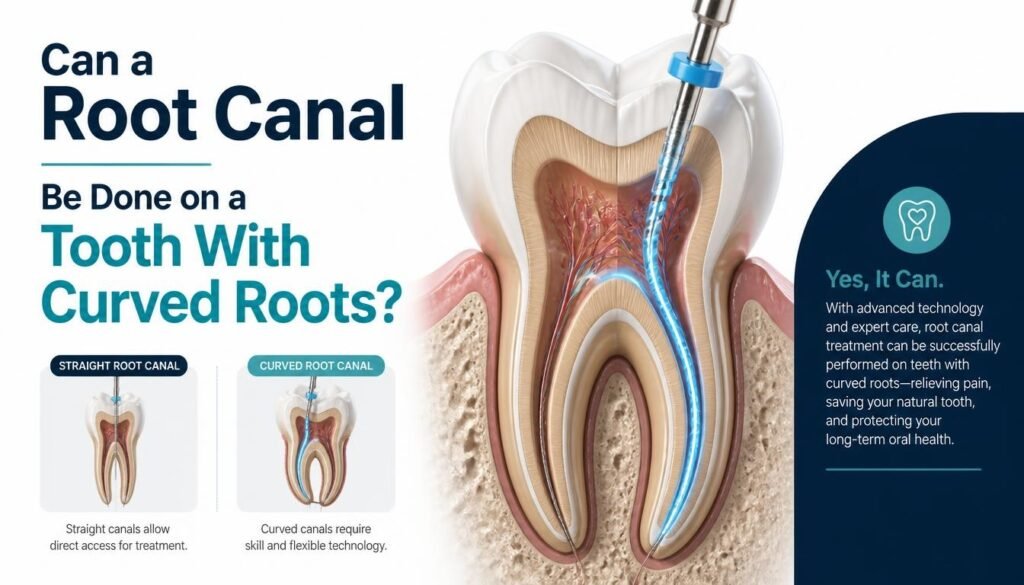
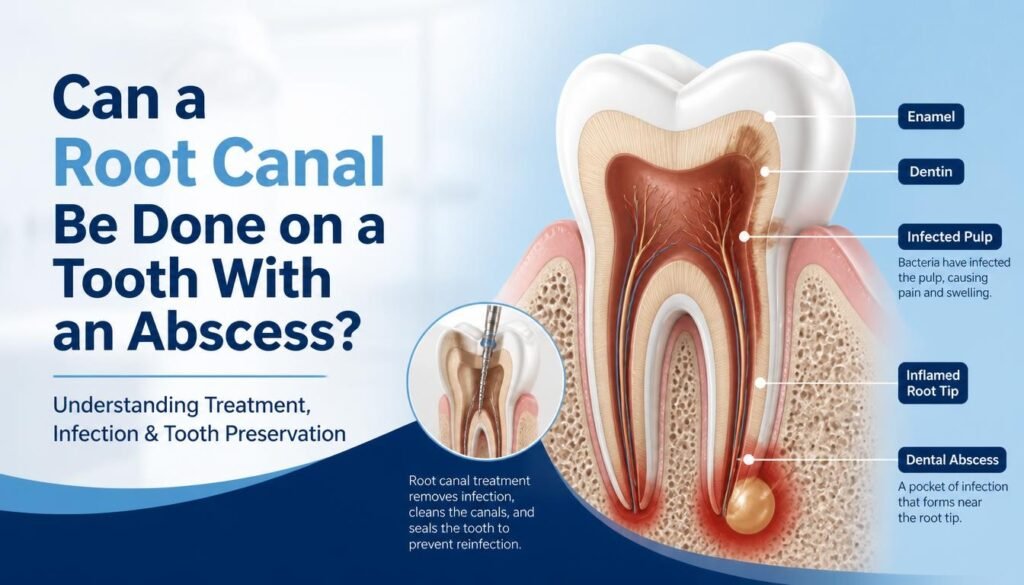
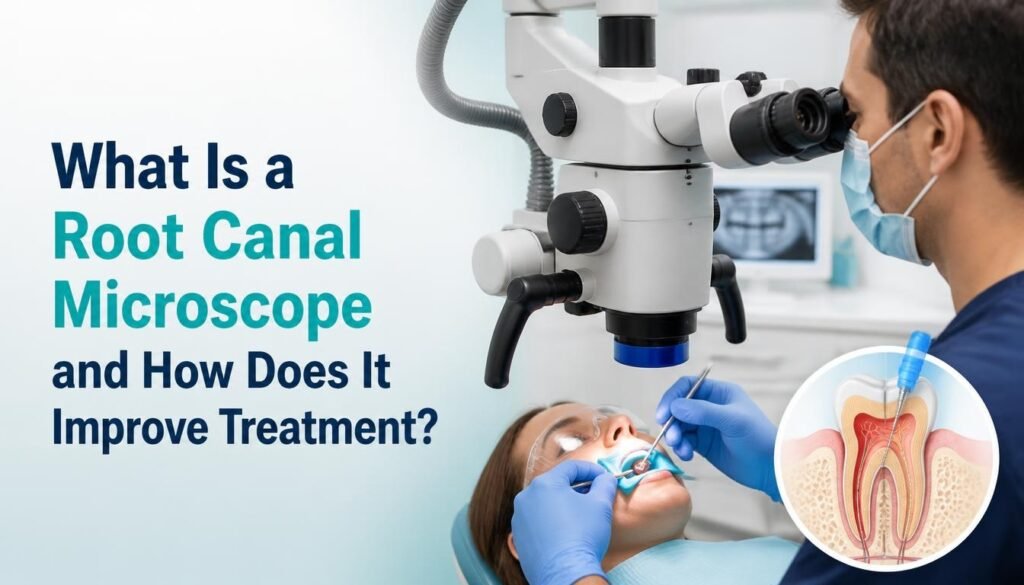
3. Root Canal Treatment to Save an Infected Tooth
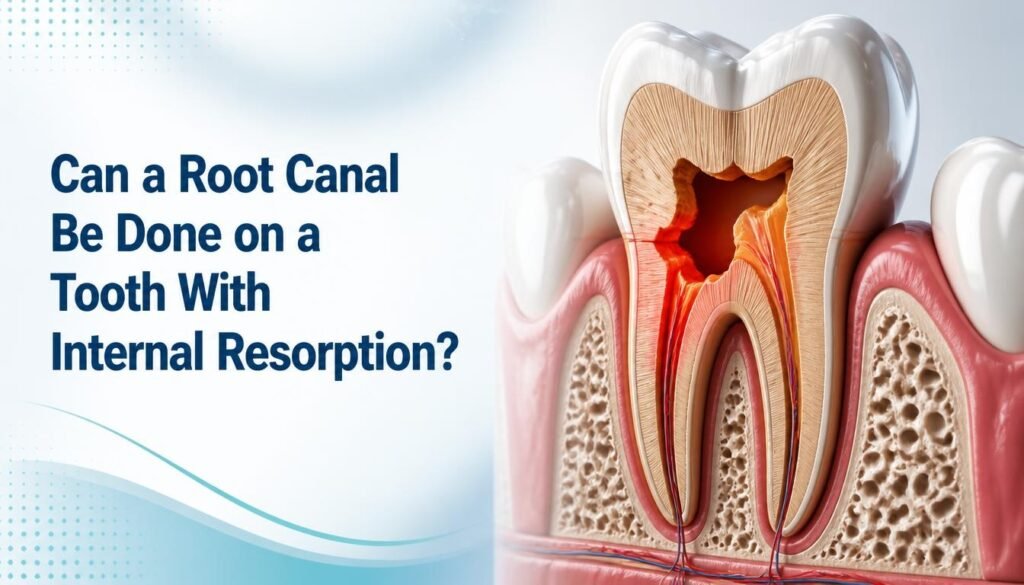
When tooth decay or trauma reaches the inner pulp of a tooth, it may cause inflammation or infection. Root canal treatment is designed to remove the infected or damaged pulp, clean the root canals and seal the tooth.
Rather than immediately extracting an infected tooth, root canal treatment may help preserve your natural tooth when it is clinically suitable.
Common signs that may require root canal treatment
- Persistent or severe toothache
- Sensitivity to hot and cold that lingers
- Pain while biting or chewing
- Swelling around the affected tooth
- Deep tooth decay
- Infection or an abscess
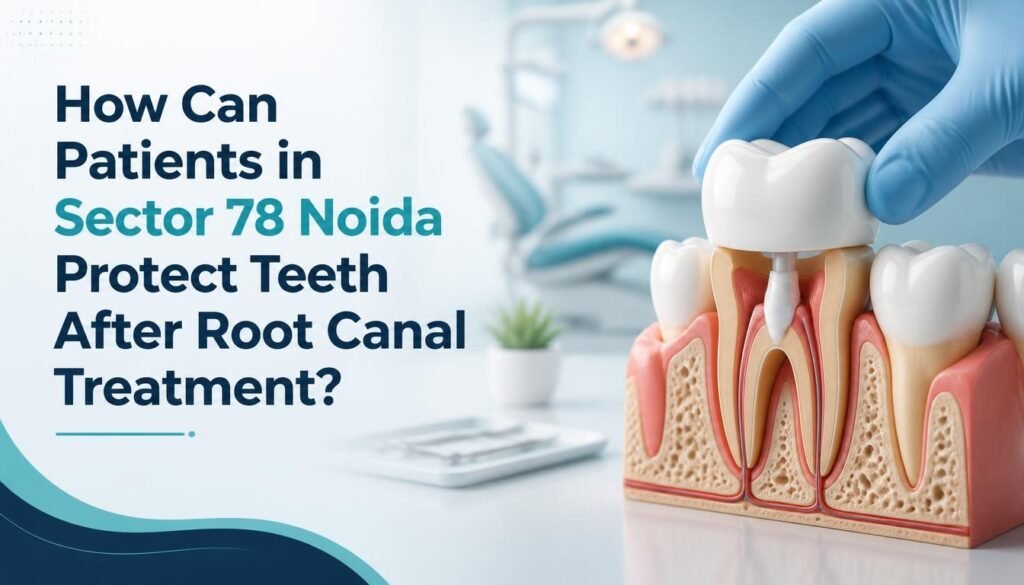
After root canal treatment, a dental crown may be recommended if the remaining tooth structure requires additional protection.
Explore Painless Root Canal Treatment at The Dental Crowns.
4. Dental Bridges for Replacing Missing Teeth
A dental bridge is a fixed restorative appliance used to replace one or more missing teeth.
It typically consists of an artificial tooth supported by crowns attached to neighbouring teeth. In selected cases, bridges may also be supported by dental implants.
Benefits of dental bridges
- Replace missing teeth with a fixed restoration
- Restore chewing efficiency
- Improve the appearance of your smile
- Help maintain the spacing between teeth
- Support clearer speech when tooth loss affects pronunciation
The suitability of a dental bridge depends on the condition of the supporting teeth, the size of the gap and your overall oral health.
Patients can learn more about Dental Bridges and restorative services at The Dental Crowns.
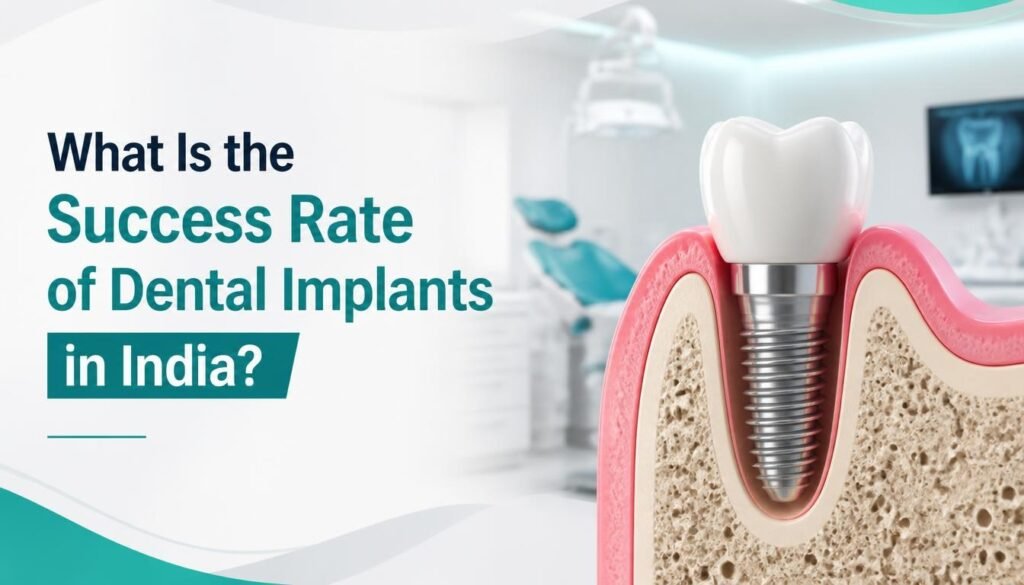
5. Dental Implants for Long-Term Tooth Replacement
Dental implants are another restorative option for patients who have lost one or more teeth.
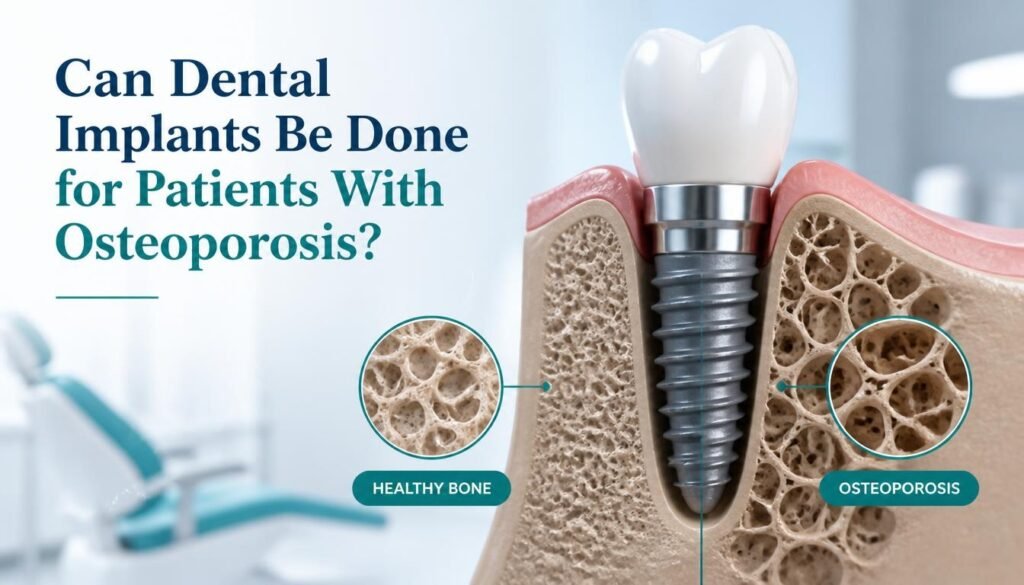
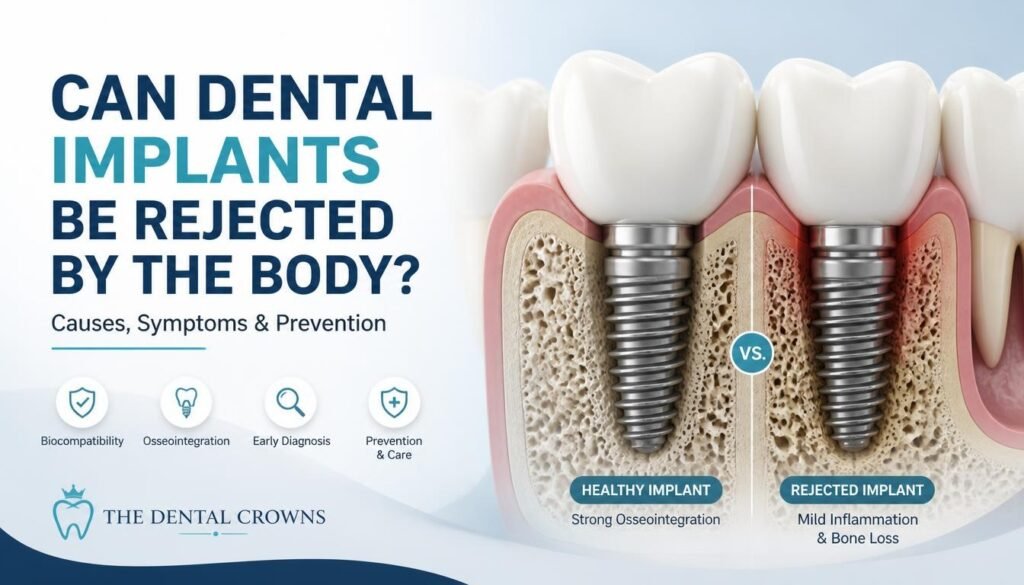
An implant consists of a small post placed into the jawbone to act as an artificial tooth root. Once healing and integration are complete, a custom-made crown, bridge or denture can be attached to the implant.
Advantages of dental implants
- Replace missing teeth without relying on neighbouring natural teeth for support
- Provide a stable foundation for replacement teeth
- Restore chewing function
- Offer a natural-looking appearance
- Help maintain jawbone stimulation at the implant site
However, dental implants are not suitable for every patient. Bone condition, gum health, medical history and healing capacity must be assessed before treatment.
Read more about Dental Implant Treatment at The Dental Crowns.
6. Dentures for Multiple Missing Teeth
Dentures are removable dental appliances designed to replace several missing teeth or an entire arch.
Depending on the number and location of missing teeth, patients may be recommended:
- Complete dentures: Replace all teeth in the upper or lower arch.
- Partial dentures: Replace multiple missing teeth while retaining remaining natural teeth.
- Implant-supported dentures: Attach to dental implants for improved stability in suitable cases.
Dentures can help restore chewing ability, improve speech and support facial appearance following significant tooth loss.
The dentist evaluates the condition of the remaining teeth, gums and jawbone before recommending a suitable denture.
7. Inlays and Onlays for Conservative Tooth Restoration
Inlays and onlays are custom-made restorations that repair teeth with moderate damage.
They are often considered when a cavity or fracture is too extensive for a conventional filling but does not necessarily require a full dental crown.
Difference between inlays and onlays
- Inlay: Restores the damaged portion within the chewing surface of a tooth.
- Onlay: Covers a larger area and may extend over one or more cusps of the tooth.
These restorations can help preserve more natural tooth structure while providing additional strength and support.
Your dentist determines whether an inlay, onlay or crown is appropriate after examining the affected tooth.
How to Choose the Right Restorative Dental Treatment?
Not every dental problem requires the same solution. A small cavity may need only a filling, whereas a severely damaged tooth may require a crown or root canal treatment.
The dentist considers several important factors before recommending a treatment plan.
| Factor | Why It Matters |
|---|---|
| Extent of tooth damage | Determines how much restoration is required |
| Remaining natural tooth structure | Helps identify suitable treatment options |
| Gum health | Influences the success and stability of restorations |
| Number of missing teeth | Helps determine bridges, implants or dentures |
| Bite and chewing forces | Affect restoration material and design |
| Aesthetic expectations | Help guide tooth-coloured material selection |
| Budget and maintenance | Help patients understand treatment costs and future care |
The American Dental Association’s guide to dental filling options also highlights that filling materials should be selected according to the size and location of the cavity, durability, aesthetic considerations and individual needs.
What Is the Restorative Dental Treatment Process?
Patients searching for restorative dentistry in Sector 79 Noida may wonder what happens during a dental consultation.
Although the process varies depending on the procedure, it generally involves the following steps.
Step 1: Dental Examination
The dentist examines your teeth, gums and bite to identify cavities, fractures, infections or missing teeth.
Step 2: Diagnosis and Treatment Planning
Depending on the condition, dental X-rays or other diagnostic methods may be recommended. The dentist explains the available treatment options and their suitability.
Step 3: Preparation and Restoration
The affected tooth is treated, cleaned or prepared as necessary. The restoration may involve a filling, crown, bridge, implant or denture.
Step 4: Final Placement and Bite Assessment
The dentist checks the restoration’s fit, comfort, appearance and bite alignment.
Step 5: Follow-Up and Maintenance
Regular dental visits and proper oral hygiene help maintain the restoration and identify potential issues early.
Why Consider The Dental Crowns for Restorative Dentistry in Sector 79 Noida?
Choosing a dental clinic involves more than finding a convenient location. Patients should look for personalised treatment planning, clear explanations, appropriate diagnostic procedures and a focus on long-term oral health.
The Dental Crowns is located at:
Shop No. 16, 1st Floor, Civitech Stadia, Sector 79, Noida, Uttar Pradesh – 201301
The clinic offers a range of general, cosmetic and surgical dental treatments, including:
- Tooth-coloured restorations
- Dental crowns
- Root canal treatment
- Dental bridges
- Dental implants
- Dentures
- Smile makeovers
Its patient-first approach focuses on personalised care, treatment planning and helping patients understand their dental needs.
If you are experiencing tooth pain, have a damaged tooth or need to replace missing teeth, you can explore The Dental Crowns’ dental services and schedule a consultation to discuss suitable restorative options.
How to Maintain Your Dental Restorations
Restorative treatments can last for many years with proper care, although their lifespan depends on the material, oral hygiene and individual habits.
To protect your restorations:
- Brush twice daily using a fluoride toothpaste.
- Clean between your teeth with floss or suitable interdental cleaners.
- Avoid biting excessively hard objects.
- Limit frequent consumption of sugary foods and drinks.
- Wear a night guard if recommended for teeth grinding.
- Attend regular dental check-ups.
- Contact your dentist if a restoration feels loose, uncomfortable or damaged.
Good oral hygiene is essential even when a tooth has been restored because the surrounding natural tooth structure and gums remain vulnerable to dental problems.
Frequently Asked Questions (FAQs)
1. What restorative dental treatments are available in Sector 79 Noida?
Restorative dental options include tooth-coloured fillings, dental crowns, root canal treatment, inlays, onlays, dental bridges, dental implants and dentures. The suitable option depends on your dental condition and professional examination.
2. Which is the best dental restoration for a broken tooth?
A small chip may be repaired with composite bonding or a filling, while a severely broken or weakened tooth may require a dental crown. The dentist evaluates the extent of damage before recommending treatment.
3. Can restorative dentistry save a badly decayed tooth?
In some cases, root canal treatment followed by a suitable restoration may help preserve a severely decayed tooth. However, if the damage extends too far, extraction may be necessary. A dental examination is essential.
4. Are tooth-coloured fillings better than metal fillings?
Tooth-coloured composite fillings offer a natural appearance and are suitable for many cavities. However, the best filling material depends on cavity size, location, chewing pressure, durability requirements and the dentist’s recommendation.
5. Is a dental crown necessary after root canal treatment?
Not every root-canal-treated tooth automatically requires a crown. A crown may be recommended when significant tooth structure has been lost and additional protection is needed to reduce the risk of fracture.
6. What is the difference between a dental bridge and a dental implant?
A dental bridge replaces missing teeth by using supporting teeth or implants, while an individual dental implant replaces a missing tooth root and supports a crown. The dentist determines which option is appropriate based on your oral health and bone condition.
7. How long do dental restorations last?
The lifespan varies by restoration type, material, oral hygiene and chewing habits. Fillings, crowns, bridges, implants and dentures all require appropriate maintenance and regular dental evaluation.
8. Is restorative dentistry painful?
Many restorative procedures are performed using local anaesthesia to manage discomfort. The experience and recovery vary depending on the procedure and the condition being treated. Your dentist can explain what to expect before treatment.
9. Where can I find restorative dental treatment in Sector 79 Noida?
The Dental Crowns is located at Civitech Stadia, Sector 79, Noida. Patients can contact the clinic to arrange a consultation and discuss appropriate restorative dental options.
10. How do I know which restorative treatment I need?
A dental examination is the best way to determine the appropriate treatment. Your dentist evaluates tooth damage, gum health, bite alignment and oral health history before recommending a personalised treatment plan.
Restore Your Smile with the Right Dental Care
Damaged, decayed or missing teeth can affect everyday comfort, confidence and oral health. Fortunately, restorative dentistry offers several options to repair teeth, protect natural tooth structure and replace missing teeth.
If you are looking for restorative dental treatment in Sector 79 Noida, The Dental Crowns can help you understand the available treatment options and discuss a personalised approach to your dental concerns.
Book your dental consultation today.
The Dental Crowns
Shop No. 16, 1st Floor, Civitech Stadia, Sector 79, Noida, Uttar Pradesh – 201301
Phone: +91 89202 71787
Website: https://thedentalcrowns.in/
External Authoritative References
- Cleveland Clinic – Restorative Dentistry
- American Dental Association – Dental Filling Options
- Cleveland Clinic – Dental Crowns
- Cleveland Clinic – Dental Bridges
- NHS – Dental Treatments
Medical disclaimer: This article is intended for general educational purposes and does not replace a professional dental examination, diagnosis or treatment recommendation.