Root canal treatment (RCT) is an effective dental procedure that helps save a natural tooth from infection, severe decay, and damage. However, completing the treatment is only the first step towards maintaining a healthy smile. Proper aftercare, good oral hygiene, and timely dental restoration are essential for protecting the treated tooth and maintaining its strength.
If you live in Sector 78, Noida, and have recently undergone root canal treatment, you may be wondering: How should you care for your treated tooth? Can you eat normally? Is a dental crown necessary? And what habits should you avoid during recovery?
Understanding the right precautions can help you protect your treated tooth and reduce the risk of future dental complications.
At The Dental Crowns, patients from Sector 78 and nearby areas can consult dental professionals for root canal treatment, dental crowns, and restorative dental care at our clinic in Sector 79, Noida.
Why Is Protecting a Tooth After Root Canal Treatment Important?
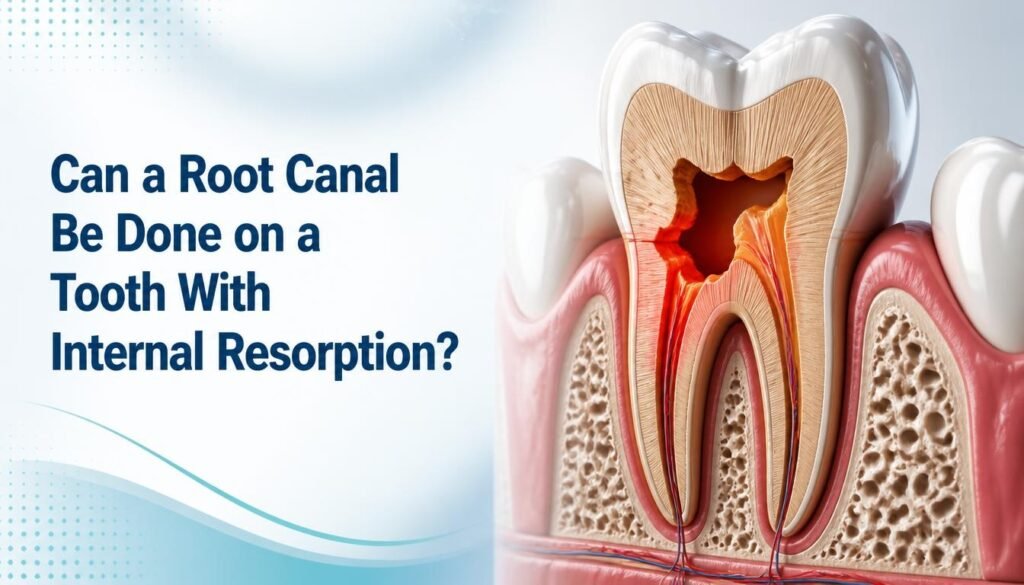
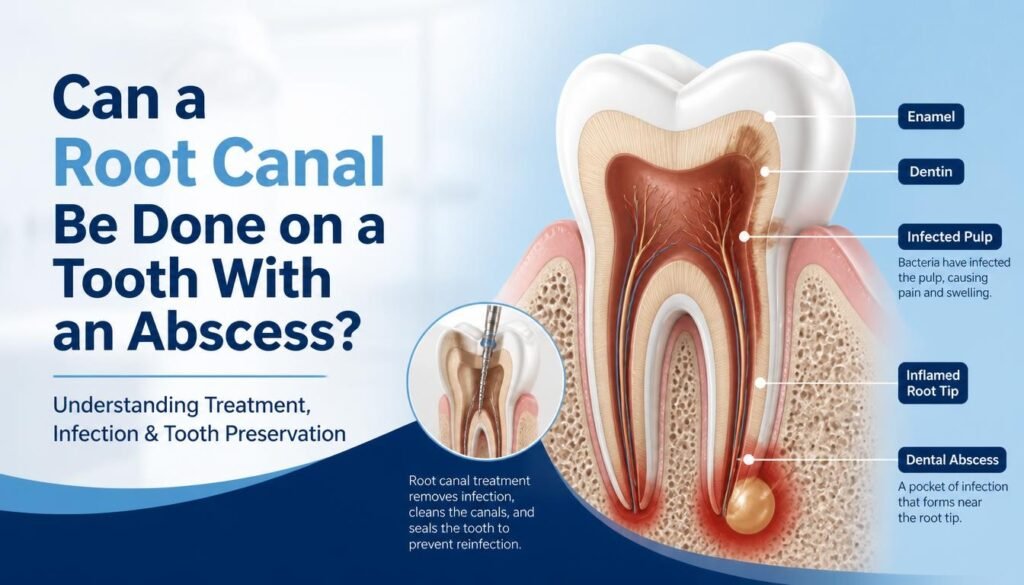
Root canal treatment involves removing infected or inflamed pulp tissue from inside the tooth, cleaning and disinfecting the root canals, and sealing them to prevent further infection.
Although the procedure helps preserve your natural tooth, the tooth may become structurally weaker if it has already suffered extensive decay, fractures, or loss of tooth structure.
Without appropriate restoration and care, the treated tooth may become vulnerable to:
- Cracks and fractures while chewing
- Bacterial contamination if the restoration becomes damaged
- Recurrent decay around the treated tooth
- Gum problems due to plaque accumulation
- Discomfort or complications requiring additional dental treatment
10 Ways to Protect Your Teeth After Root Canal Treatment
1. Get a Permanent Dental Restoration on Time
One of the most important steps after root canal treatment is completing the recommended permanent restoration.
A temporary filling may be placed immediately after RCT to seal the tooth until the final restoration is ready. However, a temporary filling is not designed to provide long-term protection against chewing forces.
Depending on the condition of the tooth, your dentist may recommend:
- A permanent filling
- A dental crown
- Another appropriate restorative treatment
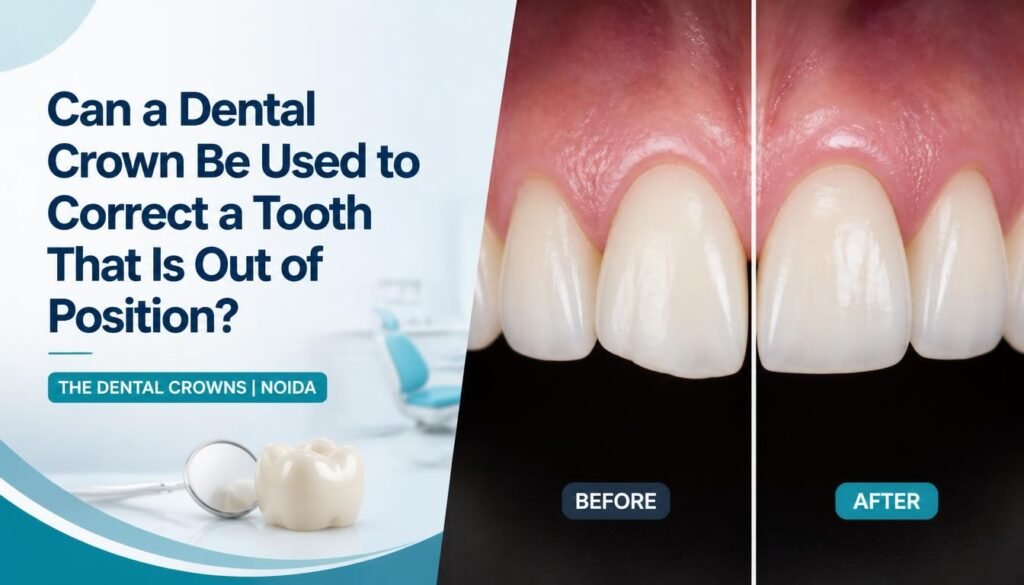
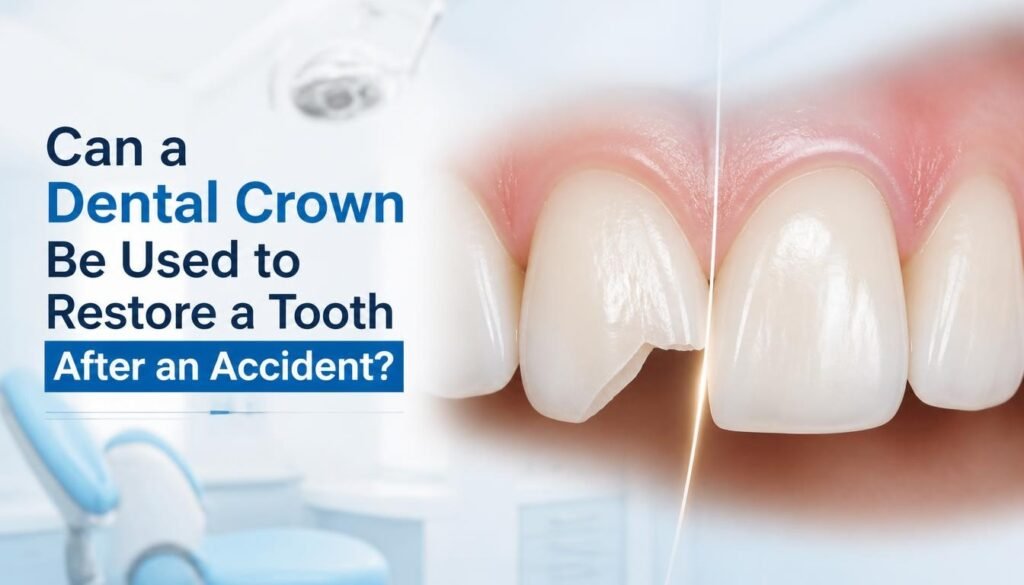
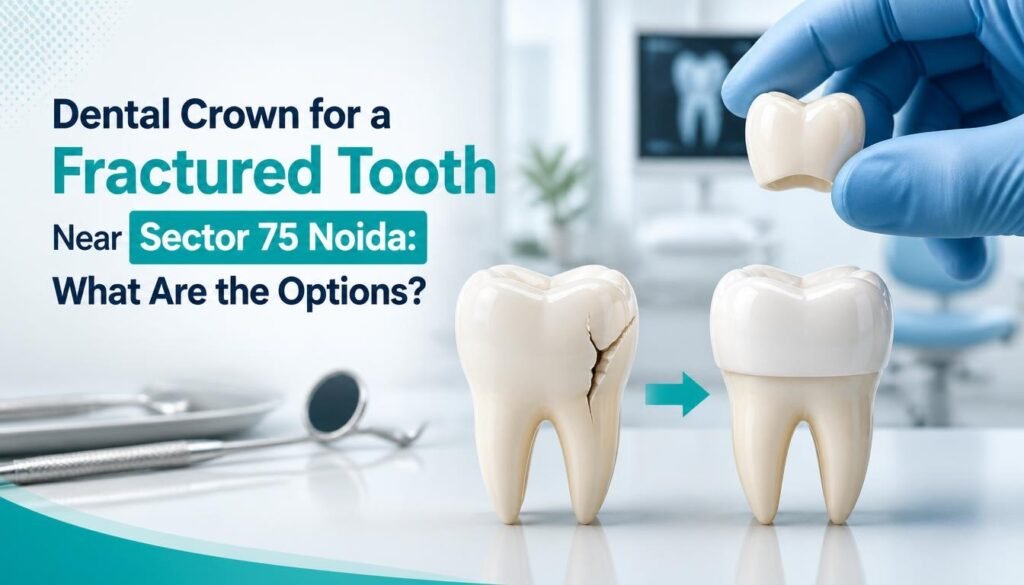
A dental crown covers the visible portion of a weakened tooth and can help restore its shape, strength, and chewing function.
Important: Not every root canal-treated tooth automatically requires a crown. The decision depends on how much healthy tooth structure remains, which tooth was treated, and its overall condition.
Learn more about Dental Crown Treatment Near Noida Sector 78.
2. Avoid Chewing Hard Foods on the Treated Tooth
After root canal treatment, avoid placing excessive pressure on the treated tooth until your dentist confirms that it is safe to chew normally.
Hard and crunchy foods may increase the risk of damaging a tooth that has not yet received its permanent restoration.
Foods to avoid or consume cautiously during recovery include:
- Hard candies and ice
- Nuts and seeds
- Popcorn kernels
- Hard biscuits and crunchy snacks
- Chewy toffees and sticky sweets
- Hard crusts of bread
Instead, choose softer foods that require less chewing, such as khichdi, curd, soft rice, cooked vegetables, eggs, and soups.
Try chewing on the opposite side of your mouth if your dentist has advised you to protect the treated tooth.
3. Brush Your Teeth Twice a Day With Fluoride Toothpaste
Maintaining good oral hygiene is essential even after the infected pulp has been removed.
Brush your teeth twice daily using a soft-bristled toothbrush and fluoride toothpaste. Clean gently around the treated tooth, especially if the area feels sensitive.
Brushing helps remove plaque and food particles that can contribute to gum inflammation and decay around the restoration.
Avoid brushing aggressively, as excessive pressure can irritate your gums and contribute to enamel wear.
4. Floss Daily to Prevent Plaque Buildup
Brushing alone cannot completely clean the spaces between your teeth.
Daily flossing helps remove plaque and trapped food particles from areas that your toothbrush cannot reach. This is particularly important around a dental crown or permanent filling.
Use dental floss carefully and follow your dentist’s instructions if you have a temporary restoration or tenderness around the treated tooth.
Good interdental cleaning can help reduce the risk of gum disease and decay around the restored tooth.
5. Choose Tooth-Friendly Foods During Recovery
Your diet can influence your comfort during the healing period.
After root canal treatment, consider eating foods that are soft, nutritious, and easy to chew.
Recommended foods:
- Soft rice and khichdi
- Dal and well-cooked vegetables
- Curd and yogurt
- Bananas and other soft fruits
- Scrambled eggs
- Soups and soft foods
Limit during recovery:
- Very hard foods
- Sticky sweets and candies
- Excessively sugary snacks
- Foods that cause discomfort or sensitivity
Wait until the numbness from local anaesthesia wears off before eating to avoid accidentally biting your cheek, tongue, or lips.
6. Avoid Smoking and Tobacco Products
Smoking and tobacco use can negatively affect oral health and gum healing.
After root canal treatment, avoiding smoking is a beneficial step towards maintaining healthy gums and reducing the risk of future dental problems.
Tobacco use is also associated with a higher risk of gum disease, poor oral health, and complications affecting dental restorations.
If you smoke, consider discussing tobacco cessation with a healthcare professional.
7. Attend All Recommended Dental Follow-Up Appointments
Follow-up appointments help your dentist evaluate whether the treated tooth is healing as expected.
During these visits, your dentist may assess:
- Pain or tenderness around the treated tooth
- Gum health
- The condition of the temporary or permanent filling
- Bite alignment and chewing comfort
- Whether the recommended crown or restoration has been completed
Do not skip your follow-up appointments even if the pain has disappeared.
If your dentist recommends a permanent crown, schedule it within the advised timeframe rather than postponing it unnecessarily.
8. Protect Your Teeth From Grinding and Clenching
Some patients unconsciously grind or clench their teeth while sleeping. This condition, known as bruxism, can place excessive pressure on teeth and dental restorations.
If you frequently wake up with jaw pain, headaches, or tooth sensitivity, inform your dentist.
A dentist may recommend a custom night guard or other suitable treatment to help protect your teeth from excessive grinding forces.
Avoid using your teeth to open packages, bite fingernails, or break hard objects.
9. Maintain Regular Dental Checkups
Even if your treated tooth feels completely normal, regular dental checkups remain important.
Routine dental examinations allow your dentist to identify early signs of:
- Recurrent tooth decay
- Cracks in the tooth
- Damage to fillings or crowns
- Gum inflammation
- Changes around the treated tooth
Professional cleaning may also help remove plaque and tartar that cannot be eliminated through regular brushing alone.
For most patients, the frequency of dental visits should be determined by their dentist according to their oral health and risk factors.
10. Recognise Warning Signs and Seek Dental Attention
Mild soreness or tenderness after root canal treatment can occur and generally improves with time.
However, certain symptoms should not be ignored.
Contact your dentist if you experience:
- Persistent or worsening tooth pain
- Swelling in the gums or face
- Pain while biting that does not improve
- A loose, broken, or damaged temporary filling or crown
- An uneven bite after treatment
- A pimple-like swelling on the gums
- Return of symptoms after the tooth initially felt better
Significant facial swelling, fever, or difficulty swallowing or breathing requires urgent medical or dental attention. Difficulty breathing or swallowing is an emergency.
Is a Dental Crown Necessary After Root Canal Treatment?
A common question among patients is whether every tooth requires a dental crown after RCT.
The answer is not always.
A dental crown may be recommended when the treated tooth has lost substantial tooth structure due to extensive decay, a large filling, or a fracture.
| Dental restoration | When it may be recommended |
|---|---|
| Permanent filling | When sufficient healthy tooth structure remains |
| Dental crown | When the tooth is significantly weakened or structurally damaged |
| Other restoration | When the dentist identifies a different suitable treatment |
Back teeth, such as molars and premolars, generally experience greater chewing forces. Consequently, they may require more protection depending on the extent of damage.
Your dentist will evaluate the tooth, remaining structure, bite, and overall oral health before recommending a suitable restoration.
Read more: Do You Need a Dental Crown After Root Canal Treatment?
How Long Does It Take to Recover After Root Canal Treatment?
Recovery varies depending on the severity of the infection, the tooth treated, and the complexity of the procedure.
Some patients experience mild tenderness for a few days, while others may require a longer recovery period.
| Recovery stage | What to expect |
|---|---|
| First 24 hours | Numbness may persist; avoid chewing until sensation returns |
| First few days | Mild tenderness or discomfort may gradually improve |
| Following 1–2 weeks | The area should generally feel more comfortable |
| After permanent restoration | Resume normal chewing as advised by your dentist |
These are general expectations, not a guaranteed recovery timeline. Contact your dentist if symptoms worsen or fail to improve as expected.
Root Canal Treatment in Sector 78 Noida: Where Can You Get Dental Care?
If you live in Sector 78 Noida and have recently undergone root canal treatment, regular dental care and timely restoration can help protect your natural tooth.
The Dental Crowns provides general and restorative dental services, including root canal treatment and dental crown treatment, for patients from Sector 78 and nearby areas.
Our clinic is located at:
The Dental Crowns
Civitech Stadia, Sector 79, Noida, Uttar Pradesh – 201301
Phone: +91 89202 71787
Patients from Sector 74, Sector 75, Sector 76, Sector 77, Sector 78, Sector 79, and surrounding Noida areas can contact the clinic to schedule a dental consultation.
Explore our Root Canal Treatment Services to learn more about treatment options and dental care.
Frequently Asked Questions (FAQs)
1. Can I eat normally after root canal treatment?
You can gradually return to your normal diet once numbness has worn off and your dentist confirms that chewing is safe. Avoid hard or sticky foods on the treated tooth until it has been permanently restored, if recommended.
2. How do I protect my root canal-treated tooth from breaking?
Avoid chewing hard foods on the treated tooth until it has been appropriately restored. Maintain good oral hygiene, attend follow-up appointments, and discuss whether a dental crown is necessary based on the remaining tooth structure.
3. Is brushing safe after root canal treatment?
Yes. Unless your dentist advises otherwise, continue brushing twice daily using a soft-bristled toothbrush and fluoride toothpaste. Brush gently around the treated area.
4. Can a root canal-treated tooth get infected again?
Yes. Although root canal treatment removes infection from inside the tooth, reinfection can occur if bacteria enter through a damaged restoration, recurrent decay, or other complications. Contact your dentist if symptoms return.
5. How long does a root canal-treated tooth last?
A properly treated and restored tooth can last for many years and sometimes as long as natural teeth. Its longevity depends on the quality of treatment, restoration, oral hygiene, bite forces, and regular dental care.
6. Should I get a dental crown immediately after root canal treatment?
The timing depends on the condition of your tooth and your dentist’s recommendation. When a crown is necessary, completing the permanent restoration promptly helps protect the tooth from fracture.
7. Can I drink tea or coffee after root canal treatment?
You can generally drink tea or coffee once the numbness wears off. Avoid excessively hot beverages if the area is sensitive, and follow your dentist’s instructions.
8. What should I do if my tooth hurts after root canal treatment?
Mild discomfort can occur after treatment. However, if the pain becomes severe, continues to worsen, or is accompanied by swelling or fever, contact your dentist promptly.
9. Can I skip the dental crown if my tooth feels fine?
Not necessarily. The absence of pain does not mean the tooth is structurally strong. Your dentist should determine whether a crown or another restoration is needed to protect it.
10. Where can I get root canal follow-up care near Sector 78 Noida?
Patients from Sector 78 can visit The Dental Crowns in Sector 79, Noida, for consultation regarding root canal treatment, dental crowns, restorative care, and follow-up appointments.
Conclusion
Protecting your tooth after root canal treatment requires more than simply waiting for the pain to disappear. Completing the recommended permanent restoration, maintaining good oral hygiene, eating carefully during recovery, avoiding harmful habits, and attending regular dental checkups are all important steps.
If you have recently undergone RCT and live in Sector 78 Noida, consult a dentist to determine the most suitable way to protect your treated tooth.
Book a dental consultation at The Dental Crowns, Sector 79, Noida, and take the next step towards maintaining your natural smile.